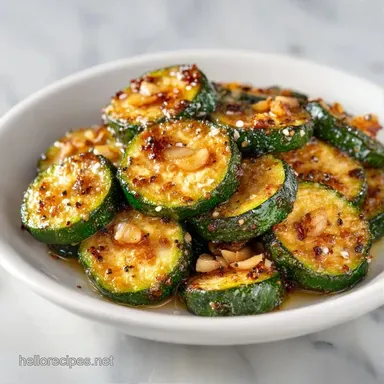
Zucchini with Olive Oil: Crispy and Tender
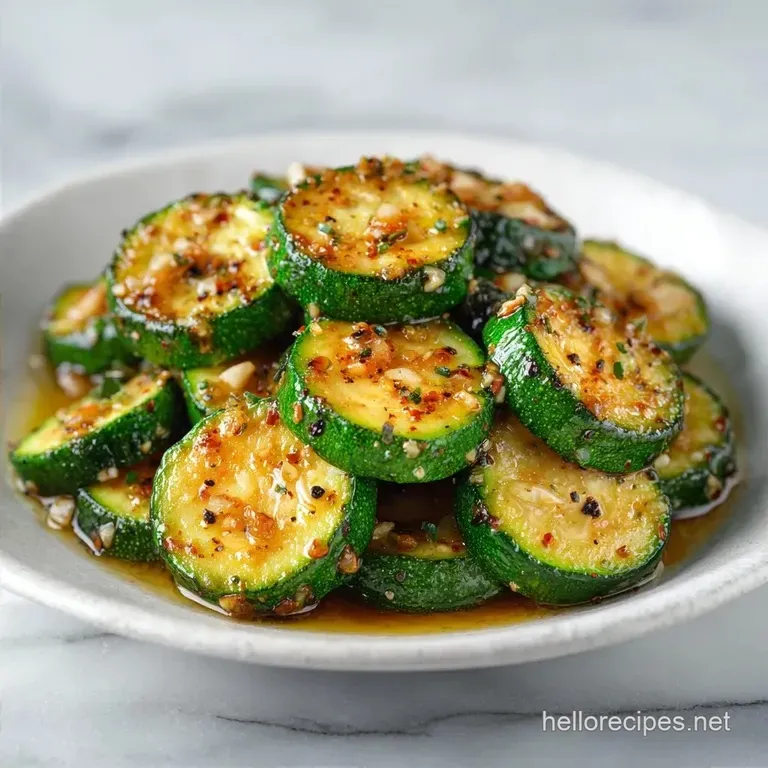
- Time: 5 min active + 10 min cooking
- Flavor/Texture Hook: Sizzling, salty crust with a bright lemon finish
- Perfect for: Quick weeknight sides or a low carb appetizer
- The Real Truth About Zucchini with Olive Oil
- Quick Stats and Timing
- What Stops the Mush
- Necessary Ingredients and Swaps
- Best Gear for Searing
- Step by Step Searing
- Fixing Common Searing Errors
- Troubleshooting Common Issues
- Different Flavor Profiles
- Keeping and Reheating Veggies
- The Best Side Pairings
- Recipe FAQs
- 📝 Recipe Card
The Real Truth About Zucchini with Olive Oil
That loud, aggressive sizzle when the slices hit the pan is the only sound that matters. I remember a dinner party a few years back where I tried to be "healthy" by steaming my zucchini. It turned into a pale, watery mess that looked more like a sponge than a vegetable.
My guests were polite, but I could see them pushing the limp green slices around their plates. I realized then that the biggest lie in the kitchen is that zucchini needs to be treated gently.
Actually, this vegetable craves heat. To get that deep, caramelized brown, you have to stop worrying about "overcooking" and start focusing on the sear. When you stop tossing the pan and let the veg sit, you're not just cooking it, you're creating a flavor shell.
Forget the idea that you need to salt and drain your zucchini for an hour to avoid sogginess. That's a waste of time for a quick sauté. If you use a heavy pan and don't crowd the space, the water evaporates almost instantly. This Zucchini with Olive Oil relies on speed and temperature, not prep work marathons.
Quick Stats and Timing
Right then, let's look at the basics. This is a flash cook dish. If you spend too long over the stove, you'll end up with mush. The goal is a contrast: a slightly charred exterior and a velvety, almost buttery interior.
For those who prefer a slower approach, you can roast these, but you lose that specific pan seared intensity. I've put together a quick comparison so you can decide which route to take based on how much time you actually have.
| Method | Time | Texture | Best For |
|---|---|---|---|
| Pan Sauté | 15 mins | Crisp edges, tender core | Fresh serving |
| Oven Roast | 25 mins | Soft, uniformly browned | Large crowds |
| Steamed | 8 mins | Soft, watery | Purees |
But what about the flavor? We're aiming for a map of salty Parmesan, nutty garlic, and a sharp, bright hit of lemon to cut through the richness of the oil.
What Stops the Mush
I used to think zucchini was just naturally watery. It is, but the way you handle that water is what determines if your dish is a success or a soggy disaster.
- High Heat Vaporization
- Cooking at medium high heat turns surface moisture into steam immediately, which prevents the zucchini from boiling in its own juices.
- The Single Layer Rule
- When slices overlap, they trap steam between them, which softens the edges and kills the sear.
- Late Acid Addition
- Adding lemon juice at the very end keeps the flavor bright and prevents the acid from breaking down the cell walls too early.
- Oil as a Bridge
- Olive oil doesn't just add flavor; it acts as a heat conductor that ensures the pan's energy hits every millimeter of the zucchini slice.
Since we're talking about the "how" and "why," it's a good time to look at the actual components. Not all oils or salts are created equal when you're aiming for a over high heat sear.
Component Analysis
| Ingredient | Science Role | Pro Secret |
|---|---|---|
| Extra Virgin Olive Oil | Heat transfer & flavor | Use a high-quality oil; it carries the garlic aroma |
| Lemon Juice | PH Balance | Adds a "zing" that mimics salt without adding sodium |
| Parmesan | Umami crust | Grate it finely so it melts instantly without clumping |
| Garlic | Aromatic depth | Slice thin for a nutty taste, mince for a sharper punch |
Necessary Ingredients and Swaps
Stick to these measurements for the best results. I've found that too much oil makes the dish greasy, while too little leads to sticking and uneven browning.
- 1 lb zucchini, sliced into 1/4 inch rounds Why this? Uniform thickness ensures every slice finishes at the same time
- 3 cloves garlic, thinly sliced or minced Why this? Sliced garlic is less likely to burn than minced
- 1 tbsp fresh lemon juice Why this? Fresh is non negotiable; bottled juice is too metallic
- 2 tbsp extra virgin olive oil Why this? Provides the fat needed for the mahogany crust
- 1/2 tsp sea salt Why this? Flaky salt draws out just enough moisture for the sear
- 1/4 tsp cracked black pepper Why this? Adds a woody heat that complements the garlic
- 2 tbsp grated Parmesan cheese Why this? Adds a salty, nutty finish
- 1 tsp red pepper flakes Why this? A subtle background warmth
If you're missing something, don't panic. Most of these can be swapped without ruining the dish, though the outcome will shift slightly.
| Original Ingredient | Substitute | Why It Works |
|---|---|---|
| Parmesan Cheese | Pecorino Romano | Similar saltiness. Note: A bit tangier and sharper |
| Lemon Juice | White Balsamic | Provides acidity. Note: Sweeter, less "bright" than lemon |
| Olive Oil | Avocado Oil | Higher smoke point. Note: Neutral flavor, lacks the fruity notes |
| Zucchini | Yellow Squash | Very similar texture. Note: Slightly sweeter flavor |
Best Gear for Searing
You don't need a professional kitchen, but the pan matters. I always reach for my 12 inch cast iron skillet. It holds heat better than almost anything else, meaning when the cold zucchini hits the pan, the temperature doesn't plumet.
If you don't have cast iron, a heavy bottomed stainless steel pan works. Avoid non stick pans if you can. Non stick is great for eggs, but it doesn't develop the same deep browning. You want the zucchini to almost "grip" the pan for a second before releasing, which is how you get that shatter crisp edge.
A simple fish spatula or tongs are helpful for flipping, but since we're doing rounds, a fork or a wide spatula is usually enough. Just make sure you have a paper towel handy to dry the zucchini before they hit the oil.
Step by step Searing
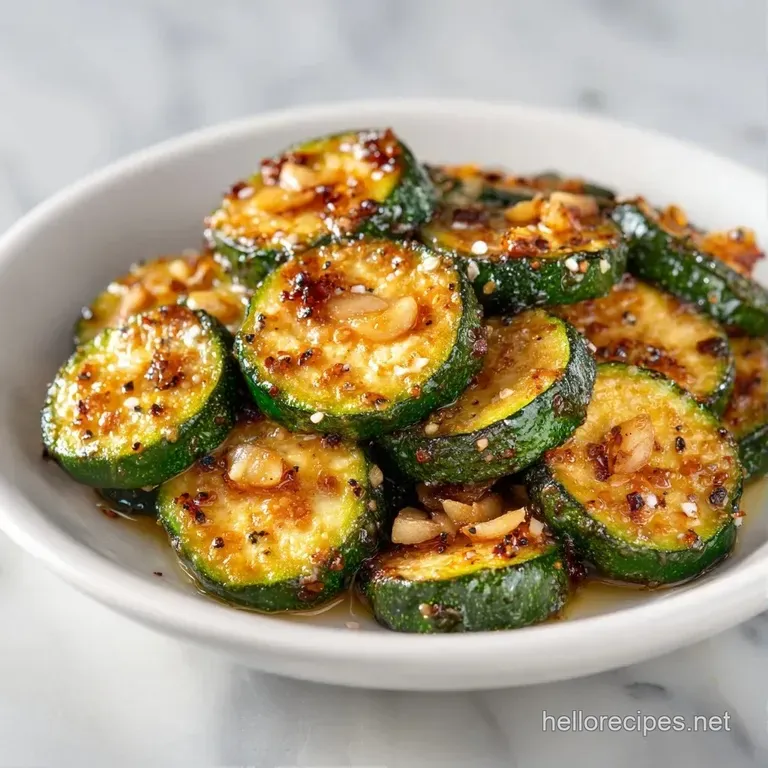
Let's crack on. Remember, speed is your friend here.
- Wash and dry the zucchini thoroughly. Slice into uniform 1/4 inch rounds and pat dry with a paper towel to ensure a proper sear. Note: Wet zucchini will steam instead of brown
- Heat olive oil in a 12 inch cast iron skillet or heavy bottomed stainless steel pan over medium high heat until shimmering and just beginning to smoke.
- Place zucchini in the pan in a single layer. Let sit undisturbed for 2-3 minutes until a mahogany colored crust develops.
- Flip the zucchini slices and sear for another 2 minutes.
- Reduce heat to medium. Push the zucchini to the edges of the pan and add the sliced garlic to the center.
- Sauté the garlic for 60 seconds until nutty and golden.
- Toss the zucchini and garlic together, remove from heat, and immediately stir in the lemon juice, salt, and pepper.
- Sprinkle with grated Parmesan and red pepper flakes just before serving.
Chef's Note: If you're using a smaller pan, work in two batches. Overcrowding the pan is the fastest way to turn your Zucchini with Olive Oil into a soggy mess.
Fixing Common Searing Errors
The most common complaint with this recipe is the "water problem." If you see a pool of liquid in your pan, you've likely crowded the pan or used heat that was too low. When the temperature drops, the zucchini cells rupture and leak water instead of searing.
Another issue is the garlic. Garlic burns in a heartbeat. If you add it at the start, it'll be bitter and black by the time the zucchini is done. That's why we push the veg to the side and bloom the garlic in the center at the very end.
Troubleshooting Common Issues
| Issue | Solution |
|---|---|
| Zucchini releasing so much water | This usually happens because the pan wasn't hot enough or there were too many slices. The water doesn't evaporate, so the zucchini boils. Try smaller batches. |
| Why did my garlic turn bitter | You likely overcooked it or used heat that was too high for too long. Garlic only needs about 60 seconds to go from raw to golden. |
| Stop the zucchini from getting soggy after plating | Zucchini continues to cook even after it leaves the pan. Plate it immediately and serve it while it's still sizzling. |
Searing Success Checklist:
- ✓ Zucchini sliced to exactly 1/4 inch
- ✓ Pan shimmering/smoking before adding veg
- ✓ No overlapping slices in the pan
- ✓ Garlic added only after zucchini is browned
- ✓ Lemon juice added after the pan is off the heat
Different Flavor Profiles
While the garlic and lemon version is a classic, you can easily shift the vibe of this dish. If you want something heartier, try a "Sautéed Zucchini and Onions" twist. Just sauté some thinly sliced red onions for 3 minutes before adding the zucchini.
The sweetness of the caramelized onions balances the salt of the Parmesan perfectly.
For those who prefer the oven, a "Baked Zucchini with Olive Oil and Parmesan" version is great for meal prep. Toss the slices in the oil, salt, and pepper, then bake at 200°C for about 15-20 minutes.
It's not as crisp as the pan version, but it's far more convenient for large groups.
If you're looking for a completely different way to use this veg, you might enjoy my Zucchini Lasagna recipe, which uses the vegetable as a noodle replacement for a richer, baked experience.
Adjusting for Group Size
Scaling Down (½ batch): Use a smaller 8 inch skillet. You can keep the heat the same, but keep a close eye on the garlic since a smaller pan concentrates the heat. Reduce the total cook time by about 1-2 minutes.
Scaling Up (2x-4x batch): Do NOT just use a bigger pan. Even in a huge skillet, the center often stays cooler than the edges. Work in batches. Use 1.5x the salt and red pepper flakes you rarely need to double the spices, or they can become overpowering.
Keeping and Reheating Veggies
Zucchini isn't the best "leftover" vegetable because it loses its structure as it sits. However, it's still great the next day if you handle it right. Store your Zucchini with Olive Oil in an airtight container in the fridge for up to 3 days.
To reheat, avoid the microwave. Microwaves turn zucchini into mush. Instead, toss the slices back into a hot pan for 2 minutes. This helps bring back some of that sear and evaporates any moisture that accumulated in the fridge.
For zero waste, don't throw away the zucchini ends or any peels. I save all my veggie scraps in a freezer bag. Once the bag is full, I simmer them down to make a Homemade Roasted Vegetable Stock recipe that adds deep, earthy flavor to soups.
The Best Side Pairings
Because this dish is so bright and salty, it pairs beautifully with proteins that have a rich or smoky profile. I love serving it alongside a grilled steak or a piece of seared salmon. The lemon in the zucchini cuts through the fat of the meat.
If you want something with a bit more kick, top the finished dish with a dollop of Chimichurri sauce. The fresh parsley and vinegar in the sauce play off the garlic and olive oil in a way that feels like a Mediterranean feast.
For a full meal, serve this with a side of fluffy quinoa or crusty sourdough bread to soak up the leftover garlic infused oil at the bottom of the plate. It's a simple, plant based way to bring a lot of energy to the dinner table.
Recipe FAQs
Is olive oil good for frying zucchini?
Yes, it is an excellent choice. It provides a rich flavor and handles the medium high heat required to create a mahogany crust.
Is fried zucchini okay for diabetics?
Yes, in moderation. Zucchini is low-glycemic, and the healthy fats in olive oil help stabilize blood sugar levels.
How much olive oil to saute zucchini?
Use 2 tablespoons of extra virgin olive oil. This is the ideal amount to coat the pan and sear 1 lb of sliced rounds without deep frying.
What is the best oil to cook zucchini in?
Extra virgin olive oil is the top recommendation. It balances the mild taste of the vegetable while performing well in a cast iron skillet.
How do you add zucchini to pasta sauce?
Sauté the rounds in olive oil first. If you enjoyed mastering this searing technique, apply the same principle to our homemade lasagna for deeper flavor.
What is the best way to season zucchini?
Toss with sea salt, cracked black pepper, and lemon juice immediately after cooking. Adding grated Parmesan and red pepper flakes creates a savory, spicy finish.
How would you make a pasta dish with zucchini tempting?
Sear the zucchini in garlic and olive oil until caramelized. The contrast between a mahogany colored crust and fresh lemon juice adds professional complexity to the meal.
Zucchini With Olive Oil