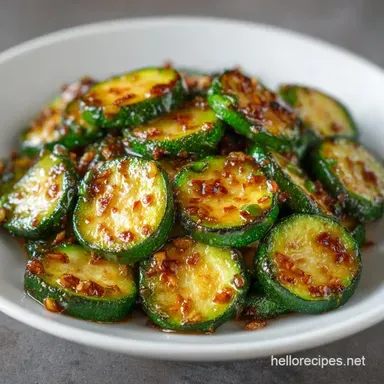
10 Minute Sautéed Zucchini with Garlic: Golden & Crisp
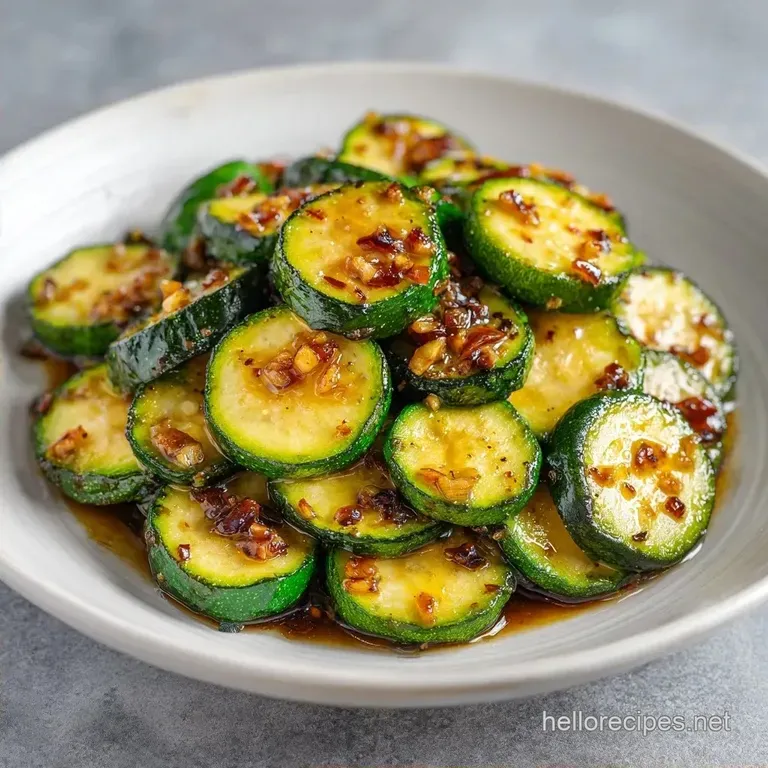
- Time: 5 min active + 10 min cook
- Flavor/Texture Hook: Mahogany brown crust with nutty garlic butter
- Perfect for: Weeknight dinners or a fast healthy side
- How to Nail 10 Minute Sautéed Zucchini with Garlic
- The Logic Behind the Sizzle
- Component Analysis
- Choosing Your Best Ingredients
- Essential Gear for Sautéing
- The Searing Process Step-by-Step
- Fixing Common Zucchini Problems
- Smart Swaps and Variations
- Scaling Your Batch
- Storing and Reducing Waste
- Best Dishes to Pair With
- Recipe FAQs
- 📝 Recipe Card
That sharp crackle of olive oil in a hot skillet is the only way to start this. I grew up with a family that treated summer squash like a staple, but for years, I struggled with that "wet" texture.
In many Mediterranean homes, zucchini is sautéed quickly to keep its structure, often served as a simple accompaniment to grilled meats. It's a tradition of using what's in the garden and getting it on the table before it cools.
This 10 Minute Sautéed Zucchini with Garlic is the perfect quick and easy side dish. Most people make the mistake of stirring too much, which steams the zucchini instead of searing it. If you've ever ended up with a pan of pale, limp squash, it's likely because the heat was too low or the pan was too crowded.
We're going to fix that today. I'll show you how to get a real sear on those rounds without overcooking the centers. You'll end up with something that's velvety on the inside but has a distinct, salty crust on the outside.
How to Nail 10 Minute Sautéed Zucchini with Garlic
The biggest hurdle with this dish is the water content. Zucchini is mostly water, and when it hits a pan, that moisture wants to escape. If you don't have enough heat, the zucchini just sits in its own juices. According to the guides at Serious Eats, achieving a proper sear requires high heat and space, which prevents the food from steaming.
Trust me, the "no stir" rule is the most important part of this process. You have to let the zucchini sit undisturbed for a few minutes. It feels wrong you'll want to move them around but that patience is where the flavor comes from.
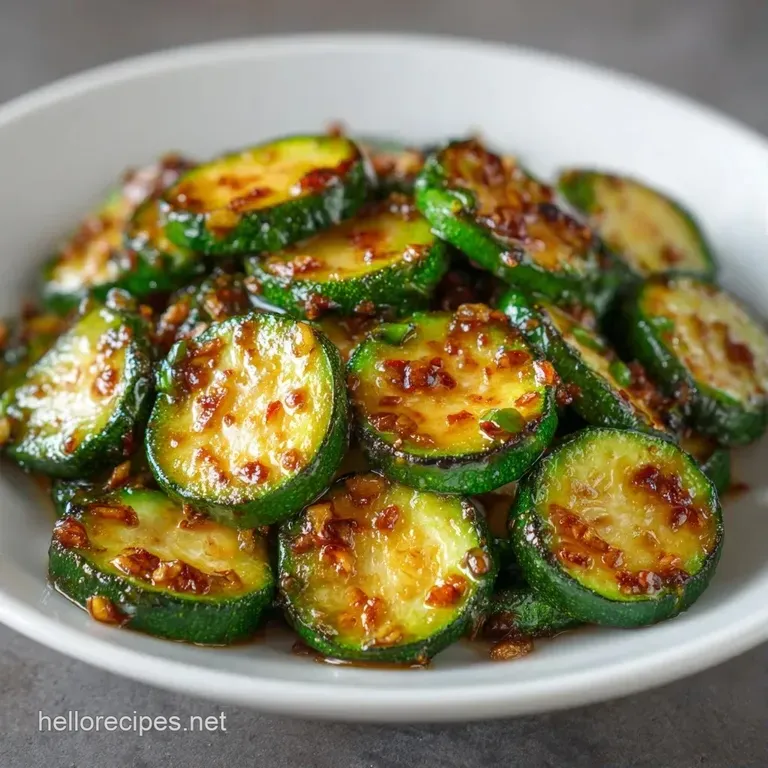
Once you see that mahogany color, the sugars have caramelized, and that's where the richness lives.
Right then, let's talk about the aromatics. Garlic burns fast. If you throw it in at the start, it'll be bitter by the time the zucchini is done. By pushing the vegetables to the side and cooking the garlic in butter at the very end, you get a nutty, toasted flavor that coats everything without any burnt aftertaste.
The Logic Behind the Sizzle
The Space Rule: Overcrowding the pan drops the temperature instantly, leading to soggy zucchini. Leaving gaps allows moisture to evaporate quickly.
Fat Synergy: Olive oil handles the over high heat sear without smoking, while butter adds a velvety finish and rich flavor.
Thermal Carryover: Zucchini continues to cook for a minute after leaving the pan. Removing it while it still has a slight "snap" ensures it doesn't turn to mush on the plate.
Late Stage Aromatics: Adding garlic in the final 60 seconds prevents the oils from oxidizing and turning bitter.
| Method | Time | Texture | Best For |
|---|---|---|---|
| Fast Sauté | 10 mins | Crispy edges, tender core | Weeknight sides |
| Classic Braise | 25 mins | Soft, uniform, stew like | Casseroles |
| Roasted | 20 mins | Concentrated, chewy | Meal prep |
Component Analysis
| Ingredient | Science Role | Pro Secret |
|---|---|---|
| Zucchini | Base structure | Slice exactly 1/4 inch for even cooking |
| Garlic | Flavor depth | Mince finely so it toasts evenly in butter |
| Olive Oil | Heat conductor | Use a high smoke point oil to avoid acrid smells |
| Unsalted Butter | Emulsifier/Flavor | Added at the end for a glossy, rich coating |
Choosing Your Best Ingredients
When you're at the store, look for zucchini that feels heavy for its size and has a bright, dark green skin. Avoid the ones with soft spots or those that feel "squishy." Smaller zucchini are usually better because they have fewer seeds and a denser texture, which makes them less likely to get soggy.
- 1.5 lbs zucchini, sliced into 1/4 inch rounds Why this? Uniform thickness ensures every piece finishes at once
- 3 cloves garlic, minced Why this? Fresh garlic has a punch that powder can't match
- 1/4 cup yellow onion, finely diced Why this? Adds a subtle sweetness to balance the garlic
- 2 tbsp olive oil Why this? High heat stability for the initial sear
- 1 tbsp unsalted butter Why this? Creates a rich, nutty sauce at the end
- 1/2 tsp kosher salt Why this? Draws out flavor and helps the crust form
- 1/4 tsp cracked black pepper Why this? Adds a woody heat to the finish
- 1/4 tsp dried oregano Why this? Gives it a classic Mediterranean vibe
Substitution Options:
| Original Ingredient | Substitute | Why It Works |
|---|---|---|
| Olive Oil | Avocado Oil | Even higher smoke point. Note: More neutral flavor |
| Unsalted Butter | Vegan Butter | Similar fat content for the finish. Note: Check for salt content |
| Dried Oregano | Fresh Thyme | Earthy and floral. Note: Use 1 tsp fresh for 1/4 tsp dried |
| Yellow Onion | Shallots | Finer, more sophisticated flavor. Note: Use slightly more than onion |
Essential Gear for Sautéing
You really need a pan that can take the heat. A 12 inch stainless steel or cast iron skillet is the way to go. Non stick pans are okay, but they don't develop that same mahogany crust because they don't allow the zucchini to "grip" the surface as well.
Stainless steel is my preference here because it's easier to see the browning process.
A sharp chef's knife is non negotiable. If you're hacking away at the zucchini and getting uneven slices, some will be overcooked and mushy while others are raw in the middle. Aim for that 1/4 inch thickness.
If you're not confident in your knife skills, a mandoline slicer is a budget friendly way to get perfect rounds every time.
Finally, a wide spatula is your best friend. You want something that can flip several rounds at once. Since we're working in a single layer, you don't want to be flipping individual pieces; that takes too long and lets the pan cool down.
The Searing Process step-by-step
- Slice the zucchini into uniform 1/4 inch rounds and set aside. Note: Keep them in a bowl so they don't dry out
- Heat the olive oil in a 12 inch stainless steel or cast iron skillet over medium high heat until it shimmers.
- Add the zucchini in a single layer. Note: If your pan is small, do this in two batches to avoid steaming
- Let them sit undisturbed for 2–3 minutes until a mahogany colored crust forms.
- Flip the rounds and sear the other side for another 2 minutes.
- Push the zucchini to the edges of the pan to create a hole in the center.
- Drop the butter and diced onions into the center.
- Once the butter is foaming, stir in the minced garlic and cook for 60 seconds until the garlic smells nutty.
- Toss everything together to coat the zucchini in the garlic butter.
- Remove the pan from the heat immediately and sprinkle with salt, black pepper, and oregano.
Fixing Common Zucchini Problems
The most common complaint is that the vegetables turn into a watery mess. This usually happens because of "pan crowding." When you pack too many slices into the skillet, the moisture released from the zucchini has nowhere to go, so it pools at the bottom.
Instead of frying, your zucchini is essentially boiling in its own juice.
Another issue is the garlic. If you smell something acrid or see black specks in your garlic, it's burnt. Burnt garlic is bitter and can ruin the whole batch. This is why we add it at the very end. The butter protects the garlic and gives it a medium to toast slowly rather than scorching.
| Problem | Root Cause | Solution |
|---|---|---|
| Soggy texture | Pan too crowded or heat too low | Use a larger pan; don't stir for 3 mins |
| Bitter garlic | Added garlic too early | Push veg to sides; add garlic in the last 60 seconds |
| Uneven browning | Slices are different thicknesses | Use a mandoline or a sharper knife for 1/4" rounds |
Common Mistakes Checklist
- ✓ Did you wait for the oil to shimmer before adding the veg?
- ✓ Did you leave the zucchini undisturbed for at least 2 minutes?
- ✓ Is there enough space between the slices in the pan?
- ✓ Did you remove the pan from the heat before adding the dried herbs?
- ✓ Are your slices a consistent 1/4 inch thickness?
Smart Swaps and Variations
If you want to change the flavor profile, a squeeze of fresh lemon juice right before serving is a fantastic twist. The acidity cuts through the richness of the butter and makes the zucchini taste brighter.
For those who like a bit of heat, a pinch of red pepper flakes added with the garlic gives it a spicy kick that pairs well with grilled chicken.
For a vegan version, simply swap the butter for a high-quality vegan butter or an extra tablespoon of olive oil. You'll lose a bit of that milky richness, but the garlic and oregano still carry the dish. If you have other summer squash on hand, like yellow squash, you can mix them 50/50.
They have the same water content, so this recipe works perfectly for a medley.
Since this is such a fast side, it's great for meal prepping. If you're making a bigger dinner, this pairs beautifully with a Creamy Chicken Pasta for a balanced meal. Just be careful not to overcook them if you plan to reheat them later.
Scaling Your Batch
When you're making this for a crowd, don't just dump more zucchini into the same pan. If you double the recipe, you must work in batches. If you try to cook 3 lbs of zucchini in one 12 inch skillet, you'll end up with a soggy stew regardless of the heat.
Scaling Down (1/2 batch): Use a smaller 8 inch skillet. Reduce the cooking time by about 20% since the pan will heat up and cool down faster. You can still use the same ratio of butter and oil.
Scaling Up (2x-4x batch): Cook the zucchini in batches of 1.5 lbs each. Once a batch is seared and flipped, move it to a bowl. Do the garlic butter finish for each batch separately, or combine all the seared zucchini back into the pan at the very end for a quick toss with a larger amount of garlic butter.
Note that for 4x the recipe, only increase the salt and oregano to about 2.5x to avoid over seasoning.
Storing and Reducing Waste
You can keep this in an airtight container in the fridge for up to 3 days. When you reheat it, use a skillet over medium heat for 2-3 minutes. Avoid the microwave if you can, as it tends to make the zucchini rubbery and releases more water, killing that nice sear we worked so hard for.
This dish doesn't freeze well. The cell walls of the zucchini break down during freezing, and it becomes completely mushy upon thawing. It's best enjoyed fresh or from the fridge.
To keep things zero waste, don't throw away the zucchini ends. I usually toss my scrap ends and peels into a freezer bag. Once the bag is full, I simmer them with some onion skins and celery tops to make a light vegetable broth. If you have leftover sautéed zucchini, you can chop it up and stir it into an omelet the next morning or toss it into a Roasted Eggplant Parmesan for extra texture.
Best Dishes to Pair With
This 10 Minute Sautéed Zucchini with Garlic is naturally light, so it balances out heavier proteins. It's a classic companion for grilled salmon or a seared steak. The buttery garlic notes complement the char of a grill perfectly.
If you're looking for a vegetarian main, try serving this alongside a hearty quinoa bowl or a slice of toasted sourdough topped with ricotta cheese. The softness of the cheese against the slight snap of the zucchini is a winner.
For a full blown feast, I love serving this alongside roasted potatoes. The contrast between the crispy, starchy potato and the juicy, buttery zucchini creates a great variety of textures on the plate.
Just remember to cook the potatoes first, as they take much longer, and save this zucchini for the very last 15 minutes of your kitchen time.
Recipe FAQs
How to prevent zucchini from getting mushy?
Sauté in a single layer over medium high heat. Overcrowding the pan releases too much moisture, which steams the vegetables instead of searing them.
How to add these to a pasta dish?
Toss the sautéed rounds directly into cooked pasta. This adds a fresh, garlic butter element that pairs well with heavier dishes like a meat lasagna.
Is it true I must salt zucchini and let it sit before sautéing?
No, this is a common misconception. Searing quickly at high heat creates a mahogany crust and locks in flavor without needing to pre-salt the vegetables.
How to get a deep brown sear on the rounds?
Leave the slices undisturbed for 2 3 minutes. Moving the zucchini too early prevents the natural sugars from caramelizing against the hot stainless steel or cast iron surface.
Can I freeze sautéed zucchini for later?
No, avoid freezing. The cell walls break down during the freezing process, which makes the zucchini completely mushy upon thawing.
How to season zucchini for the best flavor?
Add salt, pepper, and oregano after removing the pan from the heat. Seasoning at the end prevents the salt from drawing out moisture, which helps maintain the crisp sear.
How to store and reheat leftovers?
Keep in an airtight container in the fridge for up to 3 days. Reheat in a skillet over medium heat for 2-3 minutes to avoid the rubbery texture caused by microwaves.
Sautéed Zucchini with Garlic (15 Min)