Lemon Butter Chicken Scallopini
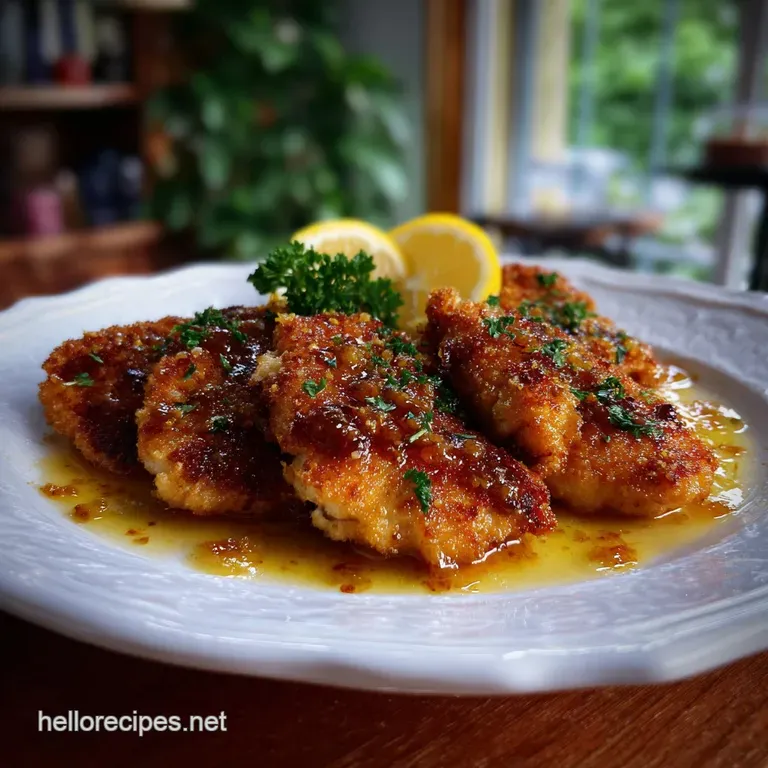
- Time: Active 10 minutes, Passive 10 minutes, Total 20 minutes
- Flavor/Texture Hook: Zesty, buttery, and incredibly tender
- Perfect for: Impressive date nights or fast Tuesday dinners
- Master the Ultimate Lemon Butter Chicken Scallopini
- Science Behind the Sizzle and Brightness
- Sourcing Components for Gastronomic Balance
- Precision Instruments for the Modern Kitchen
- Executing the Sequence of Textural Contrasts
- Refining Technique and Avoiding Common Errors
- Sustainable Modifications for Varied Lifestyles
- Managing Longevity and Reducing Waste
- Curating the Perfect Culinary Experience
- Recipe FAQs
- 📝 Recipe Card
Cooking is often a game of managing moisture and heat. When you’re staring at a package of chicken breasts on a Tuesday night, the goal isn’t just to "make dinner," it's to create something that feels like a reward for surviving the day. This Lemon Butter Chicken Scallopini is exactly that reward.
It’s a dish of beautiful contradictions: the heavy richness of butter meeting the electric zap of fresh lemon juice.
I remember the first time I tried making this without pounding the meat. It was a disaster. One side was dry as parchment while the middle was still raw. That’s when I realized the technology of the kitchen isn't just about gadgets; it's about physics.
By thinning the protein, we change how heat moves through the fibers. This recipe is the result of years of tinkering with that specific thermal balance to ensure you never have a "rubbery" bite again.
We’re moving beyond simple pan frying here. We’re looking at a technique that bridges traditional gastronomy with modern efficiency. Trust me on this: once you see how the sauce transforms from a thin liquid into a velvety glaze, you’ll never look at a lemon the same way again.
Right then, let’s get into the mechanics of why this works.
Master the Ultimate Lemon Butter Chicken Scallopini
The magic of this dish lies in the structural change we force upon the poultry. By flattening the meat, we increase the surface area, which leads to more Maillard reaction (that gorgeous browning). This isn't just about looking pretty; it’s about creating new flavor molecules that don't exist in raw meat.
- Mechanical Tenderization: Pounding the chicken breasts to 1/4 inch thickness breaks down tough connective tissues, ensuring the protein remains supple even under high heat.
- Starch Gelatinization: The light dusting of All purpose flour creates a microscopic barrier that traps natural juices while absorbing the fat from the Lodge Cast Iron Skillet.
- Cold Butter Emulsification: Adding chilled butter at the very end prevents the fats from separating, creating a stable, silky sauce rather than an oily mess.
The Flavor Map
- Bright: 3 tbsp Freshly squeezed lemon juice
- Salty: 1 tbsp Non pareil capers
- Rich: 3 tbsp Cold unsalted butter
- Pungent: 1/2 tsp Freshly cracked black pepper
Science Behind the Sizzle and Brightness
Understanding the "why" helps you become a more intuitive cook. When we deglaze the pan with 1/4 cup Dry white wine, we aren't just adding liquid. We are using alcohol and acidity to dissolve the "fond" those brown bits stuck to the pan. Those bits are concentrated flavor gold.
| Component | Science Role | Pro Secret |
|---|---|---|
| Chicken Breast | Protein Denaturation | Pound to 1/4 inch for uniform thermal energy transfer. |
| All purpose Flour | Surface Dehydration | Shake off excess to prevent a gummy, soggy coating. |
| Lemon Juice | pH Adjustment | Use fresh only; bottled juice lacks the volatile oils for aroma. |
| Cold Butter | Emulsion Stability | Whisk constantly to suspend fat droplets in the stock. |
Sourcing Components for Gastronomic Balance
I’m a firm believer that your meal is only as good as your sourcing. For this Butter Chicken Scallopini, try to find air cooled chicken. It hasn't been soaked in a chlorine bath, meaning it won't leak water into your pan and ruin your sear.
- 4 large Chicken Breasts (approx. 700g): Butterfly these first, then pound them flat. Why this? Provides the signature thin, quick cooking scallopini texture.
- 1/2 cup (65g) All purpose flour: Use a brand like King Arthur for consistent protein levels. Why this? Creates a thin crust to hold the sauce.
- 1 tsp (5g) Diamond Crystal Kosher salt: The larger grains make it easier to season evenly.
- 1/2 tsp (2g) Freshly cracked black pepper: Grind it fresh for the most impact.
- 2 tbsp (30ml) Extra virgin olive oil: Use a high-quality oil like Bertolli for a clean flavor.
- 1 tbsp (15g) Unsalted butter: This is for the initial sear.
- 1/4 cup (60ml) Dry white wine: A Sauvignon Blanc or Pinot Grigio works best.
- 1/2 cup (120ml) Low sodium chicken stock: Swanson's is a reliable pantry staple.
- 3 tbsp (45ml) Freshly squeezed lemon juice: About one large, juicy lemon.
- 3 tbsp (42g) Cold unsalted butter, cubed: Keep this in the fridge until the last second.
- 1 tbsp (5g) Non pareil capers: These add a necessary salty punch.
- 2 tbsp (5g) Fresh Italian parsley: Mince it fine for a burst of color and herbiness.
Substitution Table:
| Original Ingredient | Substitute | Why It Works |
|---|---|---|
| Dry White Wine | Extra Chicken Stock + 1 tsp Vinegar | Maintains acidity without the alcohol content. |
| All purpose Flour | Cornstarch | Creates an even crispier, gluten-free crust. Note: Lighter finish. |
| Unsalted Butter | Ghee | Higher smoke point, though you lose some creamy notes. |
Precision Instruments for the Modern Kitchen
You don't need a lab, but you do need the right gear. A heavy bottomed pan is non negotiable. I prefer a Lodge 12 inch Cast Iron Skillet or a heavy stainless steel pan from All Clad.
If you use a thin, cheap pan, the temperature will drop the moment the chicken hits the surface, and you’ll end up steaming the meat rather than searing it.
You also need a reliable meat mallet. If you don't have one, a heavy rolling pin or even the bottom of a small saucepan works in a pinch. Just be sure to wrap the chicken in plastic wrap first to avoid making a mess of your kitchen.
Executing the Sequence of Textural Contrasts
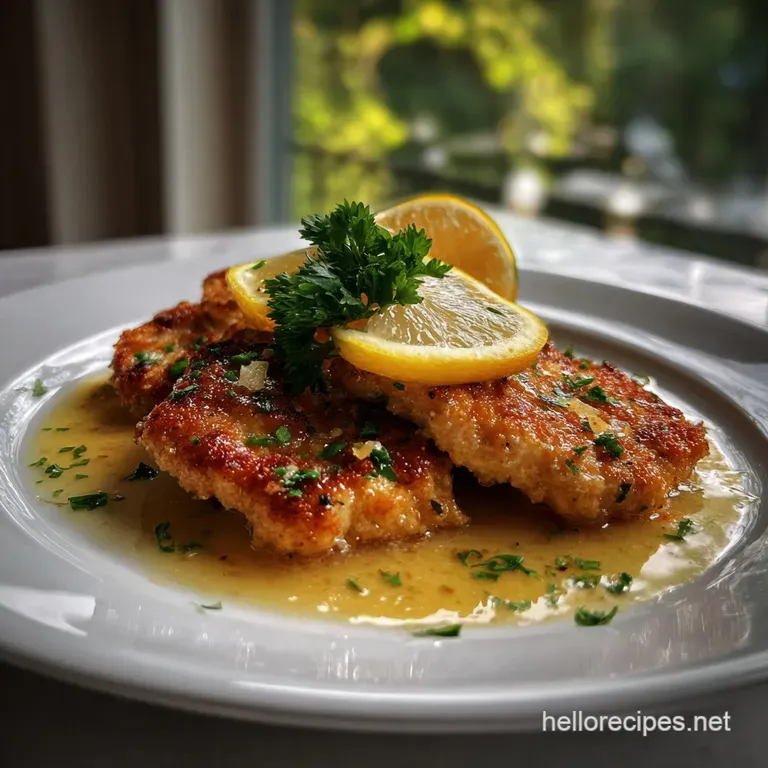
Follow these steps closely. The timing in this Chicken Scallopini Recipe is fast, so have all your ingredients measured out before you turn on the stove.
- Butterfly the chicken. Cut the breasts in half horizontally to create two thin pieces.
- Pound the protein. Place chicken between plastic wrap and hit it until it is 1/4 inch thick. Note: This ensures it cooks in 3 minutes flat.
- Season and dredge. Mix flour, salt, and pepper in a shallow dish. Press the chicken into the flour.
- Shake off excess. Tap the chicken against your hand until only a fine dust remains.
- Heat the skillet. Add oil and 1 tbsp butter over medium high heat until the butter foams and subsides.
- Sear the chicken. Cook in batches for 2-3 minutes per side until deep golden and crispy.
- Deglaze the pan. Pour in the wine and scrape the bottom until the liquid reduces by half.
- Simmer the stock. Add chicken stock, lemon juice, and capers. Cook for 2 minutes until bubbling.
- Mount the sauce. Lower heat and whisk in the cold cubed butter one piece at a time until the sauce looks velvety.
- Finish and serve. Return chicken to the pan to coat, then sprinkle with parsley.
Chef's Tip: To get that restaurant quality "shatter" on the crust, let the floured chicken sit for 2 minutes before it hits the pan. This allows the flour to hydrate slightly, creating a better bond with the meat.
This technique is very similar to what I use in my Lemon Butter Sauce recipe, where emulsification is the star of the show.
Refining Technique and Avoiding Common Errors
Even simple dishes have hurdles. The most common issue with this Lemon Butter Chicken Entree is the sauce breaking. If the pan is too hot when you add the finishing butter, the fat will separate from the solids, leaving you with a greasy puddle.
Why Your Sauce Separated
If your sauce looks broken, it’s usually a temperature issue. Emulsions are fragile. You need enough heat to melt the butter but not so much that the proteins in the butter denature too quickly.
Troubleshooting Table:
| Problem | Cause | Fix | Pro Tip |
|---|---|---|---|
| Soggy Coating | Pan not hot enough | Wait for the oil to shimmer before adding meat. | Use a cast iron for better heat retention. |
| Tough Chicken | Not pounded enough | Ensure even 1/4 inch thickness across the breast. | Use the flat side of the mallet, not the teeth. |
| Bitter Sauce | Burnt garlic/fond | Lower heat if the brown bits turn black. | Add a splash of stock immediately to cool the pan. |
Heavy Pan vs. Non stick: Best method?
While non stick is easier to clean, it’s the enemy of the Maillard reaction. You want the chicken to stick just a little bit to create that "fond" on the bottom. That's where the flavor for the sauce comes from. If you use a non stick pan, your sauce will taste one dimensional.
Flour vs. Cornstarch: Which is crispier?
Flour provides a more traditional, "bready" crust that holds onto the sauce well. Cornstarch, however, creates a glass like crunch that is incredibly satisfying. If you want a modern twist, try a 50/50 blend of both.
Sustainable Modifications for Varied Lifestyles
We live in a world where dietary needs vary, but flavor shouldn't be sacrificed. If you're looking for something with a different flavor profile, you might enjoy this OnePan Creamy Tuscan recipe which uses a similar pan searing method but goes in a creamier direction.
- gluten-free: Swap the all purpose flour for a 1:1 gluten-free blend or almond flour. Almond flour won't get as crispy but adds a lovely nutty note.
- dairy-free: Use a high-quality vegan butter stick (like Miyoko’s). These are specifically designed to emulsify better than oil based margarines.
- Low Carb: Skip the flour dredge entirely. Season the chicken heavily and sear it naked in the oil. You won't get the crust, but the lemon butter sauce still makes it a win.
Decision Shortcut: - If you want maximum crunch, use a cornstarch dredge. - If you want a richer sauce, double the cold butter at the end. - If you want a lighter meal, serve it over a bed of arugula instead of pasta.
Managing Longevity and Reducing Waste
In a sustainable kitchen, nothing goes to waste. If you have leftover lemon halves, toss them into a jar with some white vinegar to make a natural countertop cleaner.
- Storage: Keep leftovers in an airtight container in the fridge for up to 3 days. The crust will soften, but the flavor will actually deepen.
- Freezing: I don't recommend freezing the finished dish, as the butter sauce will break upon thawing. However, you can freeze the pounded, floured raw chicken for up to 2 months.
- Zero Waste: Use the stems from your Italian parsley! Chop them extremely fine and add them to the pan along with the chicken stock. They contain more concentrated flavor than the leaves.
- 1. Chicken thickness
- Exactly 1/4 inch.
- 2. Searing time
- 3 minutes per side.
- 3. Internal temperature
- 165°F (74°C).
Curating the Perfect Culinary Experience
How you serve this matters. Because the sauce is so bright and acidic, you need something to soak it up. A simple linguine or a side of Lemon Chicken with recipe inspired roasted potatoes works beautifully.
Stovetop vs. Oven Comparison
| Feature | Stovetop (Method Used) | Oven (Alternative) |
|---|---|---|
| Texture | Crispy, caramelized exterior | Softer, more "poached" feel |
| Speed | 10 minutes cook time | 20-25 minutes cook time |
| Effort | Active monitoring required | Set and forget |
Kitchen Myths Debunked
Myth: You must rinse chicken before cooking. Fact: Rinsing chicken actually spreads bacteria around your sink and kitchen. The heat of the pan is what kills pathogens. Pat the meat dry with paper towels instead to ensure a better sear.
Myth: Pounding chicken is just for "flatness." Fact: While it does make it flat, the primary goal is tenderization. Breaking those muscle fibers prevents the meat from "seizing up" and becoming tough when it hits the heat.
Myth: The wine is just for flavor. Fact: The wine’s primary job is deglazing. The alcohol acts as a solvent, pulling up the caramelized proteins from the pan that water or stock can't dissolve on their own.
By the time you sit down to eat this Mediterranean Chicken Dish, you'll realize it's more than just a meal. It's a lesson in how simple ingredients, when treated with the right technology and respect for science, can become something truly innovative.
Enjoy the sizzle, appreciate the contrast, and most importantly, don't skimp on the lemon. Let’s crack on and get cooking!

Recipe FAQs
What should I serve with Lemon Butter Chicken Scallopini?
Yes, pair it with starches or light greens. Simple carbohydrates like linguine, or fluffy rice, are perfect for soaking up that rich, bright sauce. For a lighter approach, a side of roasted asparagus or a fresh arugula salad provides necessary contrast.
Can I make the sauce ahead of time?
No, the sauce must be made fresh at the end. This particular sauce relies on a cold butter emulsion mounted off the heat, which will separate if reheated after sitting for too long. If you want to practice the texture mastery involved, see how we manage stable emulsions in the Ultimate Creamy Chicken Alfredo The Secret to a Stable Velvety Sauce.
Why is my chicken crust soggy instead of crisp?
Your pan wasn't hot enough when the chicken hit the fat. The initial heat is crucial for searing and activating the Maillard reaction on the flour coating. If the temperature drops too low, the flour absorbs oil and steams the meat instead of frying it. If you prefer oven based cooking, consider the high heat required for How to Make Air Fryer Chicken: Crispy Skin for comparable crispness.
Do I really need to pound the chicken breasts?
Yes, it is essential for texture and cooking time consistency. Pounding the meat to 1/4 inch breaks down tough fibers, ensuring every bite is tender. Furthermore, it allows the entire cutlet to cook through evenly in the short searing time required for this quick recipe.
What if I don't have dry white wine for deglazing?
You can substitute it with chicken stock and a little acid. Use the same amount of low sodium chicken stock, but add about 1 teaspoon of white wine vinegar or cider vinegar to replicate the necessary acidity for lifting the pan fond.
Can I use pre-squeezed lemon juice instead of fresh?
No, fresh lemon juice is non-negotiable for the best flavor. Bottled juice lacks the volatile aromatic oils that make the sauce bright and vibrant; it only provides simple acidity. Always use freshly squeezed juice for this specific type of pan sauce.
How long can I safely store leftovers?
Leftovers are safe to eat for up to three days in the refrigerator. Store them in an airtight container, but understand the crust will soften due to moisture migration. If you are looking for a heartier, slow cooked chicken dish for future planning, you might enjoy the rich flavor base found in Homemade Creamy Chicken Noodle Soup with a Proper Velvety Broth.
Lemon Butter Chicken Scallopini
Ingredients:
Instructions:
Nutrition Facts:
| Calories | 452 calories |
|---|---|
| Protein | 41.5 grams |
| Fat | 23.4 grams |
| Carbs | 13.2 grams |
| Fiber | 0.6 grams |
| Sugar | 0.8 grams |
| Sodium | 595 milligrams |
