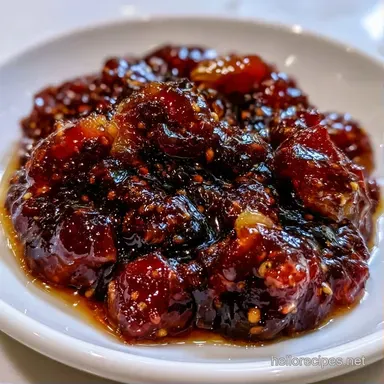
Whole Fig Jam Recipe with Vanilla Bean
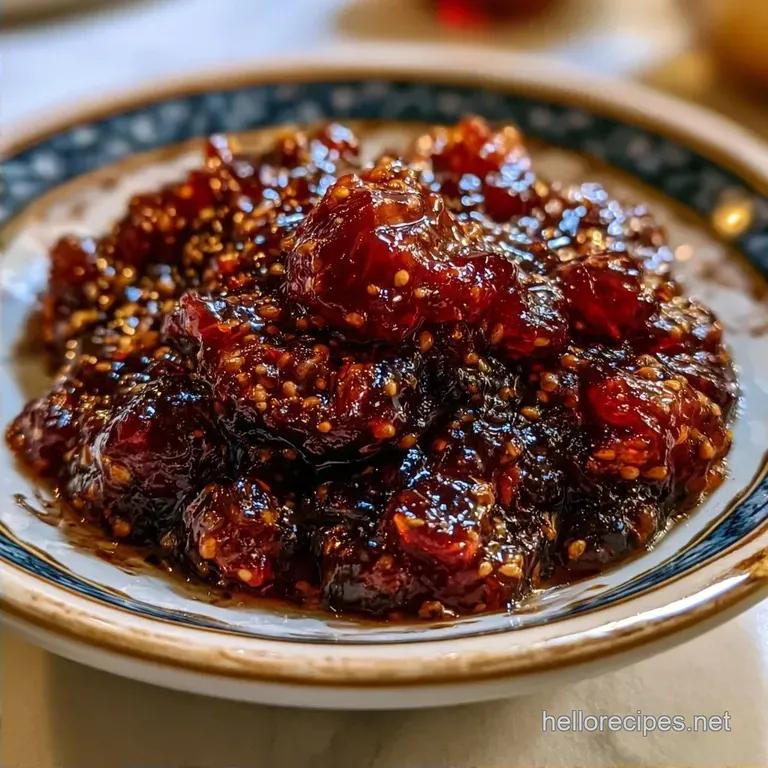
- Time: 10 min active + 23 min cooking
- Flavor/Texture Hook: Honey toned, glossy, and chunky
- Perfect for: Charcuterie boards, morning toast, or gifting
Imagine the scent of warm honey and vanilla filling your kitchen as the fruit bubbles away. I once tried a "quick" version of this that ended up as a thin, purple soup. I kept boiling it for an hour, but it never thickened, and I just had three jars of expensive fig syrup.
The problem was the acid balance. I've since learned that you can't just rely on the fruit. This Whole Fig Jam Recipe fixes that by using lemon juice to help the natural pectin in the figs bond together.
You can expect a spread that is rich and translucent. The figs stay mostly intact, providing a great contrast to the thick syrup. It's a rustic, plant based treat that tastes like late August in a jar.
Simple Whole Fig Jam Recipe
What Makes It Set
- Lemon Juice: The acidity allows the natural pectin in the figs to form a gel, which creates a thick texture without powders.
- Gentle Simmer: Low heat keeps the fruit from breaking down, so you get chunks instead of a puree.
Why These Ingredients Work
| Ingredient | Role | Substitution Tips |
|---|---|---|
| Fresh Figs | Primary flavor and pectin | Dried figs: Soak first; results in a denser jam |
| Lemon Juice | Setting agent | Lime juice: Works well, though it is a bit sharper |
| Vanilla Bean | Warm aromatic layer | Vanilla extract: 1 tsp, but without the visible seeds |
| Sugar | Preservation and shine | Honey: Makes the jam runnier; lower the lemon juice slightly |
Here is everything you'll need to get started.
The Ingredient List
- 2 lbs fresh figs, stemmed and quartered Why this? Offers the chunky base and natural pectin
- 1.5 cups granulated sugar Why this? Reacts with water to develop the jammy texture
- 0.25 cup fresh lemon juice Why this? Crucial for the chemical setting process
- 1 tbsp lemon zest, finely grated Why this? Contributes a bright, floral aroma
- 1 vanilla bean, split and scraped Why this? Enriches the sweetness with earthy warmth
- 0.25 tsp fine sea salt Why this? Offsets the sugar to balance the overall taste
The Right Tools
While a professional kitchen isn't necessary, using a heavy bottomed pot is key. Thin walled cookware can overheat in certain areas, burning the sugar and ruining the flavor. I prefer using a Dutch oven. You will also need some small 350g glass jars and a chilled ceramic plate for testing the set.
Bringing It All Together
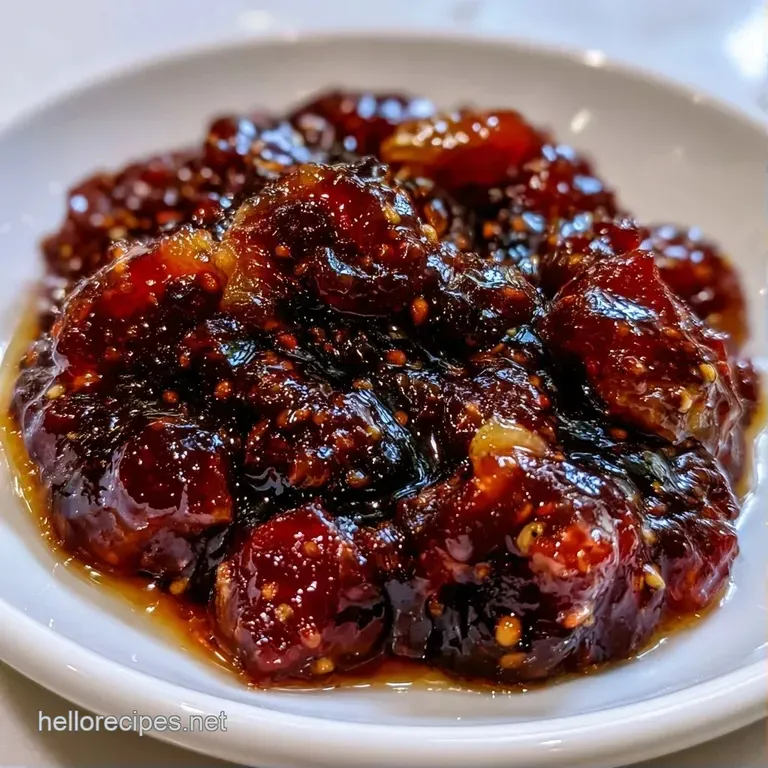
Phase 1: The Maceration
Mix the quartered figs, sugar, lemon juice, and lemon zest in a heavy bottomed pot. Allow them to rest for 10-15 minutes. You'll notice the sugar dissolving as the figs release their juices to create a natural syrup.
Phase 2: The Slow Simmer
Heat the pot over medium until the liquid begins to bubble, then immediately drop the temperature to low for a gentle simmer. Cook for 20 minutes, stirring occasionally while being careful not to crush the fruit. The goal is a thickened syrup and figs that look glossy and translucent.
Phase 3: The Finishing Touch
Add the salt and scraped vanilla bean during the final 2 minutes of cooking to keep the vanilla flavor bright.
Phase 4: The Plate Test
Spoon a small amount of jam onto a chilled ceramic plate. After a brief moment, slide your finger across the surface. If the jam wrinkles and doesn't flow back, your Whole Fig Jam Recipe is perfectly set.
| Method | Texture | Effort |
|---|---|---|
| Stovetop | Glossy and clear | Active stirring |
| Oven | Concentrated and jammy | Hands off |
Adjusting Your Result
Depending on your taste, you might want to tweak the final output. Some people prefer a sharper tang, while others want it more like a preserve.
| Goal | What to change |
|---|---|
| Tangier taste | Add 1 tbsp lemon juice |
| More chunky | Stir less often |
| Deep sweetness | Add 2 tbsp brown sugar |
Avoiding Kitchen Disasters
Jam Stays Runny
This usually happens if the figs were overly ripe, as they have less pectin. Just simmer the jam for another 5-10 minutes. If it still won't set, a tiny bit more lemon juice can help.
Too Much Foam
A white foam often rises to the top during the first few bubbles. You can skim this off with a spoon for a clearer look, though it doesn't affect the flavor.
Fruit Gets Mushy
This is the result of over stirring. Use a silicone spatula and gently fold the fruit rather than stirring in circles.
| Problem | Root Cause | Solution |
|---|---|---|
| Runny Jam | Low pectin/Overripe fruit | Simmer longer or add lemon juice |
| Burnt Bottom | Heat too high/Thin pot | Use low heat and heavy cookware |
| Dull Color | Not enough acid | Add a squeeze of fresh lemon |
Adding Your Own Twist
If you love this fruit profile, you might like my faster fig jam for a version that's ready even sooner. For this Whole Fig Jam Recipe, I love adding a pinch of cinnamon or a splash of brandy at the end for a more festive vibe.
For an Earthy Twist
Try replacing the vanilla bean with a star anise pod during the simmer. It adds a subtle licorice note that pairs beautifully with goat cheese.
For a Savory Profile
Add a pinch of cracked black pepper. It sounds strange, but the heat cuts through the sugar and makes it an incredible topping for grilled meats.
Storage and Waste Tips
Transfer the jam into clean jars and let them cool completely before sealing. In the fridge, this lasts about 3 weeks. If you're canning for the long term, use a water bath for 10 minutes. You can also freeze the jam for up to 6 months, though the texture can become slightly more grainy.
To avoid waste, don't toss the fig stems. I put mine in a jar of water in the fridge to make a light, fruity infusion. For other pantry staples, check out how I make savory baked beans to keep your shelves stocked.
Debunking Jam Myths
You don't actually need commercial pectin powders to achieve a thick consistency. With the right balance of sugar and acid (lemon juice), the fruit's own natural pectin is sufficient. It's also a misconception that a harder boil speeds up the setting process.
In reality, overheating can destroy the pectin structure, resulting in a runny syrup that won't thicken. Patience and gentle heat are key.
Serving and Styling
This jam is a star on any cheese board. I suggest pairing it with a sharp Manchego or a creamy Brie. The way the salty notes of the cheese complement the honey like sweetness of the jam is brilliant.
For a breakfast treat, spread some over toasted sourdough and add a dollop of ricotta. The result is a silky texture that feels like a gourmet brunch. If you're feeling adventurous, apply it as a finish for roasted pork tenderloin, brushing it on during the last 10 minutes of cooking.
The deep mahogany color looks stunning in small Weck jars tied with twine. It's a simple gift that looks like it took hours to prepare, even though the actual cook time is only 23 minutes. Trust me, the vanilla specks provide a professional finish.
Recipe FAQs
Should I peel the skins off figs for jam?
Leave the skins on as they provide essential structure and deep color.
Tip: Quarter the fruit to ensure they cook evenly in the syrup.
Is it true that commercial pectin is required for fig jam to set?
Actually, no. The natural pectin in figs combined with lemon juice is enough to achieve a stable set.
Tip: Use the chilled plate test to verify the jam wrinkles before you stop cooking.
How to thicken fig jam without pectin?
Simmer the mixture gently for approximately 20 minutes until the syrup reduces and the fruit looks translucent.
Tip: Stir occasionally and carefully to avoid mashing the fruit into a puree.
What makes homemade fig jam taste balanced?
A combination of granulated sugar, lemon juice, lemon zest, and sea salt cuts through the intense sweetness.
Tip: If you enjoyed balancing these flavors here, see how the same acid technique works in our classic fruit salad.
Whole Fig Jam Recipe