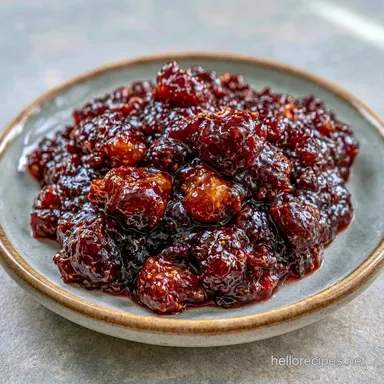
French Fig Jam Recipe with Fresh Figs
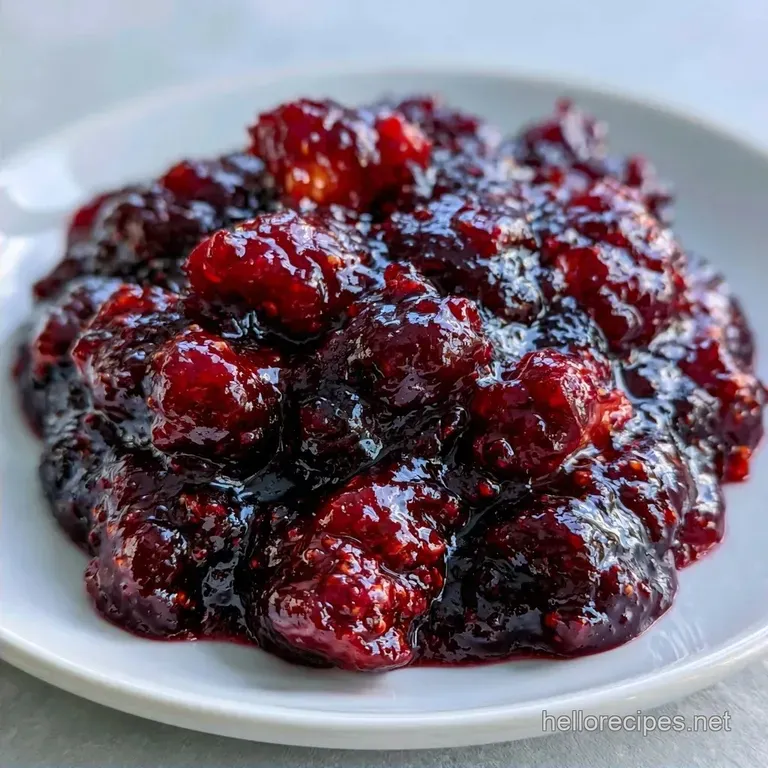
- Time: 20 minutes prep + 30 minutes simmering
- Profile: Thick, glossy and honeyed
- Ideal for: Charcuterie boards or fancy breakfasts
French Fig Jam Recipe
Have you ever noticed how fig jam in French bistros has a profound, honey like depth that store-bought versions often lack? Achieving that rich, dark mahogany color requires a specific balance of acidity and slow simmering.
It is not just about the quality of the fruit, but how the sugar interacts with the fig's natural structure.
I remember a batch I made years ago where I omitted the lemon juice. I ended up with a sugary syrup that refused to set, regardless of how long I boiled it. This failure demonstrated that acid is the real engine behind a successful jam.
The result is a preserve that is thick while maintaining those lovely little seeds for texture. This French Fig Jam Recipe doesn't rely on store-bought pectin, offering a cleaner, more traditional way to preserve the harvest.
How These Flavors Bond
- Natural Pectin: Figs have their own pectin, but it needs acid to bond. The lemon juice lowers the pH, which lets the jam thicken on its own.
- Sugar Saturation: Sugar binds to the water in the fruit. This prevents spoilage and creates that glossy, spreadable texture.
Key Recipe Specs
| Component | Purpose | Substitute Notes |
|---|---|---|
| Fresh Figs | Main body and flavor | Dried figs work but require soaking and more liquid |
| Granulated Sugar | Preservation and set | Honey adds a floral note but makes the jam softer |
| Lemon Juice | Activates pectin | Lime juice works for a sharper, more tropical hit |
I usually prefer using Black Mission figs for this because they have a deeper color. If you find your figs are too ripe and mushy, just be extra gentle when stirring.
The Main Ingredients
- 2 lbs (900g) fresh figs, stemmed and quartered
- 3 cups (600g) granulated sugar Why this? Ensures the structure required for extended storage
- ¼ cup (60ml) fresh lemon juice Why this? Creates a natural set without the need for pectin
- 1 tsp (5ml) vanilla extract
- ¼ tsp (1.5g) fine sea salt
Be sure to use freshly squeezed lemon juice. Bottled alternatives often lack the sharp acidity needed to balance out the intense sweetness of the figs.
Tools You'll Need
A heavy bottomed pot is essential for this process. Avoid thin cookware, as it can produce hot spots that scorch the sugar and leave a bitter taste. I personally use a stainless steel Dutch oven. You'll also need a slotted spoon for stirring and a few sterilized half pint jars.
Bringing It Together
- Wash the fresh figs thoroughly and pat them dry. Remove the stems and cut each fig into quarters, then place them in a heavy bottomed pot.
- Add the granulated sugar, lemon juice, vanilla, and salt to the figs.
- Stir gently and let the mixture sit for 10 to 15 minutes. Note: This maceration lets the sugar draw out the juices naturally.
- Place the pot over medium heat and bring the mixture to a gentle boil.
- Reduce the heat to a simmer.
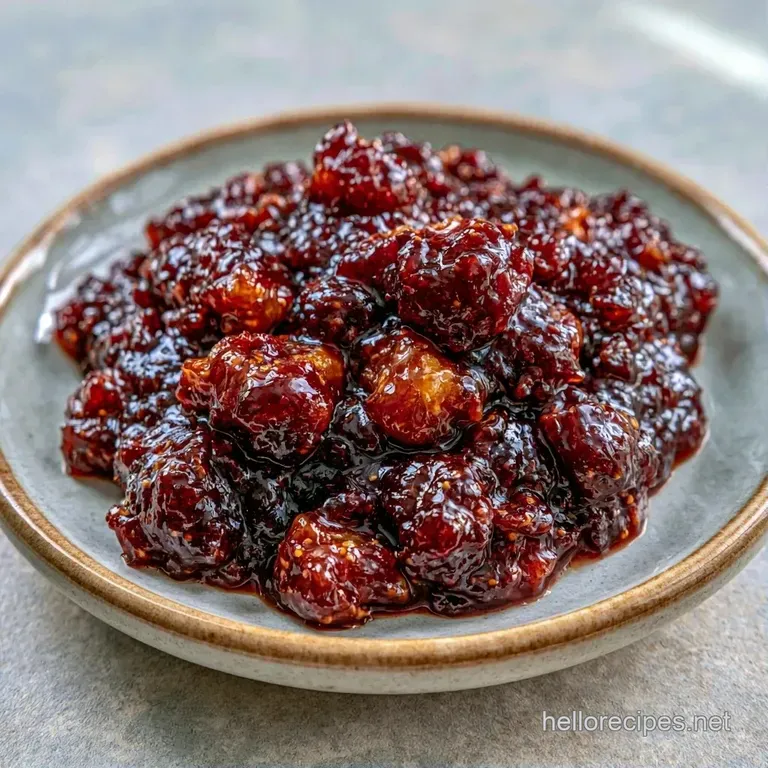
- Stir frequently with a slotted spoon. Cook for 20–30 minutes until the mixture thickens and looks glossy.
- Perform the plate test: drop a small amount of jam on a chilled plate. If it wrinkles when pushed with your finger, it has reached the set point.
- Carefully ladle the hot jam into sterilized jars, leaving ¼ inch (6mm) of headspace.
Chef's Tip: To get an even deeper flavor, add a pinch of cinnamon or a grating of fresh ginger during the simmering stage.
Fixing Common Problems
If your jam isn't setting, it's usually an acidity issue. I've seen this happen when figs are incredibly ripe and naturally lower in acid. Most of the time, a few more minutes of simmering or a splash more lemon juice solves it.
Another issue is foam. You'll see a white froth on top while it boils. You can skim this off with a spoon, or just stir in a tiny bit of butter at the start to keep it down.
Fixing Runny Jam
Return the jam to the pot and add one tablespoon of lemon juice. Simmer for another 5-10 minutes to help the pectin bond.
Preventing Sugar Crystals
Stir gently and avoid over mixing once the jam starts to thicken. This keeps the sugar from grouping together into grains.
Stopping Excessive Foaming
Use a wider pot to allow more evaporation. Skim the foam manually every 10 minutes for a clearer finish.
| Problem | Root Cause | Solution |
|---|---|---|
| Runny Texture | Low acidity or undercooked | Add lemon juice and simmer longer |
| Grainy Feel | Sugar recrystallized | Stir in a teaspoon of corn syrup or simmer more |
| Burnt Bottom | Heat too high | Reduce flame and use a heavy bottomed pot |
Make It Your Own
For a savory twist, stir in a pinch of cracked black pepper. It creates a brilliant contrast with the honeyed figs. If you want a lighter version, you can replace a third of the sugar with maple syrup, though it will be slightly less firm.
This jam is a dream on some toasted honey butter sourdough. The saltiness of the bread brings out the fruit's depth.
- For a firmer set
- simmer for an extra 5 minutes.
- For a chunkier preserve
- quarter the figs into larger pieces.
- For a floral note
- swap vanilla for a drop of orange blossom water.
Storage and Waste Tips
Once opened, store the jam in the refrigerator for no more than 3 weeks. To preserve it for longer, utilize a water bath canner. Don't discard any remaining fig stems; they are perfect for the compost pile or for infusing a quick vinegar to use in salad dressings.
Because this Traditional French Fig Jam Recipe is best enjoyed cool, proper storage is key. Storing the jam in plastic containers in the freezer works for 6 months, although the consistency may soften slightly upon thawing.
Serving Suggestions
This pairs wonderfully with goat cheese or a sharp brie; the sweet jam creates a delicious contrast with the tanginess of the cheese. When serving brunch, try pairing it with fresh berries and homemade dinner rolls.
You can also mix a spoonful into Greek yogurt or brush it onto a roasted pork tenderloin. This versatile condiment is a great addition to any meal, from breakfast through dinner.
Jam Myths
You don't actually need store-bought pectin to achieve a thick consistency. By balancing the proportions of fruit, acid, and sugar, you can rely on the natural pectin already present in the ingredients.
It's also a misconception that boiling jam for hours increases its shelf life. In reality, overcooking breaks down the pectin and dulls the vibrant taste of the fruit. For the best outcome, keep the cooking time to 30 minutes.
Recipe FAQs
How to make French fig jam?
Wash the fresh figs thoroughly and cut them into quarters. Combine them with sugar, lemon juice, vanilla, and salt, then simmer for 20-30 minutes until the mixture is glossy.
Do you peel figs for jam?
No, leave the skins on. The skins contain natural pectin that helps the jam set and provides a better overall texture.
Is it true that commercial pectin is required for fig jam to set?
No, this is a common misconception. The combination of natural pectin in the fruit and the acidity from the lemon juice creates a stable set.
What is the best way to thicken preserves without pectin?
Simmer the mixture for 20 30 minutes until it reaches a glossy consistency. Use the plate test by dropping a small amount on a chilled plate to ensure it wrinkles when pushed.
Which ingredients create a balanced homemade fig jam?
Combine fresh figs, granulated sugar, and lemon juice. Adding a pinch of sea salt and vanilla extract rounds out the sweetness for a professional result.
Are dried figs necessary for a thicker consistency?
Not true. Fresh figs provide the ideal balance of moisture and natural pectin required for this Traditional French recipe.
Can I add extra flavorings to the pot?
Stick to the provided vanilla and lemon to maintain an authentic flavor profile. If you enjoyed mastering the reduction process here, the same principle works in our pan sauce for roasted chicken.
French Fig Jam Recipe