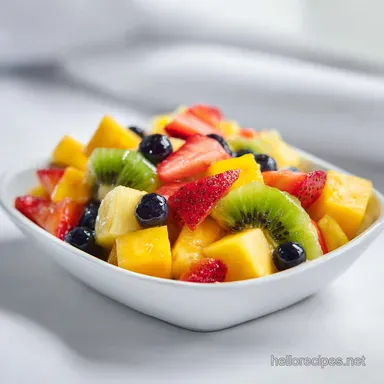
Classic Fruit Salad: Zesty Honey Lime
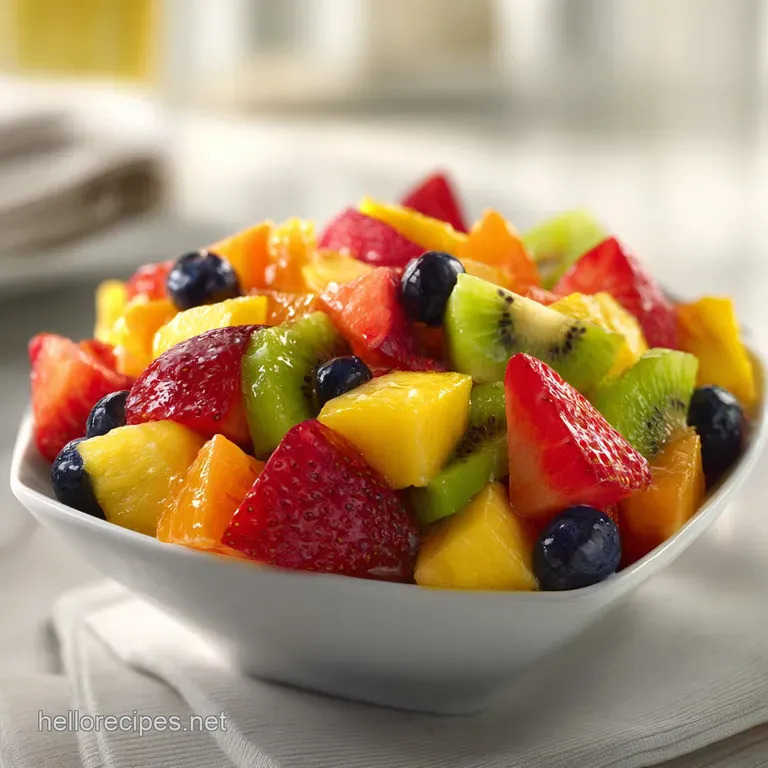
- Time:20 minutes active = Total 20 minutes
- Flavor/Texture Hook: Zesty, juicy, and vibrant with a silky glaze
- Perfect for: Potlucks, summer brunches, or a fast healthy side
That sharp, citrusy scent of fresh lime zest hitting a bowl of cold fruit is basically summer in a bowl. I remember bringing a fruit bowl to a family reunion a few years back, and by the time it hit the table, it was a disaster.
The watermelon had leaked everywhere, the berries were swimming in a pale pink liquid, and the whole thing looked like it had been sitting in the sun for three days. It was a complete "fruit soup" fail.
The problem isn't the fruit - it's the lack of a proper barrier. Most people just chop things up and hope for the best, but without a stabilizer, the sugar in the fruit pulls water out of the cells, leaving you with mush.
This classic fruit salad fixes that by using a specific honey lime glaze that coats the produce, locking in the moisture while adding a bright, tangy punch.
You can expect a bowl that stays vibrant and fresh for hours. We're talking about a mix of textures, from the snap of fresh blueberries to the buttery give of a ripe mango. It's a budget-friendly way to get a massive amount of nutrients on the table without spending hours prepping. Let's crack on.
The Best Classic Fruit Salad Recipe
The beauty of this recipe is in the balance. We aren't just throwing random produce into a bowl; we're zoning the flavors. You've got the deep sweetness of mango and pineapple, the tartness of kiwi, and the refreshing snap of grapes.
When you toss them in a honey lime syrup, it creates a cohesive flavor profile rather than just a pile of separate fruits.
I've found that using a mix of berries and tropical fruits provides the best visual appeal. A classic fruit salad should look like a rainbow, and the lime juice doesn't just add flavor - it keeps the colors popping. Trust me on this, don't skip the zest.
The juice provides the acidity, but the zest provides the aromatic oils that make the whole dish smell fresh.
If you're feeding a crowd, this is the most efficient way to do it. You can prep the bulk of the fruit in advance and whisk the glaze in a separate jar. When you're ready to serve, just fold it all together. It's a low stress way to bring something healthy to the party that people actually want to eat.
Recipe Specs
For those who like a quick glance at the logistics, here's the breakdown. This is a fast, no cook process that relies entirely on the quality of your produce.
| Feature | Detail |
|---|---|
| Total Time | 20 minutes |
| Servings | 8 people |
| Difficulty | Beginner |
| Primary Note | Use ripe but firm fruit |
Since this recipe is often used for parties, you might be wondering about the best way to present it. I usually suggest a wide, shallow bowl rather than a deep one. This prevents the fruit at the bottom from getting crushed under the weight of everything else, keeping those delicate strawberries intact.
Glaze Logic
Understanding why this works helps you tweak it later. It's not just about taste; it's about how the ingredients interact on a molecular level.
- Osmotic Shield: Honey increases the viscosity of the dressing, creating a thin film that slows down the release of water from the fruit cells.
- Enzymatic Brake: The citric acid in lime juice slows down the oxidation process, which is why the kiwi and mango don't turn brown as quickly.
- Surface Tension: The honey lime mixture clings to the smooth skins of blueberries and grapes, ensuring the flavor is distributed evenly rather than pooling at the bottom.
- Flavor Bridge: The lime zest contains limonene, which acts as a bridge between the creamy sweetness of the mango and the sharp acidity of the pineapple.
The interaction between the honey and the lime juice is essentially a simple syrup. According to Serious Eats, managing the balance of sugar and acid is key to preventing fruit from breaking down too quickly.
| Method | Time | Texture | Best For |
|---|---|---|---|
| Fast Prep | 10 mins | Softer | Quick weekday breakfast |
| Classic Prep | 20 mins | Crisp/Uniform | Parties and potlucks |
Component Analysis
Not all fruit is created equal in a classic fruit salad. Some bring the structure, while others bring the juice.
| Ingredient | Science Role | Pro Secret |
|---|---|---|
| Honey | Viscosity Agent | Use a mild clover honey to avoid overpowering the fruit |
| Lime Juice | pH Regulator | Always use fresh limes; bottled juice tastes metallic |
| Pineapple | Texture Base | Cut into exactly 1/2 inch cubes for consistent mouthfeel |
| Strawberries | Color/Acid | Pat them bone dry after rinsing to prevent dilution |
Ingredients and Substitutes
Stick to these quantities for the best result. I've listed a few budget-friendly swaps if you can't find everything at your local store.
- 1 lb strawberries, hulled and quartered Why this? Adds essential red color and tartness
- 2 cups pineapple, diced into bite-sized chunks Why this? Provides a tropical, juicy foundation
- 1 cup blueberries, fresh and whole Why this? Adds a "pop" of texture
- 3 medium kiwi, peeled and sliced into half moons Why this? Contrasting green color and tang
- 1 cup grapes, halved Why this? Adds sweetness and structure
- 1 large mango, diced Why this? Buttery texture that carries the glaze
- 2 cups mandarin oranges, peeled segments Why this? Bright citrus notes
- 3 tbsp honey Why this? Natural sweetener and thickener
- 2 tbsp fresh lime juice Why this? Prevents browning and adds zest
- 1 tsp lime zest Why this? Concentrated citrus aroma
| Original Ingredient | Substitute | Why It Works |
|---|---|---|
| Honey (3 tbsp) | Maple Syrup (3 tbsp) | Similar viscosity. Note: Adds a woody, autumn flavor |
| Fresh Pineapple | Canned Pineapple (drained) | Consistent sweetness. Note: Softer texture, less "zing" |
| Fresh Mango | Peaches (diced) | Similar sweetness and softness. Note: Less tropical profile |
| Fresh Lime | Lemon Juice | Similar acidity. Note: Less aromatic than lime |
Right then, before we move to the steps, make sure your fruit is at room temperature if you want the honey to incorporate more easily, or ice cold if you're serving it immediately.
Step by step Process
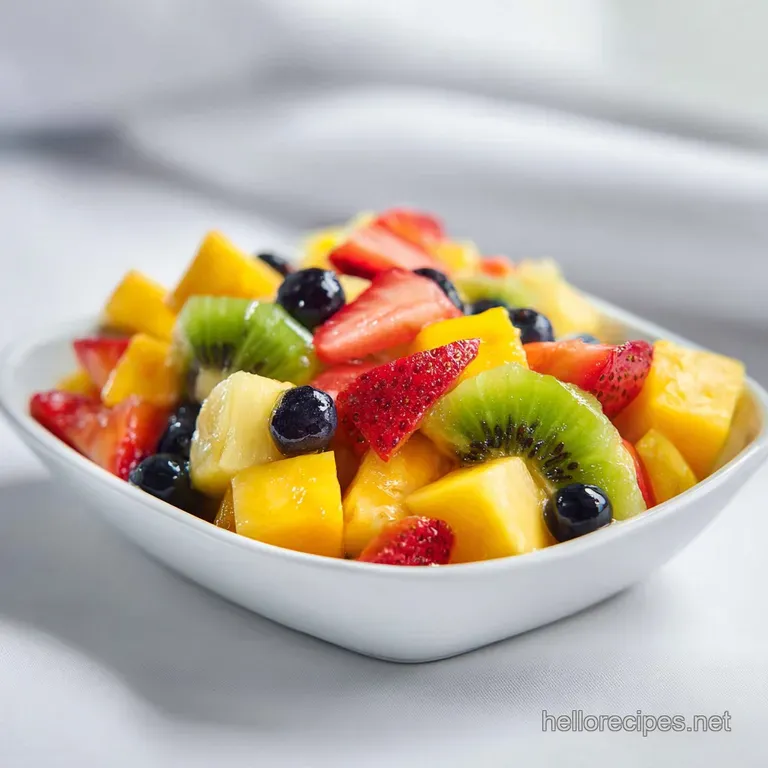
Follow these steps exactly to avoid the "fruit soup" scenario. The key is the order of operations and the gentleness of the toss.
- Rinse all fruit under cold water and pat berries dry. Note: Excess water will dilute the glaze.
- Dice the pineapple, mango, and kiwi into uniform 1/2 inch cubes. Continue until all pieces are roughly the same size for a professional look.
- Slice the strawberries and grapes, then combine all fruit in a large mixing bowl.
- In a small separate bowl, whisk together the honey, fresh lime juice, and lime zest.
- Stir the glaze until the honey is fully integrated and the mixture is a translucent syrup.
- Pour the glaze over the fruit.
- Use a large rubber spatula to gently fold the fruit from the bottom up.
- Fold until every piece is glistening but the berries remain whole and unbruised.
- Let the salad sit for 10 minutes before serving to allow the glaze to set.
Chef's Tip: To get the most zest out of your lime, grate only the green part. The white pith underneath is bitter and can ruin the bright flavor of your classic fruit salad.
Common Fixes For Fruit
Even with a great recipe, nature can be unpredictable. Sometimes a mango is too tart or a pineapple is too watery.
Preventing Fruit Soup
If you notice liquid pooling at the bottom, it's usually because the fruit was overripe or too much salt/sugar was added too early. The honey lime glaze helps, but avoid adding the glaze more than 2 hours before serving.
Avoiding The Brown Tint
Oxidation happens fast with kiwis and mangoes. If you're prepping ahead, toss the pieces in a bit of extra lime juice before adding the rest of the ingredients. This creates an extra acidic barrier.
Balancing Too Much Tartness
If your berries are particularly sour, don't just add more honey. Add a pinch of salt. Salt suppresses bitterness and enhances the natural sweetness of the fruit without making the dish taste like syrup.
| Problem | Root Cause | Solution |
|---|---|---|
| Mushy texture | Over mixing or overripe fruit | Fold gently; select firm ripe produce |
| Bland flavor | Lack of acidity | Add an extra teaspoon of lime zest |
| Watery base | Wet fruit after rinsing | Pat berries dry with a paper towel |
Quick Success Checklist:
- ✓ Fruit is cut into uniform 1/2 inch pieces
- ✓ Berries are patted dry before mixing
- ✓ Honey and lime are fully whisked into a syrup
- ✓ Fruit is folded gently, not stirred aggressively
Adjusting Portion Sizes
Scaling a classic fruit salad is simple, but you can't just multiply everything linearly if you're going massive.
Scaling Down (1/2 Batch): Use a medium bowl and reduce the honey to 1.5 tbsp and lime juice to 1 tbsp. Since there's less volume, you don't need as much glaze to achieve the same coating.
Scaling Up (2x-4x Batch): When doubling, increase the fruit exactly, but only increase the honey and lime juice to 1.5x. Too much glaze in a large batch can lead to a sticky, syrupy bottom. Work in batches if your bowl isn't large enough to allow for gentle folding.
Precision Checkpoints for Large Batches:
- 1/2 inch cubes: Keep this size regardless of volume.
- 20 minutes: Prep time increases, but the mixing process stays the same.
- 3 tbsp honey: Base ratio for every 5-6 cups of fruit.
If you're looking for a different kind of fruit based treat, you might enjoy the creamy texture of a Classic Ambrosia Salad, which uses a different binding agent.
Fruit Myths
Let's clear up a few things I've seen in other blogs that just aren't true.
Myth: Adding sugar prevents fruit from browning. Truth: Sugar actually draws water out of the fruit through osmosis, which can actually speed up the breakdown. Acid (like lime juice) is what actually inhibits the enzymes that cause browning.
Myth: Frozen fruit is always inferior. Truth: For mangoes and pineapples, frozen is often picked at peak ripeness and flash frozen. As long as you thaw them slowly in the fridge and drain the excess liquid, they work great in a classic fruit salad.
Myth: You should mix the salad 24 hours in advance. Truth: This is a recipe for disaster. The longer the fruit sits in the glaze, the more the cell walls break down. For the best snap, mix it 1-2 hours before eating.
Storage Guidelines
To keep your classic fruit salad fresh, store it in an airtight glass container in the fridge. It will stay crisp for about 2-3 days. After that, the textures start to soften, and the colors may fade.
Freezing: I don't recommend freezing the finished salad because the lime juice and honey will change consistency, and the fresh berries will turn to mush upon thawing. However, you can freeze the fruit base (without the glaze) and thaw it for a quick smoothie.
Reheating: Obviously, you won't reheat this, but if it's too cold from the fridge, let it sit at room temperature for 15 minutes. This brings out the natural sugars and aromas of the mango and pineapple.
Zero Waste Tips: Don't toss the pineapple core or the mango pit. You can blend the pineapple core into a smoothie or use the mango pit to make a quick infused syrup for cocktails. The lime rinds can be dried and used for zest in future recipes.
Perfect Complements
A classic fruit salad is a great standalone dish, but it shines when paired with something savory or creamy.
If you're planning a full spread, this pairs beautifully with a Broccoli Salad recipe for a contrast of salty and sweet. The crunch of the bacon and the creaminess of the broccoli dressing balance the acidity of the lime glaze.
For a brunch setting, serve this alongside some fluffy pancakes or a savory quiche. The brightness of the fruit cleanses the palate between heavier bites. If you want something even more decadent, try serving it over a scoop of vanilla bean ice cream or a dollop of Greek yogurt for a healthier twist.
Final Decision Shortcut
- Want it creamy? Fold in 1/2 cup of Greek yogurt or a bit of whipped cream.
- Want it punchy? Add a pinch of chili powder or Tajin for a Mexican inspired kick.
- Want it budget-friendly? Swap the fresh mango for canned peaches.
Recipe FAQs
What's in a classic fruit salad?
A colorful mix of strawberries, pineapple, blueberries, kiwi, grapes, mango, and mandarin oranges. These are combined with a glaze of honey, fresh lime juice, and lime zest.
What is the secret to a good fruit salad?
Dice all fruit into uniform 1/2-inch cubes. This ensures a balanced bite of every flavor and a professional appearance. If you enjoyed mastering the consistency here, see how similar precision works in our fresh peaches recipe.
What fruits should not be mixed in fruit salad?
Avoid adding fruits that brown quickly or release excessive moisture. Sticking to the official mix of berries, tropical fruits, and citrus keeps the colors vibrant and the texture crisp.
How to stop the salad from becoming "fruit soup"?
Pat berries dry immediately after rinsing. Excess water dilutes the honey-lime glaze and encourages the fruit to release its own juices too quickly.
Is it true that frozen fruit works as well as fresh for this recipe?
No, this is a common misconception. Frozen berries release too much moisture and turn mushy upon thawing, which ruins the texture of the fresh pineapple and mango.
How to prepare the honey-lime glaze?
Whisk together honey, fresh lime juice, and lime zest in a small bowl. Stir until the honey is fully integrated and the mixture becomes a translucent syrup.
How long can I store the salad in the fridge?
Store it for 2-3 days in an airtight glass container. After this window, the fruit textures will begin to soften and the colors may fade.
Classic Fruit Salad in 30 Minutes