The Ultimate Velvety Chicken Alfredo Restaurant Quality Home Cook Friendly
- Beyond the Basics: Why This Chicken Alfredo Recipe Works
- Cracking the Code: The Secret to a Stable, Silky Sauce
- The Pantry Checklist for Luxurious Chicken Alfredo
- Essential Tools for Emulsion Mastery
- Phase One: Perfecting the Pan-Seared Chicken
- Phase Two: Building the Velvety Alfredo Sauce Base
- Bringing It All Together: The Final Marriage of Pasta and Sauce
- Solving Common Kitchen Crises (Troubleshooting the Sauce)
- Serving Suggestions and Perfect Pairings
- Storage, Freezing, and Reheating Leftover Chicken Alfredo
- Customizing Your Plate: Ingredient Swaps and Variations
- Recipe FAQs
- 📝 Recipe Card
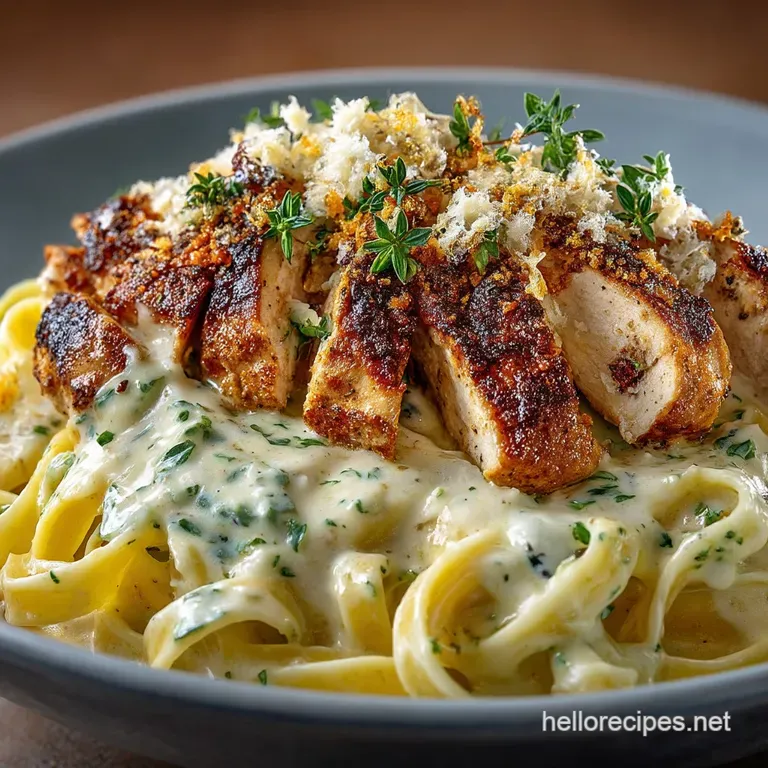
Beyond the Basics: Why This Chicken Alfredo Recipe Works
The beloved classic, Chicken Alfredo, is often reduced to a heavy, greasy bowl of white sauce. But when executed properly, it transforms into an elegant, deeply satisfying meal defined by its seamless texture.
This particular chicken alfredo recipe elevates the standard by focusing entirely on technique, ensuring you achieve a luxurious, velvety consistency every single time.
While the original Roman fettuccine Alfredo relied solely on butter and copious amounts of finely grated Parmesan, we’ve adapted it, incorporating heavy cream for enhanced stability. This is what modern kitchens expect from a Creamy Chicken Alfredo Recipe .
By controlling temperature meticulously and utilizing the potent binding power of starchy pasta water, we create a stable emulsion that perfectly coats every strand of pasta without separating.
It is the ultimate expression of sophisticated Comfort Food Recipes , making rich ingredients manageable and unforgettable.
Cracking the Code: The Secret to a Stable, Silky Sauce
The secret to preventing the dreaded grainy or broken sauce lies not just in the ingredients, but in the specific way they are introduced. We use room temperature heavy cream and cold, cubed butter.
This temperature differential helps create a tight emulsion when combined with the 1.5 cups of freshly grated Parmesan Reggiano. The crucial step is removing the skillet from the heat entirely before integrating the cheese; this prevents the milk solids from seizing up, ensuring the resulting chicken alfredo sauce is pure silk.
The Time Investment: How Long Does This Meal Take?
Despite delivering restaurant quality results, this dish remains wonderfully efficient. The total time commitment, from prepping the 2 large chicken breasts to serving the final dish, clocks in at just 40 minutes .
With only 15 minutes dedicated to active prep (slicing and grating) and 25 minutes for cooking, it genuinely qualifies as an Easy Homemade Pasta Dinner perfect for busy schedules.
Sourcing the Best Ingredients for Max Flavor
For a dish with so few components, quality is absolutely paramount. The savory depth of the chicken alfredo pasta starts with fresh garlic and high-quality unsalted butter. Most importantly, avoid pre-grated cheese. The anti caking agents in those bags will almost guarantee a grainy sauce.
Use 1.5 cups of genuine Parmesan Reggiano, grated finely right before use. The richness of the 2 cups of heavy cream provides the body, while a hint of freshly grated nutmeg (the secret ingredient!) adds a warm, authentic layer of flavor.
Is This Truly an Easy Weeknight Dinner?
While the technique for the sauce requires focus, the ingredient list is short and the overall timing is swift. Given the ability to achieve a complex flavor profile in under an hour, this recipe fits perfectly into the roster of excellent Weeknight Dinner Ideas .
It is rated "Medium" difficulty, primarily because the step of temperature control during cheese integration cannot be rushed or ignored. However, once mastered, the process is incredibly straightforward.
The Difference Between Traditional and Modern Chicken Alfredo
The original Alfredo, popularized in Rome, was primarily butter (6 Tbsp) and Parmesan (1.5 cups). This classic version, though revered, is notoriously tricky to stabilize in a home kitchen, often relying on the sheer richness of the butter and cheese proteins.
This modern chicken alfredo recipe includes 2 cups of heavy cream. The cream provides a reliable fat base that prevents the sauce from splitting, giving the finished dish a luxurious, clingy body essential for supporting the pan-seared chicken.
The Pantry Checklist for Luxurious Chicken Alfredo
To begin this indulgent meal, gather the core ingredients: 2 large boneless, skinless chicken breasts (about 1.5 lb total), which should be sliced horizontally into thinner cutlets; 12 ounces of fettuccine pasta; 6 tablespoons of high-quality unsalted butter, pre-cut and chilled; 3 cloves of finely minced fresh garlic; 2 cups of heavy cream, crucially brought to room temperature; and the non-negotiable 1.5 cups of freshly and finely grated Parmesan Reggiano.
Finish the seasoning profile with kosher salt, fresh black pepper, and that delicate pinch of nutmeg.
Essential Tools for Emulsion Mastery
The right equipment significantly simplifies the process. You will need a large stockpot for boiling the pasta (don’t forget to salt the water heavily!). The most crucial tool is a 12 inch, heavy bottomed skillet, preferably cast iron.
Its ability to retain heat evenly is vital for searing the chicken and later for holding the residual heat needed to melt the cheese. A sturdy whisk and a microplane or fine grater for the Parmesan are also non-negotiable for achieving that signature smooth chicken alfredo sauce .
Choosing the Right Pasta Shape (Fettuccine vs. Alternatives)
We utilize 12 ounces of fettuccine, as its wide, flat surface area is ideally suited to catch and hold the rich, thick sauce. Fettuccine ensures a high sauce-to-noodle ratio in every bite. However, long, flat alternatives like linguine or tagliatelle are excellent choices.
For those who prefer shorter shapes, a tubular pasta like penne or rigatoni can capture the sauce within their ridges and holes.
Prepping the Chicken Breast for Even Cooking
For the 700g of chicken breast, we maximize searing surface and minimize cook time by slicing each breast horizontally into two thinner cutlets, yielding four pieces total. This ensures quick cooking 4 to 5 minutes per side and guarantees the chicken remains juicy upon reaching its internal temperature of 165° F ( 74° C).
Always pat the cutlets bone dry before seasoning to encourage a flawless golden brown sear.
The Exact Ratio of Parmesan to Cream
The balance of fat and protein is everything here. We use 1.5 cups of packed, finely grated Parmesan combined with 2 cups of heavy cream, stabilized further by 6 tablespoons of butter.
This ratio guarantees the sauce is structurally sound, thick enough to cling to the chicken alfredo pasta , and intensely flavorful without tasting overwhelmingly of cream.
Kitchen Gadgets That Streamline the Process
Beyond the basic skillet, the Microplane grater is your best friend. Its ability to turn Parmesan into feathery snow means the cheese melts instantly and smoothly into the warm liquid, virtually eliminating the risk of lumpiness.
Tongs are also essential for safely managing the hot pasta and flipping the chicken cutlets during the searing phase.
Phase One: Perfecting the Pan-Seared Chicken
Phase One begins by preparing the four chicken cutlets with salt and pepper. Heat 2 tablespoons of olive oil and 1 tablespoon of butter in the large skillet over medium high heat. When the fat is shimmering, lay the chicken into the pan, ensuring not to crowd the surface.
Sear for 4 to 5 minutes per side until a deep, golden brown crust forms and the internal temperature is reached. Immediately remove the chicken and allow it to rest for 5 minutes before slicing thinly against the grain.
Crucially, do not wipe out the pan ; the savory brown bits, or fond, are the foundation for the sauce’s flavor depth.
Related Recipes Worth Trying
- Wok Masters 30Min GingerSesame Chicken Asian Noodles — Skip the takeaway This 30 Minute Dinner Recipe uses velveting for tender chicken and features massive gingersesame flavour The perfect Weeknight Asian Dinner
- Best Creamy Chicken and Rice Casserole Recipe No Canned Soup — Forget bland weeknight dinners This easy chicken and rice casserole recipe skips the canned soup for a luxurious homemade sauce Pure comfort food bliss
- Quick Creamy Green Thai Chicken Curry Recipe 40 Mins — Nail authentic flavour without the fuss This easy Thai Chicken Curry recipe uses coconut milk for a velvety texture youll crave Simple steps inside
Phase Two: Building the Velvety Alfredo Sauce Base
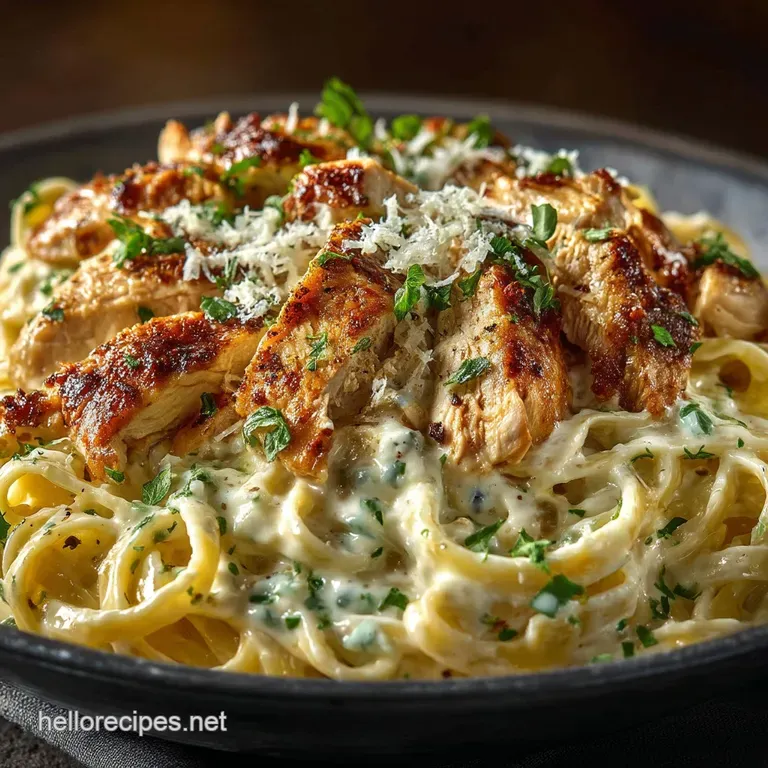
With the chicken resting, reduce the heat to medium low. Add the remaining 6 tablespoons of cold, cubed butter and the 3 minced garlic cloves to the same skillet, stirring constantly.
Sauté only until the garlic is fragrant, about 30 to 60 seconds, being careful that it doesn't brown or burn, which would introduce bitterness. Next, pour in the room temperature heavy cream, stirring to incorporate the buttery garlic mixture and begin dissolving the flavorful fond from the bottom of the pan.
Bring the cream to a very gentle simmer just small bubbles around the edges then season with the salt, pepper, and nutmeg. Allow this to simmer softly for 2– 3 minutes to slightly reduce and intensify the flavors.
Bringing It All Together: The Final Marriage of Pasta and Sauce
Once the fettuccine is cooked al dente (about 8– 10 minutes) in heavily salted boiling water, the final steps of marriage and emulsification commence rapidly.
Before draining the pasta, remember to reserve about 1.5 cups of the starchy cooking water this ingredient is your safety net and binding agent.
Searing the Chicken to Golden Brown Juiciness
The searing phase ensures the 700g of chicken not only cooks safely but develops a deep umami flavor. The quick cook time seals in the moisture, yielding thinly sliced chicken that is perfectly tender and complements the richness of the sauce without being dry.
The Critical Step: Deglazing the Pan for Flavor Depth
As the butter and garlic warm in the Phase Two preparation, they naturally lift the caramelized chicken proteins (fond) left in the pan. This process, known as deglazing, ensures that the robust, savory character of the chicken is infused directly into the developing chicken alfredo sauce , adding complexity that simple dairy alone cannot achieve.
Heating the Cream Without Scorching or Splitting
Because the heavy cream starts at room temperature, it can be brought up to a gentle simmer on medium low heat without shocking the mixture. Overheating cream can cause the fat and liquid components to separate, so maintain a slow, steady temperature and stir continuously while integrating the initial seasonings.
Mastering the Emulsion: Integrating Butter and Cheese
This is the moment of truth for the Creamy Chicken Alfredo Recipe . Remove the skillet completely from the heat source. Working quickly, gradually whisk in the 1.5 cups of finely grated Parmesan Reggiano, adding a large handful at a time.
The residual heat of the cream is sufficient to melt the cheese smoothly. Whisk continuously until the sauce transforms from milky to thick, glossy, and perfectly uniform. This technique prevents the protein in the cheese from tightening up, which is the primary cause of graininess.
Tossing Technique for Maximum Coverage
Immediately add the drained 12 ounces of fettuccine into the finished sauce. Toss the pasta vigorously with tongs to ensure every surface is beautifully coated. If the sauce appears too thick which can happen as it cools add the reserved starchy pasta water, one ladleful at a time, continuing to toss until the sauce achieves the ideal, clinging consistency.
Finally, gently fold in the thinly sliced chicken and serve immediately.
Solving Common Kitchen Crises (Troubleshooting the Sauce)
The greatest potential crisis in preparing this dish is a broken or grainy sauce. A broken sauce looks separated, with pools of grease and watery liquid, while a grainy sauce results from cheese melting under excessive heat. If your sauce is too thick, simply whisk in more of the reserved pasta water.
If it’s too thin, simmer it gently for a minute (before adding the cheese!) to allow the cream to reduce slightly.
Serving Suggestions and Perfect Pairings
This rich chicken alfredo pasta is a magnificent centerpiece, but its depth of flavor demands thoughtful accompaniment. To cut through the substantial fat content, serve alongside a crisp, cold green salad dressed with a bright, acidic vinaigrette (think lemon juice and olive oil).
A slab of warm garlic ciabatta or focaccia is also essential for mopping up every last drop of the silky chicken alfredo sauce . For a perfect wine pairing, opt for a light, unoaked white like Pinot Grigio or a dry, crisp Sauvignon Blanc.
Storage, Freezing, and Reheating Leftover Chicken Alfredo
Due to the high dairy and fat content, Chicken Alfredo can be tricky to reheat successfully, as the emulsion tends to break upon cooling and rewarming. Store leftovers in an airtight container in the refrigerator for up to four days. Freezing is generally not recommended, as the sauce texture will suffer significantly.
To reheat, transfer the pasta to a skillet and heat over very low heat. Add a splash of milk or, ideally, extra heavy cream while gently stirring until warmed through. This added liquid helps restore the creamy consistency.
Customizing Your Plate: Ingredient Swaps and Variations
This core recipe provides an excellent foundation for variation. For a spicy twist, season the chicken with a full tablespoon of Cajun seasoning before searing. If you are substituting the protein, try pan-seared prawns (shrimp), cooking them quickly for two minutes per side before setting aside.
How to Fix a Grainy or Broken Sauce
If your sauce separates or becomes grainy a sign that the heat was too high when the Parmesan was added do not panic. The best fix is to vigorously whisk in one or two tablespoons of the hot, starchy reserved pasta water off-heat.
If the situation is dire, you can try passing the sauce through a fine mesh sieve or using an immersion blender to forcefully re-emulsify the ingredients, incorporating the starchy water as you blend.
Ideal Side Dishes to Complement the Richness
Given the 850 950 kcal estimated per serving, the ideal side dish should provide sharp contrast. A simple side salad or lightly sautéed asparagus with a squeeze of lemon juice introduces acidity and freshness, balancing the substantial Comfort Food Recipes nature of the Alfredo.
Making This Dish Vegetarian or gluten-free
Making the dish vegetarian is simple by omitting the chicken entirely, perhaps replacing it with 8 ounces of sautéed cremini mushrooms and a teaspoon of fresh thyme, which complements the garlic beautifully.
For a gluten-free option, substitute the traditional fettuccine with high-quality gluten-free pasta; the cooking method and sauce building remain the same.
Safely Storing Cooked Chicken and Pasta
To maximize shelf life and safety, store the sliced, cooked chicken and the pasta/sauce mixture in separate, shallow, airtight containers in the refrigerator. This allows both components to cool quickly and maintains optimal quality for up to four days.
Nutritional Snapshot and Serving Sizes
This substantial chicken alfredo recipe yields four generous servings. Each serving is estimated to contain between 850 and 950 kilocalories, reflecting the high fat content derived from the cream, butter, and cheese, while also providing an impressive protein punch of approximately 55 grams, making it a highly satisfying and complete meal.

Recipe FAQs
Why does my Alfredo sauce always split or get grainy, and how do I avoid that catastrophe?
This culinary tragedy usually occurs because the sauce got too hot after the dairy was added. The protein in the cheese seizes up when overheated, causing it to separate into oily fat and clumps. The critical trick here is to remove the skillet completely from the hob before you whisk in the finely grated Parmesan.
Use only the residual heat from the cream to achieve that gorgeous, velvety emulsion.
I have mountains of leftover Chicken Alfredo! How should I store and reheat it without turning it into a rubbery mess?
Leftover Chicken Alfredo is splendid, but needs a gentle touch during reheating. Store it airtight in the fridge for up to three days. To warm it up, skip the microwave that's a recipe for dry disappointment!
Instead, gently heat the dish in a saucepan over very low heat, stirring in a splash of fresh cream or milk until the sauce thins out and coats the pasta beautifully again.
Can I use ready grated Parmesan, or must I faff about grating it fresh for this recipe?
Honestly, fresh grating isn't just faffing it's absolutely essential if you want that creamy, restaurant quality finish! Pre-grated Parmesan often includes anti caking agents, such as cellulose, which prevents it from melting smoothly and can leave your sauce grainy, like a bad cup of tea.
For the best result, grab a block of Parmesan Reggiano and a microplane.
This looks heavenly, but is there any way to make Chicken Alfredo a tad bit lighter without losing all the flavour?
While Alfredo is undeniably an indulgent treat, you can certainly lighten the load a bit. Try swapping half the heavy cream for half and-half (or single cream), but do avoid using standard low-fat milk, as the lack of fat will make the sauce unstable.
For flavour, compensate by using extra roasted garlic, plenty of fresh pepper, and that crucial tiny pinch of nutmeg.
Velvety Restaurant Chicken Alfredo
Ingredients:
Instructions:
Nutrition Facts:
| Calories | 2150 kcal |
|---|---|
| Protein | 25.5 g |
| Fat | 106.3 g |
| Carbs | 62.5 g |
| Fiber | 22.3 g |
| Sodium | 10340 mg |
