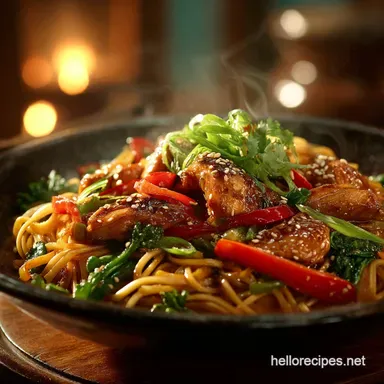
Wok Masters 30Minute Gingersesame Chicken Noodles an Umami Powerhouse
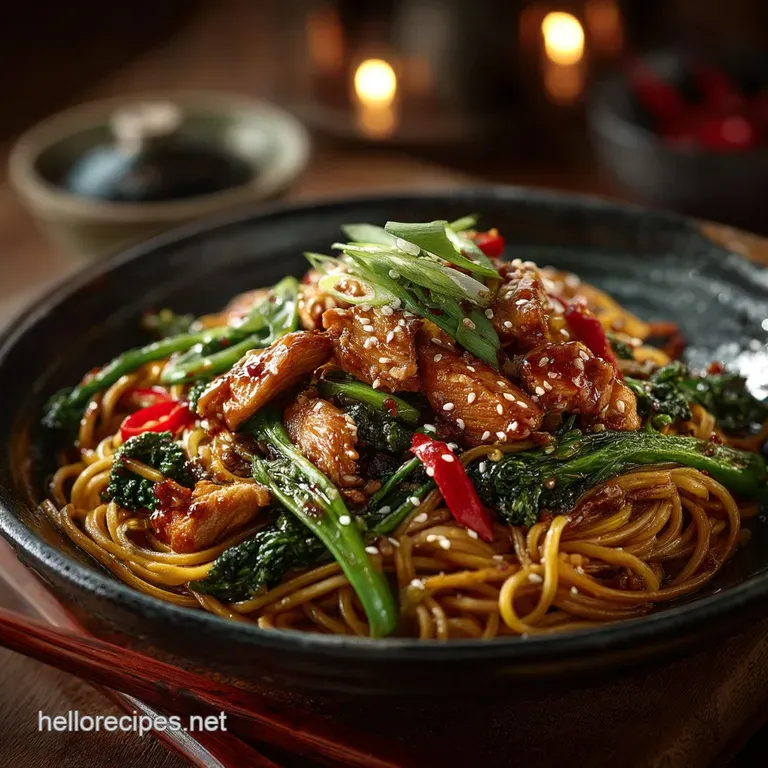
Ditching Takeout: Why This Is Your New 30-Minute Wok Standard
If you’re hunting for truly flavourful, high impact Easy Dinner Ideas that require less time than ordering delivery, this Ginger Sesame Chicken Noodles dish is about to become your standard.
Far beyond a basic stir fry, this particular asian noodles recipe utilizes key professional techniques namely velveting and aggressive high heat cooking to deliver maximum texture and flavour in a remarkably short timeframe.
It is the quintessential Weeknight Asian Dinner , proving that restaurant quality satisfaction is achievable, consistently, in just about 45 minutes total, including marination time, meaning the actual cooking phase is a solid 30 Minute Dinner Recipes entry.
We focus on building deep umami and clean, aromatic flavour, making this the ideal choice for Quick Summer Meals when you don't want to spend long over a hot stove.
Mastering the 'Velveting' Technique for Ultra Tender Chicken
The secret to why restaurant chicken in Asian cuisine always remains so juicy lies in a simple, traditional method known as velveting. Before the sliced 1.5 lbs (680 g) of chicken breast ever hits the searing wok, it is tossed with a small amount of soy sauce, a neutral oil, and crucially, 1 Tbsp of corn starch.
This starchy coating creates a protective shield when the chicken is exposed to high heat, sealing in moisture and ensuring the meat is exquisitely tender rather than dry and rubbery.
This step, which requires a minimum 15-minute rest, is the foundation of a fantastic dish and is non-negotiable if you want that perfect texture.
The Essential Ratio: Balancing Ginger, Sesame, and Umami Power
The robust flavour profile of this dish is built upon a balanced sauce that hits all the right notes: salty, sweet, sour, and intensely savoury (umami). The backbone of the Wok Master Sauce is 3 Tbsp of rich oyster sauce, amplified by 1 Tbsp of dark soy sauce, which adds a beautiful depth of colour and fermented flavour.
Acidity, which prevents the dish from becoming cloying, comes from 1 Tbsp of Chinese rice vinegar, while 2 tsp of brown sugar provides necessary sweetness. Aromatic complexity is achieved through the aggressive use of fresh, finely minced ginger (a substantial 3 Tbsp) and the addition of toasted sesame oil, which is saved until the very end to maximize its nutty fragrance.
Elevating Everyday Asian Noodles Beyond the Basic Stir Fry
While many fast Easy Sesame Noodles recipes rely heavily on simple soy and garlic, this approach elevates the meal by emphasizing technique and layering of aromatics.
By using fresh garlic (4 cloves) and the white parts of the spring onion to infuse the oil after the chicken has been seared, we build a foundation of flavour that penetrates the other components.
On top of that,, including crisp vegetables like julienned carrot and bell pepper not only makes this a more colourful and Healthy Sesame Noodles option but also provides a necessary textural contrast to the tender chicken and satisfying wheat noodles.
This careful process ensures every mouthful is complex and deeply rewarding.
Building the Flavor Base: Essential Pantry Components for This Dish
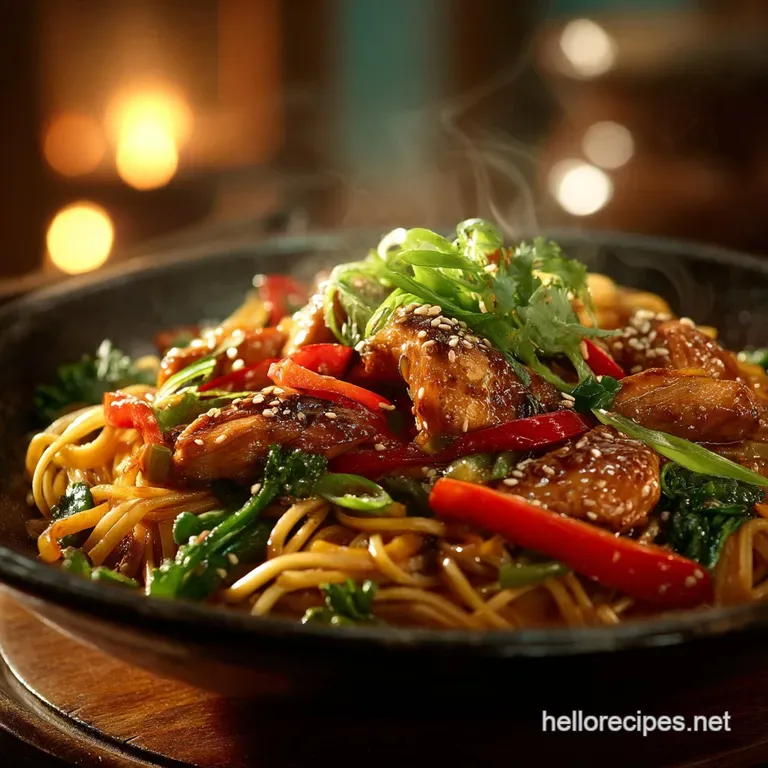
A successful stir fry is 80% preparation and 20% execution. Having the right components lined up and understanding their roles is key to achieving success under the intense heat of the wok.
Crafting the Perfect Balance: The Secret Sauce Ingredient List
The liquid base must be pre-mixed and ready to pour, as the cooking process moves rapidly. Beyond the essential umami agents (oyster and soy sauces), we integrate 1/4 cup of low-sodium chicken stock.
This stock is vital; it prevents the thickening corn starch from seizing immediately and provides the necessary steam to ensure the Asian Noodles and vegetables are coated in a glossy, uniform glaze rather than a sticky residue.
Remember to set aside that crucial 1 tsp of toasted sesame oil it is a finishing aromatic, not a cooking fat.
Selecting the Best Noodle Type for Maximum Sauce Absorption
For this specific Ginger Sesame Chicken Noodles preparation, medium thickness dried egg noodles or wheat noodles (about 12 oz) work best. Their surface area and density hold up beautifully under the high heat without disintegrating.
The key step here is in the cooking: boil them only until al dente —slightly firmer than you would eat them normally. They must be immediately rinsed under cold water after draining. This stops the cooking process and removes excess starch, which would otherwise make the final dish gluey.
A quick toss with a splash of neutral oil prevents them from sticking together while waiting for their turn in the wok.
Must Have Equipment for Stir Fry Success (The Wok and Beyond)
While you can technically make this dish in a large skillet, true stir fry flavour and control necessitate a wok. A carbon steel or heavy cast iron wok is preferred because it retains and distributes high heat incredibly well, which is essential for achieving that smoky "Wok Hei." If you attempt this process in a thin, non-stick pan, the temperature will drop too quickly when ingredients are added, leading to a dull, steamed result.
Other essentials include a large pot for boiling your noodles, and a good sturdy whisk for combining the sauce components efficiently.
Related Recipes Worth Trying
- The Ultimate Zingy Smashed Asian Cucumber Salad Recipe — Ditch soggy sides This Easy Asian Cucumber Salad recipe uses the smash technique for maximum crunch and a seriously addictive dressing Perfect starter
- Quick Zesty LemonGarlic Zucchini Noodles Recipe — Stop making soggy zoodles This foolproof guide to healthy zucchini noodles is tossed in bright lemon and garlic ready in 25 minutes
- 20Minute Vegan Garlic Udon Noodles Buttery Bold — Whip up these easy Vegan Garlic Udon Noodles in under 25 minutes Rich savoury and packed with bold garlic flavour for the ultimate vegan comfort food noodles
The Wok Master's Method: A step-by-step Path to Flawless Stir Fry
Stir frying is a dance of quick movements and precise timing. Once the wok is hot, there is no time to pause, which is why preparation is paramount.
Mise en Place Checklist: Preparing Ingredients for the High Heat Blast
The 20 minutes allocated for active preparation must be strictly observed. This involves slicing the chicken, mincing the aromatics (ginger and garlic), and ensuring the vegetables julienned carrot and bell pepper are ready.
Also, separate the white parts of the spring onion (to be cooked with the aromatics) from the green parts (for garnish). When you begin the cooking process, everything should be arranged in small bowls right next to your cooking surface.
This organization is the single most important factor for success in any high heat cooking.
Achieving the Wok Hei: Searing the Chicken and Building Depth
Wok Hei , or the 'breath of the wok,' refers to the unique charred, smoky flavour that high heat cooking imparts. Begin by heating 1.5 Tbsp of oil in the wok until it is lightly smoking. Add the marinated chicken and spread it immediately into a single layer.
Resist the urge to constantly flip it; allow the chicken to sear for 2– 3 minutes until deeply golden brown and almost cooked through. Immediately remove the chicken and set it aside.
This step guarantees the chicken is properly seared and prevents the pan from becoming overcrowded, ensuring the proper high temperature is maintained for the next steps. Add the remaining oil, then the minced ginger, garlic, and white spring onion, cooking for just 30 45 seconds until fragrant but never burnt.
The Crucial Final Toss: Incorporating Sauce and Asian Noodles Uniformly
Once the carrots, peppers, and wilting pak choi have been rapidly stirred and have retained their desired crunch, return the cooked chicken to the wok. Give your pre-mixed Wok Master Sauce a final whisk to ensure the corn starch hasn't settled, and pour it over the ingredients.
Allow the sauce to come to a rapid boil for about 30 seconds; the corn starch used in the chicken marinade will help thicken the sauce rapidly, creating that desirable glaze. Finally, introduce the pre-cooked and cooled Asian Noodles .
Using tongs, quickly and aggressively toss the entire mixture for only 1– 2 minutes, ensuring every strand is coated. Remove the wok from the heat, drizzle in the toasted sesame oil, and serve immediately, garnished with the green parts of the spring onion.
Troubleshooting and Expert Tips for Your Next Batch of Ginger Sesame Chicken
Storing Leftovers and Reheating Asian Noodles Without Losing Texture
While this dish is always best eaten straight from the wok, leftovers can be stored safely in an airtight container for up to three days. The biggest challenge when reheating Asian Noodles is preventing them from drying out or becoming chewy.
To avoid this, skip the microwave unless absolutely necessary. Instead, reheat the noodles quickly in a hot skillet or wok over medium high heat with a splash of water or chicken stock. The added liquid helps to rehydrate the noodles and recreates that desirable glossy texture without requiring additional oil.
Expanding Your Repertoire: Turning This Base Into a Thai Curry or Chili Garlic Dish
The fundamental structure of this Ginger Sesame Chicken Noodles —protein preparation, aromatic base, and rapid cook time is easily adaptable. To shift to a Spicy Sichuan profile, simply add 1 Tbsp of chilli bean paste (Doubanjiang) alongside the garlic and ginger, significantly increasing the heat and depth.
Alternatively, for a Thai inspired meal, replace the oyster sauce and soy sauce blend with a combination of red curry paste and a splash of coconut milk, transforming it into a rich, aromatic curry noodle dish while keeping the benefits of the 30 Minute Dinner Recipes timeline.
Making It gluten-free or Vegan: Smart Ingredient Substitutions
This recipe is incredibly flexible for dietary adjustments. To make this entire dish gluten-free, substitute all light and dark soy sauce with tamari or a certified gluten-free soy sauce equivalent, and ensure your chicken stock is also GF.
For those seeking a delicious vegan option, substitute the 1.5 lbs of chicken with one block (350g) of extra firm tofu, pressed and cubed, which should also be coated in the corn starch and oil mix.
Crucially, swap the oyster sauce for a high-quality vegetarian mushroom sauce to maintain the essential umami flavour depth. You can also replace the traditional egg noodles with rice noodles or a gluten-free spaghetti option cooked very al dente .
Recipe FAQs
My chicken always ends up a bit rubbery, what's the secret to getting truly tender chicken like in this recipe?
The secret is the 'velveting' process, which is absolutely essential here! The corn starch and oil marinade creates a thin protective barrier that seals in the moisture when the chicken hits the high heat.
Critically, ensure you cook the chicken in a single layer, or in batches if necessary; crowding the wok is the number one culprit for ending up with chewy, steamed chicken instead of juicy pieces.
I want that proper smoky taste, like the 'dogs bollocks' of takeaways. How do I get the Wok Hei flavour at home?
Achieving 'Wok Hei' (the breath of the wok) relies entirely on maximum heat and quick timing. You need a high smoke point oil (like groundnut or canola) and your wok must be smoking hot before you add anything.
Work quickly and keep the ingredients moving, but avoid overfilling the pan, as this instantly drops the temperature and prevents the necessary caramelisation and char that delivers that authentic smoky flavour.
How can I make these Asian Noodles healthier or cut down on the carbs?
While the egg noodles are part of the classic experience, you can easily swap them out for a lighter alternative. Try using cauliflower rice, spiralised courgette (zucchini) noodles, or shirataki noodles instead.
If you're managing sodium, make sure to opt for low-sodium soy sauce and chicken stock, as the oyster sauce already contributes a fair amount of salt.
I don't have oyster sauce, can I swap it for something else? Also, what if I need a vegetarian version?
Oyster sauce provides deep umami richness, but if you don't have it, a decent substitution is Hoisin Sauce blended with a touch of extra dark soy sauce for colour, though this will be sweeter.
For a vegetarian or vegan version that is bang on, simply replace the oyster sauce and the chicken with a high-quality vegetarian mushroom stir fry sauce and pressed tofu; the rest of the Wok Master Sauce components remain the same.
What's the best way to store the leftovers? Will they still taste good the next day?
This dish keeps wonderfully! Store the leftovers in an airtight container in the fridge for up to 3 4 days. When reheating, the noodles may soak up some of the sauce, so splash in a tablespoon of extra chicken stock or water before heating in the microwave or wok to loosen things up again.
The flavour usually deepens overnight, making it a great lunch for the following day.
30min Ginger Sesame Asian Noodles