Roasted Vegetable Soup with Beans: Silky and Hearty
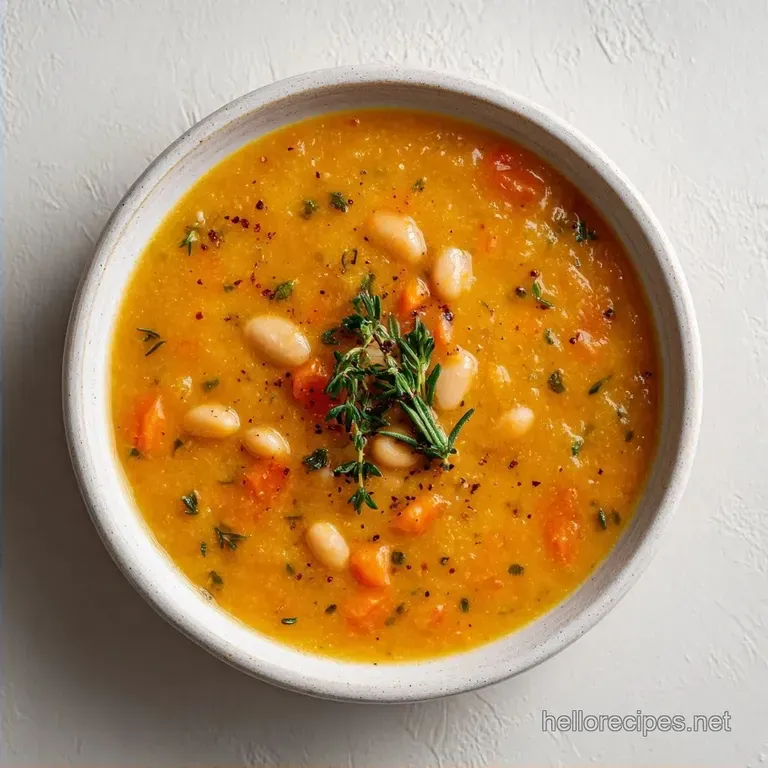
- Time: 15 min active + 40 min cooking
- Flavor/Texture Hook: Mahogany charred veggies with a silky bean puree
- Perfect for: Cold weeknights, plant based meal prep, or beginners
Have you ever wondered why some vegetable soups taste like a bowl of warm water with a few floating chunks, while others taste like a rich, cozy hug? It usually comes down to one thing: how the vegetables are treated before they hit the broth.
Most people just boil everything together, but that's where the flavor stays locked inside the vegetable.
I remember making a version of this years ago where I just tossed everything in a pot. It was fine, I guess, but it lacked that "oomph." Then I tried roasting my carrots and onions until they were almost burnt on the edges, and the difference was wild.
The smell that fills the kitchen when those sugars start to brown is something you can't get from a stovetop simmer.
That's the magic of this Roasted Vegetable Soup with Beans. We're not just cooking the ingredients; we're changing their chemistry. You'll get a vibrant, plant based meal that feels heavy and satisfying, even though it's packed with nutrients. It's the kind of dish that makes people forget it's actually healthy.
The Secret To Deep Flavor
The reason this soup doesn't taste "thin" is all about how we handle the heat. When we roast at 425°F, we aren't just heating the vegetables; we're triggering a process where the natural sugars break down and create new, complex flavor compounds. According to the experts at Serious Eats, roasting vegetables concentrates their flavor by evaporating water, which leaves behind a more intense, sweet, and savory profile.
Natural Sugars: High heat turns the starch in carrots and parsnips into caramelized sugars, giving the broth a golden hue and a rich taste.
Bean Texture: Instead of just adding whole beans, we blend a portion of them. This creates a natural thickener that mimics the mouthfeel of cream.
Acid Balance: The splash of lemon juice at the end isn't for flavor it's to "wake up" the roasted notes. Without it, the soup can taste a bit flat or overly earthy.
Garlic Softening: Roasting the garlic head whole mellows out the sharp, biting sting of raw garlic and turns it into a sweet, spreadable paste.
| Method | Time | Texture | Best For |
|---|---|---|---|
| Fast (Boiled) | 25 mins | Thin / Watery | Quick lunch |
| Classic (Roasted) | 55 mins | Velvety / Rich | Comfort dinner |
The Ingredient Deep Dive
I like to think of the ingredients as building blocks. You have your base (the roasted roots), your body (the beans), and your brightness (the lemon and kale). Understanding why each piece is there helps you make better choices if you're missing something in your pantry.
| Ingredient | Science Role | Pro Secret |
|---|---|---|
| Cannellini Beans | Structural Thickener | Blend 1/3 of the can for a creamier base |
| Roasted Garlic | Aromatics | Squeeze it straight from the skin for max flavor |
| Lemon Juice | PH Balancer | Add at the very end to keep the flavor bright |
| Parsnips | Earthy Sweetness | Leave them in 1 inch chunks to avoid mushiness |
Shopping List Breakdown
When you're at the store, don't be afraid to pick the ugliest carrots. The ones with a bit of character often have more concentrated flavor. For the beans, according to the USDA FoodData, cannellini beans are an excellent choice here because of their mild flavor and high starch content, which makes them perfect for blending.
- 3 large (450g) carrots, chopped into 1 inch chunks Why this? High sugar content for roasting
- 2 medium (300g) parsnips, chopped into 1 inch chunks Why this? Adds a nutty, earthy depth
- 1 large (200g) yellow onion, wedged Why this? Caramelizes beautifully
- 1 head (50g) garlic, top sliced off Why this? Mellows out the sharpness
- 3 tbsp (45ml) extra virgin olive oil Why this? High smoke point for roasting
- 1 tsp (5g) dried thyme Why this? Earthy notes that match the root veg
- 1 tsp (6g) kosher salt Why this? Better distribution than table salt
- 1/2 tsp (3g) cracked black pepper Why this? Adds a subtle heat
- 6 cups (1.4L) vegetable broth Why this? The liquid gold base
- 2 cans (15 oz / 425g each) cannellini beans, drained and rinsed Why this? Creamy texture
- 2 cups (60g) fresh kale or spinach, chopped Why this? Adds color and nutrients
- 1 tbsp (15ml) lemon juice Why this? Cuts through the richness
- 1 tbsp (15ml) olive oil Why this? For the pot sauté
Quick Substitutes:
- Carrots → Sweet potatoes (thicker, sweeter soup)
- Parsnips → Celery root (more savory, less sweet)
- Kale → Swiss chard (slightly saltier taste)
- Vegetable broth → Mushroom broth (adds an "umami" kick)
The Essential Gear
You don't need a professional kitchen for this, but a few tools make it easier. I always use a heavy bottomed Dutch oven because it holds heat evenly, which prevents the bottom of the soup from scorching when you're simmering.
For the roasting, a large rimmed baking sheet is a must. If the vegetables are too crowded, they'll steam instead of roast, and you'll miss out on those mahogany edges. If you don't have an immersion blender, a standard blender works fine, just be careful with hot liquids leave the vent open to let steam escape.
Step by step Method
Right then, let's get into it. Follow these steps, and keep an eye on those sensory cues. That's how you know when the soup is actually ready, regardless of what the timer says.
- Preheat your oven to 425°F (220°C). Toss your carrots, parsnips, and onions on a baking sheet with 3 tbsp olive oil, thyme, salt, and pepper. Note: Ensure they are in a single layer.
- Wrap the garlic head in foil with a drizzle of oil and nestle it on the baking sheet. Roast for 20-25 minutes until the vegetables have mahogany colored edges and smell sweet.
- Heat 1 tbsp of olive oil in your Dutch oven over medium heat. You should hear a light sizzle when the oil is ready.
- Squeeze the softened roasted garlic cloves out of their skins directly into the pot. Add the roasted vegetables and vegetable broth, then bring it to a gentle simmer for 10 minutes. The broth should start to take on a golden, opaque color.
- Take 1 cup of the cannellini beans and a splash of broth, then blend until smooth using an immersion blender. Stir this paste back into the pot. Note: This is what makes the Roasted Vegetable Soup with Beans creamy.
- Add the remaining whole beans and simmer for another 5 minutes. The soup should now look thick and velvety.
- Stir in the chopped kale or spinach and cook just until wilted.
- Remove from heat and stir in the lemon juice. The aroma should shift from earthy to bright and zesty.
Chef's Tip: If you want a smokier flavor, add 1/2 teaspoon of smoked paprika to the roasting pan. It pairs perfectly with the sweetness of the parsnips.
Fixing Common Soup Issues
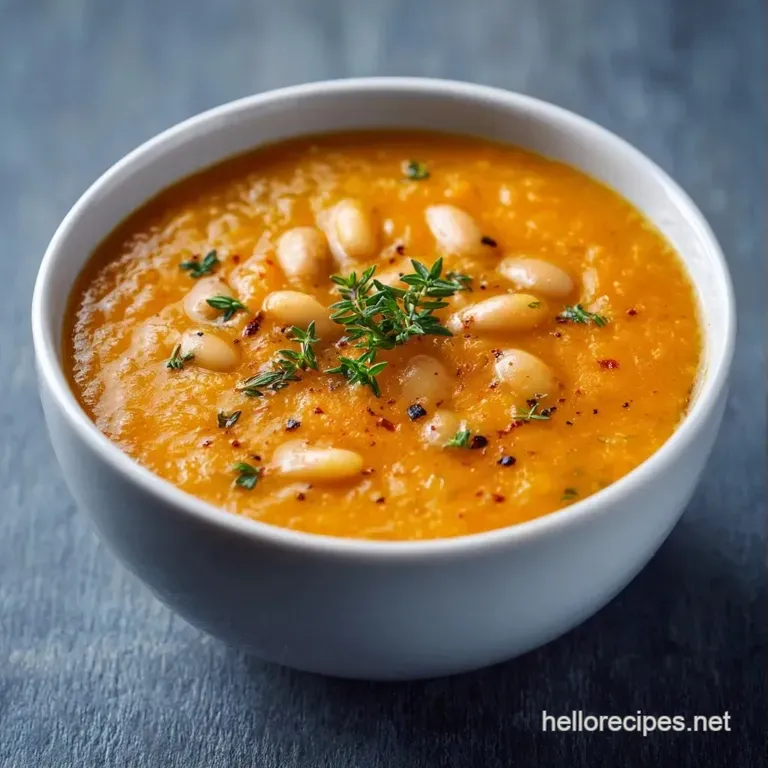
Even the best of us mess up. Maybe the garlic burnt, or the soup feels a bit like water. Don't panic most of these things are easy to fix with a few simple tweaks.
Troubleshooting Common Issues
| Issue | Solution |
|---|---|
| Why Your Soup Is Too Thin | This usually happens if the vegetables weren't roasted long enough or if you used too much broth. |
| Why Your Garlic Tastes Bitter | If the garlic head was too small or the oven was too hot, the cloves might have scorched. Burnt garlic has a sharp, acrid taste. If this happens, don't add the garlic to the pot. |
| Why Your Beans Are Mushy | Over blending or over cooking the whole beans can make them lose their shape. To avoid this, always add the whole beans at the very end of the process. |
Common Mistakes Checklist:
- ✓ Did you crowd the roasting pan? (Keep them spread out for browning)
- ✓ Did you wrap the garlic in foil? (Prevents the cloves from drying out)
- ✓ Did you add lemon juice at the end? (Adding it too early kills the brightness)
- ✓ Did you blend a portion of the beans? (Essential for the creamy texture)
- ✓ Did you check the salt level before serving? (Roasted veg need a bit more salt)
Adjusting The Batch Size
Whether you're cooking for one or a crowd, you can scale this Roasted Vegetable Soup with Beans. Just keep in mind that roasting times don't always scale linearly.
Cooking for fewer (Half Batch): If you're cutting this in half, use a smaller baking sheet. Because there's less moisture in the oven, the vegetables might brown faster. Check them at 15-18 minutes instead of 20.
For the beans, beat one can, use half for the puree and half for the whole beans.
Cooking for a crowd (Double/Triple Batch): When doubling the recipe, do NOT double the salt and spices. Start with 1.5x the salt and thyme, then taste and adjust at the end. You'll also need to roast the vegetables in two separate batches.
If you crowd one pan, you'll get steamed veggies instead of roasted ones. Reduce the total broth by about 10% as the larger volume of vegetables will release more liquid.
| If you want... | Do this... | Result |
|---|---|---|
| A thicker stew | Use 4 cups broth instead of 6 | Heartier, spoon standing texture |
| A lighter soup | Use 8 cups broth and skip the puree | Brothy, clear vegetable soup |
| More protein | Add 1 can of chickpeas | Added nuttiness and fiber |
Debunking Soup Myths
There are a few things people say about veggie soups that just aren't true. Let's clear them up.
"You need cream for a creamy soup." Nope. As we've seen here, blending a portion of the beans creates a velvety texture that is just as satisfying as heavy cream, but with more protein and fiber.
"Searing vegetables seals in the flavor." This is a common misconception. Searing or roasting doesn't "seal" anything; it actually allows moisture to escape, which concentrates the flavors and creates the browned crust we love.
"Frozen vegetables work just as well for roasting." Honestly, don't even bother with frozen veg for this. They release too much water when they thaw, which means they'll steam in the oven rather than caramelize. Stick to fresh carrots and parsnips.
Storage Guidelines
This soup actually tastes better the next day. The flavors have more time to mingle, and the starch from the beans settles in.
Fridge Storage: Keep it in an airtight container for up to 5 days. You'll notice it thickens as it sits in the fridge. When you reheat it, just add a splash of water or broth to bring it back to that velvety consistency.
Freezing Tips: This is a great freezer meal. Store it in freezer safe bags or containers for up to 3 months. I recommend freezing it without the kale or spinach. The greens can get slimy when thawed and refrozen. Instead, stir in fresh greens when you reheat the soup.
Zero Waste Tips: Don't throw away your vegetable scraps! I keep a bag in the freezer for carrot peels, onion ends, and parsnip tops. Once the bag is full, boil them with water for a few hours to make your own homemade vegetable broth for the next batch of soup.
It's a great way to get more value out of your produce.
Best Side Pairings
Since this Roasted Vegetable Soup with Beans is so hearty, you want sides that either add a crunch or a bit of acidity to balance the richness.
A crusty piece of sourdough bread is the obvious choice, but if you want something more substantial, this pairs perfectly with a side of Green Bean Casserole recipe for a full on comfort feast. The crispiness of the shallots in the casserole contrasts well with the silky soup.
If you're looking for a more Italian vibe, you could serve it with a side of garlic toast and a crisp arugula salad with a sharp balsamic vinaigrette. For another bean heavy meal, you could check out my Pasta e Fagioli for a different take on the bean and vegetable combo. Trust me on this the lemon juice in the soup makes it a great companion to almost any savory side.
Recipe FAQs
Is it better to roast veggies for soup?
Yes, roasting develops deeper flavors. It creates mahogany colored edges that add a caramelized sweetness and complexity you won't get from boiling.
Can I use dried beans instead of canned?
Yes, but they require soaking. You must soak and simmer them until tender before adding them to the pot to ensure the texture is correct.
How can I make this soup lower in sodium?
Use low-sodium vegetable broth. You can also reduce the amount of kosher salt used during the roasting phase to control the total sodium level.
Is this soup gluten-free?
Yes, it is naturally gluten-free. All ingredients, from the cannellini beans to the kale, are free of gluten. This pairs perfectly with a crisp Caesar salad for a balanced meal.
What’s the best way to brighten the flavor if it tastes a little flat?
Stir in fresh lemon juice right before serving. The acidity cuts through the starchiness of the beans and elevates the roasted notes of the carrots and parsnips.
How to make a quick vegetable soup recipe?
Roast vegetables at 425°F for 20-25 minutes. Simmer them with broth and a portion of blended beans to create a rich, creamy texture in under an hour.
Which spices are recommended to make white beans soup?
Use dried thyme for an earthy aroma. In this recipe, thyme and cracked black pepper provide the best balance to complement the sweetness of the roasted garlic.
Roasted Vegetable Bean Soup