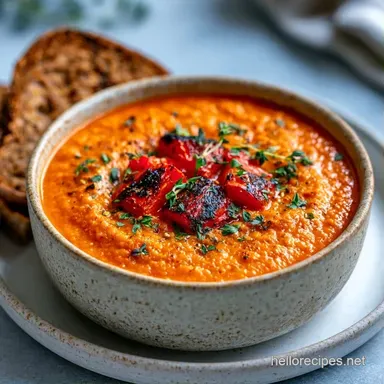
Pot Roasted Vegetable Soup: Silky and Hearty
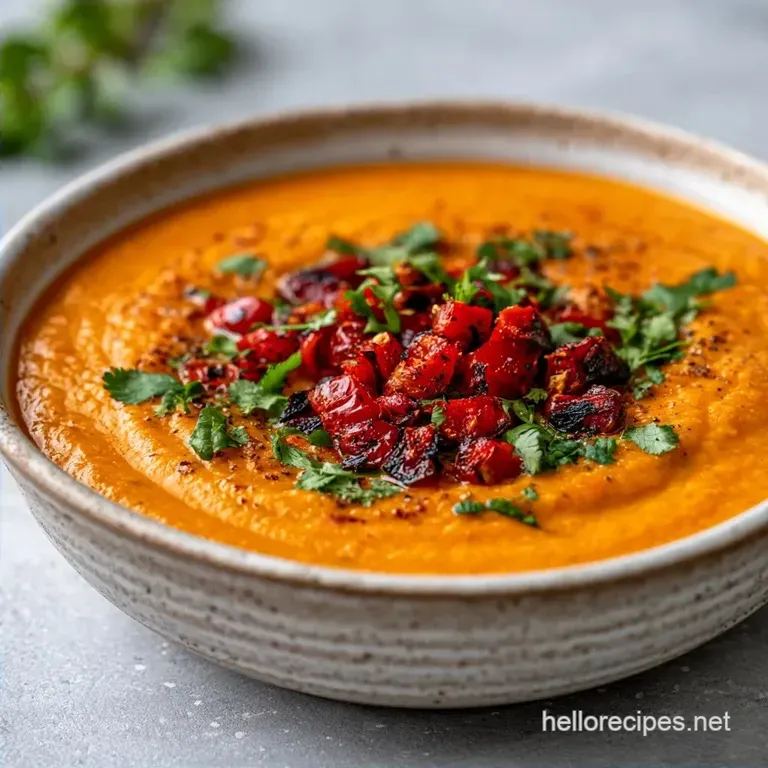
- Time: 20 min active + 40 min cooking = Total 60 min
- Flavor/Texture Hook: Mahogany charred sweetness with a silky, bean based thickness
- Perfect for: Cold autumn nights, plant based meal prep, or a cozy weekend dinner
The smell of charred red peppers and caramelized onions hitting a hot sheet pan is, for me, the official start of autumn. There is something about that specific aroma, a mix of sweetness and smoke, that makes the whole house feel warmer before the soup even hits the pot. I remember the first time I tried this, I didn't roast the vegetables enough, and the result was just... boiled veg. It lacked that deep, toasted soul that makes a Pot Roasted Vegetable Soup actually stand out.
Once I learned to push the oven temp and let those edges get almost burnt, everything changed. The contrast between the bright, zesty lemon juice at the end and the deep, earthy bass notes of the roasted parsnips is what makes this work.
It's a plant based dish that doesn't feel like it's "missing" anything because the roasting process does all the heavy lifting for the flavor.
You can expect a soup that is thick but not gloppy, with chunks of tender vegetables swimming in a golden, savory broth. It's vibrant, filling, and honestly, a bit of a powerhouse in terms of nutrition. Let's get into how to make this a regular in your kitchen.
Pot Roasted Vegetable Soup
The real magic here is the balance of contrasts. We have the deep, savory roast of the root vegetables clashing with the fresh, grassy hit of baby spinach and the sharp acidity of lemon. When you first taste it, you get that rich, toasted quality, but the finish is bright and clean.
I've found that the secret to a truly vibrant Pot Roasted Vegetable Soup is not over processing it. Many people blend their soups into a completely smooth puree, but that kills the experience.
By pulsing it just a few times, you keep some of those mahogany colored chunks, which provide a satisfying bite against the silky liquid.
This isn't just a "throw it in a pot" kind of meal. It's about layering. We start with the dry heat of the oven, move to the wet heat of the simmer, and finish with raw, fresh additions. This progression ensures that the flavors don't get muddied, leaving you with a bowl that feels complex and intentional.
The Texture Secret
To get that specific mouthfeel, we use a few simple tricks that have more to do with how ingredients behave than complex chemistry.
- Natural Sugar Browning: High heat breaks down the starches in carrots and sweet potatoes into simple sugars, which then brown. This creates a toasted flavor that you simply cannot get from simmering alone.
- Bean Emulsion: Blending a portion of the cannellini beans creates a creamy suspension. This mimics the feel of dairy while keeping the dish plant based.
- Acidic Brightening: The lemon juice added at the very end cuts through the heavy, earthy notes of the roasted veg. According to Serious Eats, adding acid at the end of cooking preserves the brightness that heat usually destroys.
- The Pulse Method: By using an immersion blender sparingly, we create "micro chunks." This gives the soup a rustic, chunky feel while still having a thick, cohesive base.
To help you decide how to approach this, I've put together a comparison of the two most common ways people make this.
| Feature | Fast (Simmered) | Classic (Roasted) | Impact |
|---|---|---|---|
| Prep Time | 10 min | 20 min | Roasting takes more effort |
| Flavor Profile | Mild, sweet | Deep, smoky | Char adds significant depth |
| Texture | Watery/Uniform | Velvety/Chunky | Roasting concentrates sugars |
| Best For | Quick lunch | Cozy dinner | Classic is better for guests |
The difference is stark. While a simmered soup is fine, the roasting process removes water from the vegetables, concentrating their flavor before they ever touch the broth. This prevents the Pot Roasted Vegetable Soup from tasting like "vegetable water."
Ingredient Deep Dive
Not all vegetables are created equal when it comes to roasting. I've spent a lot of time testing different root combinations, and the mix of carrots, parsnips, and sweet potatoes is the gold standard for this.
| Ingredient | Science Role | Pro Secret |
|---|---|---|
| Root Vegetables | Bulk & Sweetness | Cut them into uniform 2cm cubes for even char |
| Head of Garlic | Aromatic Base | Roast it in foil to create a "paste" texture |
| Cannellini Beans | Thickener | Use organic, low sodium for a cleaner taste |
| Lemon Juice | Flavor Balancer | Always use fresh; bottled juice is too metallic |
The root vegetables are the stars here. According to USDA FoodData, root vegetables like carrots and parsnips are rich in beta carotene and fiber, which not only make the soup healthy but also contribute to the thickness of the broth as they break down slightly during the simmer.
Shopping List Breakdown
When you're at the store, don't be afraid to mix up your root veg. While I love the classic trio, you can swap things based on what's in season.
- 2 lbs (approx. 900g) root vegetables (carrots, parsnips, sweet potato), cubed Why this? Provides a balanced mix of earthy and sweet notes
- 1 large red onion, quartered Why this? Red onion caramelizes more deeply than yellow
- 2 medium red bell peppers, deseeded and chopped Why this? Adds a bright, smoky sweetness
- 1 head garlic, top sliced off Why this? Roasting the whole head makes it buttery
- 3 tbsp olive oil Why this? High smoke point for roasting
- 1 tsp smoked paprika Why this? Mimics a wood fired oven flavor
- 1 tsp ground cumin Why this? Adds an earthy, nutty undertone
- 1 tsp kosher salt Why this? Larger grains for better distribution
- ½ tsp cracked black pepper Why this? Freshly cracked is punchier
- 8 cups (approx. 1.9L) vegetable broth Why this? The liquid gold that ties it all together
- 1 can (15 oz / 425g) cannellini beans, drained and rinsed Why this? Natural creaminess without dairy
- 2 cups fresh baby spinach or kale Why this? Adds color and a fresh, mineral hit
- 1 tbsp lemon juice Why this? Wakes up the roasted flavors
- 2 tbsp fresh parsley, chopped Why this? A clean, herbal finish
If you're feeling fancy, you can use a Homemade Roasted Vegetable Stock recipe instead of store-bought broth. It adds another layer of depth to the Pot Roasted Vegetable Soup that is honestly hard to beat.
| Original Ingredient | Substitute | Why It Works |
|---|---|---|
| Parsnips | Celery Root | Similar earthy profile, slightly more peppery |
| Cannellini Beans | Chickpeas | Same protein, but adds a nuttier flavor |
| Baby Spinach | Swiss Chard | Heartier leaf, stands up better to heat |
| Smoked Paprika | Chipotle Powder | Adds heat and a deeper smoke profile |
It's important to remember that while you can swap, some changes alter the final result. For example, using chickpeas instead of cannellini beans will make the soup feel a bit more "grainy" and less "velvety."
Necessary Kitchen Tools
You don't need a professional kitchen, but a few specific tools make this process much smoother.
- Large Rimmed Sheet Pan: This is non negotiable. If you crowd the pan, the vegetables will steam instead of roast. Give them space to breathe so they can actually brown.
- Dutch Oven: A heavy bottomed pot is best for the simmering stage. It distributes heat evenly, which prevents the beans from sticking to the bottom.
- Immersion Blender: This is the secret to the texture. Using a traditional blender requires transferring hot liquid, which is a recipe for a kitchen burn. The stick blender lets you control the "chunkiness" in real time.
- Aluminum Foil: Essential for the garlic. If you roast the garlic head uncovered, it'll just burn on the outside and stay raw on the inside.
Step by step Guide
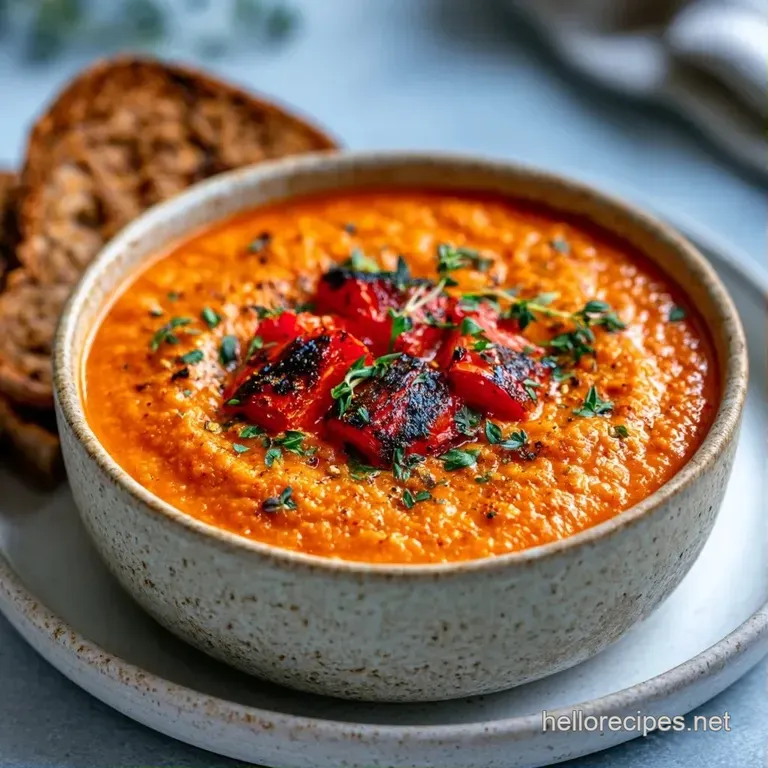
Right then, let's get cooking. Follow these steps carefully, and pay attention to the sensory cues.
- Preheat your oven to 400°F (200°C). Note: Make sure the oven is fully preheated so the veg starts sizzling immediately.
- Toss the cubed root vegetables, onion, and peppers on a large rimmed sheet pan with olive oil, paprika, cumin, salt, and pepper. Stir until every piece is glistening with oil.
- Wrap the garlic head in foil with a drizzle of oil and place it on the corner of the pan. Note: Tightly sealing the foil traps the steam inside the garlic.
- Roast for 25–30 minutes until the edges are mahogany colored and the vegetables are tender. You should smell a deep, toasted aroma filling the kitchen.
- Transfer the roasted vegetables and all the flavorful oil from the pan directly into a Dutch oven. Note: Don't leave that oil behind; it's where all the concentrated flavor lives.
- Squeeze the softened garlic cloves out of their skins into the pot. They should slide out like a buttery paste.
- Stir in the vegetable broth and drained cannellini beans.
- Bring the mixture to a gentle boil, then reduce to a simmer for 10 minutes. Wait until you see small, slow bubbles breaking the surface.
- Use an immersion blender to pulse the soup 3 4 times. Stop as soon as the broth looks creamy but you can still see chunks of veg.
- Stir in the spinach and lemon juice until the greens are just wilted and a vibrant green.
Chef's Note: For a deeper flavor, try adding a teaspoon of espresso powder or a tiny bit of soy sauce to the broth. It doesn't make it taste like coffee or soy; it just adds a "dark" savory note that mimics a long simmered meat stock.
Fixing Common Issues
Even with a simple Pot Roasted Vegetable Soup, things can go sideways. Most of the time, it's a temperature or timing issue.
Troubleshooting Common Issues
| Issue | Solution |
|---|---|
| Why Your Soup Is Watery | If your soup feels more like a thin broth than a hearty meal, you likely didn't pulse enough of the beans. The cannellini beans act as the thickener here. |
| Why Your Garlic Is Bitter | Bitter garlic happens when the cloves burn. This usually occurs if the foil wrap was too loose or the oven was too hot. Roasted garlic should be sweet and mellow, almost like caramelized onions. |
| Why Your Veggies Are Mushy | Mushy vegetables happen when you over simmer after roasting. Remember, the vegetables are already cooked from the oven; the 10 minute simmer is just to meld the flavors. |
Common Mistakes Checklist:
- ✓ Did you use a rimmed pan? (Prevents oil leaks)
- ✓ Did you roast until mahogany? (Ensures deep flavor)
- ✓ Did you pulse instead of puree? (Keeps the texture)
- ✓ Did you add lemon at the end? (Balances the richness)
- ✓ Did you wrap the garlic tightly? (Prevents burning)
Flavor Variations
Depending on what you have in the pantry, you can take this Pot Roasted Vegetable Soup in several different directions.
The Italian Garden Twist Swap the cumin and paprika for dried oregano and a pinch of red pepper flakes. Instead of cannellini beans, try using cannellini and a handful of chopped sun dried tomatoes. This shifts the profile from "earthy" to "Mediterranean."
Boosting the Protein If you want this to be a more substantial meal, stir in some cooked quinoa or farro during the final simmer. You could also top the bowl with a dollop of Greek yogurt or a sprinkle of toasted pumpkin seeds for extra crunch and protein.
Low Carb Alternative To reduce the carbs, swap the sweet potatoes and carrots for cauliflower and radishes. Roasted radishes lose their bite and become surprisingly similar to potatoes. Just be aware that the soup will be slightly less thick since cauliflower has less starch than a potato.
Decision Shortcut: If you want it creamier → Blend half the beans instead of just pulsing. If you want it smokier → Use chipotle powder instead of paprika. If you want it brighter → Add a handful of fresh parsley and a bit more lemon.
Preservation Secrets
One of the best things about a Pot Roasted Vegetable Soup is that it actually tastes better the next day. The flavors have more time to mingle and settle.
Fridge Storage Store your soup in an airtight container in the fridge for up to 5 days. The beans may settle at the bottom, so give it a good stir before reheating.
Freezer Guidelines This soup freezes beautifully for up to 3 months. I recommend freezing it before adding the fresh spinach and lemon juice. When you reheat it, stir in a fresh handful of greens and a squeeze of lemon to bring back that "just made" vibrancy.
Zero Waste Tips Don't throw away your vegetable scraps! Save your onion skins, carrot ends, and pepper seeds in a freezer bag. Once the bag is full, simmer them with water for a few hours to create your own base stock.
Also, if you have leftover roasted vegetables that didn't make it into the soup, they make a fantastic addition to a morning omelet.
Serving and Pairings
The way you serve this makes a huge difference in the overall experience. Because the soup is so rich and earthy, you want sides that provide a contrast in texture and acidity.
I highly recommend pairing this with a crisp, fresh Caesar Salad. The cold, crunchy lettuce and the salty, tangy dressing cut right through the warmth of the roasted vegetables. If you're looking for something heartier, a piece of toasted sourdough rubbed with a raw garlic clove is the way to go.
The Gourmet Garnish To make this look like it came from a bistro, don't just stir the parsley in. Save a few sprigs for the top. A swirl of high-quality olive oil or a pinch of flaky sea salt on top of the velvety broth adds a professional touch.
Final Thought Whether you're making a huge batch for the week or just a small pot for a rainy Tuesday, this Pot Roasted Vegetable Soup is all about patience during the roasting phase. Give those vegetables the time to char, and the rest of the process is a breeze.
It's a warm, comforting hug in a bowl that celebrates the best of what root vegetables have to offer. Enjoy it while it's steaming hot, with plenty of crusty bread on the side!
Recipe FAQs
Does roasting vegetables make soup taste better?
Yes, it develops deeper flavor. High heat caramelizes the natural sugars in the root vegetables and onions, creating a rich, smoky complexity that boiling alone cannot achieve.
Can you make soup from roasted vegetables?
Yes, it is the foundation of this recipe. Roast your vegetables at 400°F for 25 30 minutes, then simmer them in vegetable broth with beans and greens for a hearty consistency.
What is the secret to making vegetable soup taste savory without meat?
Roasting the garlic and using smoked paprika. Squeezing roasted garlic cloves directly into the pot adds a mellow sweetness, while the paprika provides a charred, savory depth.
How to make a simple and tasty vegetable soup?
Toss cubed root vegetables with oil and spices, roast at 400°F, then simmer with broth. Finish by pulsing cannellini beans with an immersion blender to create a creamy texture without adding dairy.
How to make a quick vegetable soup using these ingredients?
Preheat your oven to 400°F and roast all vegetables on one sheet pan. This method minimizes cleanup and ensures all ingredients are tender and caramelized before they hit the pot.
Is it true that you must add heavy cream to get a thick vegetable soup?
No, this is a common misconception. Pulsing cannellini beans with an immersion blender creates a naturally thick emulsion. If you enjoyed mastering this plant based thickening technique, see how we use similar vegan principles in our vegan charcuterie.
What is a good recipe for carrot and parsnip soup?
This roasted vegetable soup is ideal. It combines carrots and parsnips with sweet potatoes and cannellini beans for a nutrient dense, comforting meal.
Pot Roasted Vegetable Soup