One Pan Pollo Loco Chicken and Rice with Queso
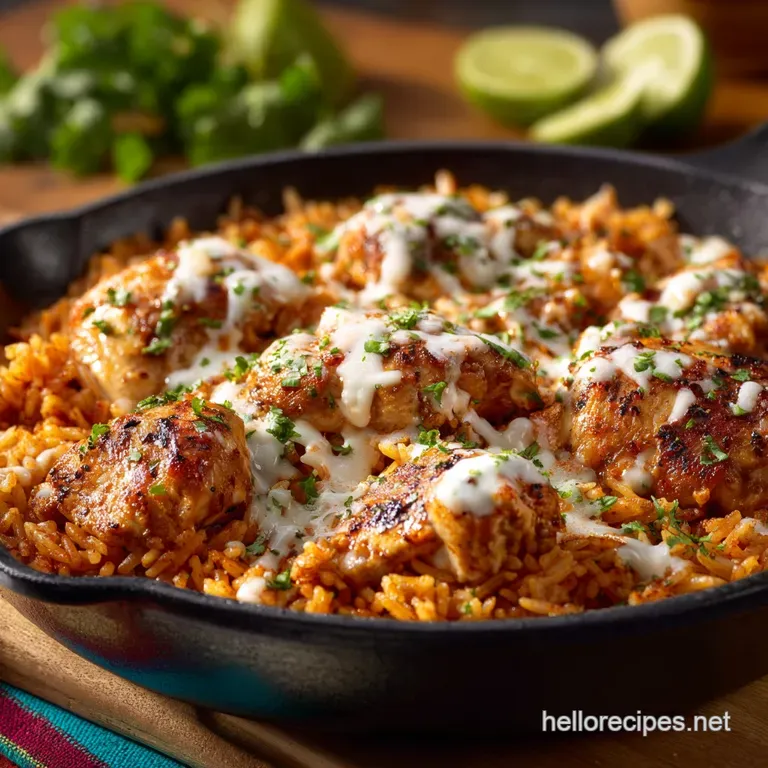
- Time: Active 15 minutes, Passive 25 minutes, Total 40 minutes
- Flavor/Texture Hook: Smoked paprika charred protein topped with velvety, unctuous queso
- Perfect for: High protein meal prep or an innovative weeknight dinner
- Creating an Innovative Pollo Loco Chicken and Rice Skillet
- Thermodynamic Principles for Flawless Rice Results
- Core Specifications and Estimated Time Allocations
- Systematic Analysis of Primary Flavor Components
- Essential Gastronomy Tools for Precision Execution
- Step-by-Step Methodology and Sensory Checkpoints
- Strategic Fixes for Common Textural Variances
- Sustainable Flavor Innovations and Regional Adaptations
- Optimal Temperature Maintenance and Long-Term Storage
- Dynamic Plating Strategies for Maximum Sensory Appeal
- Myths Regarding One Pan Cooking
- High in Sodium ⚠️
- Recipe FAQs
- 📝 Recipe Card
Creating an Innovative Pollo Loco Chicken and Rice Skillet
The moment the cubed chicken hits the hot avocado oil, the kitchen fills with a sharp, earthy aroma. It’s that specific scent of smoked paprika and cumin hitting the fat, blooming into something far more complex than a simple spice blend.
I remember the first time I tried to recreate this; I crowded the pan, the chicken steamed instead of searing, and the rice ended up a gummy mess. It was a culinary disaster that taught me everything about heat management and starch control.
This recipe makes a fantastic One Pan Pollo Loco Mexican Chicken and Rice with Queso. We’ve moved past the days of bland, soggy rice by applying a few high gastronomy principles to a simple skillet meal.
We aren't just "cooking" here; we are orchestrating a series of chemical reactions from the Maillard reaction on the poultry to the starch gelatinization in every grain of rice. You'll get that signature "loco" flavor without the drive thru wait.
We’re aiming for a specific textural contrast: the "snap" of a well seared chicken breast against the silky drape of warm queso blanco. It’s about balance. The fire roasted tomatoes provide a necessary acidity that cuts through the richness of the cheese, while the rice absorbs every drop of the seasoned chicken broth.
Expect a result that feels intentional, innovative, and deeply satisfying.
Thermodynamic Principles for Flawless Rice Results
- Maillard Surface Tension: Searing the chicken at high heat creates hundreds of new flavor compounds that are later deglazed into the rice.
- Amylopectin Mitigation: Rinsing the rice removes surface starches that cause clumping, ensuring each grain remains distinct and "fluffy."
- Vapor Pressure Steam Cooking: Using a tight fitting lid creates a micro pressure environment that forces moisture into the center of the rice grain efficiently.
- Fat Cap Barrier: Coating the dry rice in residual avocado oil before adding liquid creates a hydrophobic layer that prevents the grains from over hydrating too quickly.
| Feature | Fresh Grains & Poultry | Shortcut/Pre cooked | Texture Impact |
|---|---|---|---|
| Rice Consistency | Firm, separate grains | Often mushy or overly soft | Fresh rice absorbs broth better |
| Protein Integrity | Juicy with a seared crust | Can become rubbery | Searing fresh adds deeper umami |
| Flavor Depth | High (via pan drippings) | Moderate | Shortcut loses the Maillard base |
Choosing fresh components over pre cooked shortcuts is a strategic decision. While shortcuts save time, they sacrifice the ability to build layers of flavor in a single pan. Using the Spanish Rice Recipe technique of toasting grains first is a massive upgrade for this dish.
Core Specifications and Estimated Time Allocations
| Component | Science Role | Pro Secret |
|---|---|---|
| Avocado Oil | over High heat lipid carrier | Use its high smoke point to sear the chicken aggressively without burning the fats. |
| Long Grain Rice | Starch structure | Rinse until the water is crystal clear to prevent the "gloop" factor. |
| Queso Blanco | Emulsified fat source | Add this only at the very end to prevent the proteins in the cheese from tightening and separating. |
The success of your Pollo Loco Chicken and Rice depends on the ratio of liquid to solid. We are using a strict 2:1 ratio (3 cups broth to 1.5 cups rice). This accounts for the moisture released by the chicken and the diced tomatoes.
If you change the rice type, you must adjust the hydration levels, or you'll end up with a pan of soup or a scorched bottom.
Systematic Analysis of Primary Flavor Components
For this Pollo Loco Chicken and Rice, precision in sourcing makes the difference between a flat dish and a vibrant one.
- 1.5 lbs chicken breast: Cubed into 1 inch pieces. Why this? Breast meat stays lean but absorbs the spice rub efficiently.
- 2 tbsp avocado oil: High smoke point. Why this? Allows for a hard sear without acrid smoke.
- 1.5 cups long grain white rice: Rinsed. Why this? Provides the structural backbone for the heavy queso.
- 3 cups low sodium chicken broth: The primary hydrator. Why this? Controls the salinity while adding deep poultry notes.
- 0.5 cup fire roasted diced tomatoes: Adds char and acidity.
- 0.25 cup yellow onion: Finely minced for even distribution.
- 2 cloves garlic: Minced fresh.
- 1 cup queso blanco dip: The signature finish. Why this? Provides the "unctuous" mouthfeel that defines the dish.
- Spice Blend: Smoked paprika (1 tsp), cumin (1 tsp), garlic powder (1 tsp), onion powder (0.5 tsp), dried oregano (0.5 tsp), kosher salt (0.5 tsp), cracked black pepper (0.25 tsp).
For the protein, if you find breast meat too dry, you might prefer the higher fat content found in a Savory Chicken Thighs recipe. Thighs are more forgiving during the simmering phase. If you choose to swap, the cook time remains similar, but the flavor profile will be significantly richer.
Essential Gastronomy Tools for Precision Execution
You don't need a lab, but a heavy bottomed skillet preferably cast iron or heavy stainless steel is non negotiable. These materials hold heat better, which is vital when you drop 1.5 lbs of cold chicken into the pan.
A flimsy pan will lose temperature instantly, leading to steamed meat rather than seared.
You also need a lid that actually fits. The "Physics of the Rise" depends on trapped steam. If your lid is loose, moisture escapes, and your rice will be crunchy. I once used a plate as a lid in a pinch; don't do that. The uneven weight led to half cooked rice and a very frustrated cook. Trust me on the lid.
step-by-step Methodology and Sensory Checkpoints
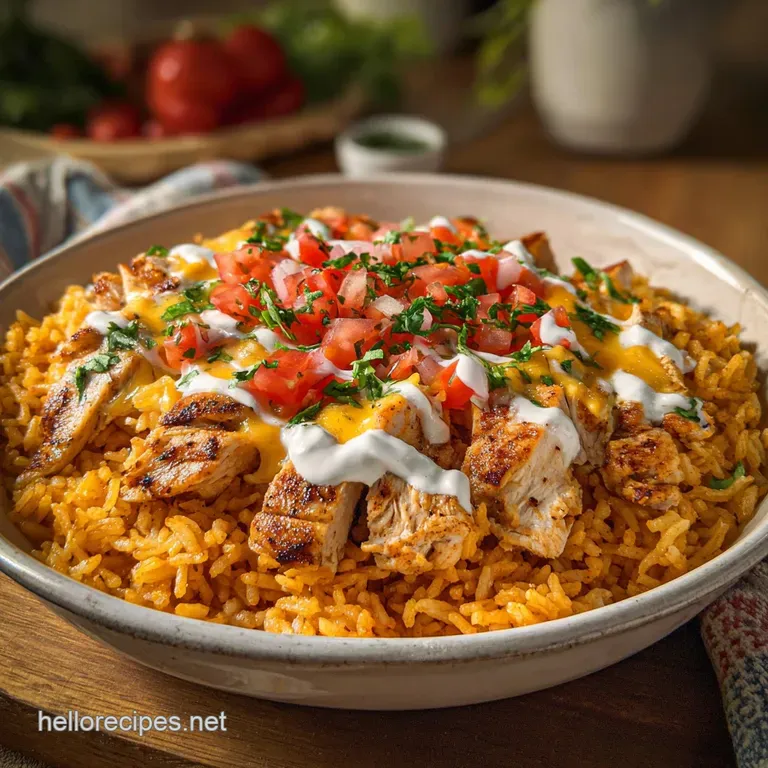
- Season the protein. Toss the chicken cubes with the smoked paprika, cumin, garlic powder, onion powder, oregano, salt, and pepper until fully coated. Note: This creates a dry brine that helps with browning.
- Sear the chicken. Heat the avocado oil in the skillet over medium high heat. Add the chicken and cook for 5 minutes until a dark, mahogany crust forms.
- Aroma Checkpoint 1: At this stage, you should smell the "nutty" notes of the toasted spices merging with the browning protein. It’s a warm, heavy scent.
- Sauté aromatics. Remove the chicken from the pan (it won't be fully cooked yet). Add the minced onion and garlic to the residual oil, stirring for 2 minutes until translucent and fragrant.
- Toast the grains. Add the rinsed rice to the skillet. Stir constantly for 3 minutes until the grains look opaque and smell like popcorn.
- Deglaze the pan. Pour in the chicken broth and fire roasted tomatoes. Scrape the bottom of the pan with a wooden spoon to release the "fond" (the brown bits).
- Combine and simmer. Return the chicken to the pan. Bring the liquid to a rolling boil, then immediately reduce the heat to low.
- The Steam Phase. Cover tightly with the lid. Simmer for 15 minutes without lifting the lid. Note: Lifting the lid ruins the vapor pressure.
- Aroma Checkpoint 2: Around the 12 minute mark, the sharp tomato acidity should mellow into a savory, steamy cloud.
- Rest and drape. Turn off the heat. Let the pan sit, covered, for 5 minutes. Remove the lid, fluff the rice with a fork, and pour the 1 cup of queso blanco over the top until it melts into a velvety glaze.
Strategic Fixes for Common Textural Variances
Why Your Rice is Mushy
This usually happens because the rice wasn't rinsed well enough or the heat was too high, causing the grains to rupture. If the starch isn't washed away, it creates a gel like substance that binds the grains together. To fix this next time, ensure you use cold water and rinse until the water is completely clear.
Why Your Chicken is Dry
Overcooking chicken breast is the most common error in this Pollo Loco Chicken and Rice. Because the chicken simmers with the rice, it’s easy to blast it with too much heat. If you find the meat is dry, you likely seared it for too long initially. The goal of the sear is flavor, not doneness.
| Problem | Root Cause | Solution |
|---|---|---|
| Scorched Bottom | Heat too high during simmer | Use a heat diffuser or a lower flame setting. |
| Crunchy Grains | Escaped steam or low liquid | Add 2 tbsp of hot broth, cover, and let sit for 5 mins. |
| Bland Flavor | Lack of deglazing | Ensure you scrape the pan thoroughly after adding broth. |
Common Mistakes Checklist
- ✓ Rinsing rice with hot water (this starts the cooking process too early).
- ✓ Peeking under the lid during the simmer (this drops the internal temperature instantly).
- ✓ Using "instant" rice (the 1:2 liquid ratio will fail completely with parboiled grains).
- ✓ Adding the queso while the heat is still on high (this can cause the cheese to curdle).
- ✓ Forgetting to pat the chicken dry before seasoning (moisture prevents a good sear).
Sustainable Flavor Innovations and Regional Adaptations
If you want to move beyond the base recipe, consider the "Loco" Variations. You can swap the white rice for brown rice, but you'll need to increase the chicken broth to 4 cups and the simmer time to 45 minutes.
This changes the gastronomy of the dish significantly, as brown rice contains the bran, which requires more energy to soften.
For a vegetarian friendly innovation, swap the chicken for roasted cauliflower florets. Add them only in the last 10 minutes of the rice simmer to prevent them from becoming mushy. The queso blanco still provides the necessary fat and satiety.
- Adding Garden Freshness: Fold in fresh spinach at the very end. The residual heat will wilt it perfectly without losing the vibrant green color.
- Boosting the Heat: Mince a fresh serrano pepper into the onion and garlic sauté. The capsaicin will infuse the entire rice base.
- Citrus Brightening: Double the lime juice finish. The citric acid acts as a flavor "magnifier," making the spices pop.
Optimal Temperature Maintenance and Long Term Storage
Storing Pollo Loco Chicken and Rice requires a quick cooling strategy. Spread the leftovers on a shallow tray to let the steam escape before placing them in an airtight container. This prevents the rice from continuing to cook in its own heat, which leads to "leftover mush."
- Fridge: Store for up to 3 days. The rice will absorb more moisture as it sits, so it may be firmer when cold.
- Freezer: You can freeze this for up to 2 months. However, the queso may change texture upon thawing. I recommend freezing the chicken and rice base and adding fresh queso during the reheat.
- Zero Waste: If you have leftover bones from another meal, use them to make a quick stock instead of using store-bought broth. Also, the stems of your cilantro contain more flavor than the leaves finely mince them and add them to the onion sauté!
Dynamic Plating Strategies for Maximum Sensory Appeal
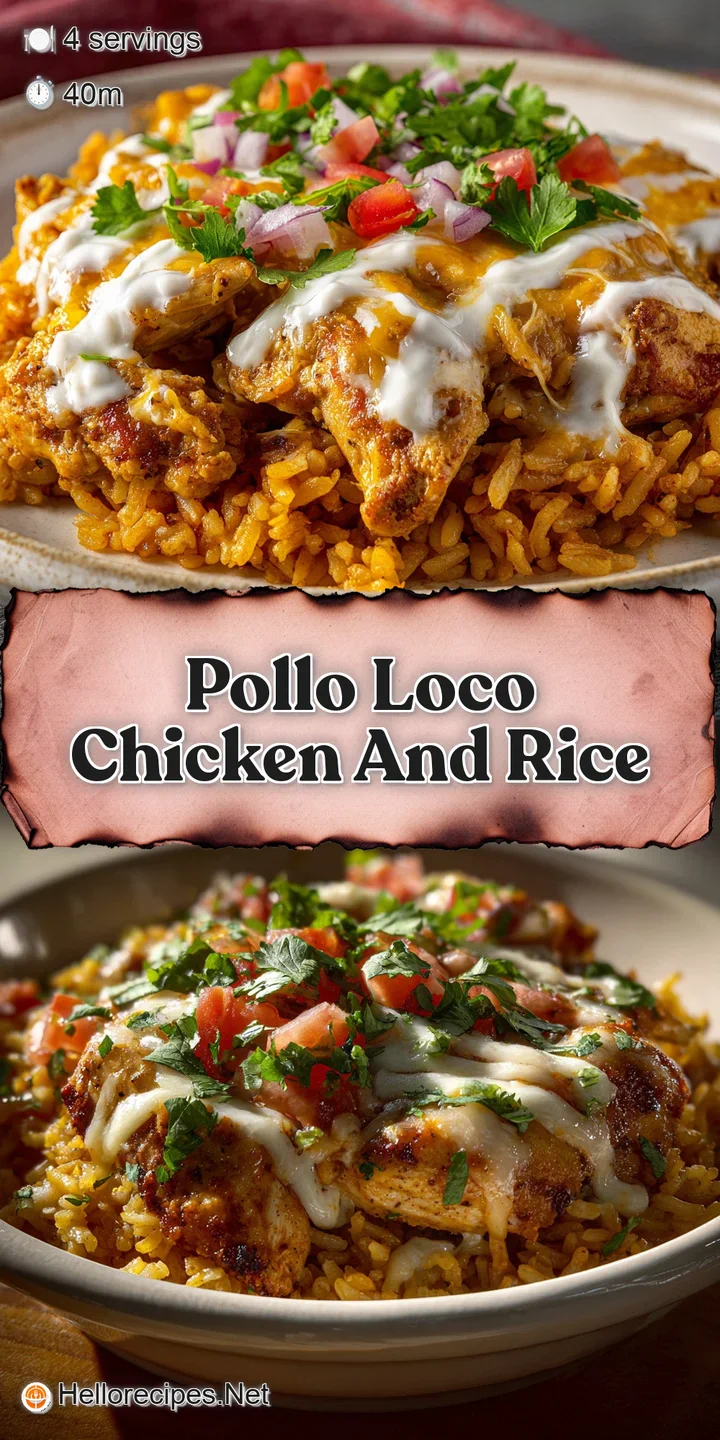
When serving this Chicken and Rice with Queso, don't just scoop it into a bowl. Use a ring mold or a small bowl to press the rice into a shape, then invert it onto the plate. Drape the queso over the top so it cascades down the sides. It looks more like a high end bistro dish and less like a weeknight skillet meal.
Finish with the optional cilantro and lime wedges. The green against the golden red rice is visually striking. If you want a "shatter" of texture, top the dish with crushed toasted pepitas or even some crispy fried onions. It provides that essential crunch that contrasts with the velvety cheese.
For those who enjoy a bit of extra kick, a drizzle of salsa macha (an oil based chili salsa) provides a smoky, spicy depth that complements the smoked paprika in the chicken. The goal is to create a multi sensory experience: the heat from the rice, the cold zing of the lime, and the creamy finish of the queso.
This is how we take a simple "Loco" inspired meal and make it something truly memorable.
Myths Regarding One Pan Cooking
Searing meat does not "seal in juices." This is a widespread misconception in home cooking. Moisture loss happens as protein fibers contract during heating, regardless of the crust.
The sear is purely for the Maillard reaction creating those complex, savory flavor molecules that make the Chicken and Rice with Queso taste professional.
Another common myth is that you must use a specific "Mexican" rice brand. The truth is that the technique rinsing, toasting, and the liquid ratio matters far more than the brand on the bag. A standard long grain white rice from any grocery store will perform perfectly if the starch is managed correctly.
Finally, many people believe you can't get "restaurant style" queso at home without processed "plastic" cheese. While processed cheese melts easily, a high-quality white American or a blended queso blanco with a splash of heavy cream can achieve that same silky consistency using better ingredients.
It's about maintaining a stable emulsion, not just melting solids.
High in Sodium ⚠️
1125 mg mg of sodium per serving (49% % of daily value)
The American Heart Association recommends limiting sodium intake to about 2,300mg per day for optimal health.
Sodium Reduction Tips for This Chicken and Rice Recipe
-
Broth Swap-30%
Use no-sodium chicken broth instead of low-sodium. This simple switch can significantly reduce the sodium content of the dish.
-
Salt Reduction-25%
Reduce the added kosher salt by half, using only 1/4 tsp. Taste and add a pinch more if needed, but be mindful of the overall sodium.
-
Cheese Alternative-15%
Substitute the queso blanco dip with a lower sodium cheese option, such as a dollop of plain Greek yogurt with a squeeze of lime or a sprinkle of Monterey Jack cheese. This will lower the overall sodium content.
-
Rinse Tomatoes-10%
Rinse the fire roasted diced tomatoes before adding them to the dish. Rinsing removes some of the excess sodium often found in canned goods.
-
Flavor Boost
Enhance the flavor with fresh herbs like cilantro or parsley instead of relying solely on salt. These herbs add complexity and freshness without increasing sodium.
Recipe FAQs
How many calories are in Mexican chicken rice and queso?
It varies significantly, but expect 550-750 calories per serving. The majority of the calories come from the queso blanco dip due to high fat content; using less cheese or swapping for a lighter crema will lower this substantially.
What's the healthiest thing to eat at El Pollo Loco?
The Chicken Breast and Steamed Veggies combo is generally the best choice. Opting for their grilled chicken breast (without skin or sauce) and avoiding the rice and cheese drastically reduces sodium and saturated fat intake.
What is chicken rice and queso called on a menu?
This specific combination doesn't have one universal name. It is often found as a customizable bowl or skillet dish, sometimes referred to as a "Fiesta Bowl" or a "Skillet Meal." If you are making it at home, this recipe focuses on perfecting the flavor layering found in traditional savory skillet
meals.
What's in El Pollo Loco queso?
El Pollo Loco's queso typically contains a blend of cheeses, milk, seasonings, and sometimes diced peppers. Achieving that signature velvety texture relies on an excellent emulsion; if you enjoyed controlling the fat distribution in this recipe, you’ll appreciate how that same principle keeps sauces stable, similar to achieving great texture in our Creamy Dreamy Delicious Chicken Ricotta Meatballs in Alfredo Sauce.
How do I keep my homemade queso from separating when topping hot rice?
Remove the skillet from the heat entirely before adding the queso. Pour the cheese on top and gently fold it in, letting the residual heat melt it rather than applying direct heat; this prevents the cheese proteins from tightening up and turning oily.
Can I substitute the long grain white rice for brown rice in this recipe?
Yes, but you must increase the liquid and cooking time significantly. Brown rice retains its bran layer, requiring more water (up to 4 cups broth) and a simmer time closer to 45 minutes to become tender.
Why does my chicken taste steamed instead of seared?
The pan was likely overcrowded or the heat was too low when the chicken was added. Overcrowding drops the pan temperature instantly, causing moisture release instead of the Maillard reaction crust formation.
Make sure your oil is shimmering hot and cook the chicken in smaller batches to achieve a true sear.
One Pan Pollo Loco
Ingredients:
Instructions:
Nutrition Facts:
| Calories | 756 kcal |
|---|---|
| Protein | 64 g |
| Fat | 26 g |
| Carbs | 65 g |
| Fiber | 2 g |
| Sugar | 3 g |
| Sodium | 1125 mg |
