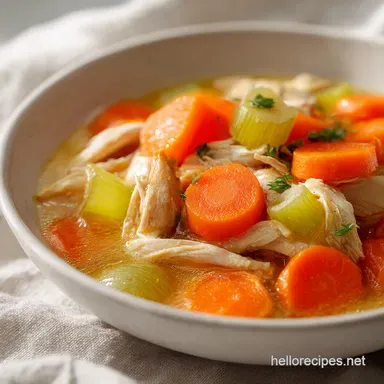
Homemade Chicken Soup: Nutrient-Dense
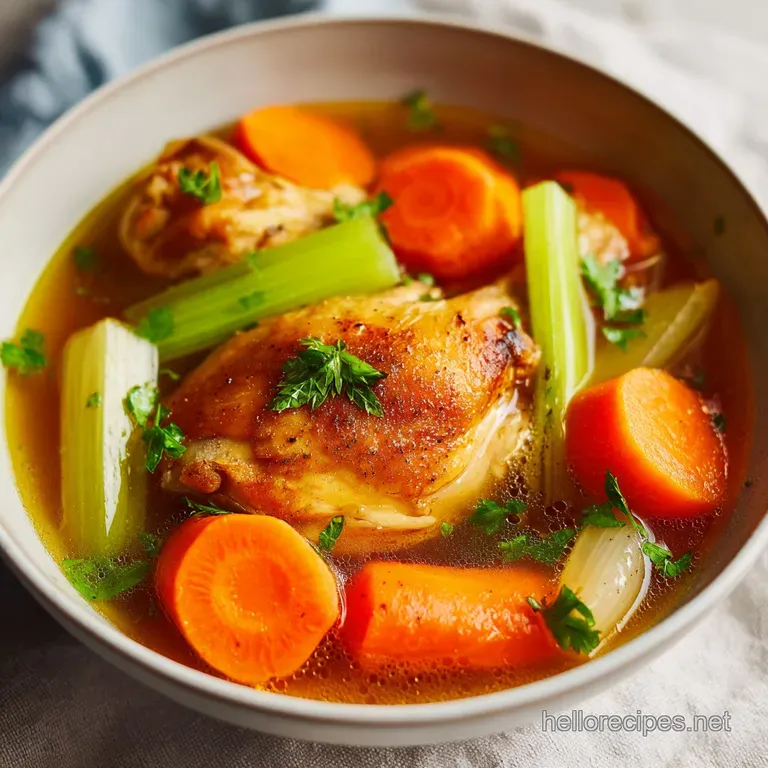
- Time:20 minutes active + 90 minutes simmer = 110 minutes total
- Flavor/Texture Hook: Silky, golden broth with tender, shredded chicken and a bright lemon finish
- Perfect for: Rainy day meal prep or a cozy family dinner
- The Secret to Velvety Chicken Soup
- What Makes This Work
- Component Analysis
- Gathering Your Essentials
- The Kitchen Arsenal
- Creating the Broth and Base
- Fixing Common Soup Issues
- Troubleshooting Common Issues
- Adjusting the Recipe Size
- Debunking Soup Myths
- Storage and Zero Waste
- The Art of Presentation
- Pairing Your Bowl
- Recipe FAQs
- 📝 Recipe Card
The Secret to Velvety Chicken Soup
The smell of thyme and lemon just hit the air, and suddenly the whole kitchen feels like a sanctuary. I remember one particular Tuesday in November when the rain was absolutely drumming against the windows, and I was convinced I needed a 24 hour bone broth to feel any real comfort.
I had this idea that the only way to get a deep, photographic gold color was to leave a pot simmering on the stove for an entire day, practically camping out in my kitchen.
But here is the thing, forget everything you know about those marathon simmer times. You don't need to spend a whole day on this. I discovered that by using bone in, skinless thighs and a specific cold start method, you can get that same luxurious, silky mouthfeel in under two hours.
It is a modern approach to a classic, focusing on the right cuts of meat rather than just raw time.
This Chicken Soup isn't just about filling a bowl, it's about the contrast between the savory depth of the simmered poultry and the sharp, fresh hit of lemon juice at the end. We are aiming for a broth that is clear but feels heavy on the tongue, with noodles that hold their shape and spinach that adds a pop of vivid green.
Trust me, once you try this method, you will never go back to those overnight pots.
What Makes This Work
Right then, let's talk about why this specific method produces such a distinctive result. It's not magic, just a few clever tricks with the ingredients.
The Collagen Hit: Using bone in thighs instead of breasts ensures the broth has natural gelatin, which creates a velvety texture. This is why the liquid feels rich even without adding cream.
Cold Start Extraction: Starting the pot with filtered cold water allows the proteins to dissolve slowly. This prevents the broth from becoming cloudy and keeps the flavor clean.
The Acid Balance: Adding fresh lemon juice at the very end acts as a highlighter for the other flavors. It cuts through the fat of the thighs, making the savory notes pop.
Controlled Simmer: Keeping the heat low prevents the chicken from toughening and keeps the fats from emulsifying into the water, which is what usually makes soup look muddy.
| Thickness | Internal Temp | Rest Time | Visual Cue |
|---|---|---|---|
| 1 inch Thigh | 165°F | 5 minutes | Meat pulls away easily |
| Shredded | N/A | 0 minutes | Fibers separate naturally |
| Noodles | N/A | 0 minutes | Tender but with a bite |
Component Analysis
I like to think of my ingredients as a team, each doing a specific job to make the Chicken Soup shine. If one person slacks off, the whole thing feels flat.
| Ingredient | Science Role | Pro Secret |
|---|---|---|
| Bone in Thighs | Structure & Body | Skinless prevents an oily film on top |
| Yellow Onion | Aromatic Base | Dice them evenly for consistent softening |
| Wide Egg Noodles | Texture & Bulk | Add them last to avoid absorbing all broth |
| Lemon Juice | Brightness | Never boil the juice or it loses its zing |
Gathering Your Essentials
For this recipe, quality is everything. I always suggest using filtered water because tap water can sometimes have a chlorine scent that clashes with the delicate thyme. I've found that using a large Dutch oven is the best way to maintain a steady, low heat throughout the process.
The Meat and Liquid
- 2 lbs bone in, skinless chicken thighsWhy this? Bone in provides the essential gelatin for body
- 10 cups filtered cold waterWhy this? Pure water keeps the broth clear
- 1 tbsp extra virgin olive oilWhy this? High smoke point for sautéing aromatics
The Aromatic Base
- 1 large yellow onion, dicedWhy this? Provides a balanced, savory sweetness
- 3 large carrots, sliced into roundsWhy this? Adds natural sugar and color
- 3 stalks celery, slicedWhy this? Essential for that traditional soup profile
- 3 cloves garlic, mincedWhy this? Adds a pungent, savory depth
The Flavor Accents
- 2 bay leavesWhy this? Adds a subtle, herbal background note
- 1 tsp dried thymeWhy this? Earthy scent that pairs with poultry
- 1 tsp black peppercorns, wholeWhy this? Whole peppercorns provide cleaner heat
- 1/2 tsp sea saltWhy this? Enhances all other flavors
The Finishers
- 8 oz wide egg noodlesWhy this? Hearty texture that stands up to the broth
- 2 cups fresh spinach, choppedWhy this? Adds nutrients and a fresh color
- 1 tbsp fresh lemon juiceWhy this? Cuts through the richness of the thighs
- 1/4 cup fresh parsley, choppedWhy this? Bright, grassy finish
| Original Ingredient | Substitute | Why It Works |
|---|---|---|
| Bone in Thighs | Bone in Breasts | Leaner meat. Note: Broth will be less silky |
| Wide Egg Noodles | gluten-free Pasta | Similar shape. Note: Cook carefully to avoid mushiness |
| Fresh Spinach | Kale | Heartier green. Note: Needs 5 extra minutes to soften |
| Fresh Lemon Juice | Apple Cider Vinegar | Similar acidity. Note: Adds a slight fruity tang |
The Kitchen Arsenal
You don't need a professional kitchen to make a great Chicken Soup, but a few specific tools make the process way smoother. Honestly, don't even bother with a thin pot, as they have hot spots that can scorch your vegetables.
I swear by a heavy bottomed Dutch oven (like Le Creuset or Lodge). The cast iron distributes heat evenly, which is crucial during that 45 minute simmer. If the heat spikes, you risk boiling the chicken, which makes the meat stringy and the broth cloudy.
You will also need a fine mesh strainer. This is the only way to ensure your broth is crystal clear. According to Serious Eats, skimming the foam and straining the liquid are the two most important steps for a professional looking broth. A slotted spoon is also handy for removing the thighs without splashing hot water everywhere.
Creating the Broth and Base
Now, let's crack on with the actual cooking. I've broken this down into phases so you can see how the flavor builds.
Phase 1: The Cold Start Simmer
Place the 2 lbs bone in, skinless chicken thighs, 10 cups filtered cold water, 2 bay leaves, and 1 tsp black peppercorns in your Dutch oven. Bring this to a gentle simmer over medium heat. As soon as you see the first few bubbles, reduce the heat to low.
Note: You will see some grey foam rise to the top. Use your spoon to skim this off. This is just denatured protein, and removing it is what keeps the Chicken Soup looking clean and professional. Simmer for 45 minutes.
Phase 2: Building the Flavor Profile
Remove the chicken thighs and set them aside on a plate to cool. Carefully strain the broth through your fine mesh strainer into a large bowl. This removes the peppercorns and bay leaves, leaving you with a pure, golden liquid.
In that same pot, heat 1 tbsp extra virgin olive oil over medium heat. Add the diced onion, 3 sliced carrots, and 3 sliced celery stalks. Sauté them for 6-8 minutes until the onions are translucent and the carrots smell fragrant.
Stir in the 3 minced garlic cloves and 1 tsp dried thyme, cooking for just 60 seconds more so the garlic doesn't burn.
Phase 3: The Final Integration
Pour your reserved broth back into the pot with the sautéed vegetables. Bring the liquid back to a boil, then immediately reduce to a simmer for 15 minutes. This allows the vegetables to soften and infuse the broth with their sweetness.
While that simmers, shred the cooled chicken thighs using two forks, discarding the bones. Return the shredded meat to the pot. Add the 8 oz wide egg noodles and cook them until they are tender but still have a slight bite (usually 7-10 minutes depending on the brand).
In the final 2 minutes of cooking, fold in the 2 cups of chopped spinach and 1/4 cup of chopped parsley. Turn off the heat and stir in the 1 tbsp fresh lemon juice and 1/2 tsp sea salt. The residual heat will wilt the spinach perfectly without turning it brown.
Fixing Common Soup Issues
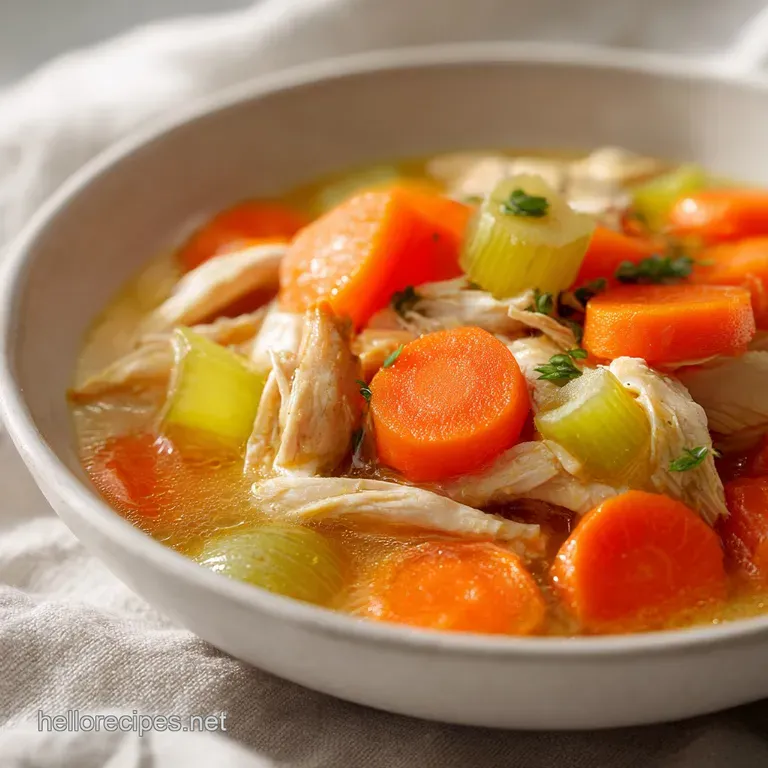
Even the best of us have mishaps. Maybe your broth looks like dishwater or your noodles have turned into mush. It happens. The most common issue I see is people rushing the sauté phase, which leaves the vegetables tasting raw.
Troubleshooting Common Issues
| Issue | Solution | ||||||
|---|---|---|---|---|---|---|---|
| Why Your Broth Is Cloudy | If your Chicken Soup looks milky or grey, you likely boiled it too hard. High heat emulsifies the fats into the water, creating a cloudy appearance. To prevent this, always keep the liquid at a gentle | ||||||
| Why Your Noodles Are Mushy | Overcooking noodles is a classic mistake. If you plan on having leftovers, I highly recommend cooking the noodles separately and adding them to individual bowls. This prevents them from absorbing all | ||||||
| Why Your Soup Tastes Flat | If the flavor feels missing, it's usually a lack of acidity or salt. A tiny bit more lemon juice or a pinch of sea salt can wake up the whole pot. | Problem | Root Cause | Solution | --------- | ------ |
Adjusting the Recipe Size
Scaling a Chicken Soup is pretty straightforward, but you can't just multiply everything by two and expect the same result. Liquids and spices behave differently in larger volumes.
Scaling Down (Half Batch) If you're only cooking for two, use 1 lb of chicken and 5 cups of water. Use a smaller pot to prevent the liquid from evaporating too quickly. Reduce the sauté time by about 2 minutes, as fewer vegetables will heat up faster.
Scaling Up (Double or Triple Batch) When doubling, don't double the salt or thyme. Start with 1.5x the amount and taste as you go. You can also reduce the total water by about 10% because less evaporation occurs in a very full pot.
If you are using a massive stockpot, remember that it takes longer to reach a simmer, so account for that extra time.
Chef's Note: If you're making a massive batch, work in batches when sautéing the vegetables. If you overcrowd the pan, the carrots will steam instead of browning, and you'll lose that deep, caramelized flavor.
Debunking Soup Myths
There are so many "rules" about soup that are actually just myths. Let's clear a few of them up.
The Searing Myth Some people insist you must sear the chicken first to "seal in the juices." This is a total myth. Searing adds flavor, but it doesn't stop moisture loss. In fact, for a clear Chicken Soup, a gentle simmer from a cold start is actually better for the broth's appearance.
The 24 Hour Requirement You'll see recipes claiming you need a 24 hour simmer for "real" stock. While long simmers extract more minerals, using bone in thighs gives you the collagen and richness you need in a fraction of the time. You get 90% of the flavor in 10% of the time.
Storage and Zero Waste
To keep your Chicken Soup fresh, let it cool completely before transferring it to airtight glass containers. It will stay great in the fridge for 4 days. If you're freezing it, I recommend freezing the broth and chicken together, but leave the noodles out. Frozen noodles often turn into paste upon reheating.
For the freezer, use freezer safe bags and flatten them out to save space. They will last up to 3 months. When reheating, do it slowly on the stovetop over medium low heat, adding a splash of water if the broth has thickened too much.
In the spirit of zero waste, don't toss your vegetable scraps. The onion skins and carrot ends from this recipe can be stored in a freezer bag. Once the bag is full, simmer them with water to create a light veggie base for your next meal. If you have leftover chicken bones, you can toss them into a simmered turkey soup for extra depth.
The Art of Presentation
Since we're going for a modern, photographic look, how you serve your Chicken Soup matters. The contrast of the golden broth and the green spinach is already a win, but a few tweaks can make it look professional.
Plating Levels
| Level | Vessel | Garnish | Vibe |
|---|---|---|---|
| Simple | Deep Ceramic Bowl | Stirred in parsley | Cozy home comfort |
| Polished | Shallow Wide Bowl | Fresh parsley sprig on top | Sunday brunch |
| Restaurant | Wide rimmed Bowl | Micro greens & olive oil drizzle | Upscale bistro |
For the restaurant look, place the noodles and chicken in a tight mound in the center of the bowl. Carefully pour the broth around the edges so the ingredients don't float randomly. Finish with a tiny swirl of extra virgin olive oil and a few leaves of micro parsley.
Pairing Your Bowl
This Chicken Soup is a powerhouse on its own, but it loves a bit of company. I usually serve it with a crusty piece of sourdough bread rubbed with a raw garlic clove. The crunch of the toast against the velvety broth is a match made in heaven.
If you want something a bit more indulgent, try pairing it with a sharp cheddar grilled cheese. The richness of the melted cheese balances the brightness of the lemon in the soup. For those who want a different twist on this flavor profile, you might enjoy my creamy chicken noodle soup for an even richer experience.
Right then, you've got everything you need to make a Chicken Soup that actually works. No 24 hour waits, no cloudy broth, just pure, velvety comfort in a bowl. Let's get cooking!
Recipe FAQs
What ingredients to add in chicken soup?
Combine aromatic vegetables and fresh herbs. Use a base of onion, carrots, and celery with garlic, thyme, bay leaves, and peppercorns, finishing with spinach, parsley, and lemon juice for brightness.
What are common mistakes when making chicken soup?
Boiling the broth too vigorously and overcooking the noodles. High heat emulsifies fats and makes the soup cloudy, while boiling noodles too long results in a mushy texture.
Is chicken soup good for diabetics?
Yes, as long as you manage the noodle portions. The chicken and vegetables are nutrient-dense and low-glycemic, but the egg noodles provide the bulk of the carbohydrates.
What is the best soup for kidney patients?
Consult a medical professional for personalized dietary needs. Kidney patients often require strict limits on sodium and potassium, which may necessitate adjusting the sea salt and vegetable content.
How to prevent the broth from becoming cloudy?
Simmer the liquid gently and skim any grey foam from the surface. Keeping the temperature low prevents fats from emulsifying into the water, ensuring a clear result.
Is it true that you can freeze the soup with the noodles included?
No, this is a common misconception. Frozen noodles often turn into paste upon reheating; it is better to freeze only the broth and chicken.
How to keep the noodles from getting mushy in leftovers?
Cook the noodles in a separate pot. Add them to individual bowls before serving to prevent them from absorbing all the broth during storage. If you enjoy managing pasta texture this way, see how we handle it in our Italian bean soup.
Chicken Soup: Silky and Golden