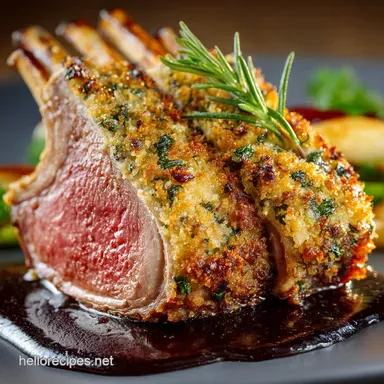
Dijon Herbcrusted Rack of Lamb with Sharp Redcurrant Glaze
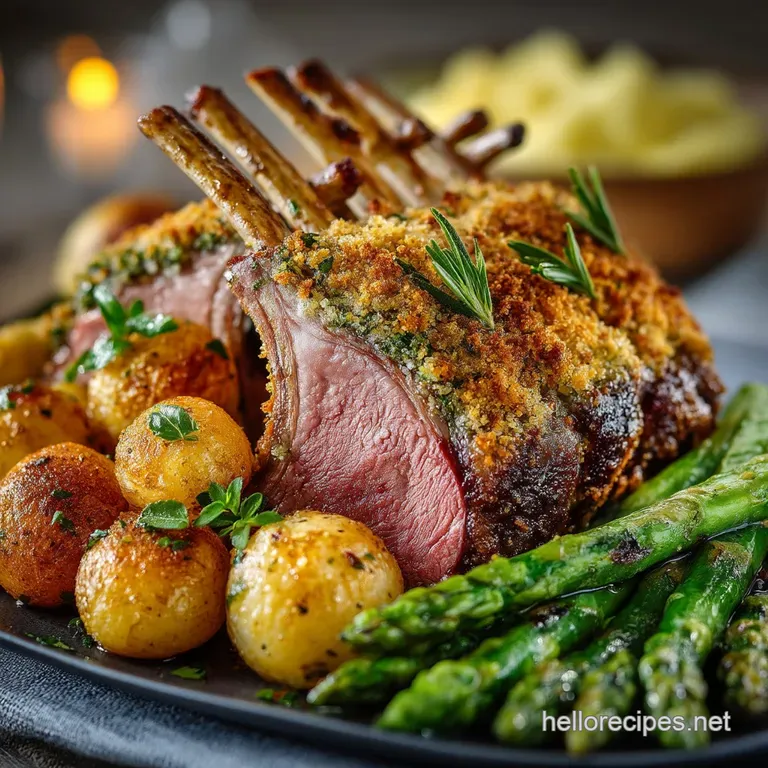
The Ultimate Showstopper: Elegant Lamb for Your Spring Table
Easter marks the official transition to spring dining, and after a winter of heavy stews and pot roasts, our palates crave something fresh, vibrant, and elegant. While ham remains a classic staple, many home cooks are seeking new and sophisticated Easter Dinner Ideas that deliver maximum impact without demanding a full day in the kitchen.
This Dijon and Herb Crusted Rack of Lamb is precisely that: a truly spectacular centerpiece that promises tender, flavorful meat encased in a fragrant, crunchy crust, all complemented by a beautifully tangy redcurrant reduction.
It’s an elevated choice that instantly signals a special occasion, perfectly fitting for any sophisticated gathering, and a fantastic alternative for those looking specifically for Easter Dinner Ideas No Ham .
Effortless Impact: The Perfect Easter Dinner Idea
The beauty of the rack of lamb lies in its relatively short cook time and its natural ability to impress. Unlike a sprawling leg of lamb that requires hours of slow roasting, this dish is designed to maximize flavor development in just over an hour, making it one of the most efficient high impact Easter Dinner Ideas .
Why Rack of Lamb is Easier Than You Think
While the term "rack of lamb" might sound intimidating, the process itself is surprisingly straightforward. It involves three simple stages: a high heat sear, a quick roast, and a crucial resting period.
The entire active cooking phase takes only about 35 to 40 minutes, meaning less time monitoring the oven and more time enjoying your company. However, precision is key.
Because the roasting window is narrow, achieving the perfect medium rare (our target internal temperature of 57° C / 135° F) requires an accurate digital thermometer, elevating the difficulty level to medium. Trust the thermometer, and this is a stress free meal.
Deconstructing the Dijon and Herb Crust
The herb crust is what transforms a simple roast into a culinary event. It serves a dual purpose: locking in the lamb's precious juices and delivering a burst of contrasting texture and flavor. The base relies on three tablespoons of potent Dijon mustard, which acts as a sticky adhesive across the fat cap.
This binder securely holds a vibrant mixture of fresh ingredients finely chopped rosemary, thyme, garlic, and crisp Panko breadcrumbs. The rosemary and thyme offer an earthy, traditional flavour profile, while the Panko ensures the coating achieves an incredibly light, crunchy texture rather than becoming heavy or soggy during the roast.
A Celebration of Fresh Spring Flavours
To cut through the richness of the lamb, we pair it with a quick reduction glaze built directly from the savory pan juices (the fond ) left behind after searing. This tangy sauce utilizes finely minced shallots and a half cup of red wine to deglaze the pan, capturing all those browned bits of flavour.
The essential springtime element is the redcurrant jelly, which brings a welcome piquant sweetness. The final addition of cold, cubed butter a classic French technique known as monté au beurre —whisked in right before serving, transforms the reduction into a glossy, rich, and perfectly emulsified glaze.
Related Recipes Worth Trying
- Classic Honey Butter Dinner Rolls Recipe Fluffy Homemade Bread — Whip up truly fluffy dinner rolls that vanish faster than the last scone at the fête This easy homemade rolls recipe delivers a golden crust Find out how now
- Tender Beef in Balsamic Onion Sauce Rich Weeknight Dinner — Forget fussy cooking This Tender Beef in Balsamic Onion Sauce recipe delivers meltinyourmouth beef chunks in a deep tangy sauce An easy beef dinner that...
- Ultimate Cheesy Chicken Leek Bake Easy Family Dinner Casseroles — Need easy family dinner casseroles This creamy flavourful chicken and leek bake elevates comfort food with a savoury crunchy crumb topping Find out the...
Gathering Your high-quality Components and Tools
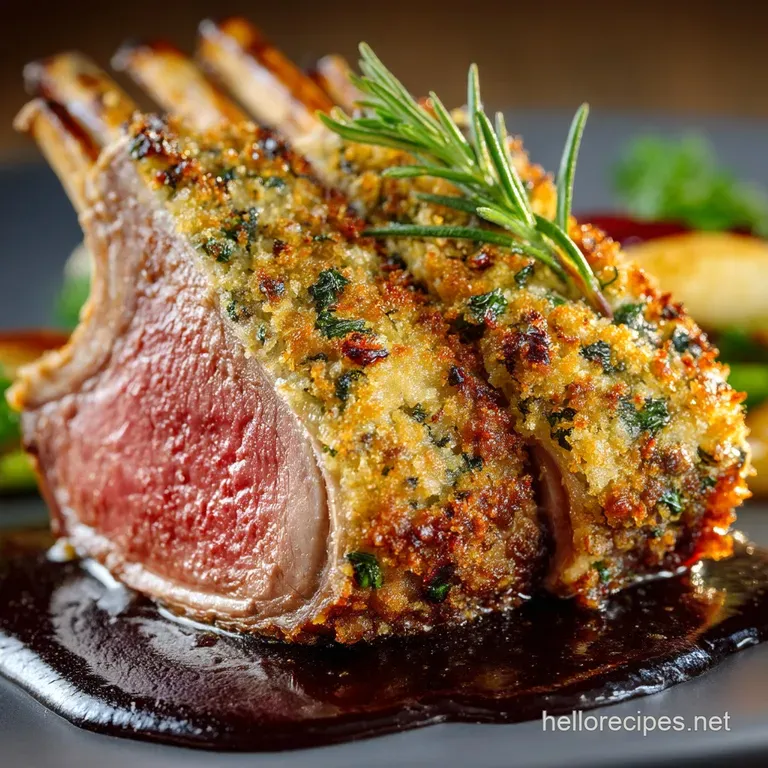
Starting with superior ingredients is non-negotiable for a dish this focused. Since the lamb is the undisputed star, its quality directly dictates the final outcome.
Sourcing the Perfect Rack: Lamb Quality Matters Most
For four servings, look for a single, eight bone rack of lamb, ideally French trimmed and weighing approximately 800 grams (1.75 pounds). French trimming where the meat and fat are scraped from the ends of the rib bones makes for an elegant presentation and helps the meat cook more evenly.
If possible, choose grass fed lamb for a cleaner, richer flavour profile that stands up beautifully to the aromatic crust. Ensure the rack is thoroughly patted dry before seasoning to encourage a deep, effective sear.
Pantry Essentials for the Tangy Redcurrant Glaze
The sauce requires surprisingly few components. You will need two medium shallots, minced finely, and a half cup of a dry red wine, such as Merlot or Pinot Noir. The liquid base consists of one cup of low-sodium beef or lamb stock. The signature tartness comes from three tablespoons of redcurrant jelly.
Finally, reserve one tablespoon of chilled, cubed unsalted butter to whisk in at the very end, lending the sauce its professional sheen and velvety texture.
Creating the Aromatic Herb Rub Base
The crust ingredients must be high quality and fresh. Measure out one cup of dry Panko or homemade breadcrumbs. For the herbs, use ten grams of finely chopped fresh rosemary and five grams of thyme leaves freshness is vital here for maximum fragrance.
This is mixed with two cloves of minced garlic and bound initially with two tablespoons of high-quality extra virgin olive oil before the entire mixture is pressed onto the lamb coated in Dijon mustard.
Essential Tools for Roasting Success
The success of this medium level recipe hinges entirely on accuracy. The single most vital piece of equipment is a reliable digital meat thermometer . Without it, achieving that perfect medium rare is a guess.
You will also need a heavy bottomed, oven safe frying pan or cast iron skillet for the initial sear, as this pan will hold the flavorful fond needed for the glaze. A sharp carving knife and a wire rack set over a tray for roasting and resting are also essential to ensure even air circulation around the meat.
Step-by-step Guide to a Flawless, Juicy Finish
Executing this dish requires attention to timing and temperature. Follow these steps sequentially for a tender, perfectly crusted result.
Preparing and Searing the Lamb Centerpiece
Begin by preheating your oven to 200° C ( 400° F). After seasoning the lamb liberally with coarse sea salt and pepper, heat two tablespoons of high heat tolerant olive oil in your skillet until it shimmers.
Place the rack fat-side down and sear for three to four minutes until a rich, deep brown crust forms. Briefly sear the flesh sides for one minute each. Immediately remove the lamb and place it on a wire rack to cool slightly, making sure to reserve the skillet with the cooking fats and browned bits we need those precious remnants for the reduction glaze later.
Applying the Crust and Roasting to Temperature
While the lamb rests briefly, combine your breadcrumbs, herbs, minced garlic, and olive oil in a bowl. Next, brush the entire top (fat) side of the seared lamb generously with the three tablespoons of Dijon mustard. Firmly press the herb breadcrumb mixture onto the mustard layer, ensuring a thick, even coating.
Roast the rack for just 12 to 18 minutes. Monitor the internal temperature closely, pulling the lamb from the oven the moment it hits 57° C ( 135° F) for medium rare, or 60° C ( 140° F) if you prefer medium.
Whisking Up the Quick Reduction Glaze
While the lamb begins its crucial rest, quickly move to the sauce. Pour off most of the excess oil from the reserved searing pan, leaving the fond . Add the minced shallots and sauté over medium heat for about four minutes until soft.
Pour in the half cup of red wine, vigorously scraping the bottom of the pan to deglaze and release all the flavor. Reduce this liquid until it becomes slightly syrupy. Then, introduce the stock and the redcurrant jelly. Simmer for five to eight minutes until the mixture coats the back of a spoon.
Before serving, strain the sauce if you prefer a smoother consistency, then finish by whisking in the cold, cubed butter to achieve a beautiful, glossy finish.
The Crucial Step: Resting and Carving
This step is absolutely non-negotiable for a truly juicy roast. As soon as the lamb is removed from the oven, cover it loosely with foil and let it rest on the cutting board for a full 10 to 15 minutes.
This resting period allows the muscle fibres to relax, drawing the accumulated juices back into the meat. Skipping this step results in dry lamb and a messy cutting board. After resting, slice the rack into individual or double chops and serve immediately, drizzling lightly with the warm redcurrant glaze.
Perfecting Your Menu: More Easter Dinner Ideas and FAQs
Planning the complete holiday meal requires balance. If you are looking for simple Easter Dinner Ideas Easy to complement this rich centerpiece, focus on fresh, seasonal components.
Recommended Spring Sides (Asparagus and Salad Focus)
Since the lamb is rich and savory, the sides should be bright and refreshing. The classic accompaniment of Asparagus Spears , simply steamed and finished with lemon zest and sea salt, is ideal.
Another excellent choice is a light spring salad featuring tender greens, radishes, and a simple vinaigrette. For the starch, steer clear of heavy stuffing; instead, opt for elegant Potatoes Dauphinoise or a delicate Potato and Chive Mash.
If you were searching for quick options like a Sheet Pan Easter Dinner utilizing Roasted Lemon Salmon and Asparagus , you can easily incorporate the asparagus component here to streamline prep.
Tips for Achieving the Ideal Internal Temperature
As reiterated, the digital thermometer is the hero of this recipe. Lamb is best enjoyed medium rare ( 57° C / 135° F), but remember the principle of carryover cooking: the internal temperature will continue to rise by 3 to 5 degrees after you pull it from the oven.
Therefore, if you pull the meat at 57° C, it will peak perfectly at around 60° C. Inserting the probe correctly, reaching the center of the thickest part of the meat without touching bone, is vital for an accurate reading.
Ingredient Swaps and Using Alternative Lamb Cuts
This herb crust and tangy glaze can be adapted if lamb isn't your preferred protein or if you’re exploring other Easter Dinner Ideas No Ham . The crust works exceptionally well on a pork loin roast, adjusting the target temperature to 63° C ( 145° F).
Alternatively, for a smaller scale, try it on thick cut duck breast. If redcurrant jelly is unavailable, quality fig jam or apricot preserves mixed with a splash of balsamic vinegar will provide the necessary sweet tart balance for the sauce.
For cooks tackling Easter Dinner Ideas for 2 , this recipe scales down easily to a smaller four bone rack, ensuring minimal waste. For those serving a Easter Dinner Ideas for Large Group , focus on consistency by roasting two separate small racks rather than one very large piece.
Storage, Reheating, and make-ahead Prep
While lamb is always best enjoyed immediately after resting, you can prepare the herb crust mixture up to 24 hours in advance and store it in the refrigerator. Leftover lamb should be cooled quickly, carved into individual chops, and stored in an airtight container for up to three days.
To reheat, avoid the microwave; instead, wrap the chops tightly in foil and warm gently in a moderate oven ( 160° C / 325° F) until just warm through, minimizing the loss of moisture.
If you need inspiration for a quick solution for your easter dinner ideas 2025 that is easier than a roast, consider simpler alternatives like One Pot Dinners or the aforementioned Spring Vegetable Sheet Pan Dinner methods.
Recipe FAQs
How do I make absolutely certain the lamb is cooked perfectly and not overdone for my Easter Dinner Ideas menu?
Don't panic! The absolute key to a show stopping roast is internal temperature control. You must use a digital thermometer, aiming for 57°C (135°F) for medium rare, pulling the rack out slightly before your target. Crucially, let the lamb rest for a full 10 15 minutes under loose foil.
That rest is non-negotiable, as it allows the juices to settle and prevents them from rushing out when you carve, ensuring a beautifully moist result.
Can I prep the rack of lamb the day before to save time on Easter Sunday?
Absolutely, you clever cookie! You can certainly do some groundwork. Feel free to trim the lamb, sear it quickly, and even mix the herb and breadcrumb crust the day before, keeping the mixture chilled in an airtight container.
However, do not apply the Dijon or the breadcrumb crust until immediately before it goes into the oven. Applying the crust early guarantees a soggy mess, and we want that lovely crunch!
I can't find redcurrant jelly anywhere is there an easy substitution for the sharp glaze?
No need to run to the shops! Redcurrant is classic, but you’re really looking for that perfect sweet sharp counterbalance to the richness of the lamb. A good quality fig jam or high end apricot preserves works brilliantly instead.
If you use either, simply whisk in a dash of balsamic or sherry vinegar right at the end of the sauce reduction to maintain that essential piquant zing required to cut through the fatty lamb.
Help! My lovely herb crust seems to be flaking off the lamb when I carve it. What went wrong?
This usually comes down to either poor adhesion or insufficient resting time. Ensure the lamb is fully rested after cooking; slicing it too early releases steam that can push the crust away.
When applying the crust, make sure the Dijon layer is thick and even (it’s the glue!) and give the breadcrumb mixture a proper British pat-down to ensure it’s firmly pressed onto the meat before roasting.
We always have mountains of food! How should I store any leftover herb crusted lamb and sauce?
The carved lamb and the redcurrant glaze should be stored separately in airtight containers in the fridge for up to three days. For the best flavour, slice the leftovers thinly and serve them cold the next day it makes a smashing sandwich with a little English mustard or homemade chutney.
Try to avoid reheating the chops whole, as it dries out the meat and completely spoils the beautiful texture of the crust.
Herbcrusted Lamb Rack For Easter Dinner