Cilantro Lime Rice: Fluffy and Citrus Forward
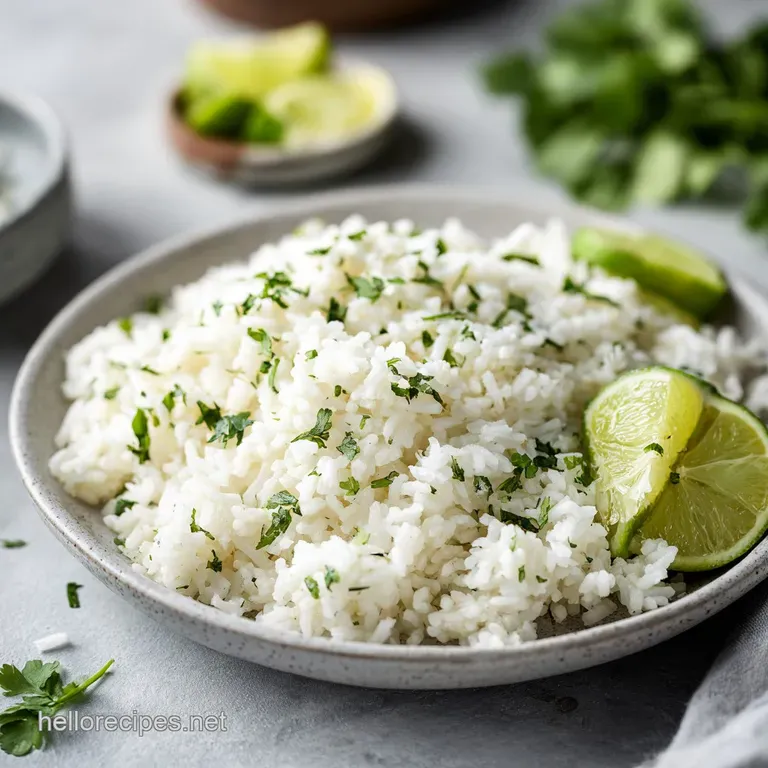
- Time: Active 10 minutes, Passive 20 minutes, Total 30 minutes
- Flavor/Texture Hook: Fluffy, citrus forward, and herbaceous grains
- Perfect for: Gastronomy focused weeknight dinners or meal prep
- Crafting Flawless Cilantro Lime Rice
- Technical Specifications and Logistics
- Selecting Your Primary Elements
- Required Culinary Hardware List
- Systematic Preparation Workflow
- Resolving Inconsistent Results
- Adapting the Core Formula
- Strategic Preservation Methods
- Designing Integrated Menus
- Recipe FAQs
- 📝 Recipe Card
Crafting Flawless Cilantro Lime Rice
The first time I attempted this, I ended up with a gummy, pale imitation of the Chipotle classic. I remember the steam hitting my face - it smelled like wet grass instead of that bright, zingy aroma I was chasing.
I realized I was treating the rice like a secondary thought, just throwing it in a pot and hoping for the best. But when you witness the sizzle of dry grains hitting hot oil, you know you're in for something different.
There is a specific moment when the lime zest meets the warm rice where the fragrance changes from simple citrus to something more complex and floral. It is about that contrast between the savory garlic base and the sharp, acidic finish.
We are looking for grains that shimmer under the light and feel separate on the tongue, never clumping or collapsing into a mash.
This approach is about using culinary technology - even if that's just a heavy bottomed pot and a microplane - to respect the ingredients. We want to maximize the sustainable nature of Basmati rice by highlighting its natural nuttiness while layering in the herbaceous pop of fresh cilantro.
It is a simple dish, sure, but the execution requires a bit of precision to get that signature "shatter proof" grain structure.
The Starch Management Hypothesis
Amylose Ratio: Basmati rice contains a high percentage of amylose, which prevents the grains from sticking together during the gelatinization process.
Lipid Barrier: Coating each grain in neutral oil before adding liquid creates a physical barrier that limits starch leakage into the cooking water.
Technical Specifications and Logistics
| Method | Time | Texture | Best For |
|---|---|---|---|
| Stovetop | 20 minutes | Fluffy & distinct | Maximum control and aroma |
| Oven (Bake) | 25 minutes | Uniformly dry | Large batches and hands off cooking |
| Pressure Cooker | 15 minutes | Softer & tender | Speed focused preparation |
To achieve the best results, the stovetop method allows for the most precise heat management, which is essential for the Maillard reaction during the initial toasting phase. If you are looking for more automation, you might consider how to adapt this to a How to Cook recipe for a faster turnaround on busy nights. Regardless of the heat source, the ratio of 1.5 cups of rice to 2.25 cups of water remains the golden rule for this specific hydration level.
Component Analysis
| Ingredient | Science Role | Pro Secret |
|---|---|---|
| Basmati Rice | Structural Foundation | Rinse until the water is completely transparent to remove surface starch. |
| Neutral Oil | Heat Conductor | Use an oil with a high smoke point to toast grains without burning. |
| Lime Juice/Zest | Acidic Brightness | Zest provides the aromatic oils; juice provides the sharp acidity. |
| Kosher Salt | Flavor Enhancer | Salt the water, not just the finished rice, to season from within. |
The relationship between the water and the grain is purely mathematical. If you use too much water, the cell walls of the rice rupture, releasing starch that turns your side dish into a porridge. By sticking to the 1:1.5 ratio, we ensure the grains absorb exactly what they need to reach a tender yet firm state.
Selecting Your Primary Elements
- 1.5 cups long grain Basmati rice: This variety is the gold standard for separation. Why this? High amylose content ensures grains stay distinct and fluffy rather than sticky.
- Substitute: Jasmine rice (slightly stickier, more floral profile).
- 2.25 cups water: The precise hydration needed for this volume of rice. Why this? Maintains the ideal 1:1.5 ratio for stovetop absorption methods.
- Substitute: Vegetable broth (adds depth but alters the bright white color).
- 1 tbsp neutral oil: Used to toast the rice and coat the grains. Why this? Prevents sticking and adds a subtle richness to the palate.
- Substitute: Avocado oil (high smoke point and sustainable fat source).
- 1 tsp kosher salt: Essential for bringing out the citrus and herb notes. Why this? Coarse grains dissolve evenly during the simmering process.
- Substitute: Sea salt (use 3/4 tsp due to finer grain size).
- 2 medium limes, zested and juiced: The heart of the flavor profile. Why this? Fresh citrus provides volatile oils that bottled juice simply lacks.
- Substitute: Lemon (yields a different, more Mediterranean citrus profile).
- 0.5 cup fresh cilantro, finely chopped: For that signature herbaceous finish. Why this? Provides a sharp green contrast to the rich, salty rice.
- Substitute: Flat leaf parsley (if you have the gene that makes cilantro taste like soap).
- 2 cloves garlic, minced: The aromatic base of the dish. Why this? Adds a savory layer that balances the sharp lime acidity.
- Substitute: 1/2 tsp garlic powder (less pungent, more uniform distribution).
Required Culinary Hardware List
To execute this recipe with precision, a heavy bottomed saucepan is your most important tool. Thin pots often have "hot spots" that will scorch the bottom layer of rice while the top remains raw. You also need a fine mesh strainer; rinsing the rice is non negotiable in this kitchen.
A microplane or fine zester is the best piece of technology for extracting lime oils without hitting the bitter white pith.
For those who prioritize speed, using a pressure cooker can change the game, much like the process in a Spanish Rice Recipe where timing is everything. However, for the most sustainable and traditional result, a simple lid with a tight seal is all you truly need. Ensure your lid fits perfectly to prevent steam from escaping, which would throw off our water to rice ratio.
Systematic Preparation Workflow
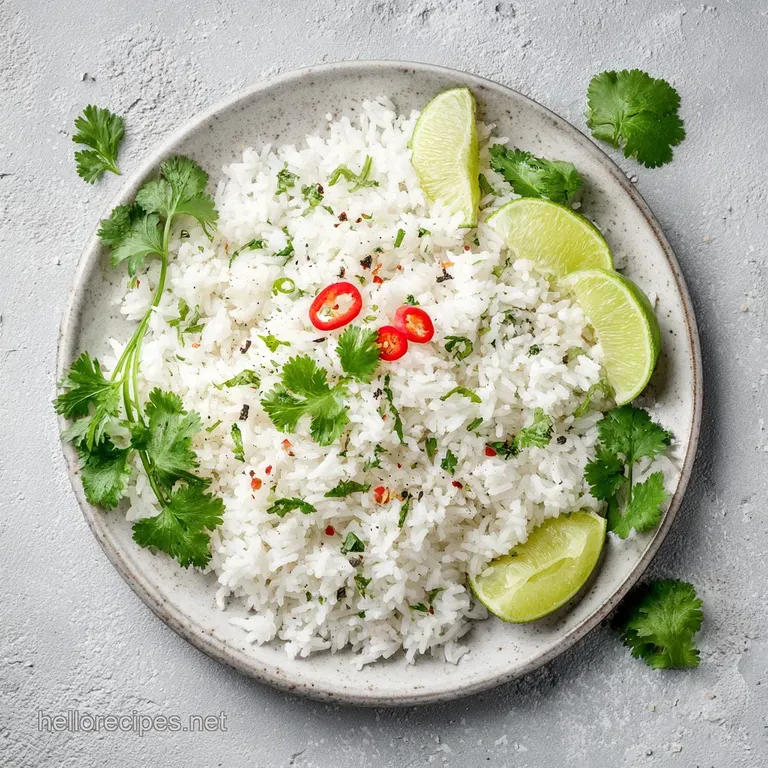
- Rinse the 1.5 cups long grain Basmati rice. Place the rice in a fine mesh strainer and run cold water over it until the water runs crystal clear. Note: This removes surface amylopectin that causes stickiness.
- Sauté the 2 cloves garlic. Heat 1 tbsp neutral oil in a saucepan over medium heat and add the garlic, stirring for 30 seconds until fragrant but not browned.
- Toast the dry rice. Add the rinsed and drained rice to the pan, stirring constantly for 2-3 minutes until the grains look opaque and smell nutty.
- Add the 2.25 cups water and 1 tsp kosher salt. Pour the liquid in carefully to avoid a steam burn, then stir once to distribute the salt.
- Boil and then simmer. Bring the mixture to a vigorous boil, then immediately turn the heat to the lowest setting and cover with a tight lid.
- Cook without peeking. Let the rice simmer for 18 minutes until all liquid is absorbed and small steam holes appear.
- Rest the grains. Remove the pot from the heat and let it sit, covered, for 5-10 minutes. Note: This allows the moisture to redistribute evenly throughout the pot.
- Zest and juice the 2 medium limes. While the rice rests, prepare your citrus components to ensure they are fresh and vibrant.
- Fold in the aromatics. Add the lime zest, lime juice, and 0.5 cup fresh cilantro to the pot, using a fork to fluff the rice gently.
- Final taste check. Adjust with an extra pinch of salt if needed and serve immediately while the herbaceous notes are at their peak.
Resolving Inconsistent Results
Why Your Rice Is Gummy
If the rice feels more like a paste than individual grains, the primary culprit is usually insufficient rinsing or over stirring. Stirring activates the starches, much like making a risotto, which we want to avoid here. If you find the stovetop too finicky, you might prefer a Fluffy Pressure Cooker recipe approach which uses high pressure to set the starch quickly.
| Problem | Root Cause | Solution |
|---|---|---|
| Crunchy Grains | Not enough water or lid was loose | Add 2 tbsp water, cover tightly, and steam for 5 more minutes. |
| Scorched Bottom | Heat was too high during simmering | Use a heat diffuser or ensure the burner is at the absolute minimum. |
| Dull Flavor | Adding lime juice too early | Always fold in lime and cilantro at the very end to preserve volatile oils. |
Common Mistakes Checklist
- ✓ Skipping the rinse: This is the fastest way to ruin the texture of your Cilantro Lime Rice.
- ✓ Lifting the lid: Every time you peek, you lose the steam pressure required to cook the top layer of rice.
- ✓ Using bottled lime juice: The "tinny" flavor of preservatives will overwhelm the delicate rice.
- ✓ Over chopping the cilantro: Use a sharp knife to avoid bruising the leaves, which leads to a soapy taste.
- ✓ Neglecting the rest period: The 10 minute rest is when the grains "set" their structure.
Adapting the Core Formula
Scaling this recipe requires an understanding of evaporation rates. When you double the recipe (3 cups rice, 4.5 cups water), you don't actually need to double the salt or spices perfectly. I recommend using 1.5x the salt and 1.75x the lime juice to start, then adjusting to taste.
For half batches, use a smaller pot to ensure the water level is deep enough to submerge the grains.
If you are looking to increase the fiber content, you can swap the Basmati for brown rice. However, you must increase the water to 3 cups and the cook time to 45 minutes.
The texture will be heartier and more "nutty," which provides a different sensory experience but remains a highly sustainable option for meal planning.
Strategic Preservation Methods
Storage is simple: keep the rice in an airtight container in the fridge for up to 4 days. However, the cilantro will lose its bright green color after about 24 hours. To revive it, I like to add a fresh squeeze of lime and a pinch of new cilantro right before serving.
For zero waste cooking, don't throw away your lime husks. You can toss them into a jar of water in the fridge for a subtle citrus infusion, or use them to clean your wooden cutting boards.
Cilantro stems are also packed with flavor - mince them very finely and add them to the pot along with the garlic for an extra sustainable flavor boost.
Designing Integrated Menus
This rice is the ultimate workhorse of the kitchen. It provides the perfect bright contrast to rich, heavy proteins like carnitas or grilled steak. I love serving it alongside black beans seasoned with cumin and a dollop of Greek yogurt (an innovative, high protein swap for sour cream).
The acidity in the lime cuts through the fat of an avocado, making this the natural partner for a deconstructed burrito bowl. If you are looking for a lower carb alternative for certain guests, you could even try a How to Make recipe for cauliflower rice using these same lime and cilantro aromatics. The goal is to create a plate where every component serves a purpose, balancing heat, fat, and acid in a single bite.
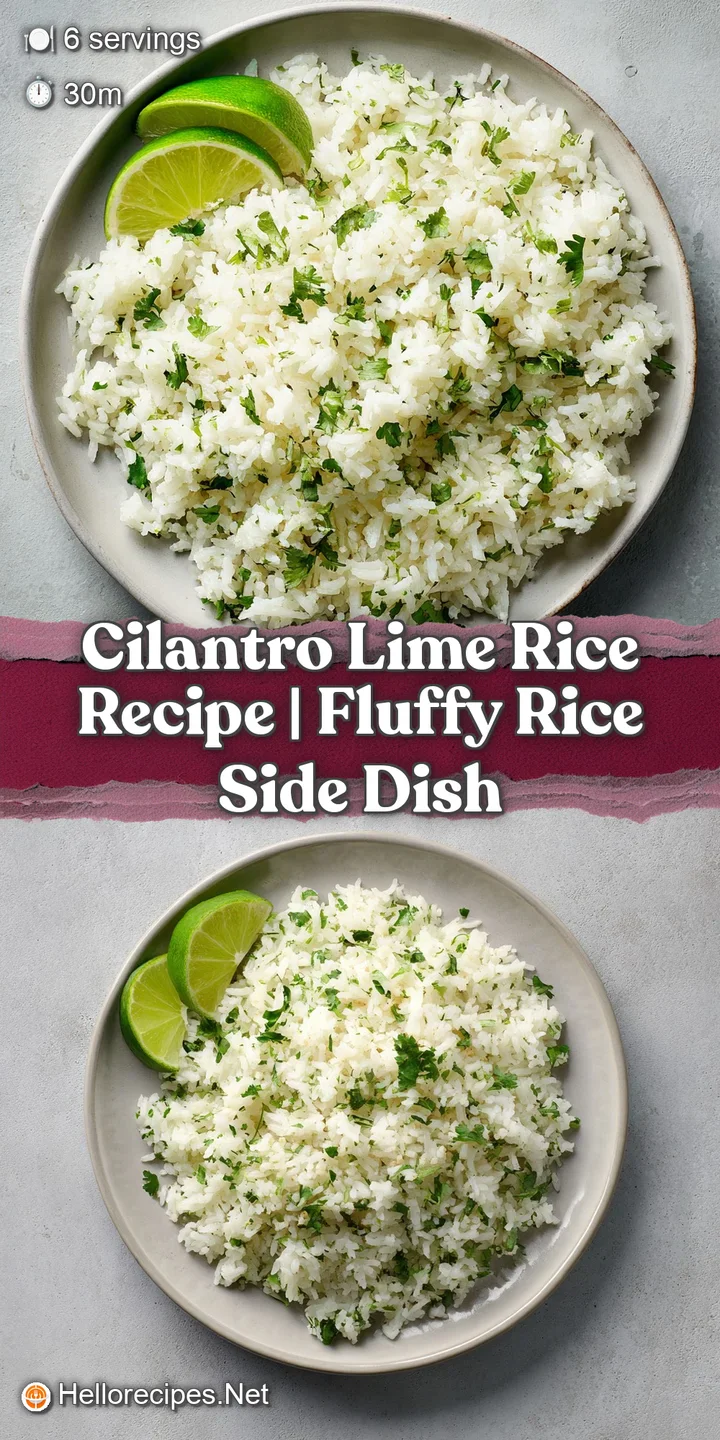
Recipe FAQs
How do you make cilantro lime rice?
Rinse, toast, simmer, then fluff with aromatics. First, rinse Basmati rice until the water is clear, then toast the dry grains in oil with garlic before simmering in a precise water ratio (1:1.5). Remove from heat and rest before folding in fresh lime zest, juice, and chopped cilantro.
What kind of rice is good for cilantro lime rice?
Long grain Basmati rice is the best choice. Its high amylose content ensures the grains remain separate and fluffy, achieving that signature light texture rather than becoming sticky.
What does Chipotle put in their cilantro lime rice?
They use lime juice, cilantro, salt, and a small amount of oil on white rice. The key is perfectly cooked, non-sticky white rice where the seasonings are folded in after cooking to maintain brightness. If you master controlling cookie spread here, see how the same fat ratio logic applies to our Fluffy Brown Rice recipe technique.
What does cilantro rice taste like?
It tastes bright, herbaceous, and slightly tangy from the lime. The flavor profile balances the savory, aromatic base of toasted garlic and salty rice with a sharp, clean citrus finish.
Is it true I must use fresh lime juice and not bottled?
Yes, you must use fresh lime juice and zest for optimal flavor. Bottled juice often contains preservatives that yield a dull, "tinny" acidic taste that completely overwhelms the subtle, volatile oils in the fresh zest.
Can I use brown rice instead of white Basmati?
Yes, but you must adjust the water and cooking time significantly. Brown rice requires more liquid (closer to a 1:2 ratio) and a much longer simmer or pressure cook time to soften the bran layer.
How do I prevent my cilantro lime rice from becoming gummy?
Rinse the rice thoroughly and avoid stirring after the simmer starts. Rinsing removes excess surface starch; stirring activates that starch, leading to stickiness, similar to making a creamy risotto.
Fluffy Cilantro Lime Rice
Ingredients:
Instructions:
Nutrition Facts:
| Calories | 199 calories |
|---|---|
| Protein | 3.4 g |
| Fat | 2.6 g |
| Carbs | 39.6 g |
| Fiber | 0.8 g |
| Sugar | 0.4 g |
| Sodium | 388 mg |
