Fingerling Potatoes Roasted
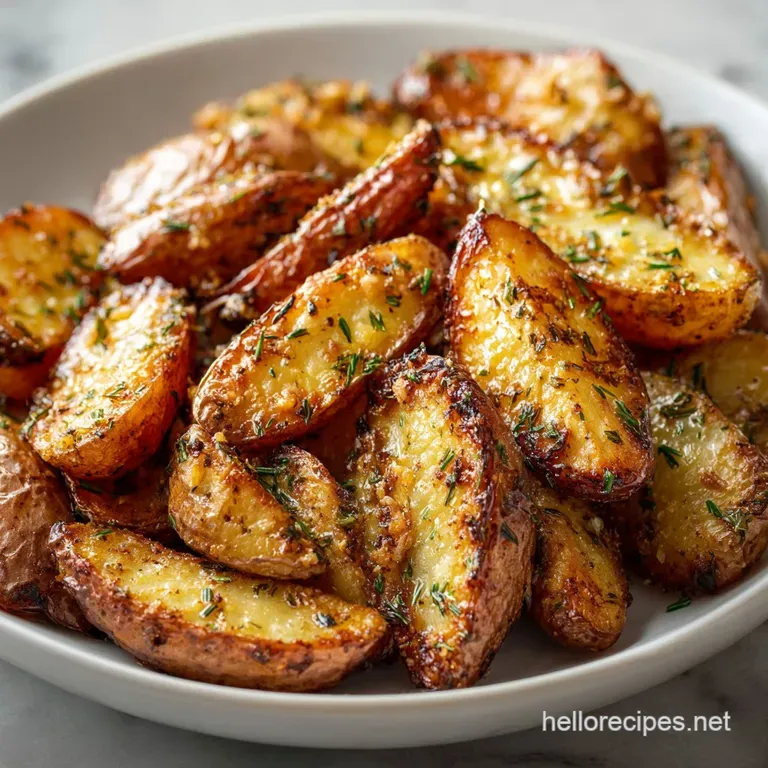
- Time: Active 10 minutes, Passive 30 minutes, Total 40 minutes
- Flavor/Texture Hook: Earthy rosemary notes with a skin that provides a satisfying shatter
- Perfect for: Gastronomy focused weeknight dinners or sustainable holiday side dishes
- Why This Secret for Fingerling Potatoes Roasted Creates Maximum Crunch
- Crucial Precision Metrics for Your Perfect Roasted Potato Batch
- Sourcing Sustainable Ingredients for a Gastronomy Level Side Dish
- Essential Culinary Technology for Achieving the Ultimate Potato Texture
- Step by Step Guide to Crafting Fingerling Potatoes Roasted
- Critical Troubleshooting for Potatoes That Shatter Not Sog
- Innovative Flavor Variations and Global Gastronomy Twists
- Sustainable Storage Methods and Zero Waste Leftover Solutions
- Selecting the Perfect Main Course to Complement Your Roast
- Recipe FAQs
- 📝 Recipe Card
Right then, let's talk about the frustration of the "soggy spud." We’ve all been there tossing beautiful fingerlings into a tray only to have them come out limp, oily, and frankly, disappointing. I used to think the potato type was the problem, but it turns out it was my technology.
Roasting is more than just heat; it’s about managing moisture and surface chemistry.
In this guide, we’re moving past basic roasting and into the world of precision gastronomy. I'm going to show you how to treat fingerling potatoes roasted as a centerpiece of flavor rather than a side dish afterthought.
We’ll focus on how to get that skin to literally shatter when you bite into it while keeping the middle as smooth as silk.
The secret I learned after years of trials? It’s all about the interface between the vegetable and the tray. Most home cooks under estimate the power of preheating their fats.
We’re going to change that today, and trust me, once you hear that sizzle as the potatoes hit the pan, you'll never go back to the old cold start method.
Why This Secret for Fingerling Potatoes Roasted Creates Maximum Crunch
The Science of Why it Works: High heat triggers the Maillard reaction, a chemical fusion between amino acids and reducing sugars that creates the brown, crispy crust. Meanwhile, the waxy starch structure of fingerlings undergoes gelatinization, trapping moisture inside for a velvety texture.
- Surface Area Optimization: Slicing the potatoes lengthwise exposes the internal starches directly to the hot oil, creating a flat plane for even browning.
- Thermal Mass Management: Using a heavy sheet pan or cast iron creates a reservoir of heat that doesn't drop when the cold potatoes are added.
- Lipid Infusion: The 14 grams of melted butter added at the end creates a secondary emulsion with the potato starches, adding a rich mouthfeel.
- Aromatic Volatility: Adding rosemary and garlic in the final stages prevents the delicate oils from burning, ensuring the scent remains bright and herbaceous.
This reminds me of the richness we look for in other potato dishes, similar to the flavor profiles found in my Creamy Scalloped Potatoes recipe. While the method is different, the goal of balancing fat and starch remains the same.
Component Analysis and Role
| Ingredient | Science Role | Pro Secret |
|---|---|---|
| Fingerling Potatoes | High moisture, low starch | Slice lengthwise to expose the "core" for better oil penetration. |
| Extra Virgin Olive Oil | Heat transfer medium | Use a high-quality oil with a high smoke point to avoid acrid flavors. |
| Kosher Salt | Moisture extraction | The coarse grains create microscopic tears in the skin, allowing steam to escape. |
| Fresh Rosemary | Antioxidant rich aromatics | Bruise the leaves before chopping to release the essential oils. |
Crucial Precision Metrics for Your Perfect Roasted Potato Batch
To achieve gastronomy level results, we need to move away from "eyeballing" things. Precision is the bridge between a hobbyist and a chef. For this recipe, we are looking for three specific numeric checkpoints to ensure success: a roasting temperature of exactly 220°C, a total mass of 680 grams of potatoes, and a final internal temperature if you're feeling extra precise.
| Feature | Stovetop Searing | Oven Roasting (This Recipe) |
|---|---|---|
| Texture | Crispy but often unevenly cooked | Uniform shatter crisp skin with tender core |
| Effort | High (Requires constant flipping) | Low (Set it and forget it) |
| Flavor Depth | Sharp, caramelized notes | Deep, earthy, and infused throughout |
The oven method is far more sustainable for hosting, as it allows the heat technology to do the heavy lifting while you focus on the rest of your meal. If you're looking for a softer, more traditional texture, you might prefer the How to Make recipe for garlic mashed potatoes, but for crunch, the oven is king.
Sourcing Sustainable Ingredients for a Gastronomy Level Side Dish
When we talk about sustainable cooking, it starts with the tuber. Fingerlings are often heirloom varieties that require less intensive farming than the massive Russets used for industrial fries.
Look for potatoes that feel heavy for their size and have no green tint on the skin that green is solanine, and it’s bitter.
- 680 grams (1.5 lbs) fingerling potatoes Why this? Their thin skin and waxy flesh are perfect for over high heat roasting.
- 45 ml (3 tbsp) extra virgin olive oil Why this? Provides the fat needed for the Maillard reaction.
- 6 grams (1 tsp) coarse kosher salt Why this? Larger crystals provide better texture and controlled seasoning.
- 1.5 grams (0.5 tsp) freshly cracked black pepper
- 4 cloves garlic, minced
- 2 sprigs fresh rosemary, chopped
- 1 gram (1 tsp) fresh thyme leaves
- 14 grams (1 tbsp) unsalted butter, melted
| Original Ingredient | Substitute | Why It Works |
|---|---|---|
| Extra Virgin Olive Oil | Avocado Oil | Higher smoke point. Note: Lacks the peppery bite of olive oil. |
| Fresh Rosemary | Dried Rosemary | Use 1/3 the amount. Note: Can be woody; crush it well. |
| Unsalted Butter | Ghee | Provides a nuttier flavor and has a higher smoke point for crisping. |
The choice of rosemary is intentional. Beyond the flavor, rosemary contains rosmarinic acid, which is an innovative way to keep the oils stable at high temperatures, preventing them from oxidizing and tasting "off."
Essential Culinary Technology for Achieving the Ultimate Potato Texture
You don't need a kitchen full of gadgets, but you do need the right tools for heat distribution. A flimsy baking sheet will warp at 220°C, leading to uneven cooking and "hot spots" where your garlic will burn before the potatoes are done.
I highly recommend a heavy duty rimmed baking sheet (like those from Nordic Ware) or a large cast iron skillet. The thermal mass of cast iron is an innovative way to ensure that the moment the fingerling potatoes roasted hit the surface, the searing process begins instantly.
Chef's Tip: Place your empty baking sheet in the oven while it preheats. Adding the potatoes to a screaming hot pan is the single best trick for preventing sticking and ensuring a crispy bottom.
step-by-step Guide to Crafting Fingerling Potatoes Roasted
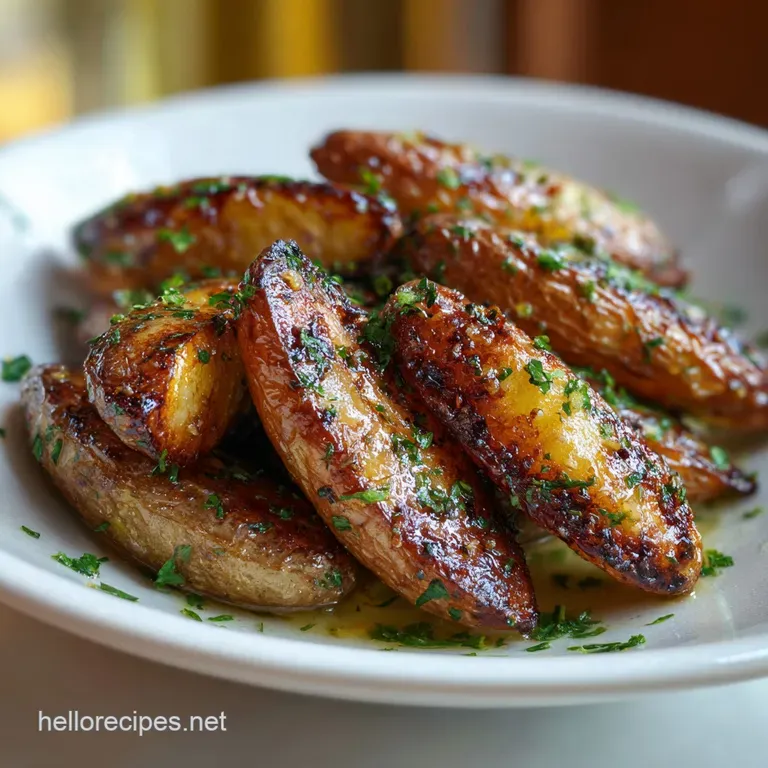
- Preheat the system. Set your oven to 220°C and place your baking sheet inside to soak up the heat.
- Prep the tubers. Wash 680 grams of fingerlings and pat them bone dry. Note: Surface moisture is the enemy of the crunch; if they're wet, they'll steam instead of roast.
- Section the potatoes. Slice each potato in half lengthwise. Look for even sizes to ensure they all finish at the same time.
- Emulsify the coating. In a large bowl, whisk 45 ml olive oil with salt and pepper.
- Toss for coverage. Add the potatoes to the bowl and use your hands to ensure every nook and cranny is coated in oil.
- The Sizzle Drop. Carefully remove the hot tray from the oven. Arrange potatoes cut side down. You should hear a distinct sizzle as they touch the metal.
- Initial Roast. Slide the tray back in and bake for 20 minutes. Until the bottoms are deep golden brown.
- Infuse the aromatics. While they roast, mix your minced garlic, rosemary, and thyme with 14 grams of melted butter.
- The Final Flip. Flip the potatoes and drizzle the herb butter mixture over them.
- The Finish. Bake for another 10 minutes until the skins look blistered and the aroma of garlic fills the room.
Surface Area Impact on Crunch
By slicing the potatoes lengthwise, you increase the surface area in contact with the pan by nearly 40%. This isn't just a culinary choice; it's a geometric one. More contact means more Maillard reaction, which means more flavor.
Prep Techniques for Maximum Crunch
If you have an extra 10 minutes, try this: after slicing, let the potatoes sit in cold water for 10 minutes to wash off excess surface starch. Pat them dry thoroughly.
This innovative step prevents the potatoes from becoming gummy and allows the oil to create a cleaner, sharper "shatter" on the skin.
Critical Troubleshooting for Potatoes That Shatter Not Sog
Even with the best technology, things can go sideways. The most common issue I see is overcrowding. If you put too many potatoes on one tray, the moisture they release has nowhere to go, creating a steam tent that kills the crunch.
| Problem | Root Cause | Solution |
|---|---|---|
| Soggy/Limp Skins | Overcrowded pan or low heat | Use two trays or increase temp to 220°C. |
| Burnt Garlic | Added too early | Only add aromatics in the last 10 minutes of roasting. |
| Uneven Browning | Potatoes not sliced uniformly | Take time to ensure all halves are roughly the same thickness. |
Preventing Bitter Burnt Garlic
Garlic is delicate. At 220°C, it can turn from sweet and fragrant to bitter and black in less than three minutes. That’s why we add it at the very end. The residual heat of the potatoes and the final 10 minutes in the oven are plenty to mellow the raw bite without destroying the sugars in the garlic.
Soggy Texture Prevention Strategies
But what about the sogginess? If you find your potatoes are still soft, it usually means the steam couldn't escape. Make sure you aren't using a pan with sides that are too high. A flat baking sheet is better than a deep roasting pan because it allows for maximum airflow around each potato.
Innovative Flavor Variations and Global Gastronomy Twists
Once you've mastered the basic fingerling potatoes roasted, you can start experimenting with different flavor profiles. The technology of the roast remains the same, but the aromatics can change.
- If you want a smoky profile, swap the rosemary for smoked paprika and a pinch of cumin.
- If you want a zesty twist, toss the finished potatoes in fresh lemon zest and a shower of parmesan cheese.
- If you want a spicy kick, add a teaspoon of red pepper flakes to the herb butter infusion.
Air Fryer Adaptation Methods
If you're short on time, the air fryer is a brilliant piece of technology for this recipe. Because the fan circulates air so rapidly, you can achieve a similar "shatter" in about 18-20 minutes.
Just be sure to shake the basket every 5 minutes to ensure the heat reaches all sides of the fingerlings.
Scaling the Recipe
Scaling this recipe up is easy, but you must work in batches. If you double the recipe to 1.36 kg (3 lbs) of potatoes, don't try to cram them all onto one sheet. Use two sheets and swap their positions in the oven halfway through to account for uneven heat distribution in most home ovens.
Sustainable Storage Methods and Zero Waste Leftover Solutions
Roasted potatoes are always best fresh, but we hate food waste in this house. If you have leftovers, don't even think about the microwave it will turn your crispy skins into rubber.
- Fridge: Store in an airtight glass container for up to 4 days.
- Freezer: Not recommended for roasted potatoes, as the cellular structure breaks down and they become mealy when thawed.
- Reheating: Use a dry skillet over medium heat or pop them back into a 200°C oven for 5-7 minutes. They will regain about 80% of their original crunch.
Zero Waste Tip: Don't throw away the little bits of crispy garlic and herb "fines" left on the tray! Scrape them into a jar and use them as a topping for fried eggs the next morning. It’s an instant flavor boost for your breakfast.
Selecting the Perfect Main Course to Complement Your Roast
Because these potatoes have such a strong herbaceous profile, they pair beautifully with proteins that share those earthy notes. A simple roasted chicken with lemon or a pan seared steak with a knob of butter would be fantastic.
I often serve these alongside my Broccoli Casserole recipe during the holidays. The contrast between the crunchy roasted fingerlings and the creamy, velvety sauce of the casserole creates a balanced plate that hits every sensory note.
Myths About Potato Roasting
Myth 1: You must boil them first. Many recipes suggest par boiling. While this works for large Russets, fingerlings are small enough that the oven heat can penetrate to the center before the outside burns. Skipping the boil saves time and keeps the potato's structural integrity intact.
Myth 2: Searing meat or vegetables "seals in" juices. This is a classic kitchen myth. Moisture loss happens regardless of searing. The real reason we sear (or roast at high heat) is purely for the Maillard reaction that incredible flavor and texture that only comes from browning.
Myth 3: You need a lot of oil. You only need enough to create a thin, even film. Too much oil actually leads to soggy potatoes because they end up "frying" at a lower temperature rather than roasting. 45 ml for 680 grams is the precision ratio you're looking for.
Recipe FAQs
How long to roast fingerling potatoes for?
Roast for 30 minutes total. Slice them in half lengthwise, toss with oil and seasonings, then roast cut-side down for 20 minutes, flip, and add aromatics for the final 10 minutes.
Should I boil fingerling potatoes before I roast them?
No, boiling is generally unnecessary for fingerlings. Their waxy texture and smaller size allow them to cook through evenly in the oven without parboiling, saving you time and preventing a potentially softer texture. This is a common misconception from recipes for larger, starchier potatoes.
How does Gordon Ramsay cook fingerling potatoes?
Gordon Ramsay emphasizes high heat and preheated oil. He typically tosses fingerlings with olive oil, salt, and pepper, then roasts them on a preheated baking sheet at around 425°F (220°C) until crisp, often flipping them halfway through.
For variations, he might add herbs like rosemary or thyme towards the end.
Should you roast potatoes at 400 or 425 degrees Fahrenheit?
425°F (220°C) is ideal for crispy fingerling potatoes. This higher temperature promotes faster browning and a crispier exterior, essential for achieving that desirable shatter. 400°F can work but may result in a less intense crispiness.
What's the best way to get crispy roasted fingerling potatoes?
Start with dry potatoes and high heat. Ensure your fingerlings are thoroughly dried after washing, and toss them in oil before placing them cut-side down on a preheated baking sheet or skillet. Roasting at 425°F (220°C) for about 30 minutes, flipping halfway, is key to achieving a superior crisp. If you enjoyed mastering high heat roasting here, see how the same principle applies to achieving texture in our Air Fryer Jacket Potatoes How to Bake a Potato FAST.
Can I add garlic and herbs to fingerling potatoes while they are raw?
No, add garlic and most herbs in the last 10-15 minutes of roasting. Adding them too early, especially garlic, can cause them to burn and turn bitter at high roasting temperatures. Delicate herbs like rosemary and thyme release their best flavor when exposed to heat for a shorter period.
How do I prevent my roasted fingerling potatoes from sticking to the pan?
Preheat your pan and use enough oil. Placing your baking sheet or skillet in the oven while it preheats ensures a hot surface from the start. Then, ensure the potatoes are well coated with oil before arranging them cut-side down to maximize contact and prevent sticking. This technique is crucial for a good sear, similar to how we achieve even browning in Crispy Perfection How to Make Smashed Potatoes My Secret.
Fingerling Potatoes Roasted
Ingredients:
Instructions:
Nutrition Facts:
| Calories | 249 kcal |
|---|---|
| Protein | 3.5 g |
| Fat | 13.3 g |
| Carbs | 30.1 g |
| Fiber | 3.4 g |
| Sugar | 1.2 g |
| Sodium | 592 mg |
