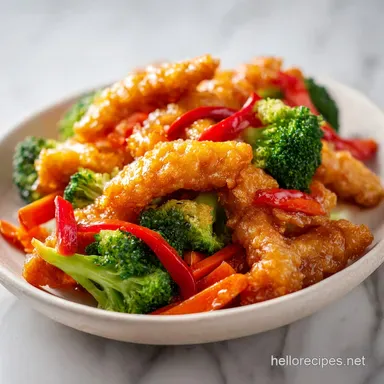
Chicken Stir Fry: Healthy and Tender
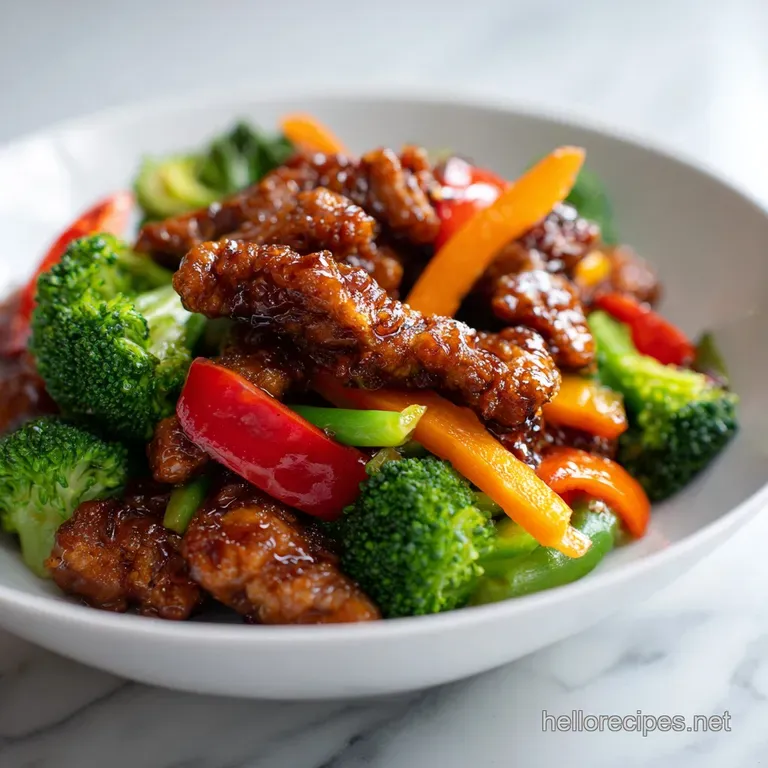
- Time: 10 min active + 20 min cook = 30 minutes total
- Flavor/Texture Hook: Velvety mahogany glaze with a crisp vegetable snap
- Perfect for: Busy weeknight dinners and healthy meal prep
- Easy 30 Minute Chicken Stir Fry
- The Secret to Quick Results
- Component Deep Dive
- The Full Shopping List
- Steps for a Fast Finish
- Fixing Common Texture Issues
- Troubleshooting Common Issues
- Adjusting for More People
- Cooking Myths Debunked
- Fridge and Freezer Basics
- Making the Plate Pop
- High in Sodium
- Recipe FAQs
- 📝 Recipe Card
That first loud sizzle when the chicken hits the hot oil is the best sound in the world. It's the sound of a Tuesday night being saved. I remember the first time I tried to make this at home, I just threw everything in the pan at once.
I ended up with a gray, watery mess of boiled chicken and limp broccoli that looked more like a sad soup than a meal.
Since then, I've learned that the secret isn't in the ingredients, but in the timing. You can't rush the sear, and you definitely can't crowd the pan. When you do it right, the vegetables keep their vibrant color, the chicken stays juicy, and the sauce clings to everything in a glossy, savory coat.
This Chicken Stir Fry is all about the flow. We're going to prep everything first, sear the protein to lock in flavor, and then flash cook the veggies. It's a fast, healthy way to get a massive hit of nutrients on the table without spending your whole evening scrubbing pots.
Easy 30 Minute Chicken Stir Fry
Getting a restaurant style result at home usually feels like a mystery, but it's actually just a few simple rules of heat. The goal here is high temperature and short cooking times.
If the pan isn't hot enough, the chicken releases its juices and steams instead of searing, which is how you get that rubbery texture we all hate.
I've spent a lot of time tweaking the sauce ratio to make sure it's not too salty but still has that deep, umami punch. By using low sodium soy sauce and a touch of honey, we get a balanced glaze that doesn't overpower the fresh ginger.
It's the kind of meal that makes you feel like you've got your life together, even if the rest of the house is a disaster.
Whether you're serving this with fluffy jasmine rice or some quick noodles, the key is the "mise en place." That's just a fancy way of saying "get your stuff ready." In a fast paced cook like this, you don't have time to chop a carrot while the garlic is already burning in the pan. Trust me, prep is everything.
The Secret to Quick Results
High Heat Searing: Cooking the meat quickly at high temperatures creates a brown crust that adds depth. This prevents the chicken from simmering in its own liquid.
Vegetable Sequencing: Harder vegetables like carrots and broccoli need more time than snap peas. Adding them in stages ensures everything finishes cooking at the exact same moment.
Cornstarch Slurry: Mixing cornstarch into the sauce before adding it to the pan creates a thick, glossy coating. This allows the sauce to stick to the ingredients rather than pooling at the bottom.
Aromatic Timing: Garlic and ginger burn quickly. Adding them at the very end of the vegetable sauté preserves their bright, pungent oils.
| Approach | Prep Effort | Texture | Best For |
|---|---|---|---|
| Fresh Cut | Medium | Maximum snap and bright colors | Special dinners or foodies |
| Pre Cut Mix | Low | Softer, more uniform | Maximum speed/weeknights |
| Frozen Veg | Low | Slightly softer, more water | Budget-friendly meal prep |
For those who want to add even more flavor to their protein, using a blend like my poultry seasoning before searing can add a nice herb layer, though the traditional soy ginger route is the classic choice here.
Component Deep Dive
| Ingredient | Science Role | Pro Secret |
|---|---|---|
| Cornstarch | Thickening Agent | Always whisk into cold liquid first to avoid lumps |
| Soy Sauce | Umami/Salt | Use low sodium to control the salt level |
| Honey | Glaze/Sweetener | Balances the salt and helps the sauce caramelize |
| Sesame Oil | Aromatic Fat | Add at the end or in the sauce for a nutty scent |
The interplay between the honey and the soy sauce is where the magic happens. The honey doesn't just add sweetness, it increases the viscosity of the sauce, which helps it wrap around the chicken strips. According to Serious Eats, the addition of a starch like cornstarch is what transforms a thin liquid into a professional looking glaze.
The Full Shopping List
The Protein - 1 lb chicken breast, sliced into thin, bite-sized strips Why this? Lean and cooks quickly in high heat - 1/4 tsp salt Why this? Basic seasoning to enhance natural meat flavor
The Vegetable Medley
- 1 tbsp vegetable oilWhy this? High smoke point prevents burning
- 2 cups broccoli florets, bite-sizedWhy this? Great texture for soaking up sauce
- 1 large carrot, thinly sliced into coinsWhy this? Adds sweetness and a bright orange pop
- 1 red bell pepper, sliced into stripsWhy this? Mild sweetness and visual contrast
- 1 cup snap peas, trimmedWhy this? Adds a fresh, watery crunch
The Signature Stir Fry Sauce
- 3 cloves garlic, mincedWhy this? Pungent base for the sauce
- 1 tbsp fresh ginger, gratedWhy this? Zesty heat and aromatic depth
- 1/2 cup low sodium soy sauceWhy this? Primary salt and umami source
- 1/4 cup low sodium chicken brothWhy this? Thins the sauce for better distribution
- 2 tbsp honeyWhy this? Natural sweetener for the glaze
- 1 tbsp sesame oilWhy this? Toasted, nutty finish
- 1 tbsp cornstarchWhy this? Creates the thick, glossy texture
- 1/2 tsp red pepper flakesWhy this? Subtle back end heat
| Original Ingredient | Substitute | Why It Works |
|---|---|---|
| Chicken Breast | Chicken Thighs | More fat, more flavor. Note: Takes slightly longer to cook |
| Honey | Maple Syrup | Similar viscosity. Note: Adds a woody, autumnal sweetness |
| Soy Sauce | Tamari | gluten-free option. Note: Slightly richer, saltier taste |
| Broccoli | Cauliflower | Similar structure. Note: Milder flavor, less "green" taste |
When choosing your vegetables, try to keep the sizes uniform. If your carrot coins are thick and your broccoli is tiny, the carrots will still be raw while the broccoli is overcooked.
Steps for a Fast Finish
Phase 1: The Mise en Place
Whisk together the low sodium soy sauce, chicken broth, honey, sesame oil, cornstarch, and red pepper flakes in a small bowl until the cornstarch is fully dissolved. Chop all vegetables and slice the chicken into uniform strips. Note: Doing this first prevents the pan from sitting empty while you chop.
Phase 2: Searing the Protein
Heat 1 tablespoon of vegetable oil over medium high heat in a large skillet or wok. Add chicken in a single layer and sear undisturbed for 2-3 minutes until golden brown, then toss and cook for another 2 minutes until opaque.
Remove chicken to a plate and set aside. Note: Searing separately prevents the chicken from steaming.
Phase 3: The Vegetable Sequence
In the same pan, add carrots and broccoli; sauté for 3-4 minutes. Add the red bell pepper and snap peas, cooking for another 2-3 minutes until bright in color. Stir in the minced garlic and grated ginger for the final 30 seconds.
Note: Garlic burns in seconds, so keep it for the end.
Phase 4: The Glaze Finish
Return the cooked chicken and any juices to the pan. Give the sauce a final whisk (cornstarch settles at the bottom!) and pour it over the mixture. Toss constantly for 1-2 minutes until the sauce thickens into a mahogany colored glaze. Remove from heat immediately.
Note: Overcooking the sauce makes it gummy.
Chef's Tip: To get that restaurant style "velvet" chicken, you can toss the raw strips in a teaspoon of cornstarch and a splash of soy sauce 15 minutes before cooking. It creates a protective barrier that keeps the meat incredibly juicy.
Fixing Common Texture Issues
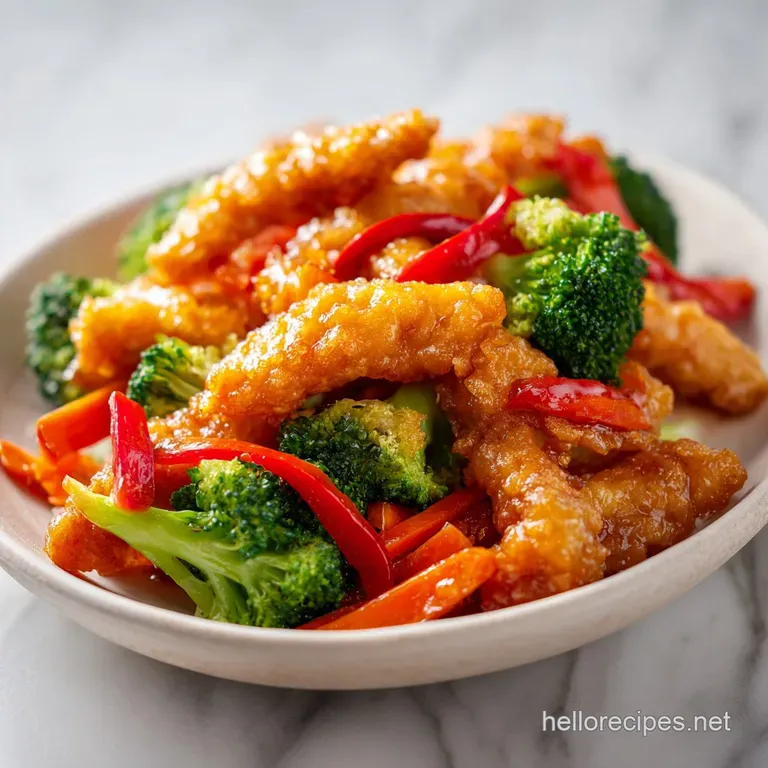
The most common complaint with a homemade Chicken Stir Fry is the texture. Either the meat is like rubber or the vegetables are mushy. Most of this comes down to temperature management and pan crowding.
Troubleshooting Common Issues
| Issue | Solution |
|---|---|
| Why Your Chicken is Rubbery | This usually happens because the pan wasn't hot enough, or you added too much meat at once. This drops the temperature, and the chicken boils in its own juices instead of searing. If you're making a d |
| Why Your Sauce is Watery | If the sauce doesn't thicken, you might have skipped the final whisk or the pan wasn't hot enough to activate the cornstarch. Cornstarch needs to reach a certain temperature to "gel." If it's too thin |
| Why Your Veggies are Soggy | Sogginess is the result of overcrowding. When vegetables are piled on top of each other, they release steam. This steam traps moisture, which kills the "snap." Give your vegetables room to breathe in |
Adjusting for More People
If you're feeding a crowd, the biggest mistake is just doubling the ingredients in the same pan. This will lead to steamed, soggy food. For a larger Chicken Stir Fry, you must work in batches.
Scaling Down (Half Batch): Use a smaller skillet to keep the heat concentrated. Reduce the total cooking time for vegetables by about 20% since there's less mass in the pan.
If you're using only half an egg or a small amount of cornstarch, be precise with your measurements to keep the sauce thickness correct.
Scaling Up (Double or Triple Batch): Searing the chicken is the critical part. Cook the meat in two or three batches, removing each set to a plate. Only once all the meat is done should you start the vegetables.
For the sauce, you don't need to double the salt or red pepper flakes fully - start with 1.5x the seasonings and taste before adding more.
If you love this over high heat method, you might also like my pan seared chicken which uses similar thermodynamics to get a great crust.
Cooking Myths Debunked
There's a lot of noise about stir frying, but some of it is just outdated.
Myth: You need a wok to make a stir fry. While a wok is great for heat distribution, a heavy stainless steel or cast iron skillet works just as well. The key is the heat, not the shape of the pan. As long as you don't crowd the pan, you'll get the same results.
Myth: Searing "seals in" the juices. This is a common misconception. Searing doesn't actually create a waterproof seal; moisture loss happens throughout the cooking process. However, searing creates a brown crust through a process that adds massive amounts of flavor and aroma, which is why we do it.
Myth: You should wash your vegetables after cutting. Never do this. Washing sliced vegetables washes away water soluble vitamins and introduces excess moisture to the pan, which leads to steaming instead of sautéing. Wash them first, then cut.
Fridge and Freezer Basics
Since this Chicken Stir Fry is a favorite for meal prep, knowing how to handle leftovers is key.
Fridge Storage: Store in an airtight container for up to 4 days. The sauce will thicken further in the fridge, which is normal. To keep the vegetables from getting too soft, store the rice or noodles separately from the stir fry.
Freezing Guidelines: You can freeze this dish for up to 3 months. However, be aware that the broccoli and bell peppers will lose their "snap" and become softer after thawing. To freeze, let the dish cool completely before sealing.
Reheating Tips: Avoid the microwave if you want to preserve the texture. Instead, toss the leftovers into a hot skillet with a teaspoon of water or broth. This loosens the glaze and brings back the sizzle.
If using a microwave, heat in 45 second bursts and stir in between to avoid "hot spots" and rubbery chicken.
Zero Waste Ideas: Don't toss those carrot peels or the ends of the bell pepper. Put them in a freezer bag with your onion skins and celery ends. Once the bag is full, simmer them with water to create a free, homemade vegetable stock for your next soup.
Making the Plate Pop
The difference between a home meal and a restaurant dish is often just the finishing touches. A Chicken Stir Fry can look a bit brown and monochromatic if you're not careful.
The Color Contrast: Always add a pop of green at the very end. Freshly sliced scallions or a sprinkle of sesame seeds add visual texture and a professional look. If you have some fresh cilantro, a few leaves on top break up the mahogany color of the glaze.
The Plating Flow: Instead of just dumping everything in a bowl, create a bed of rice or noodles first. Mound the stir fry in the center, letting the sauce drizzle down the sides. This keeps the base from getting soggy too quickly and makes the portion look larger.
The Final Touch: A quick drizzle of fresh sesame oil or a squeeze of lime juice right before serving awakens the flavors. The acidity of the lime cuts through the sweetness of the honey, making the whole dish taste fresher.
Decision Shortcut:
- If you want more heat, add a teaspoon of Sriracha to the sauce whisk.
- If you want a nuttier flavor, toss in a handful of toasted cashews at the very end.
- If you want it lower carb, swap the rice for cauliflower rice or sautéed cabbage.
High in Sodium
1020 mg 1,020 mg of sodium per serving (44% 44% of daily value)
The American Heart Association recommends a daily sodium limit of no more than 2,300 mg for most adults to maintain heart health.
Tips to Reduce Sodium
-
Swap Soy Sauce-30%
Replace the low-sodium soy sauce with coconut aminos, which provides a similar savory flavor with significantly less sodium.
-
Better Broth Choice-30%
Use no-salt-added chicken broth or water instead of low-sodium broth to eliminate unnecessary processed salt.
-
Omit Added Salt-25%
Remove the 1/4 tsp of salt entirely; the soy sauce and broth already provide enough salinity for the dish.
-
Enhance with Aromatics
Add a squeeze of fresh lime juice or extra grated ginger to brighten the flavors without adding any sodium.
Recipe FAQs
What is the secret to good stir-fry chicken?
Sear the meat undisturbed. Heat the vegetable oil over medium-high and let the chicken brown for 2-3 minutes before tossing to create a golden crust instead of steaming the meat.
Is stir-fry ok for diabetics?
Yes, in moderation. This recipe focuses on fresh vegetables and low-sodium soy sauce, though you should be mindful of the honey content.
Can a diabetic eat baked chicken?
Yes. Baking is a lean preparation method that avoids excessive fats. If you appreciate the lean protein approach here, see how a similar focus on tender meat works in our chicken piccata.
Can you eat stir-fry with high cholesterol?
Yes. By using vegetable oil and loading the dish with broccoli, carrots, and snap peas, you create a heart-healthy, nutrient-dense meal.
Why is my stir-fry sauce watery?
Give the sauce a final whisk before pouring. Cornstarch must be fully dissolved and the pan must be hot enough to activate the "gel" that creates the mahogany glaze.
Why is my chicken rubbery?
Avoid overcrowding the pan. Adding too much meat at once drops the temperature, causing the chicken to boil in its own juices rather than searing.
How to make the vegetables stay crisp?
Sauté in stages. Cook carrots and broccoli for 3-4 minutes first, then add bell pepper and snap peas for only 2-3 minutes to keep them bright and firm.
Chicken Stir Fry in 30 Minutes