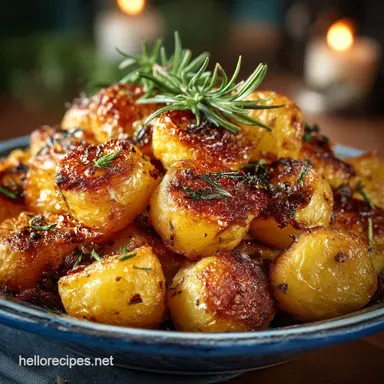
The Ultimate Sunday Roast Staple Extracrispy Smashed Roasted Potatoes
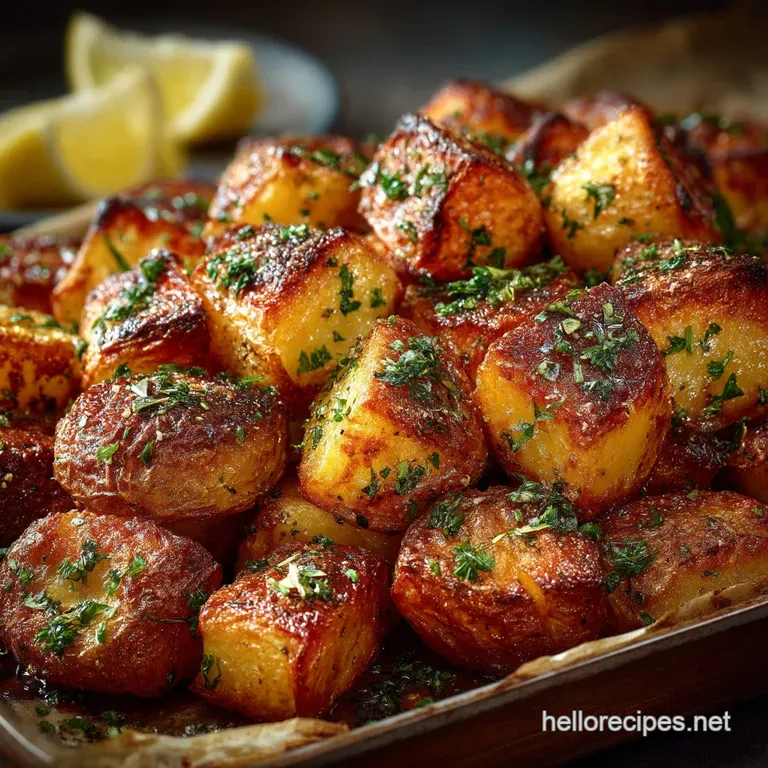
- The Secret Science Behind Truly Legendary Roasted Potatoes
- Why We Must Embrace the 'Rough Up' Technique for Ultimate Crispness
- Selecting Your Spud: The Best Varieties for Maximum Crunch
- Everything You Need for Perfect British Roasted Potatoes
- The Step-by-Step Method for Ultra-Crispy Roasted Potatoes
- Achieving the Golden Crust: Crucial Steps During the Roast
- Flavor Amplification and Customization Ideas
- Handling Leftovers and Troubleshooting Crispy Roasted Potatoes
- Recipe FAQs
- 📝 Recipe Card
The Secret Science Behind Truly Legendary Roasted Potatoes
Achieving truly legendary oven roasted Potatoes is not about luck; it’s about employing simple, precise scientific methods. We are seeking a dynamic textural contrast: a profoundly crunchy, deeply golden exterior that shatters when pierced, giving way to a light, airy, and fluffy interior.
This ultimate result is what elevates this common side dish into the realm of necessity, making it an essential companion to any rich Sunday roast. The fundamental secret lies in maximizing the surface area of the potato before it ever touches the heat, ensuring that the cooking fat has ample nooks and crannies to penetrate and crisp.
This technique driven approach transforms simple Potato Side Dishes Easy into culinary masterpieces, ensuring every bite delivers that satisfying crunch we crave.
Why We Must Embrace the 'Rough Up' Technique for Ultimate Crispness
The path to the perfect crisp crust begins not in the oven, but on the stovetop. While many home cooks simply boil their potatoes, the difference between good and sublime lies in what happens immediately after draining. We must intentionally damage the exterior of the spud to achieve optimal texture.
The Chemistry of Starch and Achieving the Fluffy Interior
Potatoes are rich in starch. By introducing the peeled, 2 inch uniform chunks to boiling water for 8– 10 minutes, we initiate a crucial process called starch gelatinization. The water heats the starch granules near the surface, causing them to swell and soften.
When we then aggressively drain and shake these softened potatoes, that gelatinized starch erupts, coating the potato pieces in a fine, powdery, "fuzz." This fuzz is exactly what we want.
When exposed to the high heat of the oven and the hot fat, this starchy coating instantly fries, forming the foundation of the thick, crunchy armor that defines exceptional roasted potatoes recipe .
Essential Tools for Maximizing Crisping Surface Area
To execute the critical "rough up" technique, you don't need fancy equipment just the right vessel. After draining the potatoes in a colander, immediately return them to the empty, hot stockpot. The key tool here is the stockpot itself, paired with a tightly fitting lid.
By shaking the pot with vigor for a full 30 to 60 seconds, the friction between the potato chunks and the walls of the pot creates the necessary powdery exterior. Crucially, the final roasting tin must also be sufficiently large.
Crowding the 3 lbs (1.4 kg) of potatoes will inhibit moisture evaporation, leading to steaming and a soggy result, even after proper roughing.
The Difference Between Parboiling and Post Boil Roughing
Parboiling ensures the interior of the potato is perfectly pre-cooked, making it tender enough to fluff up without becoming mushy. However, parboiling alone does not deliver the crisp. The post boil roughing stage is the mechanical action required to intentionally fracture the edges.
If you skip the aggressive shaking, the potatoes will cook beautifully inside, but the exterior will remain relatively smooth, resulting in a thin, fragile crust rather than the thick, rugged crust characteristic of truly great British roasted potatoes in oven .
Selecting Your Spud: The Best Varieties for Maximum Crunch
For this specific roasted potatoes recipe , the choice of variety is non-negotiable. To achieve that desired combination of a fluffy, floury interior and a crisp shell, you must select high starch potatoes. In the UK, Maris Piper or King Edward potatoes are the gold standard.
For North American cooks, the Russet potato (or Idaho) is the ideal substitute. Waxy varieties, like new potatoes or reds, hold their shape too well and lack the necessary internal structure to break down and create that crucial starchy fuzz, severely limiting your crisp potential.
Everything You Need for Perfect British Roasted Potatoes
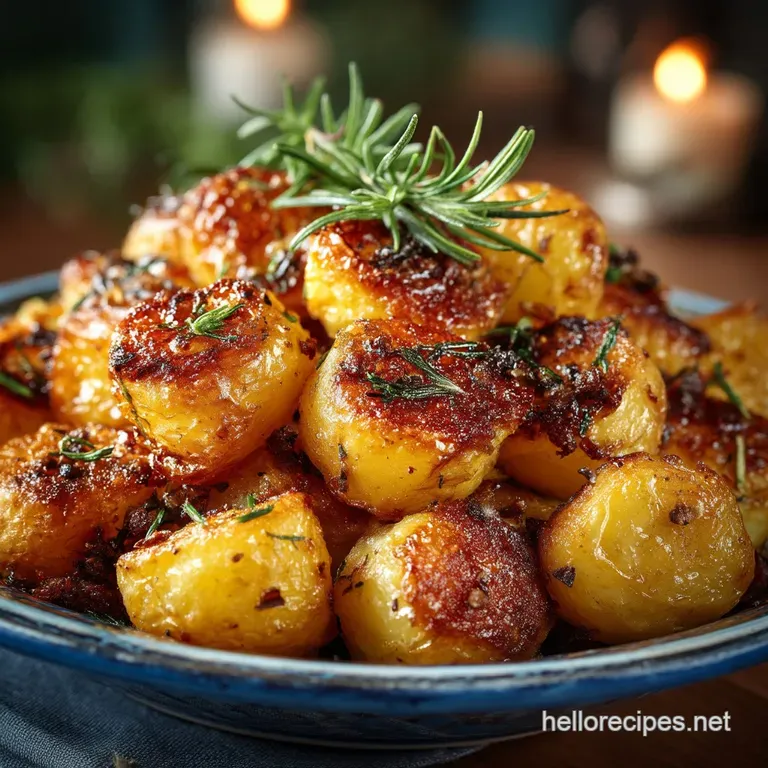
Preparing a batch of high-quality Potato Side Dishes Easy Quick requires meticulous attention to a few simple details before the potatoes even enter the heat. We are aiming for flavor, texture, and consistency across all 6 servings.
Sizing Up: Why Uniformity is Key to Even Cooking
Once peeled, the 3 lbs of potatoes should be cut into large, uniform 2 inch chunks. Consistency in size is vital. If your pieces vary greatly, you will end up with some potatoes that are overcooked and falling apart (mushy) and others that are undercooked in the center.
Uniformity guarantees that every piece finishes roasting at the exact same time, achieving perfect interior tenderness and external color simultaneously.
The Definitive Guide to Cooking Fats: Duck Fat vs. Goose Fat
The selection of cooking fat significantly impacts the flavor and crispness. Traditional British oven roasted Potatoes benefit immensely from animal fats like duck fat or goose fat.
These fats have high smoke points, meaning they can withstand the blistering heat ( 425° F or 220° C) without burning, imparting a rich, savory depth that olive oil simply cannot replicate.
We use a generous 1/2 cup (120 ml) to ensure the potatoes are thoroughly coated and frying, not merely baking. If animal fats are unavailable, high-quality extra virgin olive oil is the best substitute.
Boosting the Alkalinity: The Salt pH Trick
To aid in the breakdown of the exterior starch during the parboil, we must heavily salt the water seasoning it "like the sea" with 2 tablespoons of coarse salt. This high salt concentration assists in eroding the potato surfaces, helping to loosen the starch molecules and prime them for the subsequent aggressive shaking, ensuring maximum "fuzz" creation before the roasting process begins.
Required Equipment for High Heat Roasting Success
High heat roasting demands specific equipment. Beyond the stockpot and colander, the most important tool is a large, sturdy roasting tin or sheet pan. This pan must be able to withstand the high temperature of 425° F ( 220° C) and, most importantly, must allow the potatoes to rest in a single, uncrowded layer.
If the potatoes are piled on top of each other, they will create steam pockets, destroying the delicate exterior crispness we have worked so hard to achieve.
Related Recipes Worth Trying
- Ultimate Cuban Mojo Marinated Pork Recipe Slow Roasted Magic — Forget bland roasts This Cuban Mojo Marinated Pork recipe delivers unbelievably tender zesty meat using a traditional citrusgarlic marinade Perfect for a...
- The Ultimate Cuban Roasted Mojo Pork Recipe Lechón Asado — Forget dry roasts This Cuban Mojo Roast Pork recipe yields incredibly tender meat thanks to a long marinade and slow cooking Get the secret to that bright...
- The Ultimate Crispy Roast Red Potatoes Recipe Fluffy Inside — Tired of bland roast potatoes Learn the secret parboil and shake technique for truly crispy oven roasted red potatoes every time Pure comfort food gold
The step-by-step Method for Ultra Crispy Roasted Potatoes
Our comprehensive roasted potatoes recipe oven method focuses on critical timing and temperature control, ensuring every potato is cooked to crunchy perfection.
From the moment the potatoes are chopped until they hit the hot fat, precision is key to making this one of your favorite Potato Side Dishes Easy .
Achieving the Golden Crust: Crucial Steps During the Roast
The roasting phase is where all the preparatory work pays off, provided we follow strict temperature protocols and handling techniques.
Starting Cold: The Proper Way to Parboil Your Potatoes
Always begin the parboiling process by placing the potato chunks into the stockpot and covering them with cold water. Adding potatoes directly to boiling water can cause the outside to cook too rapidly while the center remains raw. Starting cold ensures that the heat penetrates evenly.
Bring the salted water to a rolling boil and cook for exactly 8– 10 minutes until the edges appear crumbly, but the centers still offer slight resistance to a fork.
The Art of the Pan Shake: Creating the Fluffy Fuzz
Immediately drain the parboiled potatoes and return them to the empty, hot pot. Secure the lid tightly and shake the pot with extreme vigor for 30 60 seconds. This step is the non-negotiable key to producing ultra crispy Roasted Potatoes .
The resulting fluffy, powdery exterior is what grabs the fat and transforms into the shatteringly golden crust.
Preheating the Fat: Ensuring Immediate Sizzle and Sear
While the potatoes are being roughed up, the oven should be preheated to a blistering 425° F ( 220° C). Pour the 1/2 cup of chosen fat (duck fat or olive oil) into the roasting tin and place the empty tin into the oven for 10– 15 minutes.
The fat must be screaming hot sizzling, perhaps even smoking slightly before the potatoes are added. This immediate high heat and contact with the fat seals the exterior, initiating the browning process instantly and preventing the potatoes from soaking up the oil.
Perfect Timing: When to Flip and How to Check for Doneness
Carefully transfer the roughed-up potatoes into the hot fat, ensuring they are placed in a single layer. Scatter four smashed, skin-on garlic cloves and four sprigs of fresh rosemary or thyme among them. Roast for the initial 20 minutes without interruption.
After this time, the underside of the potatoes should be deeply golden and crunchy. Use tongs or a fish slice to carefully flip them. Continue roasting for another 20– 30 minutes, turning once more if necessary, until they are evenly golden brown and crunchy on all sides.
The total roast time for these roasted potatoes in air fryer or oven will be 45– 50 minutes.
Flavor Amplification and Customization Ideas
While the classic recipe uses rosemary and garlic, Roasted Potatoes are highly versatile and receptive to flavor experimentation. For a truly savory addition, consider preparing a batch of roasted potatoes and onions by tossing thick onion wedges into the tray during the final 20 minutes of cooking.
Herb Infusion: Rosemary, Thyme, and Garlic Placement
The key to successful herb infusion is placement. Do not scatter fine herbs (like dried oregano) onto the raw potatoes, as they will burn at 425° F. Instead, place whole sprigs of rosemary and thyme and the smashed garlic cloves directly into the hot fat with the potatoes at the beginning of the roast.
As the fat heats the herbs, they release their aromatic oils, which are then absorbed into the potato crust, providing deep, subtle flavor without risking scorching.
Spicy Variations: Adding Heat to Your Roasting Fat
To create a spicy kick, infuse the cooking fat with chili flakes or a spoonful of smoked paprika before adding the potatoes. Allowing these spices to bloom in the hot oil for five minutes before the rough-up potatoes are introduced ensures the flavor is integrated into the crispy crust rather than just sprinkled on top.
Handling Leftovers and Troubleshooting Crispy Roasted Potatoes
A batch of properly prepared crispy potatoes is unlikely to last long, but knowing how to store and revive them is essential for any cook aiming for efficiency and quality.
Reheating Roasted Potatoes: Reviving the Crispiness
The enemy of reheated potatoes is the microwave, which turns crisp exteriors into chewy disappointment. To revive the full crunch of your Roasted Potatoes , preheat your oven or a toaster oven to 350° F ( 175° C).
Spread the potatoes in a single layer on a sheet pan and bake for 10– 15 minutes until they are piping hot and the crust has reformed. They will taste nearly as fresh as the day they were cooked.
For smaller batches, this technique works exceptionally well in a roasted potatoes in air fryer setting, typically needing only 5– 7 minutes at 375° F ( 190° C).
The Soggiest Sin: Preventing Steam Buildup After Roasting
The most common mistake that leads to soft, soggy potatoes is allowing them to steam after they are removed from the oven. Steam is trapped moisture, which quickly re-saturates the hard won crust.
To prevent this "soggiest sin," use a slotted spoon or tongs to transfer the hot potatoes immediately to a serving dish, leaving any excess residual fat and oil behind in the roasting tin. Serve them piping hot and uncovered to maintain maximum crispness.
Recipe FAQs
My Roasted Potatoes always turn out a bit soggy what’s the secret to getting them truly crunchy?
Achieving that proper, legendary crunch requires three key things. Firstly, you must aggressively ‘rough up’ the parboiled potatoes by shaking them hard in the pan; this creates the crucial craggy texture.
Secondly, the cooking fat needs to be screaming hot before the spuds go in don't be a cold starter! Finally, ensure your roasting tray isn't overcrowded, otherwise they'll steam rather than roast, leaving you with a soggy disappointment.
Can I get the potatoes ready ahead of time for Sunday lunch?
You certainly can, and it’s a brilliant time saver for a busy Sunday. Complete the first stage entirely parboil the potatoes, drain, and give them the aggressive shake they deserve. Lay the roughed-up potatoes on a tray, uncovered, and chill them in the fridge for up to 24 hours.
Starting with cold, dry, prepped potatoes actually helps them crisp up even faster when they finally meet the hot fat!
Help! I don't have goose fat. What's the best substitute for a cracking result?
While goose or duck fat is traditionally the gold standard for flavour and high heat tolerance, a high-quality, high smoke-point vegetable oil (like groundnut or sunflower) works wonderfully for crispness.
The important thing is ensuring whatever fat you choose is fully preheated to the point of lightly smoking before you introduce the potatoes. If you’re not worried about keeping it vegan, clarified butter (ghee) is also a fantastic alternative.
What if I have leftovers? How should I store the leftover spuds, and can I reheat them successfully?
Store any cooled, leftover roasted potatoes in an airtight container in the fridge for up to four days. To bring them back to life and restore that famous crunch, avoid the microwave at all costs!
Instead, preheat your oven to a fiery 400°F (200°C), spread the potatoes on a tray, and flash them for about 8 10 minutes until they are piping hot and crackling once more.
I need to keep these vegan or lighter. Are there any tricks for keeping the crispness without using animal fat?
Absolutely! The secret to exceptional crispness lies in the shaking technique (Step 5), not exclusively in the type of fat. Use a flavourless, neutral vegetable oil, ensuring you’ve used the full quantity listed in the recipe.
For an extra crisp boost, you can add 1 tablespoon of flour or fine semolina to the potatoes when you shake them up; the extra starch coating helps create a rock solid crust.
Crispy British oven roasted Potatoes