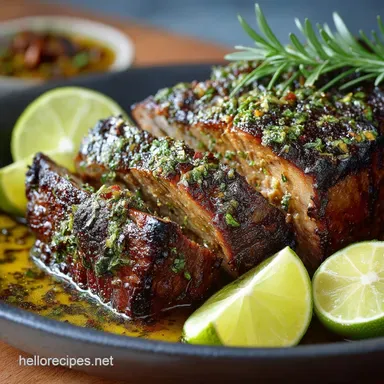
The Ultimate Cuban Mojo Pork Shoulder Slowroasted for Fallapart Perfection
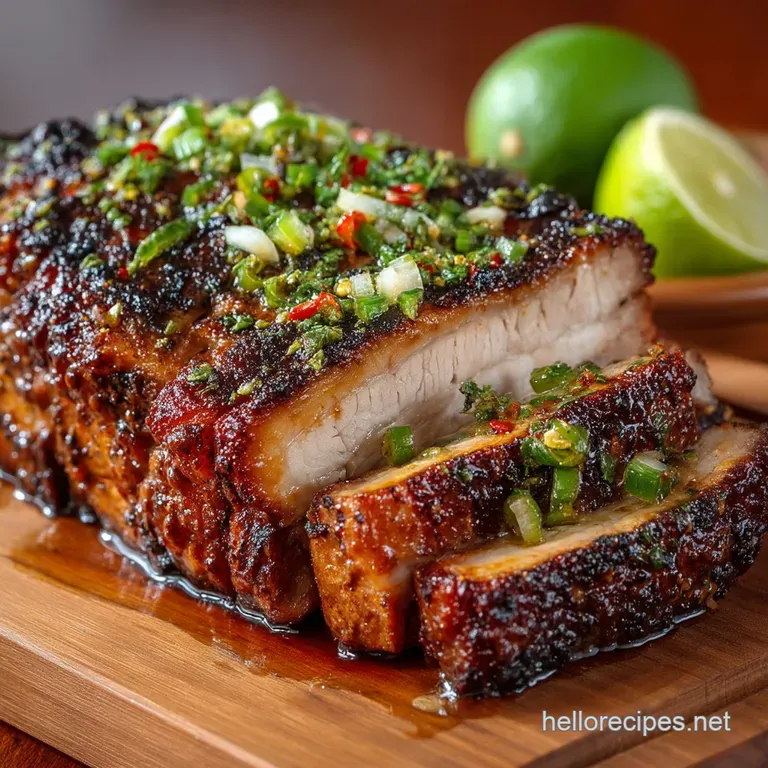
- Unlocking the 'Magic': What Makes True Cuban Mojo Marinade
- The Secret to Succulent, Restaurant-Quality Pork
- Assembling the Zesty Components for Intense Flavor Saturation
- Essential Hardware: Tools for Perfect Cuban Mojo Marinated Pork
- Crafting the Mojo Sauce: Maximum Flavor Infusion
- The Roasting Ritual: Translating Marinade into Magnificent Meat
- Maximizing Your Leftovers: Repurposing This Flavorful Roast
- Troubleshooting and Pro-Tips for Next-Level Cuban Mojo Marinated Pork
- Recipe FAQs
- 📝 Recipe Card
Unlocking the 'Magic': What Makes True Cuban Mojo Marinade
The heart and soul of authentic Cuban Mojo Marinated Pork isn't just the meat itself it's the marinade, known affectionately as Mojo .
In Spanish, mojo translates roughly to 'magic,' and once you taste the depth of flavour this zesty potion imparts, you’ll understand why. This isn't a quick surface coating; it’s a complex, acidic bath designed to penetrate deep into the muscle fibres of the pork shoulder, ensuring that every single bite is moist, tangy, and aromatic.
Mastering this Mojo Pork Recipe is the key to unlocking legendary Cuban roast pork at home.
The Secret to Succulent, Restaurant Quality Pork
Achieving that fall apart, fork tender texture reminiscent of celebratory Cuban feasts is entirely within reach without needing commercial smokers or days of advanced prep. Our goal here is to coax moisture from a typically tough cut of meat through careful application of acid and time, yielding a truly magnificent main course.
A One-Way Ticket to Havana: Introducing This Flavor Profile
When you think of traditional slow cooked pork, you might picture heavy smoke or sweet barbecue sauces. This is different. The flavour profile of authentic Cuban Pork Mojo Recipes is defined by brightness and earthiness.
It is savoury, punchy, and utterly refreshing, which perfectly balances the richness of the pork shoulder. It stands up beautifully on its own or transforms seamlessly when pressed into a classic Cuban sandwich.
Why Citrus and Garlic Are the Backbone of Authentic Cuban Mojo
The primary components driving this flavour profile are raw garlic and sharp citrus. We rely on generous quantities of both to do the heavy lifting. The citrus acts as a natural tenderizer, its acidity gently breaking down the connective tissues in the pork fat and muscle.
Simultaneously, the heaps of raw, minced garlic infuse an undeniable pungent, savoury foundation that no dried spice blend can truly replicate. This is what separates a good roast from truly memorable Cuban Mojo .
Achieving the Ultimate Tender Texture Without Overnight Effort
While overnight marination yields superior results (ideally up to 24 hours), you can still achieve excellent tenderness even with less time. The minimum requirement for a 3 to 4 lb pork shoulder is four hours submerged in the marinade. During this time, the acidity works its magic.
However, the ultimate tenderness comes not just from the marinade but from the cooking technique: the crucial low-and-slow roasting method, which allows the tough collagen to slowly convert into gelatin, bathing the meat in luxurious moisture.
Assembling the Zesty Components for Intense Flavor Saturation
Creating the Cuban Mojo Marinade is straightforward but requires attention to the proportions, especially the ratio of acid to oil. For a large 3 to 4 lb pork shoulder, you will need a robust blend of liquid to ensure full coverage.
We start by combining a full cup of fresh orange juice with half a cup of fresh lime juice. Olive oil, preferably a Spanish variety if available, emulsifies slightly with the juices to help carry the flavour, while roughly 12 large cloves of peeled garlic provide the requisite aromatic punch.
Ground cumin and dried oregano anchor the earthy notes, balanced simply with coarse sea salt and freshly cracked black pepper.
Essential Hardware: Tools for Perfect Cuban Mojo Marinated Pork
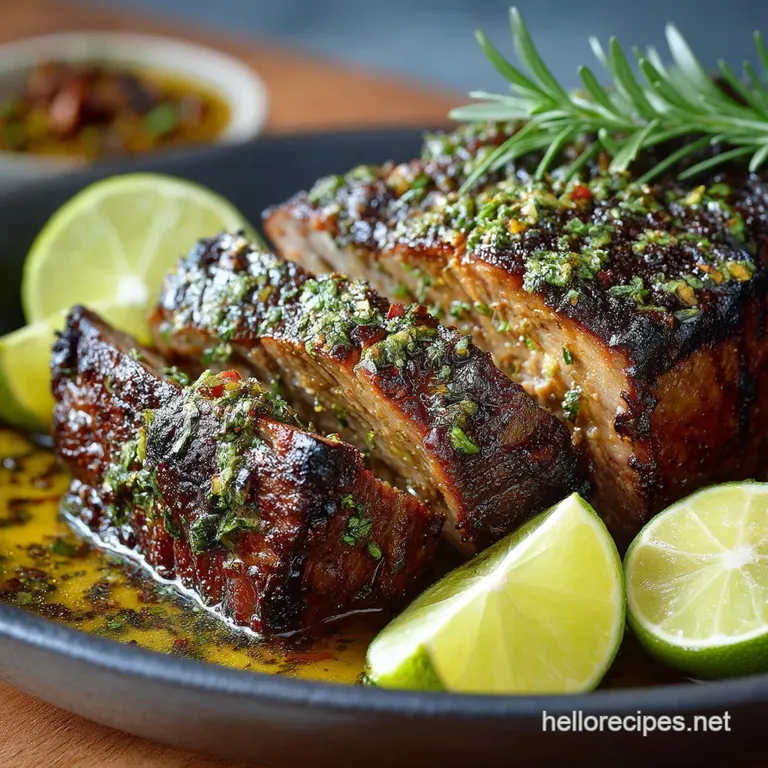
The equipment you choose directly impacts the success of your roast. Having the right vessels ensures even heat distribution and moisture retention throughout the long cooking process, which is crucial for perfecting this Mojo Pork Tenderloin Recipe (even when using a larger cut).
Selecting the Ideal Pork Cut for Slow Roasting Success
For a classic Cuban Roast Pork Recipe , the pork shoulder also known as the Boston Butt or Picnic Roast is unbeatable. Its generous marbling of fat ensures that even after hours in the oven, the meat remains moist.
This fat cap is essential; during the slow roast, it melts down, naturally basting the meat and enriching the pan juices we use for serving. A weight between 3 to 4 lbs is ideal for manageable cooking times.
The Definitive List of Sour Orange & Herb Requirements
The hallmark of true mojo involves sour (Seville) oranges, which provide a unique sharp tang. Our standard recipe relies on a generous combination of fresh orange juice and fresh lime juice to replicate this bright acidity.
For herbs, dried oregano is non-negotiable it adds a woodsy depth paired with ground cumin for that essential earthy warmth. Be generous with the garlic; 10 to 12 large cloves are necessary to achieve the necessary aromatic intensity required for the Best Mojo Marinade for Pork .
No Sour Orange? Creative Substitutions for Your Marinade Base
If genuine sour oranges are impossible to source, fear not. You can craft a close approximation by combining 2/3 cup of regular, sweet orange juice with 1/3 cup of white vinegar or even grapefruit juice.
This blend mimics the necessary sharp, slightly bitter edge that Seville oranges possess, ensuring your Cuban Mojo Marinated Pork still carries that classic pucker.
Related Recipes Worth Trying
- Easy Brown Sugar Balsamic Pork Tenderloin Recipe Weeknight Win — This Brown Sugar Balsamic Pork Tenderloin recipe creates a sticky flavourful glaze that elevates any dinner A truly easy pork tenderloin dinner staple Get...
- The Ultimate Cuban Roasted Mojo Pork Recipe Lechón Asado — Forget dry roasts This Cuban Mojo Roast Pork recipe yields incredibly tender meat thanks to a long marinade and slow cooking Get the secret to that bright...
- The Ultimate SlowSmoked Pulled Pork Recipe with Perfect Bark — Achieve meltinyourmouth Smoked Pulled Pork every time Our guide covers the best meat for pulled pork and the ideal internal temp for tenderness
Crafting the Mojo Sauce: Maximum Flavor Infusion
When creating the marinade base, processing the ingredients together in a food processor or blender is recommended, but pulse gently. You want the garlic finely minced and suspended in the liquid, not pureed into a smooth paste.
A slightly textured mixture allows the spices and herbs to cling better to the surface of the meat. Once mixed, reserve about 1/2 cup of this liquid before submerging the pork. This reserved portion can be used later for basting if you choose to forgo covering the pan entirely during the final hour.
The Roasting Ritual: Translating Marinade into Magnificent Meat
This phase turns hours of marinating into fork tender reality. Preparation and temperature control are everything here; rushing this process guarantees dry meat, regardless of how good your Mojo Marinated Pork Loin preparation was.
Preparing the Pork: Scoring, Rubbing, and Initial Marination Timing
Before marinating, thoroughly pat the pork shoulder dry. Moisture repels marinade, so dryness is key. Lightly score the fat cap in a diamond or crosshatch pattern this allows the marinade to penetrate the fat layer and helps render it evenly.
Season the meat aggressively with salt and pepper before introducing it to the vibrant mojo. Then, bag it tightly or place it in a non-reactive glass dish, pour the marinade over, and refrigerate for the recommended minimum of four hours, but ideally overnight.
Step-by-step: Achieving Deep Penetration with the Marinade
When it’s time to cook, remove the pork from the refrigerator one hour prior to roasting to allow it to temper slightly; this promotes more even cooking. Transfer the pork to your Dutch oven or roasting pan, fat-side up. Pour any remaining marinade liberally over the top. Do not wipe it off!
The goal is to have the meat slowly stew in the acidic, garlicky juices as the slow cooking begins.
Oven Strategy: Low and Slow Cooking Temperatures Explained
The magic temperature for transforming a shoulder cut is low aim for 325° F ( 160° C). At this gentle heat, the internal temperature rises slowly, giving the connective tissues ample time to dissolve into gelatinous moisture.
Cover the vessel tightly with a lid or heavy duty foil. Cook for roughly three to four hours before checking. We are looking for an internal reading around 195° F ( 90° C) before we finish with a blast of heat.
The Final Crisp: Developing That Irresistible Outer Crust
Once the pork is yielding and registers around 195° F internally, it’s time to add texture. Remove the lid or foil, exposing the meat. If your Dutch oven is oven safe, increase the temperature to 375° F ( 190° C).
Continue roasting for another 30 to 60 minutes. This final stage allows the exterior to caramelize beautifully, creating that slightly crisp, flavour concentrated crust that contrasts perfectly with the tender interior.
Maximizing Your Leftovers: Repurposing This Flavorful Roast
Because this Cuban Mojo Marinated Pork is cooked to the point of shredding, leftovers are incredibly versatile. After the initial rest period, shred the meat thoroughly, mixing it back into the pan drippings to maximize moisture retention.
These leftovers form the perfect base for authentic Cuban sandwiches (pressed with ham and Swiss), layered over rice, or mixed with sautéed onions and peppers for a hearty hash the next morning.
Troubleshooting and Pro-Tips for Next Level Cuban Mojo Marinated Pork
Even experts benefit from double checking their technique. Here are a few pointers to ensure every attempt at this Mojo Pork Recipe is a resounding success.
Serving Suggestions: Pairing Sides That Complement the Mojo Punch
Because the mojo is bright and acidic, it pairs wonderfully with rich, starchy sides that can soak up the juices. Traditional Cuban accompaniments like Moros y Cristianos (black beans and rice cooked together) are non-negotiable partners.
You also cannot skip tostones (twice fried green plantains) to provide textural contrast. A simple side of vinegary cabbage slaw cuts through the richness beautifully.
Storage Guidelines: Keeping Your Cooked Pork Juicy for Days
To store leftover shredded pork, ensure it is tightly sealed in an airtight container. For the best results and to prevent drying, always mix the shredded meat with a few spoonfuls of those accumulated pan juices before sealing.
Properly stored, this pork will maintain its flavour and moisture in the refrigerator for up to four days.
Can I Skip the Slow Roast? Exploring Pressure Cooker Alternatives
While the slow roast develops unparalleled texture, time constraints sometimes call for alternatives. If you are looking to speed up the process for your Cuban Roast Pork , a pressure cooker is an excellent substitute.
Use the same marinade but cook the pork under high pressure for about 60 to 75 minutes (depending on size) before allowing a natural pressure release. While fast, note that the final crisping step must be done separately under the broiler or in a hot oven afterward.
Adjusting Spice Levels: Customizing Heat in Your Marinade
If you prefer a spicier profile in your Cuban Mojo Marinated Pork , the easiest way to introduce heat without altering the core citrus flavour is by adding fresh chilies to the blender during the initial marinade preparation.
One or two minced jalapeños or a dash of cayenne pepper can be added seamlessly. Always taste the marinade before pouring it over the meat; you want the heat to complement the garlic and oregano, not overwhelm them.
Recipe FAQs
How long does the Cuban Mojo Marinated Pork actually need to marinate for the best results?
For truly authentic flavour that penetrates the meat, you want to give it a good soak. While four hours is the minimum we suggest to get started, leaving it overnight (12 to 24 hours) is the proper way to do it.
Think of it like letting your tea brew the longer the better for that zesty citrus and garlic to work their magic!
My pork isn't shredding easily; what went wrong with my slow roast?
This is usually down to impatience, old chap! The key to fall apart pork is patience and temperature. You need to cook it low and slow until the internal temperature hits around 195°F (90°C), which is when the tough collagen breaks down into gelatin.
If it’s only reached 170°F, it will still be firm, so pop the lid back on and give it another hour or so.
Can I use a different cut of meat instead of pork shoulder for this Cuban Mojo Marinated Pork recipe?
Pork shoulder (Boston Butt) is definitely the star because of its high fat content, which keeps it moist during the long roast. However, if you're in a pinch, you could try pork loin, but you must drastically reduce the cooking time to avoid drying it out aim for 160°F internal temperature and cover it tightly throughout.
A pork butt roast is superior for the authentic texture, though!
I don't have fresh oranges or limes; what citrus juices can I substitute in the mojo?
While fresh is always best for that vibrant punch, bottled 100% juice will certainly work in a pinch just try to get the lowest sodium options available. If you absolutely cannot get fresh citrus, a good quality mix of bottled lime juice and maybe a splash of white vinegar can provide the necessary acid, but you might lose a little bit of that authentic brightness.
How do I store leftover Mojo Pork and can I freeze it?
This pork keeps brilliantly, which is handy if you’ve cooked a big joint for the week. Store leftovers in an airtight container in the fridge for up to four days; make sure you include plenty of the pan juices to keep it moist.
Yes, it freezes beautifully too wrap tightly, and it will be good for about three months; just thaw overnight and reheat gently with a splash of extra liquid.
Best Mojo Marinated Pork