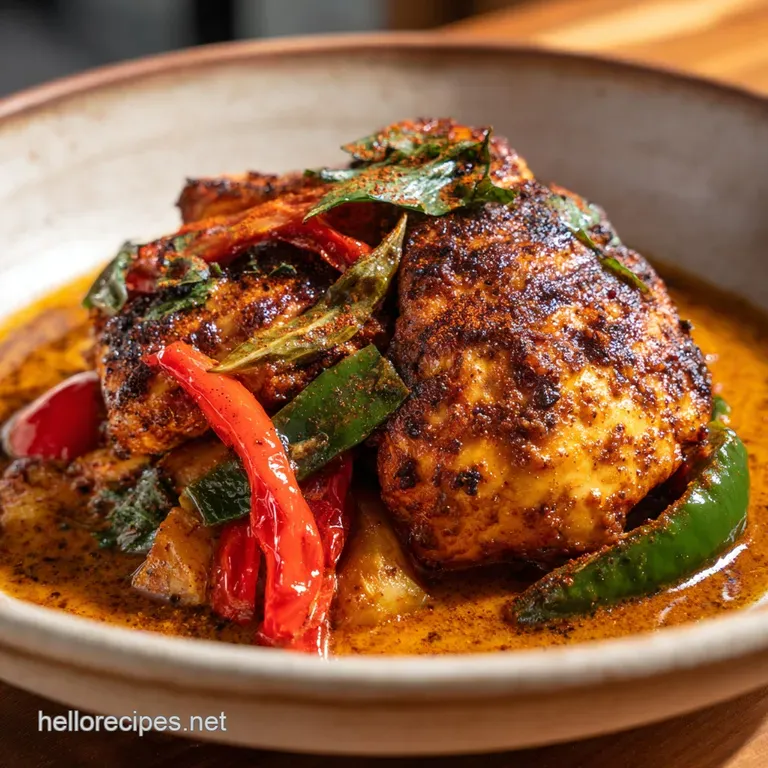
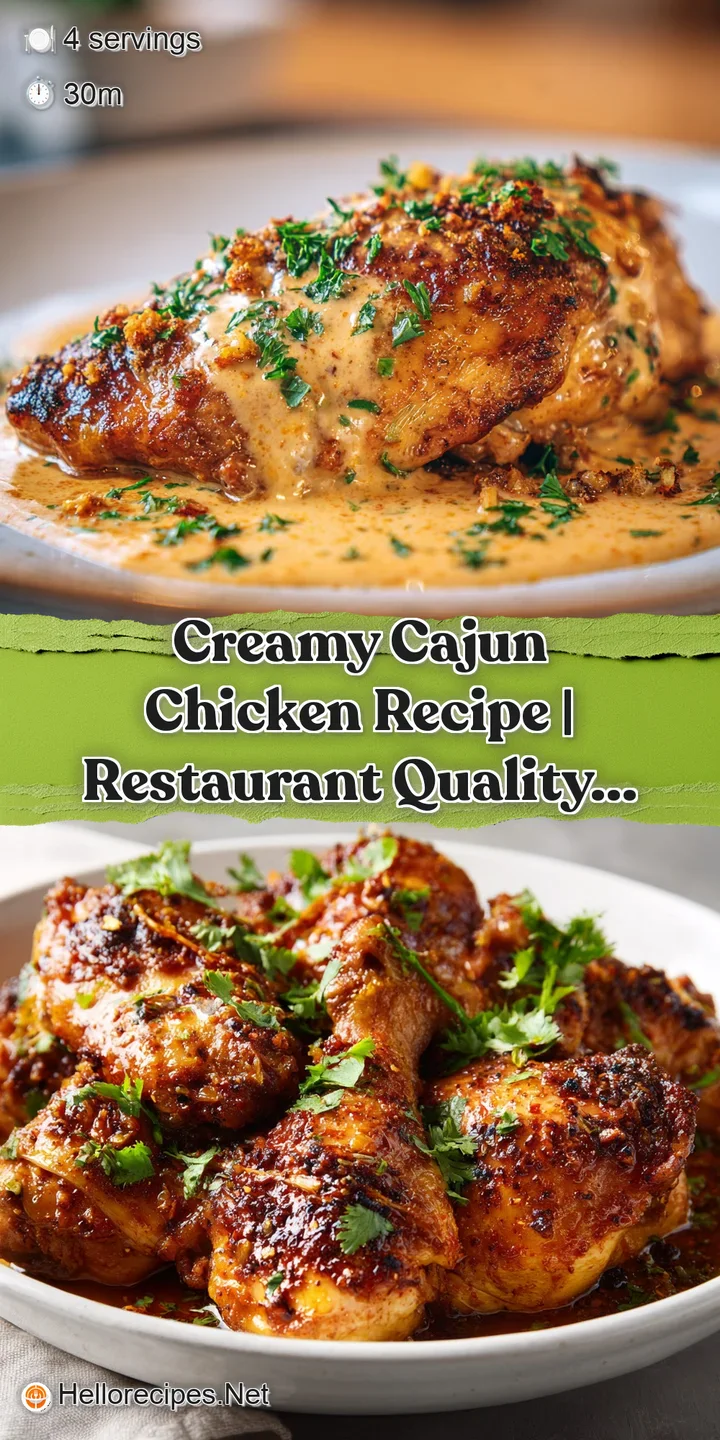
Creamy Cajun Chicken: Velvety Heat
- Time: Active 10 minutes, Passive 20 minutes, Total 30 minutes
- Flavor/Texture Hook: Smoldering heat meets velvety, parmesan infused cream
- Perfect for: A high impact weeknight dinner that feels like a luxury bistro meal
- Perfect Creamy Cajun Chicken Guide
- Gastronomy Behind the Flavor
- Essential Recipe Specifications
- Curating Your Elements
- Essential Kitchen Technology
- Precision Cooking Steps
- Fixing Common Issues
- Innovative Recipe Adaptations
- Preservation and Waste Reduction
- Serving and Gastronomy
- Recipe FAQs
- 📝 Recipe Card
Perfect Creamy Cajun Chicken Guide
The kitchen was silent except for the rhythmic thud thud of my knife hitting the board as I diced a yellow onion. Then, the transformation began. The moment that 1.5 lbs chicken breast hit the heavy bottomed skillet, a sharp, aggressive sizzle filled the room, sending up a cloud of smoked paprika and dried thyme that smelled like a backyard cookout in the middle of a rainy Tuesday.
I used to think this level of flavor required hours of marinating or some secret liquid, but I was wrong. I remember the first time I made this for a friend who claims to "hate" spicy food.
She watched, skeptical, as I tossed in the cayenne pepper, but once the half and half hit the pan and the sauce turned that gorgeous sunset orange, she was hooked. We ended up scraping the pan clean with crusty bread, laughing about how something so simple could taste so complex.
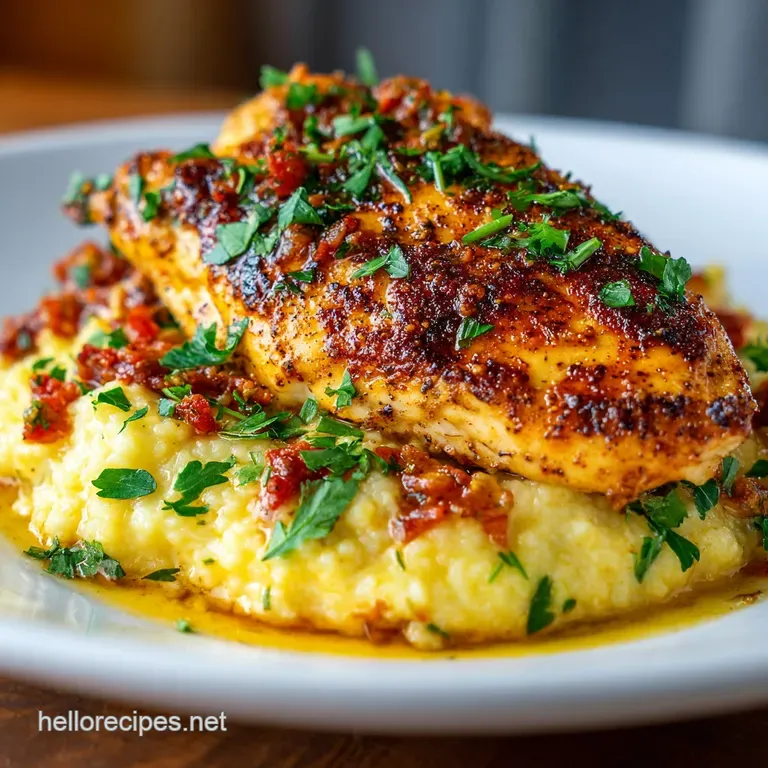
This dish is about the interplay of heat and fat. The spice rub creates a textured crust that practically shatters when you bite into it, while the velvety sauce provides a cooling contrast that keeps you coming back for another forkful.
It is a masterclass in balance, utilizing basic kitchen technology like heat conduction and emulsification to produce a result that is frankly far better than it has any right to be for a 30 minute meal.
Gastronomy Behind the Flavor
Understanding the "why" behind the sear helps you replicate this success every single time you step into the kitchen.
- Lipid Soluble Aromatics: The compounds in paprika and cayenne dissolve best in fat, so blooming them in olive oil releases a deeper, more rounded heat than adding them to a watery sauce.
- Thermal Mass Efficiency: Using a heavy skillet maintains a consistent temperature, allowing the Maillard reaction to occur rapidly without dropping the pan's heat when the cold meat is added.
- Casein Emulsification: The proteins in the half and half and Parmesan cheese bind with the chicken broth, creating a stable, silky texture that resists "breaking" or separating into oil and water.
| Thickness | Internal Temp | Rest Time | Visual Cue |
|---|---|---|---|
| 0.5 inch | 165°F | 3 mins | Opaque white throughout |
| 0.75 inch | 165°F | 5 mins | Juices run clear |
| 1 inch | 165°F | 5 mins | Firm springy touch |
Choosing the right pan is half the battle when you're looking for that specific crust. If you've enjoyed the texture in my The Crispy Chicken recipe, you'll know that heat distribution is everything. A cast iron or heavy stainless steel pan acts as a heat battery, ensuring that the chicken sears rather than steams.
Essential Recipe Specifications
Precision matters when you are working with over high heat spices that can turn bitter if scorched.
1. Component Analysis
| Ingredient | Science Role | Pro Secret |
|---|---|---|
| Smoked Paprika | Color and Depth | Provides the vibrant red hue and an earthy, non spicy base |
| Half and half | Texture Stabilizer | Offers enough fat to emulsify without being as heavy as cream |
| Parmesan Cheese | Umami Catalyst | Adds saltiness and acts as a natural thickener for the sauce |
2. Flavor Architecture
Building layers is the innovative way to ensure the dish isn't one note. We start with the dry rub on the protein to set the "high notes" of heat. Then, we use the chicken broth to deglaze, picking up the "fond" (those little brown bits) which contains the concentrated savory essence of the seared meat.
Finally, the fresh spinach provides a necessary bitter contrast to the richness of the dairy.
Curating Your Elements
We are looking for sustainable, high-quality ingredients that maximize impact while minimizing waste.
- 1.5 lbs chicken breast: Sliced into even strips for rapid, uniform cooking.
- 2 tbsp olive oil: Used for its high smoke point and healthy fat profile.
- Spice Rub: 2 tbsp smoked paprika, 1 tbsp garlic powder, 1 tbsp onion powder, 1 tsp cayenne pepper, 1 tsp dried oregano, 1 tsp dried thyme, 0.5 tsp kosher salt, and 0.25 tsp freshly cracked black pepper. Why this? The ratio ensures heat without overwhelming the palate.
- Aromatics: 1 small yellow onion (finely diced) and 3 cloves garlic (minced).
- Liquids: 1 cup low sodium chicken broth and 0.75 cup half and half. Why this? Low sodium broth lets you control the final salt level perfectly.
- Finishers: 0.5 cup freshly grated Parmesan cheese and 2 cups fresh spinach.
| Original Ingredient | Substitute | Why It Works |
|---|---|---|
| Chicken Breast | Chicken Thighs | More fat content. Note: Needs 5 extra mins of cook time. |
| Half and half | Coconut Milk | Full fat version only. Note: Adds a subtle tropical sweetness. |
| Spinach | Chopped Kale | Adds more texture. Note: Must simmer 3 mins longer to soften. |
The difference between a "good" dinner and a "memorable" one often comes down to the freshness of your spices. If that paprika has been sitting in your cabinet since the last lunar eclipse, it's time to refresh it. Old spices lose their essential oils, leaving you with a dusty flavor instead of a vibrant one.
Essential Kitchen Technology
You don't need a lab, but a few specific tools make this much easier.
1. Heavy Bottomed Skillet
A 12 inch cast iron or tri ply stainless steel skillet is non negotiable. It provides the thermal mass needed to sear 1.5 lbs of chicken without the temperature plummeting. If the pan is too thin, the spices will burn before the chicken is cooked through.
2. Instant Read Thermometer
Gastronomy is a game of degrees. Pulling the chicken at exactly 165°F ensures the fibers remain hydrated. Even a few degrees over can turn "velvety" into "stringy."
| Fresh Components | Shortcut Options | Impact on Quality |
|---|---|---|
| Hand Grated Parm | Pre shredded Bag | Fresh melts smoother; bagged is grainy. |
| Fresh Garlic | Jarred Minced | Fresh has sharp bite; jarred is dull/sweet. |
| Whole Spices | Pre made Cajun Blend | Whole is customizable; blend is often too salty. |
Precision Cooking Steps
- Prep the protein. Pat the 1.5 lbs chicken breast completely dry with paper towels. Note: Moisture is the enemy of a good sear.
- Apply the rub. In a small bowl, combine the paprika, garlic powder, onion powder, cayenne, oregano, thyme, salt, and pepper. Dredge the chicken strips until they are fully coated in the red spice mixture.
- Heat the skillet. Add 2 tbsp olive oil to your heavy skillet over medium high heat. Wait 2 minutes until the oil shimmers and barely wisps smoke.
- Sear the chicken. Place chicken in the pan. Cook for 3-4 minutes per side until a dark, crusty bark forms and the meat releases easily from the pan. Remove chicken to a plate.
- Sauté aromatics. Reduce heat to medium. Toss in the diced onion. Cook for 3 minutes until translucent and the edges turn slightly golden.
- Activate the garlic. Add the 3 cloves of minced garlic. Stir constantly for 30 seconds until the sharp aroma hits your nose.
- Deglaze the pan. Pour in 1 cup chicken broth. Use a wooden spoon to scrape the bottom of the pan until all the dark flavorful bits dissolve into the liquid.
- Build the sauce. Pour in 0.75 cup half and half. Simmer for 3-5 minutes until the liquid reduces by about a third and thickens slightly.
- Incorporate the finish. Stir in 0.5 cup Parmesan cheese and 2 cups spinach. Continue stirring until the cheese melts and the spinach wilts into a vibrant green.
- Combine and rest. Return the chicken to the pan. Toss to coat and let it sit for 2 minutes until the chicken is heated through and the sauce is glossy.
Chef's Tip: If your sauce looks a little too thick after adding the cheese, don't panic. Splash in a tablespoon of warm water or extra broth. The starch in the cheese can sometimes tighten the sauce faster than expected.
Fixing Common Issues
Sometimes the kitchen throws you a curveball. Here is how to stay in control.
Sauce is Breaking
If you see tiny beads of oil separating from the cream, your heat is likely too high. Dairy is sensitive to rapid temperature changes. The proteins can clump together, leaving the fat to wander off on its own.
Spice Rub is Burning
This usually happens if the pan is screaming hot or if you used an oil with a low smoke point (like butter). Burnt spices taste acrid and bitter. If the pan looks black instead of dark red, wipe it out and start over it's worth the five minute reset.
| Problem | Root Cause | Solution |
|---|---|---|
| Grainy Sauce | Pre shredded cheese | Use freshly grated Parmesan only. |
| Tough Chicken | Overcooking | Use a thermometer; pull at 165°F. |
| Bland Result | Lack of salt | Add a squeeze of lemon or more salt at the end. |
Common Mistakes Checklist
- ✓ Never crowd the pan; if the chicken strips are touching, they will steam instead of sear.
- ✓ Always wait for the oil to shimmer before adding the meat.
- ✓ Don't skip the deglazing step; those brown bits are where the concentrated flavor lives.
- ✓ Use half and half at room temperature to prevent the sauce from curdling when hitting the hot broth.
- ✓ Grate your own cheese; the cellulose coating on bagged cheese prevents a smooth melt.
Innovative Recipe Adaptations
This base is incredibly flexible. If you've mastered the Creamy Tuscan Chicken recipe, you'll find the technique here very familiar, though the flavor profile is much bolder.
The Pasta Twist
Boil 8 oz of penne or fettuccine in salted water. Reserve half a cup of the starchy pasta water. Toss the cooked pasta directly into the sauce at step 10, adding the reserved water if you need to loosen the consistency. It’s an easy creamy cajun chicken pasta that satisfies any carb craving.
The Grain Bowl
For a more sustainable, high fiber option, serve the chicken and sauce over a bed of quinoa or farro. The grains soak up the velvety sauce much better than white rice, and the nuttiness of the grain complements the smoked paprika.
The Low Carb Swap
If you want to keep things light, serve this over roasted cauliflower or zucchini noodles. Since the sauce is quite rich, the neutral flavor of the vegetables provides a great canvas.
- If you want a thicker sauce, whisk 1 tsp of cornstarch into the cold half and half before adding it to the pan.
- If you want more heat, increase the cayenne to 2 tsp and add a dash of your favorite hot sauce at the finish.
- If you want a smokier profile, swap half the chicken broth for a smoked vegetable stock.
Preservation and Waste Reduction
I’m a huge believer in using every scrap. If you have leftover stems from the spinach, don’t toss them! Finely mince them and sauté them with the onions for extra fiber and flavor.
Storage: Keep leftovers in an airtight glass container in the fridge for up to 3 days. When reheating, do it gently on the stovetop over low heat. Add a splash of broth or water to bring the sauce back to its original silky state. High power microwaving will cause the sauce to "split" and become oily.
Freezing: You can freeze this for up to 2 months, but be warned: the texture of the cream sauce may change slightly upon thawing. It might look a bit grainy, but a vigorous stir while reheating usually fixes it.
Zero Waste Tip: If you find yourself with extra spice rub, store it in a small jar. It’s an amazing seasoning for roasted chickpeas or even sprinkled over popcorn for a savory snack.
Serving and Gastronomy
Presentation is the final layer of flavor. Even a simple Tuesday night meal benefits from a little visual contrast.
1. The Fresh Garnish
Before serving, hit the plate with a handful of chopped parsley or sliced scallions. The bright green pop cuts through the heavy orange sauce. A final crack of black pepper and a light dusting of extra Parmesan adds texture.
2. Perfect Pairings
A crisp, acidic side dish is the best companion for the richness of this Creamy Cajun Chicken. Think of a simple cucumber and red onion salad dressed in red wine vinegar, or a pile of roasted green beans with lemon zest. The acidity cleanses your palate between bites of the spicy, creamy sauce.
If you are looking for something even more substantial, a piece of toasted sourdough is mandatory. You’ll want something to mop up every last drop of that sauce trust me, leaving any behind is a culinary tragedy. Just like the technique used in our OnePan Creamy Tuscan recipe, the magic is in the sauce to protein ratio. Enjoy the sizzle, the spice, and that first velvety bite!
Recipe FAQs
How to make creamy Cajun chicken?
Sear seasoned chicken strips until deeply browned. Deglaze the pan with chicken broth, scraping up the fond, then simmer with half and half and Parmesan until the sauce reduces and thickens around the meat.
What sauce goes best with Cajun chicken?
A rich, dairy based cream sauce works best. The sauce needs enough fat and body, like half and half or heavy cream, to temper the aggressive heat of the Cajun spices.
What's the secret to great Cajun flavor?
Bloom your spices in hot oil before adding liquids. This releases fat-soluble flavor compounds, deepening the smokiness of paprika and cayenne far more than simply stirring them into a simmering sauce.
What's the secret to really flavorful butter chicken?
Focus on blooming the spices and balancing acid. Just like in this Cajun dish, toasting spices in fat first is key; also, balancing the richness of the cream with a touch of acid, like tomato paste or lemon juice, keeps the flavor bright.
Can I use chicken thighs instead of breasts?
Yes, thighs offer more moisture and fat. Use the same searing time and temperature, but be prepared to cook them for about 5 minutes longer to ensure they reach a safe internal temperature of 165°F.
How do I stop the cream sauce from breaking or becoming grainy?
Use freshly grated Parmesan and avoid excessively high heat. Bagged cheeses contain anti caking agents that prevent smooth melting, and if the sauce boils rapidly after adding dairy, the proteins will separate.
Can I make this recipe ahead of time?
You can prepare components, but finish the sauce fresh for best texture. The chicken can be seared and cooled, but dairy based sauces degrade in quality upon reheating; for stability, apply the final sauce just before serving, similar to preparing a velouté base for our Creamy Chicken Alfredo recipe.
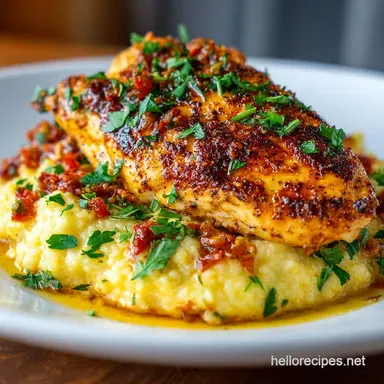
Creamy Cajun Chicken Dish
Ingredients:
Instructions:
Nutrition Facts:
| Calories | 491 kcal |
|---|---|
| Protein | 59 g |
| Fat | 22 g |
| Carbs | 9 g |
| Fiber | 2 g |
| Sugar | 3 g |
| Sodium | 615 mg |
