Classic Buttermilk Scones: Tall, Light, and Ready for Afternoon Tea

- The Definitive Guide to Making Authentic British Scones
- Mastering the Chemistry of the Perfect Rise
- Essential Pantry Items for Fluffy Buttermilk Scones
- Baking Buttermilk Scones: A Detailed Process
- Troubleshooting Your Scones: Expert Tips and Fixes
- How to Store, Freeze, and Reheat Scones
- Serving Suggestions and Creative Scone Variations
- Recipe FAQs
- 📝 Recipe Card
The Definitive Guide to Making Authentic British Scones
The moment these beauties hit the oven, your kitchen transforms into a proper English tea room. That smell warm, slightly tangy buttermilk and sweet butter is just pure comfort, truly unmatched by anything else. You pull them out, and the tops are shattered gold, promising a flaky, cloud soft interior.
Look, this isn't some fussy bakery recipe; this Classic Scones Recipe is actually a lifesaver when you need a quick win. It uses ingredients you definitely have right now, and the whole thing takes less than an hour from start to serving.
I swear, they are miles better than those dry, dense versions most cafes try to pass off as scones.
I know what you’re thinking: Scones are supposed to be tricky. I made every mistake in the book when I started, ending up with flat little hockey pucks instead of towering tiers.
But once you master these few non-negotiable techniques the magic of cold butter and zero fuss you will nail the Perfect Scones Recipe every single time.
Mastering the Chemistry of the Perfect Rise
What Makes Buttermilk Scones So Unique?
Buttermilk is the secret sauce here, and seriously, don't skimp on it. It provides a complexity and slight tang that elevates the final flavor profile far above basic milk. More importantly, its acidity is crucial for reacting perfectly with the baking powder, giving us that signature tall, beautiful rise we're aiming for.
The Science of Cold Butter: Lamination and Steam
We need cold butter for maximum oven spring; it’s non-negotiable. When those tiny, icy pieces of butter hit the heat of the oven, they rapidly melt and release steam. This steam creates tiny pockets inside the dough, pushing the layers apart that’s how you get that incredible flaky texture, known as lamination.
If your butter is warm, it just mixes into the flour like grease, resulting in a dense, sad little cake.
Why Buttermilk is Superior to Milk (Acid reaction with baking powder)
Using buttermilk gives you a measurable lift advantage over regular milk. Baking powder is usually a blend of baking soda and an acid. When we use buttermilk, which is already acidic, we boost that chemical reaction significantly, making the leavening even more powerful.
Trust me, the tang is fantastic, and the height difference is shocking.
The No-Knead Principle: Preventing Gluten Development
Gluten is the enemy of a tender scone. Gluten develops when you mix flour and liquid extensively, creating structure (which is great for bread, terrible for light, fluffy scones). We want to mix until the dough just barely holds together, meaning we handle it as little as humanly possible.
If you want truly light and fluffy scones, mix until shaggy and then stop.
Essential Pantry Items for Fluffy Buttermilk Scones
These ingredients are simple, but their condition matters hugely. If your baking powder has been sitting in the cupboard since the last millennium, throw it out and get a fresh batch; it’s the engine of this recipe. Every single ingredient should be cold, cold, cold.
Flour Power: Self Rising vs. All-Purpose Explained
You can use self rising flour, but I honestly prefer all-purpose flour combined with a generous dose of reliable, fresh baking powder. This gives me total control over the rise, ensuring the final product isn't too dense.
If you use self rising flour, omit the baking powder and reduce the salt to 1/4 teaspoon, otherwise, it can taste metallic.
Best Practices for Handling Cold Dairy (Buttermilk/Butter)
Keep the butter frozen or cubed and chilling in the freezer for 10 minutes before you start. Seriously, put your buttermilk back in the fridge between steps if you live in a hot climate. The key to the perfect, delicate structure is making sure the butter doesn't melt until it’s baking.
Ingredient Swap Guide: dairy-free and low-fat Alternatives
We all need options sometimes! While the classic recipe shines with full fat dairy, here are smart ways to adapt without compromising texture.
| Ingredient | Substitute Suggestion | Notes |
|---|---|---|
| Buttermilk | Milk + 1 tsp White Vinegar | Let it curdle for 5 minutes before using. |
| Unsalted Butter | Frozen, Solid Coconut Oil or Baking Block | Use a plant based block, cut into cubes, and keep frozen. |
| All-Purpose Flour | gluten-free Blend (w/ xanthan gum) | Might need a tablespoon or two more liquid; dough will be stickier. |
| Granulated Sugar | Stevia or Monk Fruit Blend | Only affects flavour; follow ratio provided on substitute packaging. |
Baking Buttermilk Scones: A Detailed Process

Preparing the Dough: Mixing Until Just Shaggy
After cutting the cold butter into the flour until it looks like coarse sand mixed with little pebble sized chunks, you’re ready for the liquid. Pour the buttermilk and egg in all at once. Use a gentle folding motion, just until there are no streaks of dry flour left.
You want a shaggy, slightly sticky dough, not a smooth ball.
The Pat and Cut Method: Ensuring Clean Edges
Don't use a rolling pin! Rolling develops gluten, remember? Lightly flour your surface, pat the dough into a thick 1 inch (2.5 cm) disc, and fold it over just twice to create those quick layers. The most important tip for a sky-high rise is the cutter: Press straight down and pull straight up.
I once twisted my cutter a rookie move and every single scone rose lopsidedly.
Crucial Blockquote Tip: DO NOT TWIST THE CUTTER. Twisting seals the sides of the dough, preventing the heat from pushing the layers upward.
The Egg Wash Secret for Golden Tops
The egg wash is what gives the scone its beautiful, appetizing golden crust and subtle shine. We use the leftover yolk mixed with a little milk because yolks contain more fat, resulting in a deeper colour.
Always avoid letting the wash drip down the sides of the scone, as this seals the edges and prohibits that perfect spring.
Oven Temperature Matters: Achieving the Spring
Bake these at a high heat 425°F (220°C). That burst of high heat is absolutely necessary to activate the cold butter quickly, giving you that rapid, explosive rise, which bakers call "oven spring." You need the heat to set the structure before the butter completely melts out.
Troubleshooting Your Scones: Expert Tips and Fixes
Why Are My Scones Dry? (Overmixing/too much flour)
The most common culprit for dry, crumbly scones is either adding too much flour or overworking the dough. If you scoop your flour directly from the bag, you’re likely using 25% too much. Always spoon the flour into your measuring cup and level it off.
Next,, stop mixing the second the dough comes together; if you keep kneading, you’re squeezing out the tenderness.
Handling Dough That is Too Sticky
If your dough is too wet and sticky, your buttermilk might have been slightly warm, or perhaps your measurements were slightly off. Resist the urge to dump in tons of extra flour. Instead, lightly flour your hands and work surface and use a bench scraper to manage the stickiness.
Better slightly sticky than tough and dry.
Avoiding the dreaded 'Leaning Tower' Scone
If your scones lean, it's almost certainly because you twisted the cutter or applied the egg wash too heavily down the sides. Make sure the cutter is sharp and that you use quick, decisive downward pressure. And remember that rule about the wash keep it strictly to the top surface.
How to Store, Freeze, and Reheat Scones
Altitude Adjustments for High Elevation Baking
Baking at high altitude changes everything because the lower air pressure allows leavening agents to work faster. If you live high up, slightly reduce your baking powder (by about 1/4 tsp) and slightly increase the liquid (by 1 Tbsp) to counteract the rapid expansion.
Otherwise, they might rise too quickly and collapse.
Freezing Scone Dough: Pre-Cut vs. Mixed
You can absolutely freeze scone dough! It’s a total game changer for spontaneous afternoon tea. I prefer freezing them pre-cut. Place the cut rounds on a baking sheet and freeze until solid, then transfer them to a Ziploc bag.
Bake straight from frozen —just add 3- 5 minutes to the total baking time.
Shelf Life: How Long Do Baked Scones Stay Fresh?
Freshly baked scones are best eaten the same day, ideally within two hours of cooling. However, they will keep on the counter, wrapped tightly in foil or an airtight container, for up to 2 days. To refresh them, slice them horizontally and toast them lightly in the toaster oven for 5 minutes.
Serving Suggestions and Creative Scone Variations
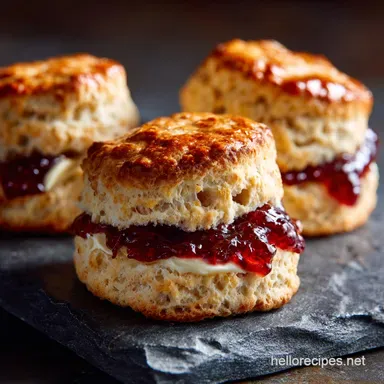
The only way to eat these, in my opinion, is split and piled high with good jam and proper clotted cream anything else is treason! If you haven't mastered clotted cream yet, it's a must. But if you’re looking for a different flavour profile, there are so many ways to switch this up.
For a hearty, comforting meal, I sometimes make a batch of savory scones. If you want to try that next, go check out my recipe for Savory Breakfast Cheddar Chive Scones Recipe . They are perfect with a bowl of soup, like my Creamy Chicken Pot Pie Soup Zero Faff Comfort with Savoury Scones .
Variations to Try:
- Lavender and Vanilla: Add 1 tsp dried culinary lavender and 1/2 tsp vanilla extract to the wet ingredients.
- Chocolate Chip: Fold in 1/2 cup mini chocolate chips after the dough comes together.
- Cranberry Orange: Add 1/2 cup dried cranberries and the zest of one orange to the dry ingredients.
And hey, if you loved this recipe and want to deep dive even further into the perfect structure, you might also like my deep dive on The Best Homemade Scones Recipe Light Fluffy Easy , which covers even more specific British techniques! Enjoy your baking!

Recipe FAQs
Why didn't my scones rise tall, and why are they dense?
The primary culprits for a poor rise are warm butter/buttermilk and overworking the dough. Ensure all dairy ingredients are icy cold and mix the dough only until it is just combined.
Additionally, when stamping out the shapes, avoid twisting the cutter, as this seals the edges and prevents maximum oven spring (the "break" or rise).
I don't have buttermilk. What is the best substitute?
Buttermilk is crucial for both tenderness and flavor, but you can create a decent alternative at home. Add one tablespoon of white vinegar or lemon juice to a measuring cup, then fill the rest with whole milk.
Let this mixture stand for 5 10 minutes until it curdles and thickens slightly before using it in the recipe.
My scones came out dry and crumbly. How can I fix this next time?
Dryness usually results from measuring too much flour or baking the scones for too long. Always use the "spoon and level" method when measuring flour to avoid packing it tightly into the cup. Also, test the internal temperature; properly baked scones should read around 200°F (93°C) and be lightly golden brown.
Can I freeze the scone dough ahead of time for later baking?
Yes, freezing unbaked scone dough is highly recommended for convenient prep. Cut the shapes, place them on a parchment lined tray, and freeze until completely solid, then transfer them to a freezer bag for up to one month. Bake the scones directly from frozen, adding about 3-5 minutes to the total baking time.
How should I store leftover baked scones to keep them fresh?
Scones are always best eaten the day they are made, preferably within an hour of cooling. If you need to store leftovers, cool them completely and place them in an airtight container at room temperature for up to two days.
For optimal texture when serving, warm them slightly in a toaster oven or standard oven before pairing with jam and cream.
Can I adapt this recipe to be entirely vegan?
Absolutely. Replace the chilled butter with an equal amount of solid vegan baking sticks or vegetable shortening, ensuring they are cut into small pieces and kept very cold. Swap the buttermilk for a slightly acidic plant based milk, such as soy or almond milk mixed with a teaspoon of apple cider vinegar, remembering to maintain the cold technique.
What is the best type of wash to use for a golden brown finish?
For a professional, deep golden brown crust, brush the tops only with an egg yolk mixed with a splash of milk or cream. It is critical to avoid letting the wash drip down the sides of the scone. A sealed side can prevent the layers from separating properly during baking, resulting in a flatter, less defined rise.
Classic Buttermilk Scones Recipe
Ingredients:
Instructions:
Nutrition Facts:
| Calories | 370 kcal |
|---|---|
| Protein | 11.7 g |
| Fat | 6.1 g |
| Carbs | 67.1 g |
