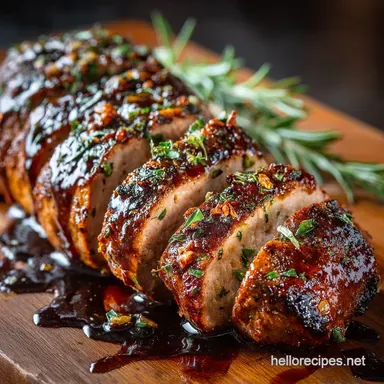
Sticky Sweet the Ultimate Brown Sugar Balsamic Glazed Pork Tenderloin
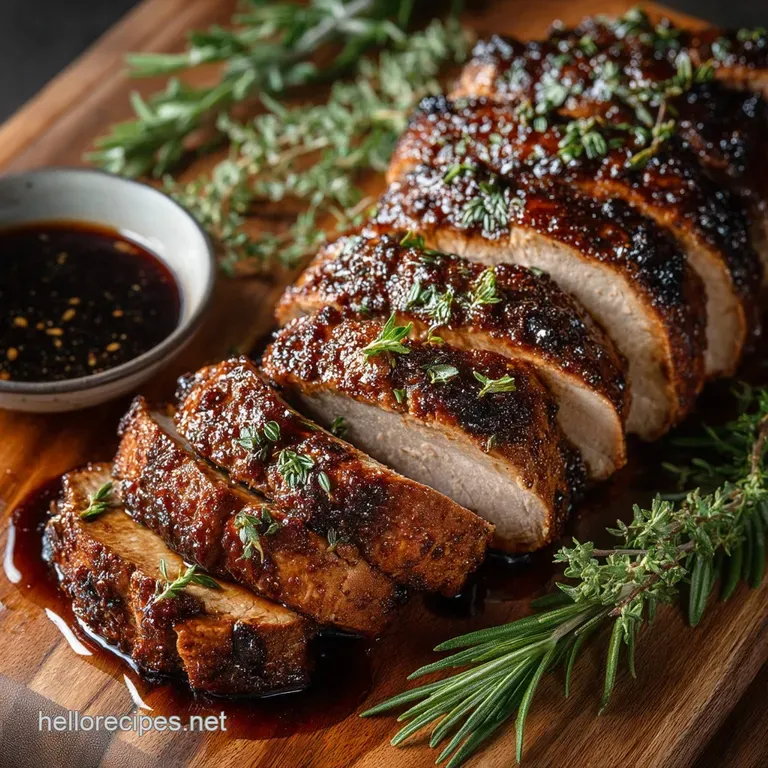
- Why This Brown Sugar Balsamic Pork Tenderloin Deserves Center Stage
- The Perfect Harmony: Balancing Tangy Balsamic with Sweet Brown Sugar
- Assembling Your Flavor Arsenal: What You'll Need
- Mastering the Method: Step-by-Step Cooking Guide
- Elevating Your Plating: Serving Suggestions and Pairing Ideas
- Troubleshooting and Making Ahead: Expert Tips for Your Brown Sugar Balsamic Pork Tenderloin
- Recipe FAQs
- 📝 Recipe Card
Why This Brown Sugar Balsamic Pork Tenderloin Deserves Center Stage
There are certain weeknight meals that feel deceptively simple yet deliver a flavour profile so rich and complex, they instantly elevate your entire dinner rotation. The Brown Sugar Balsamic Pork Tenderloin is precisely one of those dishes.
Forget the long prep times often associated with gourmet flavours; this recipe is a guaranteed crowd pleaser, taking the humble pork tenderloin and transforming it with a deeply flavourful, mahogany hued glaze.
The magic lies in the slow caramelisation of brown sugar with sharp balsamic vinegar, mellowed by garlic and a whisper of Dijon mustard. It’s sophisticated enough for guests but speedy enough for a Tuesday tea, striking that perfect balance reminiscent of sticky ribs but achieved in a fraction of the time.
This approach makes crafting a memorable Easy Pork Tenderloin Dinner remarkably achievable.
The Perfect Harmony: Balancing Tangy Balsamic with Sweet Brown Sugar
The success of this entire dish hinges on achieving that critical equilibrium between sweet and tart. We are aiming for a sticky, glossy coating a Balsamic Glazed Pork Tenderloin that adheres perfectly to the lean meat without overpowering it.
The ingredients selected are designed to build layers of flavour while simultaneously acting as a beautiful tenderiser during the roasting process.
Your Weeknight Hero: A Sophisticated Yet Speedy Meal
We pride ourselves on delivering recipes that impress without demanding hours in the kitchen. The beauty of this Brown Sugar Pork Tenderloin is that while the finished product suggests hours of simmering and slow cooking, the active prep time is minimal about 15 minutes, tops.
From patting the meat dry to having it resting on the cutting board, you’ll be looking at roughly 40– 45 minutes total. This speed, combined with the depth of flavour, solidifies its status as a weeknight hero.
What Makes This Glaze Unforgettable?
The glaze is where the sorcery happens. It starts with dark brown sugar, which offers a deeper molasses note compared to white sugar, immediately lending colour and body. When this meets high-quality balsamic vinegar, the acid begins to break down the sugar as it reduces, preventing a cloying sweetness.
Crucially, we introduce a tablespoon of soy sauce (or tamari) for crucial umami depth, which stops the glaze from tasting merely like sugar water, pushing it firmly into savoury territory. This precise formulation is what defines this incredible Brown Sugar Balsamic Pork Tenderloin Recipe .
Pork Tenderloin: The Cut That Cooks to Perfection
Choosing the right protein is half the battle. Pork tenderloin is lean, delicate, and cooks rapidly, making it ideal for quick searing and roasting methods. Because it is so lean, it is essential not to overcook it.
We sear it first to develop a flavourful crust, and then let the oven gently finish the job, ensuring a tender, juicy interior every time. If you’re looking for similar results but perhaps a longer cooking time, you might explore adaptations for Brown Sugar Balsamic Pork Loin , though the cooking methodology would need adjustment.
Assembling Your Flavor Arsenal: What You'll Need
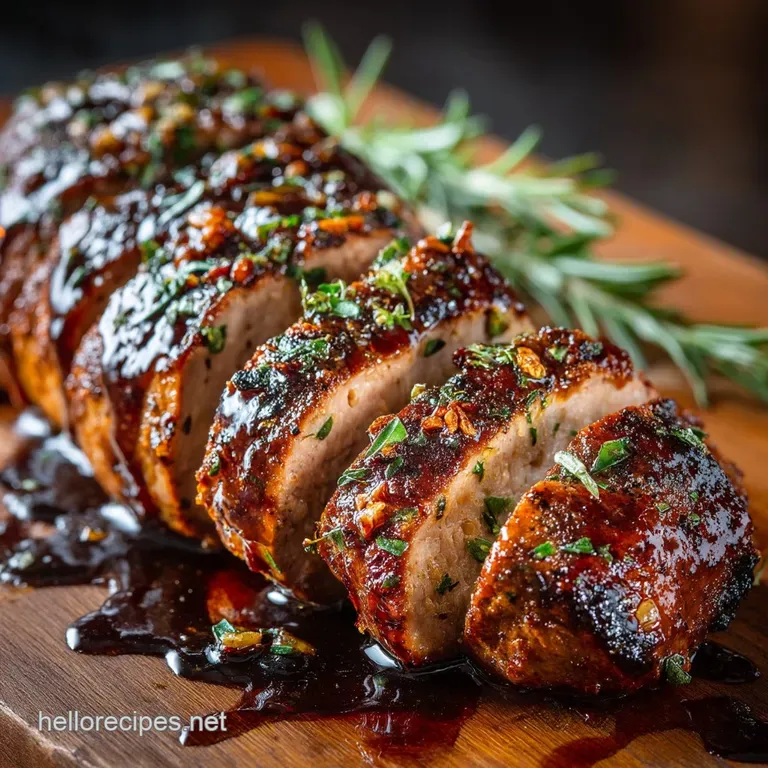
To execute this spectacular Balsamic Pork Tenderloin , you’ll need an array of straightforward items that promise maximum impact. Success in any great recipe is often determined before the heat even turns on, by ensuring you have the correct quality and quantity of your components.
The Essential Components for the Signature Glaze
The glaze mixture requires careful measurement. You will be relying on 1/3 cup of packed dark brown sugar to provide the caramel base. This sweetness is meticulously balanced by 1/4 cup of good balsamic vinegar don’t skimp here; the vinegar is a primary flavour note.
We enhance the savoury profile with 1 tablespoon of soy sauce (or gluten-free Tamari) for that essential umami. Finally, 1 teaspoon of Dijon mustard is whisked in, not for overwhelming heat, but for the subtle tang it adds that brightens the heavy sweetness.
Pantry Staples Required for This Delight
Beyond the core glaze ingredients, a few humble pantry items anchor the dish. You will need 3 cloves of garlic, minced finely, to bloom in the pan fat before adding the liquid elements. We start the searing process with 1 tablespoon of good olive oil.
For the final stages of the glaze reduction, 2 tablespoons of water or chicken stock help thin the mixture slightly before the pork enters the oven, ensuring the sauce coats rather than smothers the meat.
Essential Kitchen Gadgets for Perfect Execution
While this isn't a complicated recipe, a few tools are highly recommended for achieving that professional finish. The most crucial item for any roast like this is an instant read meat thermometer; pork tenderloin is lean and benefits tremendously from precision cooking.
On top of that,, using an oven safe, heavy bottomed skillet cast iron is the gold standard is vital, as it allows you to perform the initial sear directly on the stovetop before transferring the entire pan into the oven seamlessly.
Related Recipes Worth Trying
- The Best Chewy Oatmeal Chocolate Chip Cookies with Browned Butter — Tired of flat cookies This Oatmeal Chocolate Chip Cookies recipe uses browned butter for deep flavour and guarantees a perfectly chewy texture every time...
- Liquid Gold Silky Smooth Balsamic Glaze Recipe Easy Reduction Sauce — Learn how to make a truly thick glossy balsamic reduction sauce at home This easy balsamic glaze recipe uses just two ingredients for luxurious flavour
- Brown Butter Chewy Butterscotch Chocolate Chip Cookies — Elevate your baking with these impossibly chewy butterscotch chocolate chip cookies featuring nutty brown butter for rich depth A true teatime treat
Mastering the Method: step-by-step Cooking Guide
With all your flavour components ready, it’s time to bring this Brown Sugar Balsamic Pork Tenderloin to life. We use a combination of high heat searing followed by moderate roasting, a classic technique that guarantees both exterior flavour and internal tenderness.
Prep Work: Searing the Tenderloin to Lock in Juices
First, ensure your oven is preheated to 400° F ( 200° C). Take your approximately 1.5-pound pork tenderloin, trim off any visible silver skin, and pat it aggressively dry with paper towels. Moisture is the enemy of a good sear!
Season generously with freshly ground salt and pepper. Heat the olive oil in your heavy skillet over medium high heat until it shimmers slightly. Carefully place the pork into the hot pan, using tongs to turn it every minute or two until a deep, rich brown crust has formed on all sides this should take about 6 to 8 minutes total.
Remove the pork and set it aside momentarily.
Simmering the Brown Sugar Balsamic Reduction
Reduce the heat to medium and add 1 tablespoon of unsalted butter to the skillet. Once melted, toss in the finely minced garlic, cooking for just 30 seconds until fragrant be careful not to let it burn! Immediately whisk in the brown sugar, balsamic vinegar, soy sauce, and Dijon mustard.
Stir constantly as the mixture comes up to a gentle simmer. The goal here is to dissolve the sugar completely and allow the mixture to slightly reduce and thicken, which generally takes about two minutes.
The Crucial Roasting Phase for Flawless Interior Temperature
Return the seared pork tenderloin to the skillet, nestling it into the simmering glaze. Spoon some of the glaze mixture right over the top surface of the pork. Transfer the entire skillet into the preheated oven. Roast for approximately 15 to 20 minutes.
To ensure maximum glaze adhesion, use tongs to baste the pork again halfway through the roasting time. We are aiming for an internal temperature of 140° F– 145° F ( 60° C– 63° C) as measured at the thickest part of the meat.
Resting Protocol: The Secret to Tender Bites
This step is non-negotiable for any lean roast. Once the target temperature is hit, immediately remove the skillet from the oven. Transfer the pork tenderloin gently onto a clean cutting board and tent it loosely with foil. Allow it to rest undisturbed for a minimum of 5 to 10 minutes.
This resting period allows the muscle fibres to relax and reabsorb the juices drawn out during the searing and roasting, guaranteeing your resulting Balsamic Pork Tenderloins are moist and utterly tender when sliced.
Elevating Your Plating: Serving Suggestions and Pairing Ideas
The beautiful, sticky glaze clinging to the sliced pork begs for a soft base to soak up the excess sauce. This rich flavour profile pairs wonderfully with creamy textures and bright, crisp greens.
Ideal Side Dishes to Complement the Rich Glaze
For the perfect foil to this savoury sweet profile, consider serving the slices over rich, buttery mashed potatoes; their creaminess perfectly catches every drop of the reduction. If you prefer something slightly lighter, creamy celeriac or parsnip mash works wonders.
For a textural contrast, a side of crisp Green Beans Almondine, tossed with toasted slivered almonds, offers a satisfying crunch against the tender meat. These sides ensure your Brown Sugar Balsamic Pork Tenderloin shines as the star of the meal.
Storage Protocols for Leftover Glazed Pork
Any leftover portions of this delicious Brown Sugar Balsamic Pork Tenderloin store beautifully. Place the cooled, sliced meat in an airtight container and refrigerate for up to three days.
The glaze tends to solidify slightly when chilled, but a gentle reheat either quickly in a skillet over low heat with a splash of water or stock, or briefly in the microwave will restore its luscious texture.
Quick Variations: Spice It Up or Lighten It Down
If you want to introduce some complexity beyond the sweetness, consider adding a teaspoon of dried rosemary or thyme directly into the glaze mixture before it simmers; the herbs infuse beautifully as the pork roasts.
Alternatively, for a delightful sweet heat contrast that echoes barbecue traditions, swap the brown sugar for pure maple syrup and incorporate half a teaspoon of red pepper flakes into the sauce base.
These minor tweaks allow you to customise your Pork Tenderloin Recipes Balsamic for different palates.
Verifying Doneness: Internal Temperature Checkpoints
Since pork tenderloin is so lean, precision is paramount. Never rely solely on visual cues. Pull your pork from the oven when the meat thermometer registers 140° F ( 60° C).
Due to carry over cooking the process where the temperature continues to rise after removal from the heat source it will reach a perfect, safe final temperature of 145° F ( 63° C) once it has rested under the foil.
This guarantees you avoid any dry, overcooked disappointments.
Troubleshooting and Making Ahead: Expert Tips for Your Brown Sugar Balsamic Pork Tenderloin
Even the simplest recipes sometimes throw a curveball. Knowing how to adjust on the fly ensures your dinner remains a triumph, whether you’re using the Oven Brown Sugar Balsamic Pork Tenderloin method or exploring slower cooking options like a Crockpot Brown Sugar Balsamic Pork Tenderloin (which would require simmering the glaze ingredients in the slow cooker for several hours prior to adding the pork).
Troubleshooting Tips for the Perfect Glaze
The most common issue with this type of glaze is scorching. If you notice the sugar mixture darkening too quickly while simmering on the stovetop, immediately reduce the heat to the lowest setting, or even remove the pan entirely for 30 seconds while stirring vigorously, then return it to low heat.
Remember, the soy sauce and balsamic vinegar are concentrated; a gentle simmer is always safer than a rolling boil when dealing with sugar. Trust the process; a beautiful, deep caramel colour should be achieved without ever smelling burnt.
Recipe FAQs
Can I make the Brown Sugar Balsamic Pork Tenderloin ahead of time, or should I freeze it?
For the best results, cook this dish fresh! However, the glaze itself can be made a day ahead and stored in the fridge, just give it a quick reheat on the stove to loosen it up before use.
If you need to freeze the cooked pork, wrap it tightly; you might notice a slight texture change upon thawing, so plan to use any leftovers within a month.
My glaze seems too thin after roasting what did I do wrong?
That’s a common worry, usually because the oven temperature causes evaporation to vary! If the glaze looks thin when the pork is done, simply remove the pork to rest, and then turn the skillet heat back up to medium high.
Let the remaining sauce bubble vigorously for 2 3 minutes until it coats the back of a spoon nicely this concentrates the flavour beautifully.
What's the absolute safest internal temperature I should cook the pork tenderloin to?
For pork, the USDA recommends a minimum safe internal temperature of 145°F (63°C), followed by a three minute rest. For this recipe, I suggest pulling it out of the oven right around 140°F (60°C); the carry over heat while it rests will push it perfectly to that safe 145°F, ensuring it stays juicy rather than dry.
I don't have an oven safe skillet; can I still make this Brown Sugar Balsamic Pork Tenderloin?
Absolutely, don't let a missing skillet stop you! You can sear the pork in any sturdy frying pan until golden, then transfer it to a small baking dish. Cook the glaze base in the same frying pan (off the heat initially if needed) and simply pour the finished glaze mixture over the pork in the baking dish before popping it in the oven.
This sounds quite sweet is there a way to balance the sugar without ruining the glaze?
Good question; it needs that sharp foil to keep it from being too sickly sweet! To balance it out, increase the Dijon mustard by half a teaspoon, or add a small squeeze (about a teaspoon) of fresh lemon juice right at the end of cooking the glaze.
That little bit of acid really wakes up the flavour profile, cutting through the richness.
Brown Sugar Balsamic Pork