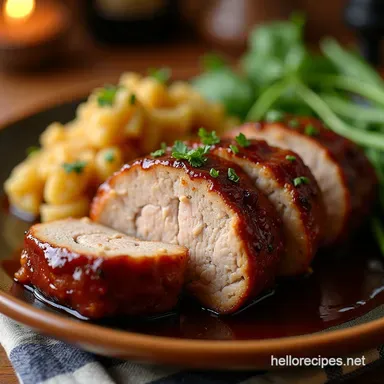
Sticky Sweet Slowcooker Brown Sugar Balsamic Pork Tenderloin
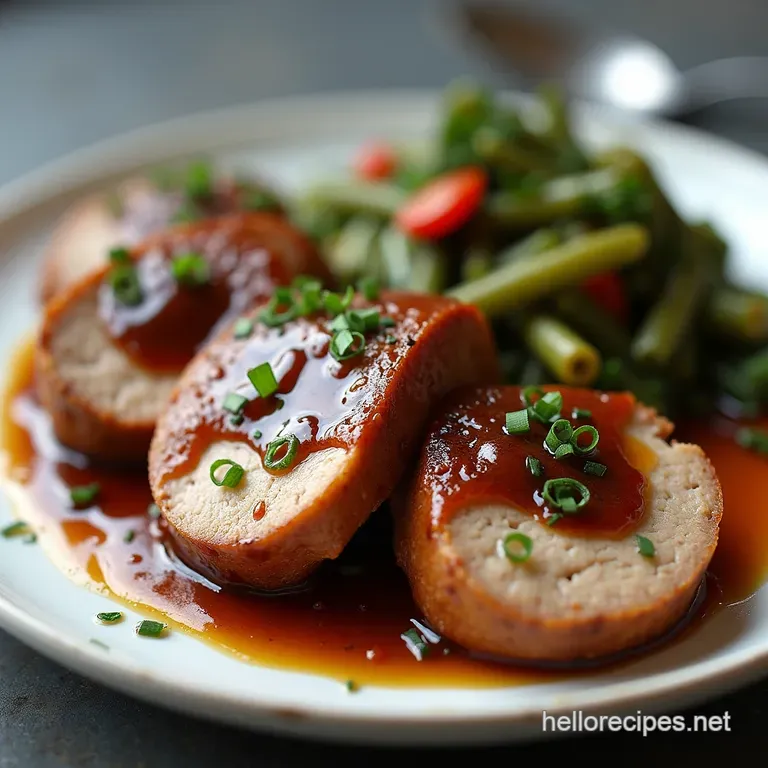
- Unlocking the Secret to Irresistibly Tender Pork: The Sweet & Tangy Method
- Why This Brown Sugar Balsamic Pork Tenderloin Dominates Weeknight Dinners
- Assembling Your Glaze Components: Pantry Staples for Maximum Impact
- The Slow-Cooker Journey: Ensuring Succulence Over Hours
- Achieving That Golden-Brown Crust (Optional Searing Method)
- Creating the Show-Stopping Final Glaze
- Serving Suggestions: Pairing Sides That Complement the Glaze
- Variations on the Theme: Remixing Your Brown Sugar Balsamic Pork Tenderloin
- Storage Secrets: Keeping Leftovers Flavorful
- Recipe FAQs
- 📝 Recipe Card
Unlocking the Secret to Irresistibly Tender Pork: The Sweet & Tangy Method
There are few culinary achievements as satisfying as transforming an economical cut of meat into a spectacular centerpiece. That is precisely what happens when you embrace the elegant simplicity of a Brown Sugar Balsamic Pork Tenderloin .
This dish perfectly balances the deep, earthy sweetness of dark molasses tones found in rich brown sugar against the sharp, complex tang of aged balsamic vinegar. It’s a preparation method that doesn't just coat the meat; it permeates it, resulting in an incredibly juicy, flavour infused final product.
Whether you are looking for a show stopping Balsamic Glazed Pork Tenderloin for guests or a deeply satisfying meal for your family, this blueprint guarantees tender, flavourful success every single time.
Why This Brown Sugar Balsamic Pork Tenderloin Dominates Weeknight Dinners
The popularity of this specific preparation, often called Brown Sugar Balsamic Pork Roast when scaled up, stems from its incredible versatility and high flavour return on low effort. It’s the epitome of sophisticated simplicity.
The Perfect Marriage of Tang and Molasses: Flavor Profile Explained
The core appeal of this dish lies in its masterful flavour construction. The Brown Sugar Balsamic Pork Tenderloin Recipe hinges on using high-quality balsamic vinegar, whose natural acidity cuts through the richness of the pork and the heavy sweetness of the packed brown sugar.
A touch of Dijon mustard is introduced not for heat, but to emulsify the sauce slightly and add a foundational layer of tanginess that brightens the whole profile. The resulting Brown Sugar Balsamic Glazed Pork Tenderloin is glossy, sticky, and develops a beautiful, caramelized crust that provides textural excitement against the tender interior.
Slow Cooker Magic vs. Speedy Stovetop Searing: Choosing Your Technique
While the end result is always delicious, the method chosen dictates the texture. For ultimate hands off tenderness, the Crockpot Brown Sugar Balsamic Pork Tenderloin method is unparalleled. Low and slow heat gently breaks down the connective tissues without drying out the lean muscle.
Alternatively, for those needing dinner faster, a pan-seared version using the same glaze components can be achieved in under an hour, delivering a more pronounced crust, though requiring more attention. Both approaches highlight the delicious synergy found in Balsamic Brown Sugar Pork .
A Sophisticated Main Dish Without the Culinary Headaches
Despite its restaurant quality taste, this Balsamic Pork Tenderloin remains firmly in the easy-to-make category. The preparation involves minimal chopping and whisking, allowing the appliances whether a slow cooker or a standard oven to manage the transformation.
It’s the ideal solution when you crave an elevated main course without spending the entire afternoon chained to the stove. This Tenderloin Crockpot Recipe truly shines in its simplicity.
Assembling Your Glaze Components: Pantry Staples for Maximum Impact
Creating the perfect Brown Sugar Pork Tenderloin glaze requires selecting ingredients that layer complexity. We move beyond just sugar and vinegar by introducing savoury depth.
The Core Trio: Pork Quality and Prep Tips
Start with a high-quality pork tenderloin, typically around 1.5 pounds. Crucially, you must trim away any visible silver skin that tough, pearly membrane that won't break down during cooking and will cause the meat to curl unevenly.
Patting the trimmed meat thoroughly dry with paper towels is non-negotiable; dry surfaces accept seasoning better and are essential if you opt for a pre-sear to achieve that golden exterior.
Mastering the Brown Sugar Balsamic Reduction Ingredients List
For the liquid component, we rely on a blend of sweetness and umami. Pack a full half cup of dark brown sugar into your measure this density is key to a thick final sauce. Pair this with a good quality balsamic vinegar (around 1/3 cup), as its inherent flavour depth carries the entire glaze.
To balance the sweetness and add necessary salinity, incorporate a couple of tablespoons of low-sodium soy sauce or Tamari. A splash of water or light chicken broth is added initially simply to help the sugar dissolve before it hits the heat, thinning the mixture just enough for even coating.
Prepping the Aromatics: Garlic, Shallots, and Herbs to Use
Aromatic building blocks elevate this glaze significantly. Three cloves of finely minced fresh garlic provide pungency and warmth that caramelizes beautifully with the sugar. For herbs, dried thyme works wonderfully, lending an earthy, savoury note that complements pork beautifully without overpowering the balsamic.
If you prefer fresh, use about double the volume of dried.
Salt, Pepper, and Spice Ratios for Balanced Acidity
A generous teaspoon of kosher salt and half a teaspoon of freshly ground black pepper are vital for seasoning the pork itself before it enters the cooker. This initial seasoning ensures the meat tastes robust even before the glaze is applied.
The overall acidity of the glaze is expertly managed by the ratio of balsamic to sugar; resist the urge to add more vinegar until the sauce has reduced, as its concentration increases dramatically upon simmering.
The Slow Cooker Journey: Ensuring Succulence Over Hours
When utilizing the slow cooker for this Brown Sugar Balsamic Pork Tenderloin , patience is your primary tool. Place the seasoned pork tenderloins directly into the cooker basin. Then, pour your pre-whisked glaze mixture evenly over the meat, ensuring the entire surface is coated.
Low and Slow: Ideal Cooking Times and Temperature Checks
The true magic of the Tenderloin Crockpot Recipe unfolds here. Cooking on the LOW setting for 6 to 7 hours is recommended, as this gentle heat allows the tough fibres to relax gradually.
If time is pressing, the HIGH setting will suffice in 3.5 to 4 hours. The moment of truth arrives when you check the internal temperature; pork is perfectly cooked and safe when it registers 145° F ( 63° C).
At this point, it will be incredibly tender, ready to slice beautifully.
Related Recipes Worth Trying
- The Ultimate Brown Butter Cheesecake Pecan Pie Recipe — A truly spectacular Cheesecake Pecan Pie hybrid This recipe features a tangy cream cheese layer swirled with bourbon pecan filling Easy to master
- The Ultimate Cheesy Hashbrown Breakfast Casserole Recipe — This easy Cheesy Hashbrown Breakfast Casserole is the weekend brunch hero you need Hearty savoury and unbelievably cheesyyour new goto
- The Proper Porker Pan Seared Chops with LemonThyme Cream — Stop serving dry pork These Creamy Pan Seared Pork Chops with Asparagus feature a perfect sear and a luscious lemonthyme sauce Learn the foolproof method
Achieving That Golden Brown Crust (Optional Searing Method)
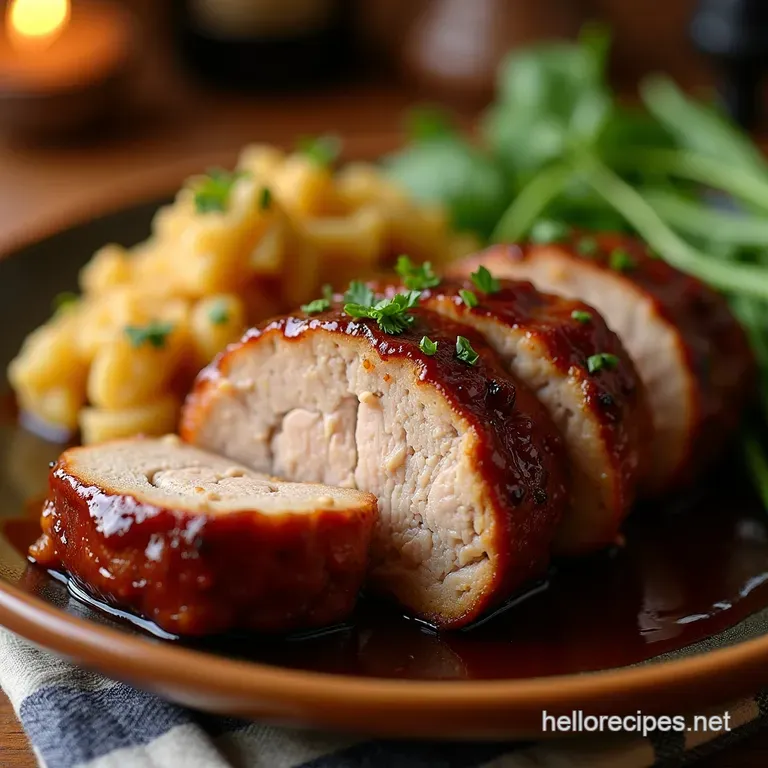
While the slow cooker yields tenderness, it produces no crust. For those desiring that rich, Maillard reaction depth that deeply satisfying, savoury exterior a quick sear is highly recommended before the meat ever sees the slow cooker.
How to Properly Sear Before or After Slow Cooking
To achieve this, heat a tablespoon of olive oil in a heavy skillet over medium high heat until shimmering. Sear the seasoned pork tenderloins for just about one minute per side, focusing on getting an even light brown colour on all surfaces. This only takes a few minutes total.
Alternatively, if you used the slow cooker, you can briefly sear the cooked tenderloins in the hot pan just before resting, or even broil them in the oven for 2- 3 minutes after they have rested, watching them very closely to prevent burning the sugar glaze.
Creating the Show Stopping Final Glaze
The liquid left in the slow cooker is flavour packed but too watery to serve as a drizzle. This step concentrates all those delicious essences into a syrupy finish.
Step-by-step: Combining the Glaze and Tenderloin in the Crockpot
After removing the tenderloin for resting (Step 6 in the preparation outline), carefully pour the remaining cooking liquid from the slow cooker into a medium saucepan. Bring this liquid to a rolling boil over medium high heat. Let it simmer vigorously, stirring occasionally.
It will naturally begin to bubble down and thicken. This reduction process concentrates the sugars and vinegar, transforming it into a rich, glossy sauce that perfectly complements the Brown Sugar Balsamic Pork Tenderloin .
Resting the Meat: The Crucial 10 Minutes Before Slicing
Once the pork is removed from the heat, do not slice immediately! Tent it loosely with foil and allow it to rest for a full 10 minutes. This crucial waiting period allows the muscle fibres to relax and reabsorb the moisture they expelled during cooking, guaranteeing a succulent final bite.
Serving Suggestions: Pairing Sides That Complement the Glaze
The robust sweetness and acidity of this Balsamic Brown Sugar Pork demand sides that either soak up the sauce or provide a sharp, refreshing counterpoint.
The Best Starchy Companions for Sopping Up Sauce
Nothing beats creamy starches for capturing every last drop of that rich glaze. Imagine this Brown Sugar Balsamic Pork Roast served atop a luxurious bed of velvety mashed potatoes or perhaps a creamy polenta. These bases act as sponges for the sauce, ensuring no flavour is wasted.
Vegetable Pairings That Cut Through the Sweetness Beautifully
To balance the richness, you need some bright green vegetables. Asparagus roasted with a squeeze of lemon offers a wonderful snap, or tender crisp green beans tossed in a little butter provide the perfect textural contrast.
Even simple wilted spinach with a touch of fresh lemon zest works wonders to cut through the sweet tang.
Variations on the Theme: Remixing Your Brown Sugar Balsamic Pork Tenderloin
While the standard preparation is fantastic, don't be afraid to experiment with slight flavour shifts to keep this dish fresh for repeat performances.
Substitutions: Maple Syrup Swaps and Vinegar Alternatives
If you are out of brown sugar, pure maple syrup is an excellent, albeit slightly thinner, substitute; you might need to reduce the liquid slightly more at the end. While balsamic is king here, a high-quality red wine vinegar can stand in, though you may need to supplement the missing complexity with an extra pinch of dried rosemary or a touch of molasses.
Storage Secrets: Keeping Leftovers Flavorful
Leftovers from a Brown Sugar Balsamic Pork Tenderloin are often even better the next day, as the meat fully absorbs the remaining glaze.
Turning Leftovers into Next Day Pork Sliders
Shred or thinly slice any remaining pork, toss it lightly with a spoonful of the reserved glaze, and pile it high on soft brioche buns. A quick pickle of red onion on top adds the necessary sharpness for an incredible lunch.
Freezing Instructions for Long Term Preservation
If you anticipate having more than two days' worth of leftovers, freezing is advisable. Slice the cooled pork, place it in an airtight, freezer safe container, and cover it completely with a thin layer of the reduced glaze before sealing. This helps prevent freezer burn.
When ready to use, thaw overnight in the refrigerator and reheat gently on the stovetop or in the microwave, adding a splash of broth if needed to refresh the moisture.
Recipe FAQs
I'm worried about overcooking the pork; what's the exact internal temperature for this Brown Sugar Balsamic Pork Tenderloin?
That’s a very sensible worry! Pork tenderloin is lean and can dry out quicker than a Sunday roast joint. You want to pull it out when your meat thermometer reads exactly 145°F (63°C).
Let it rest afterwards, and those residual juices will carry it perfectly through to a succulent finish no one wants tough pork!
Can I make the sticky glaze thicker if I'm serving this for a dinner party?
Absolutely, you can turn that sauce into a proper gravy! After removing the cooked pork, pour the liquid from the slow cooker into a small saucepan. Bring it to a rolling boil over medium high heat and let it bubble away until it reduces by about a third.
It should coat the back of a spoon nicely it concentrates all that sweet and tangy flavour beautifully.
My slow cooker is tiny; can I cook the Brown Sugar Balsamic Pork Tenderloin in the oven instead?
No bother at all, the oven works a treat too! For the best results, I'd suggest searing the seasoned pork on the hob first to get a lovely brown crust. Then, pop it into a small roasting dish, pour over the glaze, cover it tightly with foil, and roast at 350°F (175°C) for about 25 35 minutes until it hits that magic 145°F mark.
What's the best way to store leftovers, and how long do they keep?
Leftovers are brilliant, especially sliced thinly over a salad the next day! Store the sliced pork and any extra sauce in separate airtight containers in the fridge. It should keep perfectly well for 3 to 4 days, though honestly, it rarely lasts that long once the family gets a whiff of it!
I don't have balsamic vinegar; what's a decent substitute in a pinch?
Balsamic is key for that deep, fruity tang, but if you’re completely out, Red Wine Vinegar is the next best thing. However, red wine vinegar is sharper, so you'll need to balance it out; I suggest adding an extra tablespoon of brown sugar or a drizzle of maple syrup to make up for the lost sweetness.
Balsamic Brown Sugar Pork