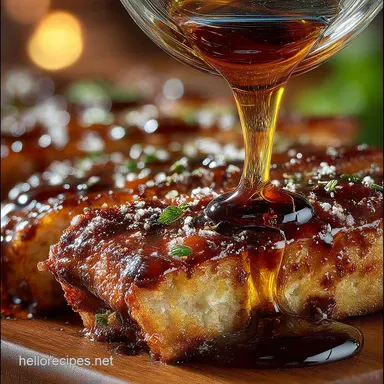
Liquid Gold the Silky Smooth Balsamic Glaze the Perfect Twoingredient Reduction
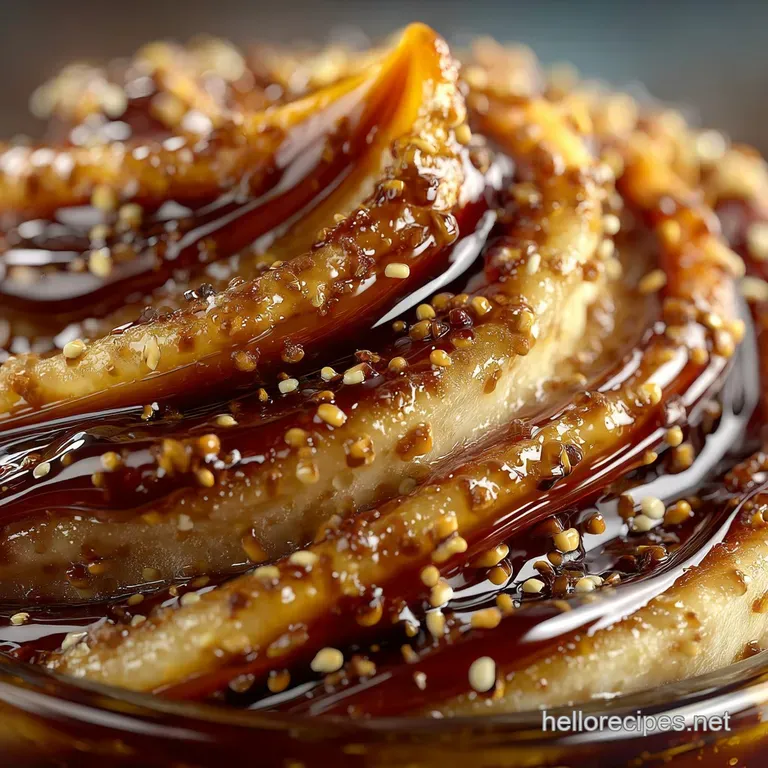
- Unlocking Culinary Magic: Why Mastering Balsamic Reduction Changes Everything
- The Power of Simplicity: Transforming Vinegar into Liquid Gold
- Essential Components for the Perfect Balsamic Reduction
- Selecting Your Base: Choosing the Right Balsamic Vinegar
- The Step-by-Step Guide to Crafting a Glossy Balsamic Glaze
- Achieving the Ideal Thickness: Monitoring the Reduction Process
- Troubleshooting and Expert Tips for Consistent Results
- Recipe FAQs
- 📝 Recipe Card
Unlocking Culinary Magic: Why Mastering Balsamic Reduction Changes Everything
There are certain techniques in the kitchen that offer a staggering return on investment for the minimal effort required, and creating a truly magnificent Balsamic Reduction sits squarely at the top of that list.
This process transforms humble, tangy balsamic vinegar into a thick, glossy, intensely flavored condiment that elevates everything it touches. Forget purchasing those expensive, often overly sweetened store-bought versions; learning How To Make Balsamic Reduction ensures you control the quality, thickness, and flavor profile perfectly every single time.
It’s the secret weapon in the repertoire of many top chefs, turning simple weeknight meals into sophisticated dinners.
The Power of Simplicity: Transforming Vinegar into Liquid Gold
The beauty of this culinary marvel lies in its extreme simplicity. At its core, this Balsamic Reduction Recipe requires only one primary, high-quality ingredient: balsamic vinegar.
By applying gentle, sustained heat, we encourage evaporation, concentrating the natural sugars locked within the vinegar. This concentration process yields a syrup that is simultaneously sweet, tart, and deeply complex a true testament to minimalist cooking.
Elevating Everyday Dishes with a Syrupy Finish
Imagine taking a simple Caprese salad tomatoes, mozzarella, basil and finishing it with a dark, shimmering drizzle. This is where the magic happens. Whether you are using it as a vibrant Balsamic Reduction Dressing tossed with bitter greens or as the crowning touch to a grilled pork chop, the syrupy coating adds moisture, visual appeal, and an unmistakable depth of flavor that standard vinegar simply cannot replicate.
For those who love robust flavors, a thick Balsamic Reduction for Steak is unparalleled.
Why Patience is the Secret Ingredient in This Quick Glaze
While this technique is famously fast compared to slow cooked sauces, patience remains vital. We are aiming for a controlled reduction. Bringing the vinegar to a rapid, violent boil too early can shock the sugars, potentially causing them to crystalize or, worse, scorch and create a bitter, ruined batch.
The goal is a gentle simmer, allowing the water content to leave slowly, preserving the nuanced flavors of the original vinegar while thickening it into the perfect Easy Balsamic Glaze .
Defining the Difference: Glaze vs. Thin Syrup Consistency
One common confusion arises when discussing Balsamic Reduction vs Glaze . In practice, they are often used interchangeably, but technically, the reduction is the process, and the glaze is the resulting product.
Crucially, when hot, the reduction will appear significantly thinner than you expect a "glaze" to be. It should resemble a light syrup. This is because the texture solidifies dramatically upon cooling.
Pulling it off the heat when it seems perfectly thick while hot is the single biggest mistake home cooks make; it will become rock hard when cool.
Essential Components for the Perfect Balsamic Reduction
To achieve this Balsamic Reduction Sauce that truly shines, ingredient selection is paramount. Since there are so few components, the quality of each dictates the success of the final product. We are looking to create a glossy, stable sauce, not a sticky mess.
Related Recipes Worth Trying
- Easy SlowCooker Brown Sugar Balsamic Pork Tenderloin — Forget dry meat This foolproof Brown Sugar Balsamic Pork Tenderloin recipe uses the slow cooker for impossibly tender results with a sticky glossy glaze...
- Tender Beef in Balsamic Onion Sauce Rich Weeknight Dinner — Forget fussy cooking This Tender Beef in Balsamic Onion Sauce recipe delivers meltinyourmouth beef chunks in a deep tangy sauce An easy beef dinner that...
- The Perfect Balsamic Mustard Honey Dressing in 5 Minutes — Whip up this homemade Balsamic Mustard Honey Dressingits miles better than storebought Perfect balance of sweet and tangy for any salad Get the foolproof...
Selecting Your Base: Choosing the Right Balsamic Vinegar
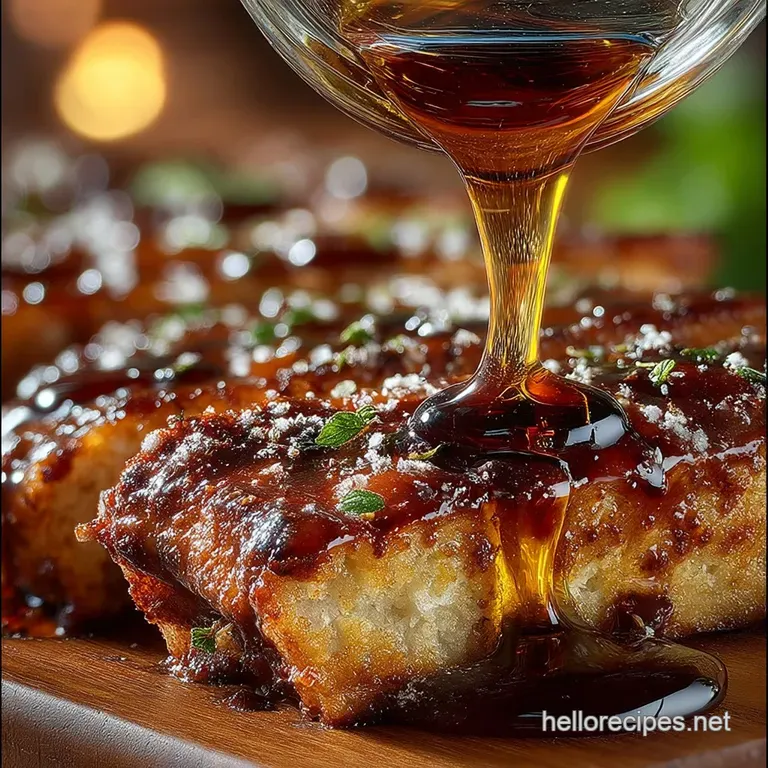
The rule here is non-negotiable: use the best quality balsamic vinegar you can reasonably afford. If you are using a very inexpensive, thin vinegar that has been heavily watered down or thickened with caramel coloring, your result will lack depth, resulting in a sharp, often unpleasant tang rather than the balanced sweetness expected from superior Balsamic Glaze Recipes .
Look for labels indicating Aceto Balsamico di Modena as a good starting point, though true, aged traditional balsamic is the ultimate though often too precious to boil down!
The Two Core Components: Quantity Matters
For our foundational recipe, we begin with two cups (about 475 ml) of balsamic vinegar. This measurement is necessary because we need the volume to reduce by about 50%, yielding roughly one cup of concentrated glaze.
If you use less liquid, the intense heat required to reduce it quickly can push it past the perfect stage almost instantly. Occasionally, if your vinegar is quite acidic, adding one or two tablespoons of granulated sugar can help balance the sharpness, leading to a richer Balsamic Reduction with Honey notes, even if you use white sugar initially.
Necessary Equipment for Optimal Heat Control
The vessel matters when you are concentrating sugars. Always select a medium sized, heavy bottomed saucepan. A thin pan will create hot spots right above the burner, leading to immediate scorching on the bottom, which taints the entire batch.
You will also need a simple whisk or silicone spatula for occasional stirring, ensuring the bottom doesn't stick and the heat is distributed evenly across the reducing surface.
Optional Enhancements to Flavor Your Syrup
While the purest form relies solely on the vinegar, many flavor profiles benefit from subtle additions. Infusing herbs like rosemary or thyme directly into the vinegar while it simmers adds an aromatic layer.
Alternatively, a pinch of black pepper or a tiny dash of vanilla extract (added right at the end) can transform the glaze into a sophisticated accompaniment for desserts.
The step-by-step Guide to Crafting a Glossy Balsamic Glaze
The process itself is wonderfully meditative. First, measure exactly two cups of your chosen balsamic vinegar and pour it into your heavy bottomed pan. If you are using the optional sugar, whisk it in now until it is completely dissolved before applying any heat. Place the pan over medium heat.
The goal here is gentle introduction to warmth bring it slowly up to a light simmer, avoiding a violent, bubbling boil at the start.
Once you see those first small, lazy bubbles forming around the edges, immediately reduce the heat slightly to maintain a consistent, medium low simmer. This steady bubble is the sweet spot. Stir very occasionally, taking care to scrape the bottom of the pan where the sugars might begin to stick.
Maintain this simmer until the volume has visibly reduced by nearly half.
Achieving the Ideal Thickness: Monitoring the Reduction Process
This is the defining stage where the transformation happens. As the water evaporates, the viscosity noticeably increases. You must stay vigilant during the final 10 minutes, as the reduction goes from liquid to thick syrup very rapidly.
Initial Boil and Temperature Management
Keep the heat calibrated so that the bubbles are slow and consistent. If the pan starts to look like it is threatening to overflow, immediately lower the heat you want concentration, not explosion. Temperature control ensures that the natural sugars caramelize beautifully rather than burning harshly.
The Crucial Simmer: Avoiding Scorching the Sauce
Scorching happens when the thick syrup remains in contact with the bottom of the pan without movement. Gentle, periodic stirring ensures that all the liquid has a chance to interact with the heat source evenly.
If you notice any brown residue sticking fiercely to the bottom, reduce the heat instantly and scrape gently around it.
The Spoon Test: Knowing Precisely When to Pull It Off the Heat
This is the most important check in the Balsamic Reduction Recipe . Once the volume looks significantly reduced, take a cold spoon and dip it into the sauce, lifting it out. Run your finger across the back of the coated spoon.
If the line holds clearly without the sauce immediately running back together, it is nearing completion. Remember: it should look like thin, warm syrup, not thick pudding.
Cooling Down: How Consistency Solidifies
As soon as the spoon test passes, remove the pan from the heat source immediately . The residual heat trapped in the pan will continue the cooking process for several minutes. Transferring the glaze to a clean, room temperature glass jar helps halt the cooking process faster.
Allow it to cool completely on the counter for at least an hour before judging its final texture.
Troubleshooting and Expert Tips for Consistent Results
Every great chef has ruined a batch of something delicate. If your Balsamic Reduction has turned out too thick or even slightly crystallized, don't despair.
Shelf Life and Airtight Storage Solutions
Once cooled, a perfect reduction will have a thick, glossy, almost molasses like consistency. Store your finished glaze in an airtight glass jar. Kept in a cool, dark pantry, it will last for several months, though its flavor is often best within the first month.
Reviving a Reduction That Became Too Thick
If your reduction has cooled into a solid, sticky mass, you can easily revive it. Place the jar or pan back on very low heat and add a teaspoon or two of water or a splash of fresh vinegar. Whisk gently until it loosens up to the desired consistency. This is far better than throwing it away!
Flavor Twists: Infusing Herbs and Spices
Experimentation is highly encouraged. For a delightful twist perfect for savory dishes, try adding a few thin slices of fresh ginger or a single star anise while the vinegar is simmering. Remember to strain these solids out before the cooling phase to ensure a smooth final product.
Pairing Suggestions: From Savory Mains to Sweet Desserts
The versatility of this simple glaze is astounding. Use it over ripe summer strawberries or vanilla bean ice cream for a gourmet dessert experience. On the savory side, it pairs exceptionally well drizzled over roasted asparagus, goat cheese tarts, or as that final, tangy flourish on grilled chicken breasts, proving this simple reduction truly deserves its title as liquid gold in the culinary world.
Recipe FAQs
Why is my Balsamic Reduction not thickening up like it should?
The usual culprit is impatience, bless your heart! Remember, it thickens dramatically as it cools down. If it seems too runny when hot, take it off the heat when it coats the back of a spoon thinly, not thickly.
If you’ve cooked it for ages and it’s still watery, you might need a slightly wider pan for faster evaporation, or you might have used a very low-quality, thin vinegar to start with.
How long can I keep this Balsamic Reduction in the fridge, and does it go bad?
Stored in a sealed, airtight jar in the fridge, your homemade balsamic glaze will last ages think months, easily. Because vinegar is naturally acidic, it's quite shelf stable.
If it gets too stiff when cold (like stiff treacle), just leave the jar on the counter for twenty minutes or give it a quick zap in the microwave for 5 seconds to loosen it up before drizzling.
Can I use cheap supermarket balsamic vinegar to make this reduction?
Oh, dear, no. Using cheap vinegar is like putting budget instant coffee into your best French press it simply won’t do! Cheap stuff often has added caramel colouring and water, which results in a thinner, vinegary glaze that lacks depth.
For the best 'Liquid Gold,' you need to start with a decent quality Aceto Balsamico di Modena that you’d be happy to drizzle over cheese.
I’m worried about burning the sugar in the Balsamic Reduction; what’s the trick to preventing scorching?
That’s a very valid fear, as burnt balsamic tastes decidedly bitter! The key is low and slow keep the heat at medium low once it’s simmering, ensuring it only bubbles gently.
Also, use a heavy bottomed saucepan, which distributes heat more evenly, and give it a gentle stir every now and then, especially near the end when it starts getting syrupy.
Is it necessary to add sugar when making this Balsamic Reduction?
Not necessarily! If you've splashed out on a higher quality balsamic vinegar, it should have enough natural sugars to reduce beautifully without assistance. Only add sugar if you taste your vinegar first and find it overly sharp or tangy, or if you are aiming for that classic, ultra sweet glaze you find pre-bottled.
Silky Balsamic Reduction Glaze