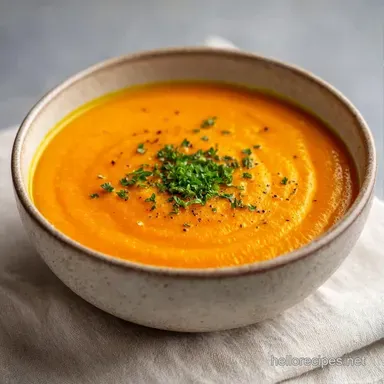
Blended Roasted Vegetable Soup: Velvety and Rich
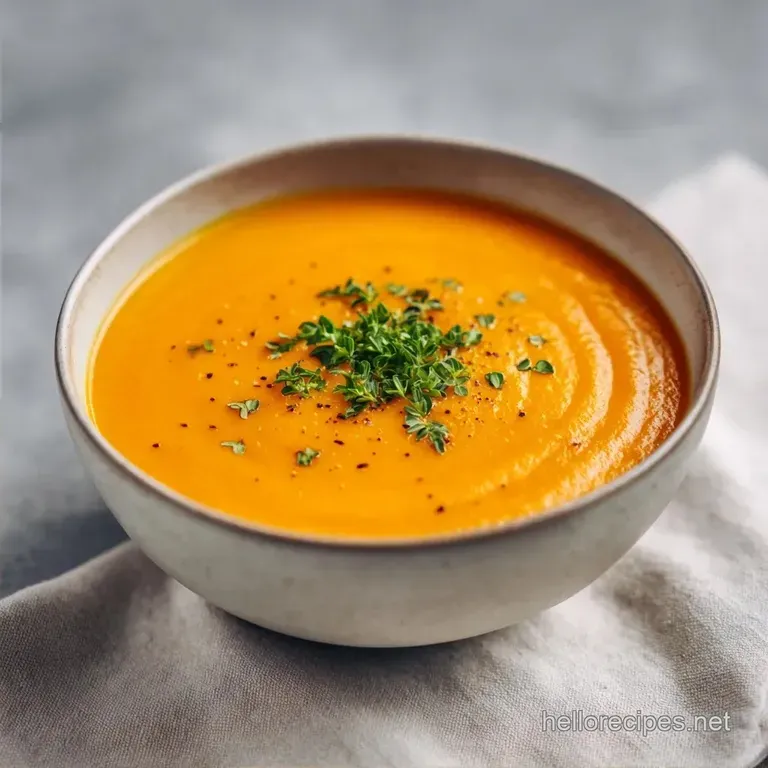
- Time: 10 min active + 40 min cooking
- Flavor/Texture Hook: Mahogany charred sweetness with a velvety finish
- Perfect for: Cold weeknight dinners or healthy meal prep
The smell of roasting carrots and parsnips hitting a hot sheet pan is, honestly, the best part of autumn. That specific aroma, where the natural sugars start to caramelize and the garlic begins to sizzle in olive oil, just fills the whole house.
It's a scent that promises something comforting is coming, and it usually makes everyone in the house wander into the kitchen asking what's for dinner.
I remember the first time I tried this. I was too impatient and crowded my baking sheet, piling the vegetables on top of each other. Instead of roasting, they basically steamed in their own moisture, leaving me with pale, mushy veg and a soup that tasted flat. I learned the hard way that space is everything. Now, I'll happily use two trays just to make sure every chunk gets that charred, mahogany edge that gives this Blended Roasted Vegetable Soup its soul.
You can expect a texture that's naturally thick without needing a drop of heavy cream. By roasting the vegetables first, we're concentrating the flavors and creating a base that's rich and savory. It's a straightforward process, but the results feel way more sophisticated than a standard boiled vegetable soup.
Trust me on this, the extra step of roasting is where all the magic happens.
Blended Roasted Vegetable Soup Secrets
The Sugar Shift: Roasting forces the natural sugars in carrots and parsnips to break down, creating a sweet, nutty profile. This happens much faster at 400°F than it would in a pot of simmering water.
Natural Thickening: When we blend the roasted fibers and starches from the root vegetables, they create a creamy structure. This means you don't need flour or cornstarch to get that velvety mouthfeel.
The Acid Balance: Adding lemon juice at the very end cuts through the heavy, roasted notes. It wakes up the other flavors, making the soup taste vibrant instead of just "earthy."
Garlic Mellowing: Smashed garlic cloves roast into a soft, sweet paste. This avoids the sharp, biting flavor of raw garlic and adds a background richness.
| Method | Time | Texture | Best For |
|---|---|---|---|
| Fresh Roast | 50 mins | Velvety & Deep | Maximum flavor |
| Frozen Mix | 30 mins | Lighter & Simpler | Busy weeknights |
| Slow Cooker | 6 hours | Soft & Uniform | Set and forget |
Component Analysis
| Ingredient | Science Role | Pro Secret |
|---|---|---|
| Parsnips | Earthy depth | Leave a bit of skin for more "forest" flavor |
| Red Bell Pepper | Sweetness & Color | Roast until the skin blisters for a smokier taste |
| Vegetable Broth | Liquid Base | Use a low sodium version to control the salt |
| Lemon Juice | pH Balance | Always add after blending to keep the brightness |
The Essentials and Swaps
For the roasted base, you'll need these specific items. I've found that using a mix of root vegetables gives the best balance of sweetness and earthiness.
- 3 large carrots, chopped into 1 inch chunks (300g) Why this? Provides the main sweetness and vibrant color
- 2 medium parsnips, peeled and chopped (200g) Why this? Adds a peppery, nutty undertone
- 1 large yellow onion, quartered (150g) Why this? Caramelizes for a savory foundation
- 1 red bell pepper, deseeded and chopped (150g) Why this? Adds a slight tang and bright red hue
- 6 cloves garlic, peeled and smashed (30g) Why this? Softens into a sweet, aromatic paste
- 3 tbsp olive oil (45ml) Why this? Conducts heat for the roasting process
- 1 tsp salt (6g)
- ½ tsp black pepper (1g)
- 4 cups vegetable broth (950ml) Why this? Creates the soup consistency
- 1 tsp dried thyme (1g) Why this? Earthy herb that pairs with root veg
- 1 tbsp lemon juice (15ml) Why this? Brightens the final result
| Original Ingredient | Substitute | Why It Works |
|---|---|---|
| Parsnips | Celery Root | Similar starch content. Note: Slightly more herbal taste |
| Vegetable Broth | Chicken Broth | Higher protein. Note: Shifts flavor to a traditional savory profile |
| Lemon Juice | Apple Cider Vinegar | Similar acidity. Note: Adds a fruitier, fermented tang |
| Red Bell Pepper | Orange Pepper | Same sweetness. Note: Changes the final color to a lighter orange |
Right then, let's get into the actual cooking. Make sure your oven is fully preheated before the veg goes in, otherwise, you'll lose that initial sear.
Step-by-step Process
- Preheat the oven to 400°F (200°C). Toss the carrots, parsnips, onion, red bell pepper, garlic, olive oil, salt, and black pepper on a large rimmed baking sheet until evenly coated.
- Spread the vegetables in a single layer. Note: If they're touching too much, they'll steam rather than roast.
- Roast for 25-30 minutes until edges are mahogany colored and slightly charred.
- Transfer the roasted vegetables and all accumulated oil and juices from the baking sheet into a large pot or Dutch oven. Note: Those brown bits on the pan are pure flavor.
- Stir in the vegetable broth and dried thyme.
- Bring the mixture to a gentle simmer over medium heat for 5-10 minutes until the vegetables are soft enough to crush with a spoon.
- Remove the pot from the heat.
- Using an immersion blender, blend directly in the pot until completely smooth and velvety. Alternatively, blend in batches using a high speed blender.
- Stir in the lemon juice to brighten the flavor before serving.
Chef's Tip: If you want a more "restaurant style" finish, pass the blended soup through a fine mesh sieve. It takes an extra 5 minutes but makes the texture incredibly silky.
Fixing Common Problems
Even with a simple recipe, things can go sideways. Most of the time, it's just a matter of adjusting the ratios. If you've made a similar roasted base before, you might recognize these issues from my roasted fresh tomato soup guide, as roasting logic remains the same across different vegetables.
Troubleshooting Common Issues
| Issue | Solution |
|---|---|
| Why Your Soup Is Too Thin | This usually happens if the vegetables weren't roasted long enough to concentrate their sugars and starches, or if you added too much broth. |
| Why the Flavor Is Flat | If the soup tastes "blah," it's almost always a lack of acid. Don't be afraid to add an extra teaspoon of lemon juice or a pinch more salt. |
| Why the Color Is Dull | If your soup looks grey or pale, you likely missed the charring stage. The deep orange red color comes from the roasted red peppers and carrots. |
Common Mistakes Checklist:
- ✓ Did you spread the veg in a single layer?
- ✓ Did you scrape all the brown bits off the pan?
- ✓ Did you remove the pot from the heat before blending? (Crucial for safety!)
- ✓ Did you add the lemon juice at the end?
- ✓ Did you taste and adjust the salt before serving?
Adjusting the Batch Size
If you're cooking for a crowd or just for yourself, you can easily scale this. But remember, the roasting physics change when you change the volume.
Scaling Down (Half Batch): Use a smaller baking sheet to keep the vegetables concentrated, but still in a single layer. Your roasting time will likely decrease by about 5-10 minutes since there's less moisture in the oven.
If you're using a small blender, definitely work in batches to avoid a "soup explosion."
Scaling Up (Double Batch): This is where most people mess up. Do NOT put double the vegetables on one tray. Use two separate baking sheets. When it comes to seasoning, only increase the salt and thyme to 1.5x initially, then taste and add more.
Liquids can be doubled exactly, but you might find you need 10% less broth to maintain the same thickness.
For those who love a hearty addition, adding some roasted artichoke hearts to the blend is a fantastic way to add creaminess. I've written a whole guide to artichokes that explains how to prep them for roasting.
Things People Get Wrong
There's a lot of chatter about blending vegetables. One common myth is that blending "destroys" the nutrients. While some heat sensitive vitamins can degrade during cooking, the blending process itself doesn't change the nutritional value.
In fact, blending breaks down the cell walls, which can actually make some nutrients easier for your body to absorb.
Another misconception is that you need cream or butter to make a "creamy" soup. As we've seen here, the starch in parsnips and carrots, combined with a high speed blend, creates a velvety texture on its own. Adding dairy often masks the vibrant, roasted flavor of the vegetables.
Storage and Zero Waste
Fridge & Freezer: Store this in an airtight glass container in the fridge for up to 5 days. It actually tastes better on day two because the flavors have more time to meld. For the freezer, leave a bit of room at the top of the container for expansion. It stays fresh for about 3 months.
When reheating, do it slowly on the stovetop and add a splash of water or broth to loosen the texture.
Zero Waste Tips: Don't toss your veggie scraps! Keep a "scrap bag" in your freezer for onion ends, carrot peels, and celery tops. Once the bag is full, simmer them in water for an hour to make your own homemade vegetable broth for the next batch of soup.
If you have leftover roasted vegetables that didn't make it into the pot, toss them into a salad or blend them into a dip.
Serving and Presentation
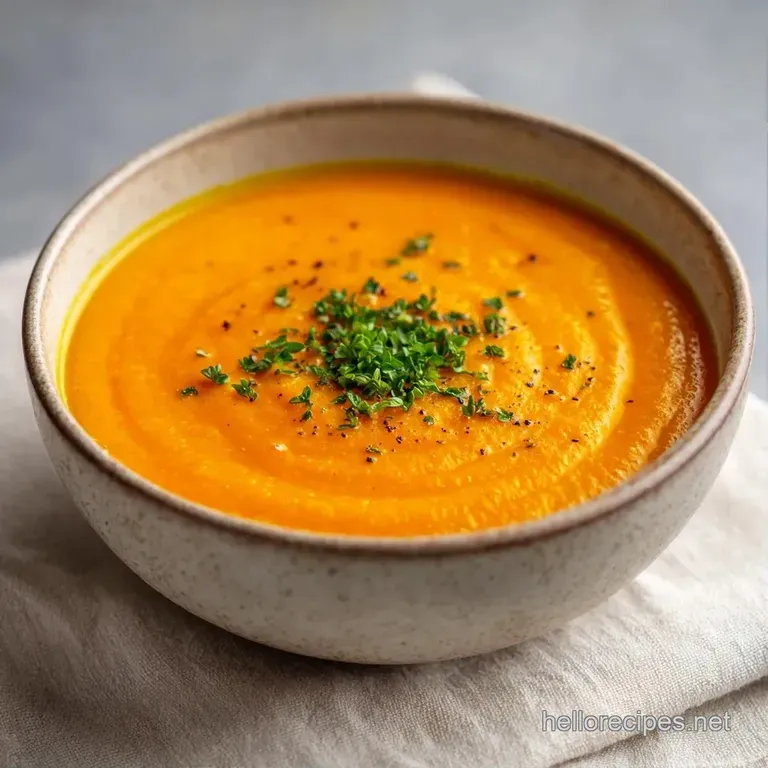
Since this soup is a smooth, vibrant orange, it looks best with contrasting colors and textures on top. I love adding a swirl of coconut cream or a dollop of Greek yogurt right in the center for a visual pop.
For texture, a sprinkle of toasted pumpkin seeds or a few croutons provides a necessary crunch against the velvety soup. A sprig of fresh thyme or a pinch of smoked paprika can also make the dish look like it came from a professional kitchen.
Serve it in a wide bowl with a slice of crusty, toasted sourdough on the side to soak up every last drop.
High in Sodium
975 mg 975 mg of sodium per serving (42% 42% of daily value)
The American Heart Association recommends limiting sodium intake to 2,300 mg per day, with an ideal limit of 1,500 mg for most adults to reduce the risk of cardiovascular disease.
Tips to Reduce Sodium
-
Swap Vegetable Broth-30%
Replace the standard vegetable broth with low-sodium or no-salt added vegetable broth to drastically cut the base sodium level.
-
Reduce Added Salt-25%
Reduce the 1 tsp of salt by half or omit it completely, as the broth and vegetables provide natural sodium.
-
Increase Acidity-5%
Add an extra teaspoon of lemon juice or a splash of apple cider vinegar to mimic the 'bite' of salt and brighten the flavor.
-
Caramelize Aromatics-5%
Sauté the onion and garlic longer until deeply golden to create a rich, savory base that reduces the craving for salt.
-
Enhance with Fresh Herbs
Stir in fresh parsley or chives at the end of cooking to add fresh, aromatic layers of flavor without any added sodium.
Recipe FAQs
How long to roast vegetables before blending for soup?
Roast for 25 30 minutes at 400°F. Ensure the edges are mahogany colored and slightly charred to achieve the best depth of flavor.
Which soup is best for diabetics?
This roasted vegetable soup is a great choice. It relies on fiber rich carrots and parsnips without added sugars or heavy creams.
How do you turn roasted vegetables into soup?
Transfer roasted vegetables and juices to a pot. Stir in vegetable broth and thyme, simmer for 5 10 minutes, and blend until smooth.
Can you just blend vegetables to make soup?
No, you need a liquid base. Blending vegetables alone creates a thick puree; adding vegetable broth provides the necessary soup consistency.
What is a recipe for carrot and parsnip soup?
Roast carrots and parsnips with onion, pepper, and garlic at 400°F for 30 minutes. Simmer the mixture in vegetable broth with thyme and blend with lemon juice.
How to make carrot soup without a blender or food processor?
Mash the simmered vegetables with a potato masher or fork. This creates a rustic, chunky texture instead of a completely smooth consistency.
How to make a quick vegetable soup recipe?
Roast the vegetables at 400°F for 25-30 minutes. Simmer them briefly in broth and blend immediately for a fast, nutrient dense meal. If you enjoyed the depth of flavor from roasting here, see how we use the same technique in our roasted vegetable stock.
Blended Roasted Vegetable Soup for 4