Bbq Rib Sandwich
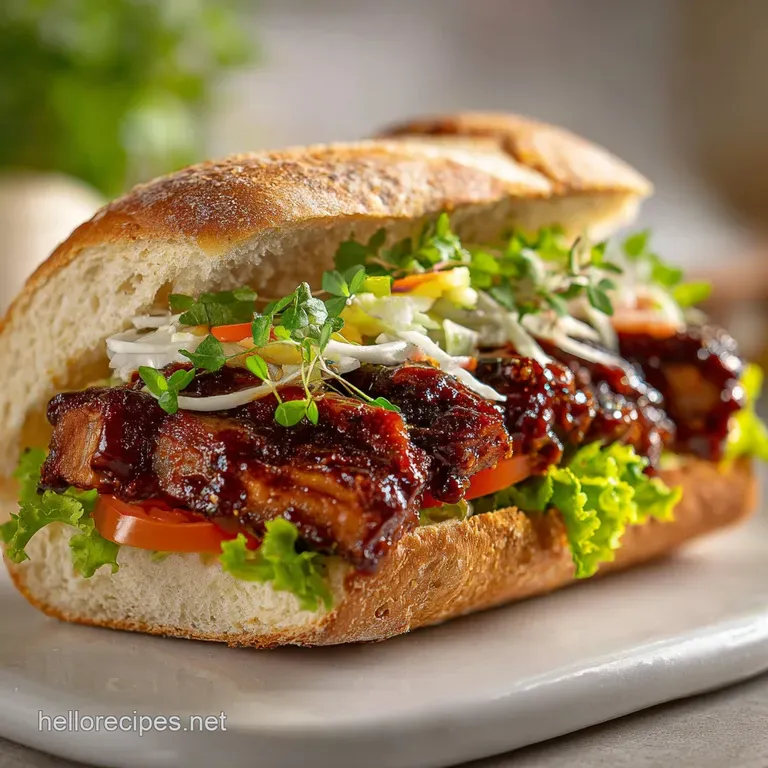
- Time: Active 20 minutes, Passive 3 hours 30 mins, Total 3 hours 50 mins
- Flavor/Texture Hook: Succulent, smoky meat with a mahogany glaze and shatter crisp pickles
- Perfect for: High end weekend lunch, innovative meal prep, or hosting flavor enthusiasts
- Why Collagen Breakdown Creates Tenderness
- Essential Numbers for Your Success
- Analyzing Every Flavor Component
- Modern Tools for Better Meat
- Selecting Your Elements and Alternatives
- Step by Step Precision Cooking
- Techniques for Refined Texture
- Creative Twists on Modern BBQ
- Managing Your Kitchen Output
- Debunking BBQ Rib Myths
- Managing Leftovers and Minimizing Waste
- Selecting Sides for Balanced Palates
- Very High in Sodium
- Recipe FAQs
- 📝 Recipe Card
You know that specific sound when you pull a bone out of a perfectly roasted rib? That soft, muffled slide followed by the aroma of toasted sugar and wood smoke? It's the ultimate indicator that you've moved past simple cooking into the realm of gastronomy.
Most people settle for messy, bone in ribs that leave you fighting with your food, but we're going to use specific techniques to create a BBQ Rib Sandwich that respects the integrity of the ingredients while providing a clean, professional eating experience.
I used to think that "fall off-the bone" was the gold standard for ribs, but I was wrong. If the meat just sloughs off like mush, you've lost the texture that makes pork so satisfying. Through plenty of trial and error in my own kitchen, I discovered that the secret lies in controlled thermal denaturation.
We want the meat to be tender enough to bite through cleanly in a sandwich, but firm enough to hold its shape against a toasted hoagie roll.
This process isn't just about heat, it's about the technology of your oven and the chemistry of your rub. We're going to treat these 2.5 lb baby back pork ribs with the respect they deserve.
From the specific acidity of the apple juice to the viscosity of the molasses, every component plays a role in building layers of flavor. Let's get into the mechanics of why this works so you can replicate these results every single time.
Why Collagen Breakdown Creates Tenderness
Collagen Hydrolysis: Tough connective tissue requires sustained low heat to transform into silky, liquid gelatin, which provides the characteristic succulent mouthfeel.
Hygroscopic Action: The salt and brown sugar in the rub draw out surface moisture to create a concentrated brine that then re seasons the deep muscle fibers.
Acidic Denaturation: The apple cider vinegar and apple juice work to slightly weaken protein bonds, allowing the smoke and spice notes to penetrate more effectively.
Vapor Phase Cooking: Wrapping the ribs in foil creates a micro environment of high humidity, which accelerates heat transfer without drying out the exterior.
Essential Numbers for Your Success
When we talk about innovative cooking, precision is our best friend. You can't just "wing it" and expect the same results every time. By tracking these specific metrics, you ensure that your BBQ Rib Sandwich has the exact texture required for a sandwich format.
We aren't just making a meal, we're executing a culinary process.
| Metric | Target Value | Purpose |
|---|---|---|
| Oven Temperature | 300°F (150°C) | Optimal for slow collagen conversion |
| Internal Meat Temp | 195°F - 203°F | The "sweet spot" for bone removal |
| Rest Time | 15 minutes | Allows fibers to reabsorb juice |
Using a digital probe thermometer is the best way to leverage technology in your kitchen. It takes the guesswork out of the three hour roasting period. If you pull the ribs too early, the bones will cling to the meat, ruining the sandwich's structure. If you go too long, the meat becomes a puree.
We are aiming for that window where the bone slides out with just a gentle tug, leaving a perfect cavity of juicy pork behind.
This balance is similar to the precision needed in the How to Grill recipe where timing is everything for a juicy result. Even though we are using a low and slow oven method here, the goal of moisture retention remains the same.
Analyzing Every Flavor Component
Selecting the right elements is the first step in successful gastronomy. We are looking for sustainable, high-quality ingredients that complement the natural sweetness of the pork. The mustard isn't just for flavor, it’s a surfactant that helps the dry spices adhere to the surface.
| Ingredient | Science Role | Pro Secret |
|---|---|---|
| 2.5 lb baby back pork ribs | Protein & Collagen | Remove the silver skin membrane for better spice penetration. |
| 2 tbsp yellow mustard | Emulsifier & Binder | The vinegar in mustard helps tenderize the surface layer. |
| 3 tbsp brown sugar | Caramelization | Use dark brown sugar for a higher molasses content and deeper color. |
| 1 cup ketchup | Base Viscosity | Provides the lycopene and sugar needed for a thick, glossy glaze. |
The interaction between the molasses and the smoked paprika is where the "innovative" flavor profile comes from. While many people use standard store-bought sauces, creating your own allows you to control the sugar to acid ratio. If you're looking for a shortcut that doesn't sacrifice depth, you might consider the base profile found in this Homemade BBQ Sauce recipe.
Every ingredient in this list serves a functional purpose. The garlic and onion powders provide umami, while the liquid smoke offers that outdoor cooked flavor even if you're using a standard kitchen oven.
It's about using the tools and ingredients available to simulate complex, traditional processes in a modern environment.
Modern Tools for Better Meat
To achieve these results, you need a few specific items. A heavy duty rimmed baking sheet is essential for heat distribution. You'll also need high-quality aluminum foil, specifically the extra wide heavy duty variety. This ensures a tight seal during the steaming phase, which is non negotiable for tender ribs.
A silicone basting brush is much better than the old school hair brushes; it’s more hygienic and applies the glaze more evenly. I also recommend a sharp pairing knife or a set of kitchen shears for removing the membrane from the back of the ribs.
This small technological step makes a massive difference in how the seasoning interacts with the meat.
Finally, don't overlook the importance of a cooling rack. Placing the ribs on a rack inside the baking sheet allows hot air to circulate under the meat, preventing the bottom from becoming soggy. This airflow is a simple way to use physics to improve your cooking outcome.
Selecting Your Elements and Alternatives
Here is what you need to gather. Stick to the quantities in the schema for the most balanced BBQ Rib Sandwich experience.
- 2.5 lb baby back pork ribs: The foundation of the dish.
- 2 tbsp yellow mustard: Our primary binder.
- 3 tbsp brown sugar: For sweetness and bark. Why this? Sugar creates a Maillard enhanced crust during the final broil.
- 1 tbsp smoked paprika: For that deep red hue.
- 1 tsp garlic powder & 1 tsp onion powder: The umami base.
- 1 tsp kosher salt & 0.5 tsp black pepper: Essential seasoning.
- 0.25 cup apple juice: For the steaming liquid.
- 1 cup ketchup: The sauce base.
- 0.25 cup apple cider vinegar: For acidity.
- 2 tbsp molasses: For viscosity and rich color.
- 1 tbsp Worcestershire sauce: Adds fermented complexity.
- 1 tsp liquid smoke: For wood fired flavor.
- 4 hoagie rolls: The structural vessel. Why this? Hoagies are sturdy enough to support heavy fillings without collapsing.
- 0.5 medium white onion, sliced: Provides a sharp crunch.
- 16 dill pickle slices: For acidic contrast.
- 2 tbsp unsalted butter: To toast the rolls.
| Original Ingredient | Substitute | Why It Works |
|---|---|---|
| Molasses (2 tbsp) | Honey (2 tbsp) | Provides sweetness. Note: Lacks the deep, bitter complexity of molasses. |
| Apple Juice (0.25 cup) | Apple Cider (0.25 cup) | Similar acidity and sugar profile. |
| Hoagie Rolls | Brioche Buns | Adds a buttery, soft texture. Note: Much less structural integrity. |
If you find yourself missing an ingredient, don't panic. The key is to match the function. If you need a substitute for the ribs themselves because you want something faster, you might look at the rib preparation in Nanas Famous Ribs recipe for inspiration on different cuts.
step-by-step Precision Cooking
- Prep the meat. Lay the 2.5 lb baby back pork ribs on a clean surface and peel away the thin white membrane on the bone side using a paper towel for grip. Note: This allows the rub to penetrate the meat rather than just sitting on a tough film.
- Apply the binder. Coat both sides of the ribs with 2 tbsp yellow mustard until the surface is tacky and evenly yellow.
- Season the rack. Combine brown sugar, smoked paprika, garlic powder, onion powder, salt, and pepper; sprinkle liberally over the ribs until no pink meat is visible.
- Seal for roasting. Place the ribs on a large piece of foil, pour 0.25 cup apple juice into the bottom, and fold the foil tightly until the package is completely airtight.
- Begin the roast. Place in a 300°F oven for 3 hours until the meat has visibly pulled back from the bone ends.
- Synthesize the sauce. While the meat roasts, whisk ketchup, apple cider vinegar, molasses, Worcestershire, and liquid smoke in a small saucepan over medium heat until the mixture bubbles and thickens slightly.
- Execute the bone slide. Remove ribs from the oven, open the foil carefully, and let rest for 15 minutes. Use tongs to gently twist and pull each bone out until only the solid slab of meat remains.
- Glaze and char. Brush the boneless meat with your prepared sauce and place under the broiler for 3-5 minutes until the sauce is bubbling and dark mahogany.
- Prepare the vessel. Split the 4 hoagie rolls and spread with 2 tbsp unsalted butter. Toast in a pan until the edges are golden and crisp.
- Assemble the sandwich. Slice the meat into sandwich sized portions, place on the rolls, and top with 16 dill pickle slices and 0.5 medium white onion slices until the sandwich is towering and colorful.
For That "Melt In-Your Mouth" Texture
The 15 minute rest after the initial roast is the most ignored but vital step. During this time, the internal temperature continues to rise slightly due to carryover heat, which finishes the collagen breakdown. If you pull the bones immediately, you’ll tear the delicate muscle fibers.
By waiting, you allow the gelatin to slightly set, which makes the bone removal process much cleaner.
For a Sticky, Mahogany Colored Glaze
When you move to the broiler phase, keep a close eye on the meat. The high sugar content in the molasses and brown sugar means the transition from "perfectly caramelized" to "burnt" happens in seconds.
You want to see the sauce vibrating and forming small craters; that’s the water evaporating and the sugars concentrating into a professional grade lacquer.
For Structural Bun Integrity
A soggy sandwich is a failure of engineering. By toasting the hoagie rolls with butter, you create a hydrophobic barrier. The toasted surface prevents the juices from the meat and the moisture from the sauce from soaking into the bread. This ensures your BBQ Rib Sandwich remains intact from the first bite to the last.
Techniques for Refined Texture
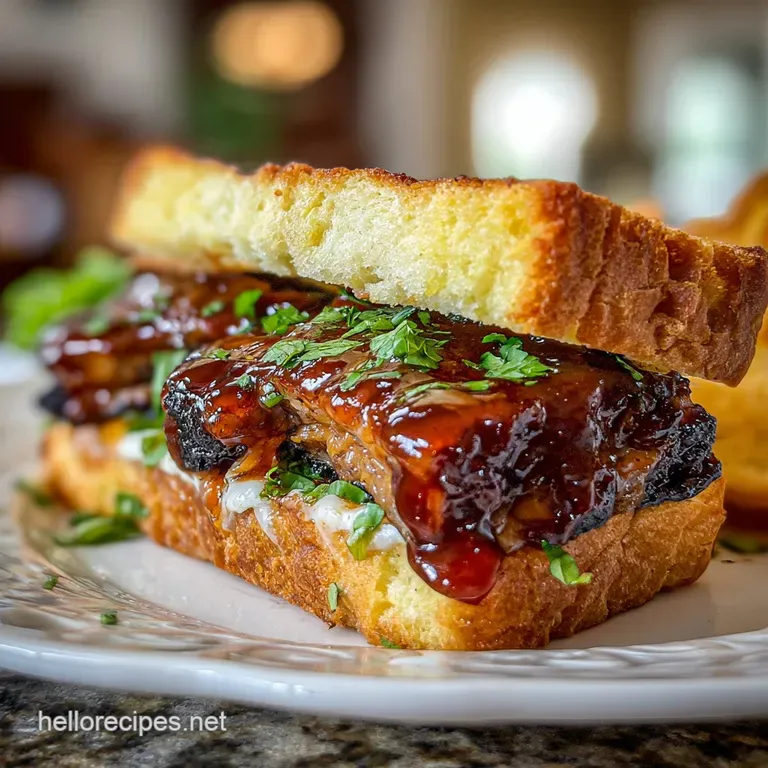
Even with the best instructions, things can go sideways. The key is to understand the "why" so you can fix it on the fly. Most issues with the BBQ Rib Sandwich stem from temperature control or moisture management.
Why Your Ribs Are Tough
If the meat is still clinging to the bone after 3 hours, your oven might be running cold, or the foil wasn't sealed properly. Without that steam trap, the meat dries out before the collagen can melt. You can fix this by resealing the foil and adding another 30 minutes of cook time.
Why Your Sandwich Is Messy
If the meat is falling apart into shreds, you've overcooked it. This often happens if you use smaller racks of ribs but keep the same time. To solve this, don't try to slice it; instead, lightly "pull" the meat and serve it as a pulled rib sandwich. It’s a pivot that saves the meal.
| Problem | Root Cause | Solution |
|---|---|---|
| Rubbery Texture | Collagen didn't fully melt | Increase cook time by 30 mins in foil. |
| Dry Meat | Foil seal was broken | Add 2 tbsp of water/juice and reseal tightly. |
| Soggy Bread | Meat wasn't rested properly | Rest meat for 15 mins on a rack before assembly. |
If you're looking for another sandwich to compare textures with, the The BLT Sandwich recipe is a great study in how bacon texture contrasts with soft bread, much like our tender rib meat contrasts with the hoagie.
Creative Twists on Modern BBQ
The beauty of this recipe is its adaptability. Once you master the base technique, you can start experimenting with different flavor profiles. You aren't limited to the "traditional" smoky sweet profile.
For a Spicy Tex Mex Kick
Replace the apple juice with pineapple juice and add 2 tbsp of chipotle in adobo to your sauce. The bromelain in the pineapple juice will tenderize the meat even faster, while the chipotle adds a smoky heat that cuts through the fat of the pork.
Pair this with pickled jalapeños instead of dill pickles for a sharper acidic hit.
For a Quick BBQ Rib Sandwich
If you don't have 3 hours and 50 mins, you can use a pressure cooker. Place the seasoned ribs in the cooker with the apple juice and cook on high pressure for 35 minutes, followed by a natural release.
You won't get the same depth of "bark" as the oven method, but you'll achieve the tender texture needed for the bone slide technique in a fraction of the time.
Managing Your Kitchen Output
Adjusting this recipe for different group sizes requires more than just multiplying the ingredients. You have to consider the physical space in your oven and how heat behaves.
- Scaling Down (1-2 servings): Use a half rack of ribs. Keep the oven temperature the same, but check for doneness at the 2 hour-30 min mark, as smaller masses cook slightly faster.
- Scaling Up (8-12 servings): You can fit 3-4 racks in a standard oven. Rotate the pans halfway through to account for hot spots. Note: Do not double the salt or liquid smoke; increase them by 1.5x to avoid over seasoning.
- Baking Multiple Racks: If the oven is crowded, increase the temperature to 325°F to compensate for the cold mass of the meat, but check internal temps frequently.
Scaling is a great way to be more sustainable in your cooking. By making a larger batch, you use your oven's energy more efficiently. Just remember that more meat in the oven creates more ambient humidity, which can slightly change your "bark" development.
Debunking BBQ Rib Myths
A common misconception is that you should boil ribs before roasting them to make them tender. This is a mistake. Boiling leaches out the flavor into the water, leaving you with gray, bland meat. The low and slow roasting method we use here keeps the flavor inside the muscle fibers where it belongs.
Another myth is that searing the meat at the beginning "seals in the juices." Science has shown that searing actually causes moisture loss on the surface. We save the over high heat broiler phase for the end because we want to create flavor through the Maillard reaction without sacrificing the internal moisture we worked so hard to preserve during the roasting phase.
Finally, some people think you need a smoker to get "real" BBQ flavor. While wood smoke is great, liquid smoke is a highly effective technological substitute. It is literally condensed wood smoke and, when used in the right proportions, provides a nearly identical chemical profile to traditional smoking methods.
Managing Leftovers and Minimizing Waste
This BBQ Rib Sandwich is actually a fantastic candidate for meal prep because the flavors continue to develop as they sit. However, you must store the components correctly to maintain the texture.
- Storage: Store the boneless rib meat and the BBQ sauce separately from the rolls and toppings. The meat will last in the fridge for up to 4 days in an airtight container.
- Freezing: You can freeze the cooked, boneless rib meat for up to 3 months. Wrap it tightly in plastic wrap and then foil to prevent freezer burn.
- Reheating: To maintain the succulent texture, reheat the meat in the oven at 300°F covered with foil and a splash of water. Avoid the microwave, as it can turn the pork rubbery.
- Zero Waste Tip: Don't throw away those rib bones! They are packed with flavor. Simmer them with some onion scraps, carrot peels, and peppercorns for 4 hours to create a rich pork stock for soups or ramen. Even the leftover apple juice/fat mixture from the roasting foil can be chilled; remove the solidified fat and use the remaining "jus" to flavor your next batch of beans or collard greens.
Selecting Sides for Balanced Palates
To round out the meal, you need sides that offer a contrast in both temperature and texture. A cold, creamy coleslaw is the classic choice because the cabbage's crunch and the dressing's fat provide a cooling counterpoint to the hot, spicy sandwich.
If you want something heartier, a vinegar based potato salad is an innovative choice. The acidity of the potatoes mirrors the pickles in the sandwich, creating a cohesive flavor story across the whole plate.
For a truly indulgent experience, you might even pair this with a side of crispy fries tossed in the same dry rub used for the ribs.
Whatever you choose, remember that the BBQ Rib Sandwich is the star of the show. Keep your sides simple and focused on high-quality ingredients. This approach to gastronomy ensures that every bite feels intentional and refined, turning a simple lunch into a professional grade dining experience.
It's about the technology of the oven, the science of the meat, and the passion you bring to the kitchen. Enjoy the process!
Very High in Sodium
1780 mg mg of sodium per serving (77% % of daily value)
The American Heart Association recommends limiting sodium intake to no more than 2,300mg per day.
Tips to Reduce Sodium in This Rib Recipe
-
Low-Sodium Ketchup-20%
Use a low-sodium or no-salt added ketchup. This can significantly reduce the overall sodium content since ketchup contributes a large portion of the sodium.
-
Reduce Added Salt-25%
Eliminate the kosher salt entirely. Taste the rub after mixing the other ingredients and adjust if absolutely necessary with a tiny pinch of salt.
-
Low-Sodium Worcestershire-15%
Opt for a low-sodium Worcestershire sauce or reduce the amount used by half and add a splash more apple cider vinegar for tang.
-
Reduced Sodium Pickles-10%
Choose reduced sodium dill pickle slices or consider making your own using a vinegar brine with less salt. This will decrease the overall sodium, as pickles can be high in it.
-
More Apple Juice-10%
Increase the amount of apple juice in the sauce and decrease the ketchup. This will dilute the sodium concentration of the sauce.
-
Spice It Up!
Enhance the flavor with fresh or dried herbs and spices like smoked paprika, garlic powder, onion powder, and black pepper, to compensate for the reduced saltiness. Consider adding a pinch of cayenne for a little heat.
Recipe FAQs
What to put on a barbecue rib sandwich?
Dill pickles and sliced white onion are classic additions. These provide a crisp, acidic contrast to the rich, smoky ribs, enhancing the overall flavor profile. You can also add your favorite Kansas City BBQ Sauce Recipe: Sweet & Smoky Perfection! for an extra layer of taste.
What toppings are on Ribwich?
Typically, a Ribwich features tender boneless ribs with a sweet and smoky BBQ sauce. It's often served on a toasted bun with simple toppings like pickles or onions to balance the richness.
What goes well on a barbecue sandwich?
Tangy coleslaw, sharp pickled onions, and a slightly spicy BBQ sauce complement barbecue sandwiches perfectly. These elements cut through the richness of the meat, adding brightness and crunch. For a similar textural experience, consider the toasted bun in our Bake My Best Homemade Chewy Sandwich Bread Recipe as a robust foundation.
How many bones are in a rib sandwich?
Ideally, there should be no bones in a properly prepared BBQ rib sandwich. The meat is typically removed from the bones before assembly to ensure a clean eating experience. The goal is tender meat that slides easily off the bone during preparation.
Can I use other types of ribs for a rib sandwich?
Yes, while baby back ribs are common, spare ribs or St. Louis style ribs can also work. They offer a slightly different texture and fat content, and the key is to ensure the meat is tender enough to be boneless. If you enjoyed mastering the low-and-slow cooking technique here, apply it to our Sunday Best Meatloaf with Glaze Tender Juicy Foolproof Classic for another satisfying slow cooked meal.
What makes the rib meat tender for a sandwich?
Low and slow cooking is the secret to tender ribs for a sandwich. This method breaks down tough connective tissues (collagen) into gelatin, which gives the meat a succulent mouthfeel. The process requires patience to ensure the meat is easily removable from the bone.
How do I ensure the BBQ sauce doesn't make the sandwich too messy?
Use a thick, well reduced BBQ sauce and apply it judiciously. A sauce with a good balance of sugar and acid will caramelize nicely under heat, creating a glaze rather than a runny mess. Toasting the bun also helps create a barrier against excess moisture.
Bbq Rib Sandwich
Ingredients:
Instructions:
Nutrition Facts:
| Calories | 898 kcal |
|---|---|
| Protein | 49 g |
| Fat | 42 g |
| Carbs | 81 g |
| Fiber | 3.5 g |
| Sugar | 39 g |
| Sodium | 1780 mg |
