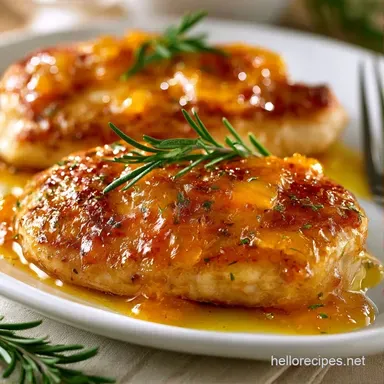
Baked Apricot Glazed Chicken Breast
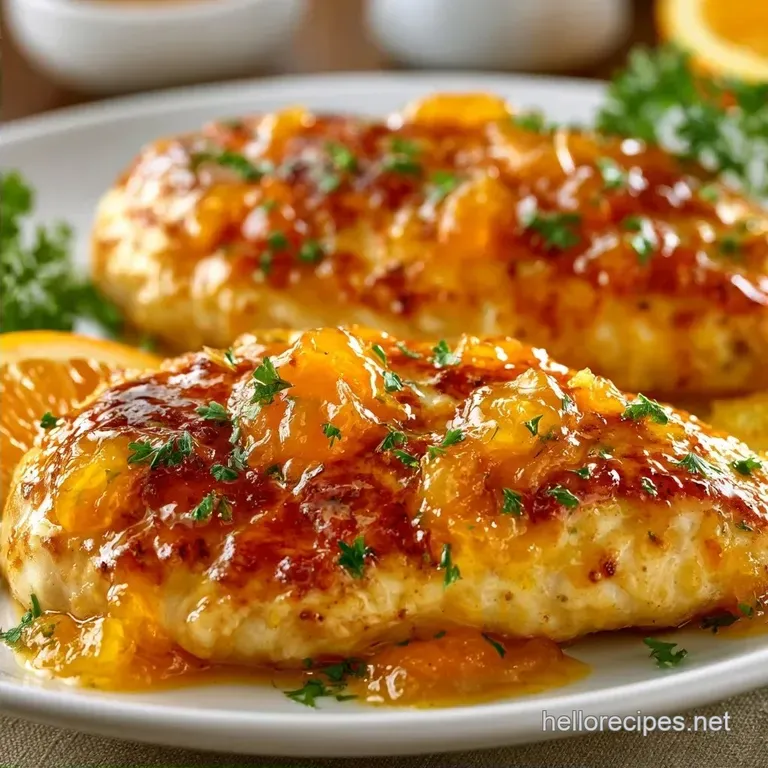
- Time: 10 min active + 30 min cooking
- Flavor/Texture Hook: Sticky sweet glaze with a smoky, charred edge
- Perfect for: Weeknight dinner when you want something that looks fancy but takes under an hour
- Apricot Glazed Chicken Breast Essentials
- The Pantry List for Chicken
- Tools for the Job
- Steps to Get it Right
- Fixing Common Glaze Issues
- Troubleshooting Common Issues
- Ways to Twist the Flavor
- Adjusting the Portion Size
- Avoiding the Dry Breast Trap
- Storage and Waste Tips
- What to Serve on the Side
- Recipe FAQs
- 📝 Recipe Card
Ever wonder why some glazes just slide off the meat while others cling like a glossy coat? I used to just pour jam on chicken and hope for the best, but it usually ended up tasting like dessert meat. The trick is the sear.
That initial hard sear creates a textured surface for the glaze to grip. When the sugars in the apricot preserves hit that browned crust in the oven, they fuse together. It creates this brilliant contrast between the smoky paprika and the bright fruit.
You can expect a dish that hits every note. You get the salt from the soy, the bite of the Dijon, and a sweetness that doesn't overwhelm. This Apricot Glazed Chicken Breast is essentially a shortcut to a high end bistro plate.
Apricot Glazed Chicken Breast Essentials
The Sugar Balance: Combining honey and apricot preserves with vinegar prevents the glaze from tasting one dimensional. The acid breaks down the heavy sweetness.
Surface Tension: Searing the meat first creates a rougher protein surface. This allows the glaze to bond to the chicken instead of pooling at the bottom of the pan.
Heat Distribution: Baking at 200°C ensures the sugars caramelize quickly without overcooking the center of the breast.
| Method | Time | Texture | Best For |
|---|---|---|---|
| Fast (Sear & Bake) | 40 mins | Sticky and charred | Weeknights |
| Classic (Slow Roast) | 75 mins | Tender and pale | Sunday dinners |
The Pantry List for Chicken
| Ingredient | What It Does | Best Swap |
|---|---|---|
| Apricot Preserves | Provides body and fruitiness | Peach preserves |
| Soy Sauce | Adds umami and salt | Tamari or Coconut Aminos |
| Dijon Mustard | Adds a sharp, spicy tang | Whole grain mustard |
| Smoked Paprika | Gives a woody, charred flavor | Ancho chili powder |
For the Chicken
- 4 (170 g) boneless, skinless chicken breasts Why this? Consistent thickness for even cooking
- 15 ml olive oil Why this? High smoke point for searing
- 3 g salt Why this? Basic seasoning
- 1 g black pepper Why this? Adds a subtle heat
- 2 g smoked paprika Why this? Adds a deep, earthy color
For the Apricot Glaze
- 170 g apricot preserves Why this? Thickens the sauce naturally
- 15 ml soy sauce Why this? Deepens the savory profile
- 15 ml Dijon mustard Why this? Emulsifies the honey and oil
- 15 ml honey Why this? Adds a different sugar profile for shine
- 5 ml apple cider vinegar Why this? Cuts through the richness
| Original Ingredient | Substitute | Why It Works |
|---|---|---|
| Honey (15 ml) | Maple Syrup (15 ml) | Similar viscosity. Note: Adds a more autumnal, woody taste |
| Dijon Mustard (15 ml) | Yellow Mustard (15 ml) | Similar acidity. Note: Less complex, slightly more vinegary |
| Apricot Preserves (170 g) | Orange Marmalade (170 g) | Same sugar base. Note: Much more citrusy and bitter |
Tools for the Job
You'll need an oven safe skillet. I use a cast iron pan because it holds heat better, but stainless steel works too. If you don't have one, you can sear in a regular pan and transfer the meat to a baking dish.
A whisk is a must for the glaze. You want the preserves to be completely smooth so the sauce doesn't clump. A meat thermometer is the only way to ensure you don't dry out the protein.
Steps to Get it Right
- Pat the chicken breasts completely dry with paper towels. Note: Moisture on the surface steams the meat instead of searing it.
- Season all sides evenly with salt, pepper, and smoked paprika.
- Heat olive oil in an oven safe skillet over medium high heat.
- Add the chicken and sear for 3-5 minutes per side until a golden brown crust forms.
- In a small bowl, whisk together the apricot preserves, soy sauce, Dijon mustard, honey, and apple cider vinegar.
- Preheat oven to 200°C.
- Pour the glaze over the seared chicken, coating thoroughly.
- Bake for 12-15 minutes, basting halfway through with pan juices until the glaze bubbles and thickens.
- Remove chicken when internal temperature reaches 74°C. Note: Follow Serious Eats' guidelines for precision temperature checks to avoid overcooking.
- Let rest on a plate for 5 minutes before serving.
Fixing Common Glaze Issues
If your Apricot Glazed Chicken Breast comes out too sweet or the sauce is too thin, it usually comes down to the reduction time. The glaze needs that oven heat to transform from a syrup into a sticky coating.
Troubleshooting Common Issues
| Issue | Solution |
|---|---|
| Why Your Glaze is Too Runny | This happens if the preserves were too watery or the oven wasn't hot enough. The sugars need to reach a specific temperature to bind. |
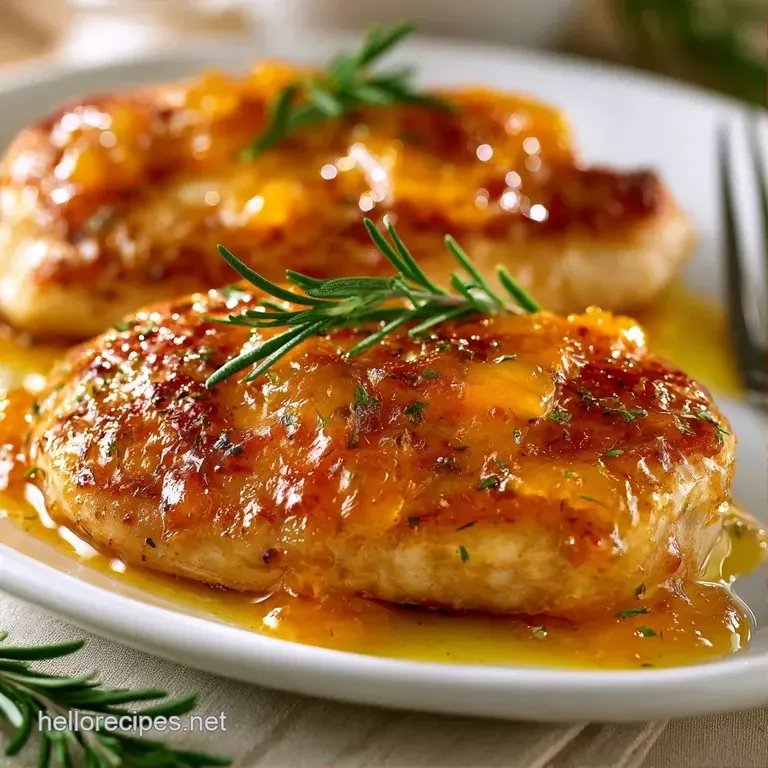
| Why Your Glaze Burnt | Sugar burns fast. If you see black edges, your oven might be running hot or the breasts were too thin. Try placing the pan on a lower rack next time. |
| Why the Chicken is Dry | Overcooking is the enemy. Even 2 minutes too long can turn a breast into cardboard. Always pull the meat at 74°C and let carryover cooking do the rest. |
Ways to Twist the Flavor
If you want to change the vibe, you can easily swap the fruit. Peach or mango preserves work beautifully here. For those who prefer a more savory route, you might enjoy a Chicken Piccata recipe which swaps the fruit for lemon and capers.
Adding a Spicy Kick
Stir in a teaspoon of sriracha or red pepper flakes into the glaze. The heat cuts through the apricot sweetness and adds a nice glow to the dish.
Boosting the Savory Depth
Add a pinch of garlic powder to the dry rub. This builds a base of savory flavor that makes the sweet glaze pop more.
Adapting for Air Fryers
You can air fry this at 200°C. Sear the chicken in a pan first, glaze it, and air fry for about 8-10 minutes. Check the temp frequently as air fryers cook faster.
Adjusting the Portion Size
When making a double batch, don't just double the salt. I find that spices like smoked paprika can become overwhelming. Use 1.5x the spices and 2x the glaze ingredients.
For a single breast, reduce the baking time by about 20%. Use a smaller skillet so the glaze doesn't spread too thin and burn.
| If you want... | Do this... |
|---|---|
| More glaze | Increase preserves by 25% |
| More char | Broil for the last 2 minutes |
| Lower sugar | Replace honey with a splash of water |
Avoiding the Dry Breast Trap
Many people think searing "locks in" the juices. It doesn't. Searing is for flavor and color, not for moisture retention. The real trick to a juicy Apricot Glazed Chicken Breast is the rest period.
When meat cooks, the fibers tighten and push moisture toward the center. If you cut it immediately, those juices run out onto the board. Resting for 5 minutes lets the fibers relax and reabsorb the liquid.
Another common mistake is ignoring the thickness of the breast. If one end is much thicker than the other, pound it to an even size using a meat mallet or a heavy skillet.
Storage and Waste Tips
Store leftovers in an airtight container in the fridge for up to 3 days. The glaze will thicken further in the cold, making it almost like a jam.
For freezing, let the chicken cool completely. Wrap it tightly in foil and place it in a freezer bag for up to 2 months. To reheat, add a tablespoon of water to the pan and cover it with a lid; this steams the meat back to life without drying it out.
Don't toss the pan drippings. That leftover glaze is gold. Brush it onto roasted carrots or toss it with some sautéed spinach to give your sides a bit of that same sweet savory energy. This is similar to how I handle a Whole 30 roasted chicken to keep the meal cohesive.
What to Serve on the Side
Because this dish is rich and sticky, you need sides that provide a fresh contrast. I love serving this with steamed broccoli or a crisp cucumber salad with rice vinegar.
For a heartier base, a pile of fluffy jasmine rice or quinoa works well to soak up any extra glaze. If you're looking for something more comforting, a side of Bacon and Pea Pasta adds a salty, creamy element that balances the apricot.
Right then, you're all set. This Apricot Glazed Chicken Breast is a reliable win that tastes like you spent way more time on it than you actually did. Get searing!
Recipe FAQs
How do you make an apricot glaze?
Whisk together apricot preserves, soy sauce, Dijon mustard, honey, and apple cider vinegar. This blend creates a balanced sweet and tangy coating for the meat.
Can I use chicken breast for apricot chicken?
Yes, it is the ideal choice. Boneless, skinless breasts cook quickly and provide a neutral base that allows the apricot flavors to shine.
What meat pairs the best with apricots?
Chicken and pork are the best pairings. The fruit's natural sweetness cuts through the richness of these proteins. If you love this sweet-savory balance, see how we use a similar profile in our brown sugar soy salmon.
Why is my apricot glaze too runny?
The preserves may have been too watery or the oven was not hot enough. The sugars need to reach a specific temperature to bind and thicken properly.
Is it true that searing the chicken is optional?
No, this is a common misconception. Searing for 3–5 minutes per side creates a golden-brown crust that prevents the meat from steaming and adds critical depth.
How to store and reheat leftover apricot chicken?
Keep in an airtight container in the fridge for up to 3 days. Reheat in a pan with a tablespoon of water and a lid to steam the meat back to life without drying it out.
Why did my glaze burn in the oven?
Your oven may be running hot or the chicken breasts were too thin. Because sugar burns quickly, try placing the pan on a lower rack for future batches.
Apricot Glazed Chicken Breast for 4