Caramelized Apricot Ricotta Tartine
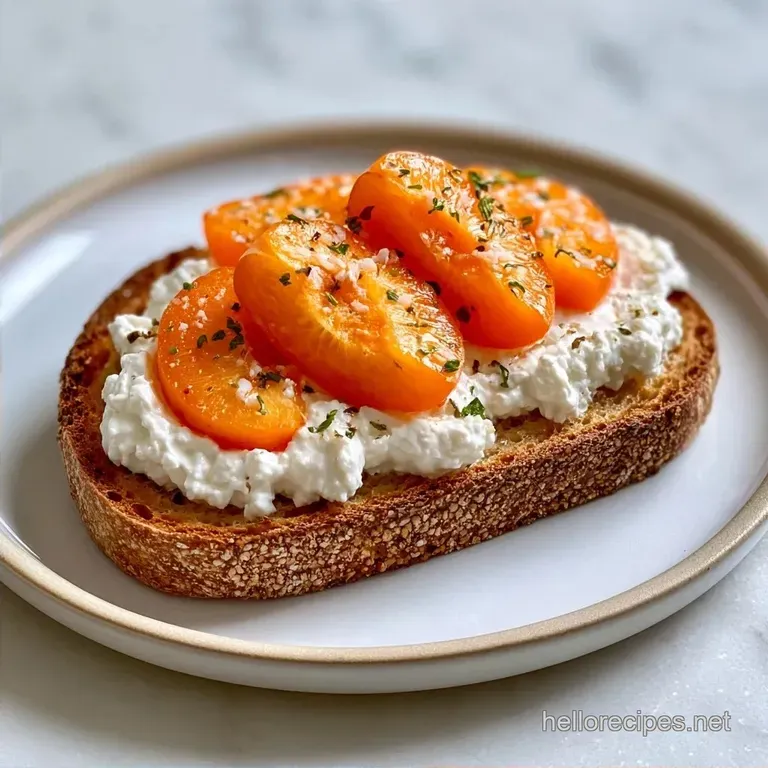
- Time: 15 min active + 10 min cook
- Flavor/Texture Hook: Crispy sourdough with mahogany charred apricots
- Perfect for: Quick weekend brunch or a light dessert
Easy Apricot Ricotta Tartine Recipe
The sound of apricot wedges hitting a hot cast iron skillet is the best part of this morning. That aggressive sizzle means the sugars are hitting the heat, turning the fruit from pale orange to a deep, mahogany brown in just a few minutes. It smells like a summer orchard in the middle of the kitchen.
I used to overthink my breakfast toasts, trying to make them look like restaurant plates. But the beauty of an Apricot Ricotta Tartine is that it doesn't need to be fussy. It just needs a crunch, a cream, and a tang.
You can expect a dish that hits every note. The sourdough provides a salty, fermented bite that keeps the honey from feeling too cloying. It's a fast way to get a high end feel without spending an hour at the stove.
Quick Recipe Specs
When you're rushing through a morning, you need to know exactly how this fits into your schedule. This isn't a slow bake project. It's a "get it on the table before the coffee gets cold" kind of meal.
| Feature | Fast Method (This Recipe) | Classic Fruit Tart |
|---|---|---|
| Prep Time | 15 minutes | 45+ minutes |
| Base | Toasted Sourdough | Shortcrust Pastry |
| Cooking | 10 min sear | 30-40 min bake |
| Texture | Crispy and Airy | Dense and Buttery |
The speed comes from using a skillet for the fruit instead of the oven. You get the same caramelized flavor but save nearly an hour of waiting.
Shopping List Breakdown
The sourdough is the real hero here. I prefer a slice that's about a half inch thick, which gives enough room for the ricotta to sit without soaking through the bread. If you use a thin sliced sandwich loaf, the weight of the apricots will make it sag.
For the cheese, stick to whole milk ricotta. low-fat versions tend to be watery, which ruins the toast. To get that airy texture, you'll want to strain the ricotta through a fine mesh sieve for about 10 minutes before starting.
What Each Ingredient Does
| Ingredient | What It Does | Best Swap |
|---|---|---|
| Sourdough | Provides salty, structural base | Ciabatta or Rye |
| Whole Milk Ricotta | Adds creamy, mild richness | Goat Cheese or Mascarpone |
| Fresh Apricots | Brings tartness and acidity | Peaches or Nectarines |
| Honey | Balances the tang with sweetness | Maple Syrup |
Essential Kitchen Tools
You don't need a professional setup for this Apricot Ricotta Tartine. A few basic tools will do the job. I highly recommend a cast iron skillet for the apricots because it holds heat better than non stick, which is how you get those dark, charred edges.
A hand mixer is the fastest way to get the ricotta fluffy, but a whisk and some elbow grease work too. If you're really short on tools, a fork can work for the honey and zest, though you won't get those soft peaks.
Chef Note: If you don't have a skillet, a small non stick pan works, but keep the heat high. You want the fruit to sear, not stew in its own juices.
Bringing It Together
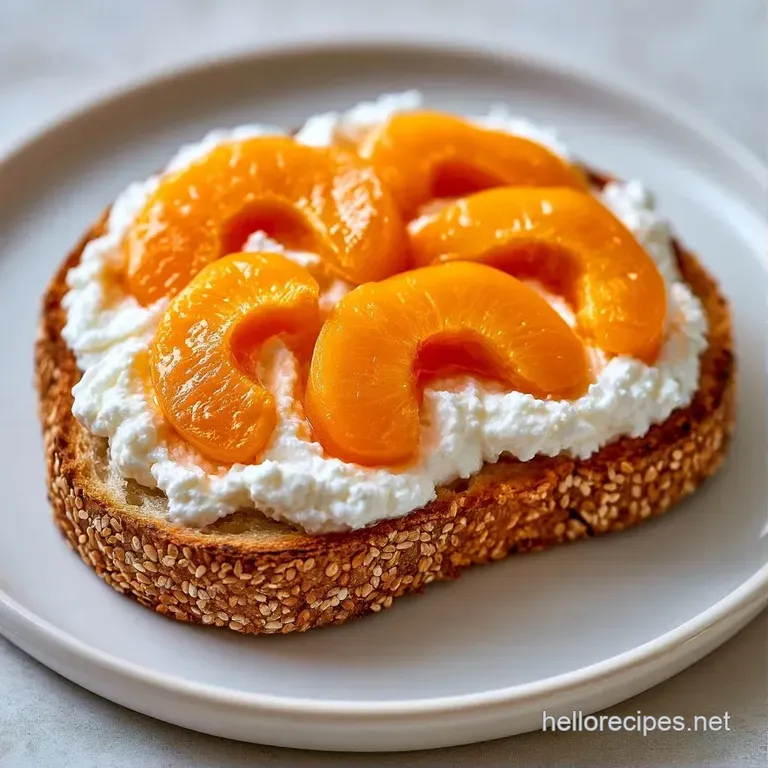
The process is straightforward, but the order of operations matters. You want the toast and the fruit to finish at the same time so the ricotta doesn't warm the bread too much and make it soft.
1. The Foundation (The Toast)
Preheat your oven to 400°F (200°C) or get your toaster ready. Spread the softened butter on 8 slices of sourdough. If using the oven, place them on a sheet pan and toast for about 5-7 minutes.
You're looking for edges that are golden brown and a center that feels firm when you press it.
2. The Airy Spread (The Ricotta)
Grab a mixing bowl and combine the 15 oz of strained ricotta, 1 tablespoon of honey, 1 teaspoon of lemon zest, and 1/4 teaspoon of sea salt. Use a hand mixer on medium high for 2-3 minutes. Stop once the mixture looks light and holds soft peaks. It should feel airy, not dense.
3. The Caramelization (The Fruit)
Melt 1 tablespoon of butter in your skillet over medium high heat. Once it bubbles, add your apricot wedges in a single layer. Don't crowd the pan, or they'll steam instead of sear. Let them sit undisturbed for 2-3 minutes per side. You want to see a mahogany colored char on the surface.
4. The Final Assembly
Spoon a generous dollop of the whipped ricotta onto each warm toast slice. Spread it all the way to the edges. Place 3-4 seared apricot wedges on top. Finish with a drizzle of the remaining 2 tablespoons of honey and a sprinkle of microgreens or mint leaves.
Key Success Tips
Getting the texture right is where most people trip up. The contrast between the hot fruit and the cool cream is what makes the Apricot Ricotta Tartine work.
- The Cold Whip: Keeping the ricotta chilled before whipping helps it hold air better. This creates a smooth and glossy finish that doesn't run.
- High Heat Searing: The pan must be hot. If the butter isn't sizzling when the apricots hit, you'll lose that charred flavor.
- Fast Assembly: Work quickly once the toast is out. The heat from the bread will soften the ricotta, which is fine, but you don't want it to turn into a liquid.
Decision Shortcut: If you want it more savory, skip the honey drizzle and add a pinch of flaky salt. If you want more crunch, add toasted sliced almonds. If the apricots are too tart, increase the honey in the ricotta mix.
Fixing Common Issues
Most problems with this recipe come down to moisture. Whether it's the bread getting soggy or the cheese being too runny, it's usually a water issue.
Why Your Bread Sogs
This happens if the ricotta isn't strained or the toast isn't done. If the bread is soft in the middle, it acts like a sponge. Make sure the toast is firm and the ricotta has sat in a sieve for a few minutes.
Grainy Ricotta Texture
Ricotta can be naturally lumpy. To fix this, whip it for an extra minute or pass it through a sieve before mixing. Using a hand mixer is much more effective than a whisk for breaking down those grains.
Overcooked Apricots
If the fruit turns into mush, the heat was too low or they stayed in the pan too long. You want a sear, not a stew. Remove them the second they hit that dark brown color.
| Problem | Root Cause | Solution |
|---|---|---|
| Soggy Toast | Under toasted bread | Toast until edges are golden brown |
| Runny Cheese | Unstrained ricotta | Strain through a sieve for 10-15 mins |
| Pale Fruit | Pan not hot enough | Use cast iron on medium high heat |
Fresh Storage Guidelines
This is best eaten immediately, but you can prep parts of it. I usually whip the ricotta and store it in an airtight container in the fridge for up to 3 days. The seared apricots also keep well in the fridge for 2 days; just reheat them in a pan for 30 seconds before serving.
Don't assemble the full Apricot Ricotta Tartine until you're ready to eat. The bread will lose its crunch within an hour of being topped with cheese and fruit.
Regarding zero waste, if you have leftover ricotta, don't toss it. It works great as a filling for a Zucchini Lasagna or as a dollop on top of pasta. If you have apricot pits, you can actually dry them out and use them for natural dyes, though most people just compost them.
Creative Flavor Twists
Once you've got the basic Apricot Ricotta Tartine down, you can start playing with the toppings. The base of whipped ricotta and toasted sourdough is very versatile.
The Savory Shift
Swap the honey for a drizzle of balsamic glaze and use fresh thyme instead of mint. This turns the dish into a sophisticated appetizer that pairs well with a charcuterie board.
The Nutty Crunch
Add a layer of pistachio butter under the ricotta or sprinkle toasted hazelnuts on top. The earthiness of the nuts cuts through the sweetness of the fruit.
The Stone Fruit Rotation
You don't have to use apricots. Peaches, plums, or even sliced figs work beautifully. If you love the flavor of these fruits in other forms, you might enjoy my Dried Apricot Bread for a heartier option.
The Vegan Swap
Use a cashew based ricotta and a vegan butter substitute. The searing process for the apricots remains exactly the same, and the results are surprisingly similar.
Serving Your Tartine
Presentation makes a difference, even for a quick meal. I like to serve these on a wooden board or a slate platter. Since they're small, you can put out a variety of toppings and let people customize their own.
Pair this with a strong espresso or a cold glass of sparkling water with lemon. The acidity of the drink cleanses the palate between the creamy cheese and the sweet fruit.
If you're serving this as a dessert, add a small scoop of vanilla bean ice cream on the side. The melting ice cream mixes with the honey and ricotta for a rich, indulgent finish. Just make sure to serve it fast so the sourdough stays crispy.
Recipe FAQs
Can I use dried apricots instead of fresh for this tartine?
No, stick with fresh. Dried apricots lack the moisture and structure needed to hold a sear in the skillet without burning.
What meat pairs best with apricot flavors if I want a savory meal?
Pork and chicken are the best matches. The fruit's acidity cuts through fatty meats, a balance you can see in our apricot chicken recipe.
Do I really need to strain the ricotta cheese?
Yes, straining is essential. Removing excess whey prevents the whipped ricotta from becoming runny and ensures it holds soft peaks on the toast.
Can I use unripe apricots for this recipe?
No, use ripe fruit. Unripe apricots are too tart and firm, which makes it difficult to achieve a mahogany char without overcooking the exterior.
Is it true that I must use a toaster oven for the bread?
No, this is a common misconception. You can use a standard oven preheated to 400°F to toast the buttered sourdough slices until golden.
How to sear apricots without them turning into jam?
Sear in a single layer over medium-high heat. Cook for 2–3 minutes per side in butter to achieve a mahogany char while keeping the center firm.
Is this tartine suitable as a dessert?
Yes, it works perfectly as a light dessert. The combination of honey and seared fruit creates a natural sweetness that isn't overly heavy.
Apricot Ricotta Tartine for 8 Servings