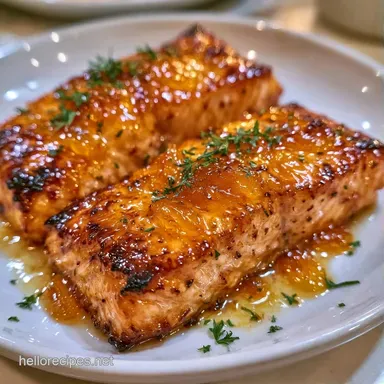
Baked Apricot Glazed Salmon with Dijon
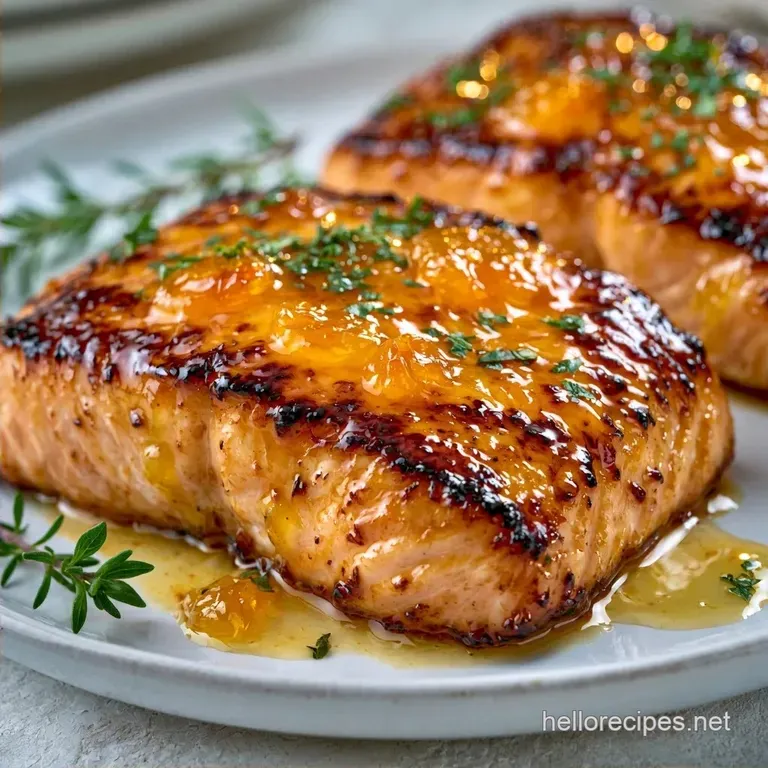
- Time: 10 min active + 10 min cooking
- Flavor/Texture Hook: Tangy sweet glaze with a flaky center
- Perfect for: A 20 minute weeknight dinner
The smell of bubbling apricot preserves hitting a hot pan always reminds me of the fruit markets in Central Asia. In those regions, dried apricots are a staple, often paired with meats to balance heavy fats with a bright, tart sweetness. It's a flavor profile that feels old world but fits right into a modern kitchen.
I first tried combining this vibe with seafood a few years ago. I wanted something that felt fancy but didn't require me to stand over the stove for an hour after work. This Apricot Glazed Salmon does exactly that by using a few pantry staples to create a high contrast flavor.
You can expect a dish that hits the salty, sweet, and acidic notes all at once. The fish stays tender while the top gets that slightly charred, tacky finish. It's a straightforward process that relies on a few specific checkpoints to avoid overcooking.
Getting the Apricot Glazed Salmon Right
The Sticky Factor: Reducing the preserves concentrates the sugars, which helps the glaze cling to the fish instead of sliding off. The lemon juice breaks down the heaviness of the jam so it doesn't taste like dessert.
| Style | Prep Effort | Flavor Profile | Best For |
|---|---|---|---|
| Fresh Preserves | Higher | Chunky, bright fruit | Gourmet dinner |
| store-bought | Low | Smooth, consistent | Quick weeknights |
| Fresh Lemon | Medium | Sharp, clean acidity | Maximum contrast |
| Bottled Juice | Low | Milder, softer tang | Pantry cooking |
What Each Ingredient Does
| Ingredient | What It Does | Best Swap |
|---|---|---|
| Apricot Preserves | Adds body and sweetness | Peach preserves |
| Dijon Mustard | Adds tang and emulsifies | Whole grain mustard |
| Soy Sauce | Adds salt and umami | Tamari (GF) |
| Lemon Juice | Cuts through the fat | Lime juice |
Essential Kitchen Gear
You don't need a lot of gadgets here. A small saucepan for the glaze and a standard baking sheet are the basics. I highly recommend using parchment paper. It stops the sugar in the glaze from bonding to your pan, which saves you from scrubbing for ten minutes later.
A meat thermometer is the only "extra" I insist on. Salmon goes from "perfect" to "dry" in about 90 seconds. Having a digital probe lets you pull the fillets out the second they hit the target temp.
Making the Salmon
Phase 1: The Glaze Reduction
- Combine 1/2 cup apricot preserves, 1 tbsp Dijon mustard, 1 tbsp soy sauce, 1 tbsp lemon juice, and 1/2 tsp garlic powder in a small saucepan over medium heat.
- Whisk constantly for 2–3 minutes until the mixture bubbles and coats the back of a spoon. Note: This ensures the glaze isn't too watery.
- Remove the glaze from heat and let it cool for a few minutes.
Phase 2: Prepping the Protein
- Preheat the oven to 400°F (200°C) and line a baking sheet with parchment paper.
- Pat 4 salmon fillets (6 oz each) completely dry with paper towels. Note: Moisture on the skin prevents the glaze from sticking.
- Brush the baking sheet with 1 tbsp olive oil and place fillets on top.
- Season with 1/4 tsp sea salt and 1/4 tsp black pepper.
Phase 3: Glazing and Baking
- Brush about 2/3 of the prepared apricot glaze over the top of each fillet, spreading it to the edges.
- Bake for 8–10 minutes until the internal temperature reaches 145°F (63°C).
Chef's Note: For an extra glossy finish, brush the remaining 1/3 of the glaze on the fish immediately after taking it out of the oven. The residual heat melts the glaze into a brilliant sheen.
Fixing Common Glaze Issues
If the glaze isn't behaving, it's usually a heat or moisture problem. If the sauce is too thin, it won't cling to the fish and will just pool on the parchment paper. This usually happens if the preserves weren't simmered long enough.
On the other hand, the salmon can easily dry out if the oven is too hot or if you rely on a timer rather than a thermometer. The sugar in this Apricot Glazed Salmon can also burn if the oven has "hot spots."
Troubleshooting Guide
| Problem | Root Cause | Solution |
|---|---|---|
| Glaze is too runny | Not simmered enough | Heat for 2 more mins |
| Salmon is dry | Overcooked | Pull at 145°F (63°C) |
| Glaze burned | Oven too hot/Too much sugar | Check oven temp, use less glaze |
Fun Flavor Variations
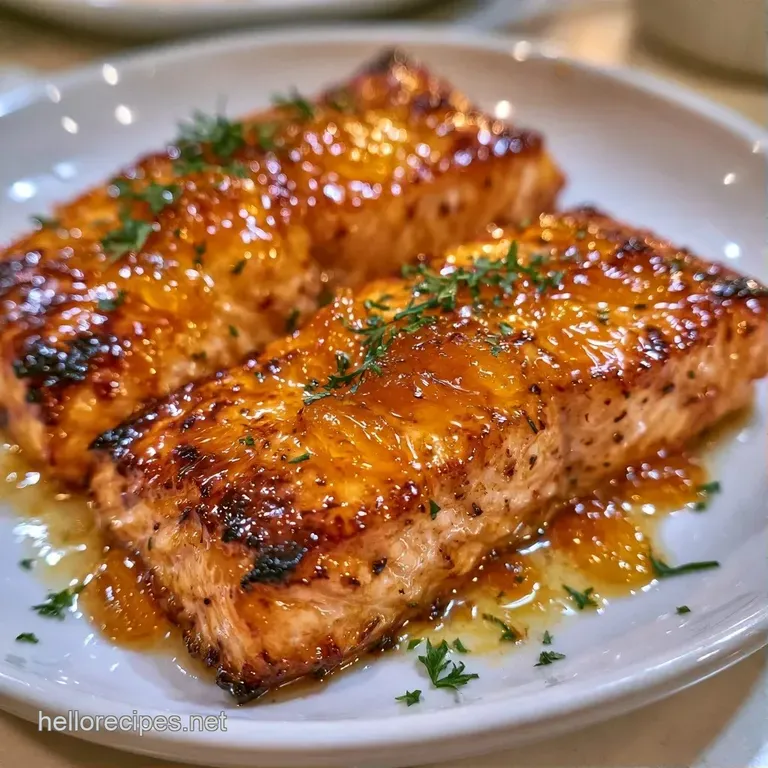
If you want to switch things up, the base of this recipe is very flexible. You can lean into the saltiness or the sweetness depending on what you're craving. If you enjoy a more savory profile, a Blackened Salmon recipe is a great alternative for those who prefer spice over fruit.
For an Apricot Soy Glazed Salmon
Double the soy sauce and add a pinch of ground ginger. This turns the dish into an umami bomb that pairs well with steamed bok choy.
For a Honey Apricot Glazed Salmon
Replace half the preserves with honey. This creates a more liquid glaze that produces a deeper caramelization on the edges. For something similarly sweet but different notes, try a Sticky Brown Sugar Salmon.
For Grilled Apricot Glazed Salmon
Grill the fillets on medium high heat for 4-5 minutes per side. Brush the glaze on only during the last 2 minutes of cooking to prevent the sugars from burning on the grill grates.
For Keto Options
Use a sugar-free apricot jam or a mixture of mashed fresh apricots and a touch of xylitol. Note that the glaze won't be as thick or glossy without the pectin and sugar.
Adjusting Serving Sizes
When you're cooking for a crowd or just yourself, you can't always just double the numbers. Spices and thickeners don't always scale linearly.
For a smaller batch (1-2 fillets), halve all ingredients. Use a smaller baking pan so the glaze doesn't spread too thin and burn. Reduce the bake time by about 20% since smaller fillets cook faster.
When scaling up for 8 or more fillets, don't double the salt and pepper; use about 1.5x instead. Work in batches if your oven is small. If the pan is crowded, the salmon will steam instead of roast, which ruins the texture.
Salmon Myths
Searing salmon doesn't "seal in" the juices. That's an old myth. Searing creates flavor through browning, but moisture loss happens regardless of how you start the cook.
Another common misconception is that salmon must be cooked until it's opaque all the way through. In reality, many people prefer it medium rare (around 125°F) for a more buttery texture. This recipe targets 145°F for food safety, but you can pull it earlier if you prefer.
Keeping and Reheating
Store leftover Apricot Glazed Salmon in an airtight container in the fridge for up to 3 days. I don't recommend freezing cooked salmon, as the texture becomes mushy once thawed.
To reheat, avoid the microwave. It overcooks the fish in seconds, leaving it rubbery. Instead, put the fillet in a 275°F (135°C) oven for about 10 minutes. Add a teaspoon of water to the pan to create a little steam, which keeps the fish moist.
To avoid waste, take any leftover glaze and whisk it with a bit of apple cider vinegar and olive oil. It makes a great dressing for a spinach salad.
Plating for Impact
Since the glaze is a bright, glossy orange, use contrasting colors on the plate. I love serving this on a bed of dark leafy greens or alongside bright green asparagus.
For a more modern look, slice the fillet into thick medallions and drizzle the remaining glaze in a zig zag pattern across the plate. A sprinkle of toasted sesame seeds or chopped chives adds a professional touch without much effort.
Decision Shortcut:
- If you want a charred finish, use the broiler for the last 60 seconds.
- If you want a softer texture, undercook by 2 degrees and let it rest for 5 mins.
- If you want more acidity, serve with an extra wedge of fresh lemon.
Recipe FAQs
What meat pairs the best with apricots?
Salmon is an excellent choice. The fatty richness of the fish balances the tart sweetness of apricot preserves perfectly. If you love this sweet-savory balance, see how we apply similar flavor balancing in our Bang Bang Burrito.
Can I use fresh apricots instead of preserves?
No, preserves are required for the consistency. Fresh apricots lack the concentrated sugar and pectin needed to create a thick glaze that adheres to the fish.
Why is my apricot glaze too runny?
It was not simmered long enough. Heat the mixture for 2 more minutes until it thickens enough to coat the back of a spoon.
How to prevent the glaze from burning in the oven?
Maintain the oven at exactly 400°F. Avoid over-applying the glaze or baking the fillets longer than 10 minutes, as the sugar in the preserves can scorch.
How to tell when the salmon is perfectly cooked?
Use a meat thermometer to reach 145°F (63°C). Pull the fillets from the oven immediately at this temperature to prevent the fish from becoming dry.
Is it true that salmon fillets must be soaked before glazing?
No, this is a common misconception. Pat the fillets completely dry with paper towels to ensure the glaze adheres properly to the surface.
How to store and reheat leftover glazed salmon?
Place in an airtight container in the refrigerator for up to 3 days. Reheat gently in the oven or microwave to avoid overcooking the fish.
Apricot Glazed Salmon in 20 Minutes