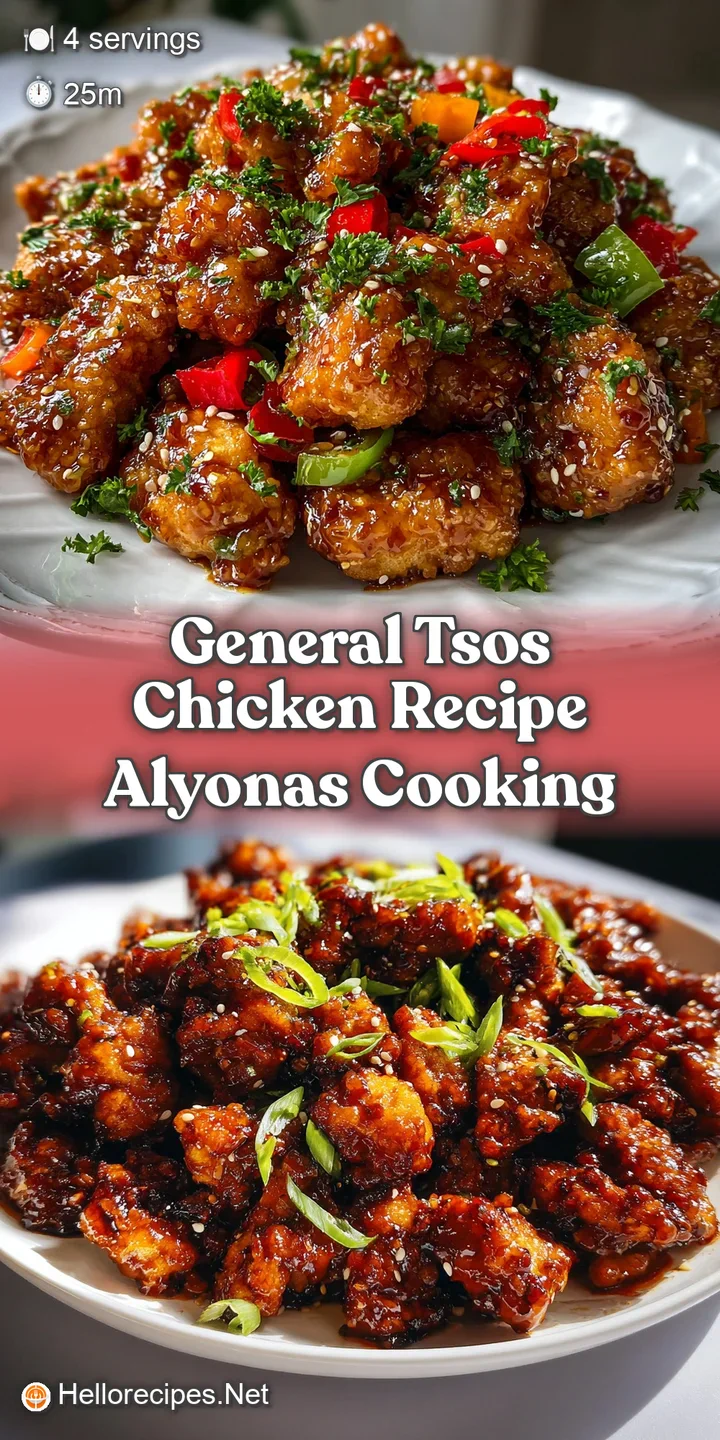
General Tsos Chicken Recipe Alyonas Cooking
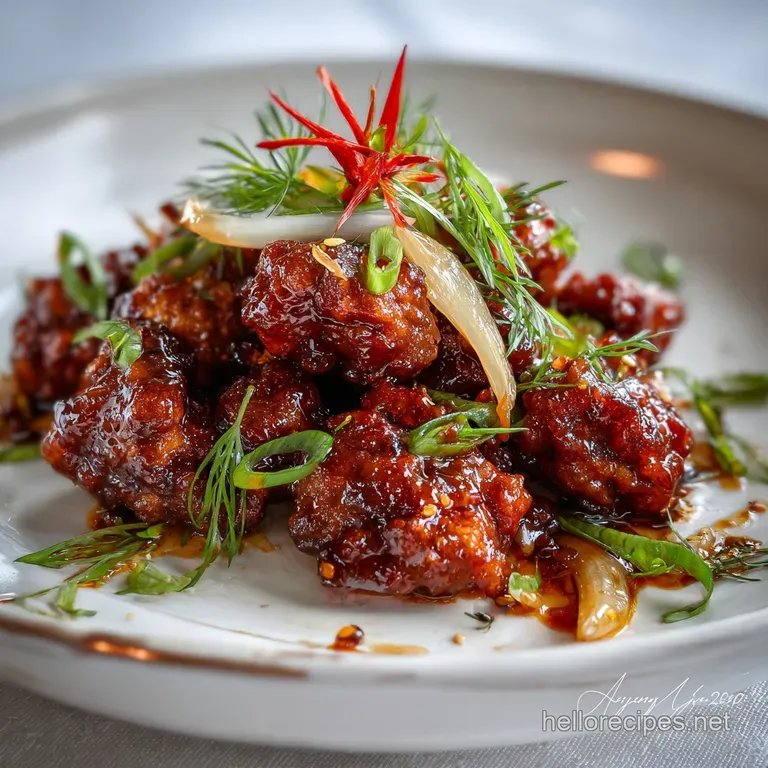
- Time: Active 10 minutes, Passive 15 minutes, Total 25 minutes
- Flavor/Texture Hook: Shatter crisp exterior with a velvety, spicy sweet glaze
- Perfect for: Better than-takeout Friday nights or impressive 30 minute hosting
- Master General Tsos Chicken Recipe Alyonas Cooking
- The Physics of the Shatter Crust
- Components for a Deep Umami
- Must Have Kitchen Gear
- Step-By-Step Cooking Guide
- Avoid Common General Tso Pitfalls
- Smart Substitutions and Variations
- Scaling the Recipe
- Myths About the General
- Storage and Reheating Tips
- Perfect Sides for This Meal
- Very High in Sodium
- Recipe FAQs
- 📝 Recipe Card
Master General Tsos Chicken Recipe Alyonas Cooking
You know that specific sizzle? The one where the chicken hits the oil and you just know it's going to be crispy? That’s the sound I live for. I remember the first time I tried to make this at home; I used a flour based batter that turned into a gummy, pale mess the second the sauce touched it.
I sat there with my soggy bowl of disappointment, wondering how the local spot kept those nuggets so "shatter crisp" even after a 20 minute delivery ride.
It turns out, the secret wasn't some industrial deep fryer or a hidden chemical it was the cornstarch. When I finally nailed this General Tsos Chicken Recipe Alyonas Cooking, the aroma of toasted sesame and sharp ginger filled my kitchen so intensely that my neighbor actually knocked on the door to ask what was happening.
It’s that vibrant, multicultural fusion of flavors that makes this dish a legend in the world of comfort food.
We’re moving past the heavy, doughy coatings. We want chicken that actually crackles when your teeth hit it. I’ve made every mistake in the book from burning the garlic into bitter little pebbles to making the sauce so sour it made my eyes water.
But those fails led to this version, which is perfectly balanced and honestly, faster than calling for delivery. Let’s get that wok hot and talk about why this actually works.
The Physics of the Shatter Crust
Starch Amylose Density: Cornstarch contains a higher percentage of amylose than all purpose flour, which creates a more rigid, brittle structure when fried. This is what gives us that "shatter" effect rather than a bready chew.
Vinegar Volatility: The rice vinegar provides a sharp acidic punch that cuts through the sugar, but as it simmers, the harshest acetic notes evaporate, leaving behind a rounded, tangy brightness.
| Feature | Fast Home Version | Classic Restaurant |
|---|---|---|
| Coating | Thin Cornstarch Dusting | Thick Flour/Egg Batter |
| Oil Volume | 3 tbsp (Shallow Fry) | 4+ Cups (Deep Fry) |
| Texture | Crisp & Light | Heavy & Crunchy |
I’ve found that shallow frying with just 3 tbsp of canola oil, as we do here, actually keeps the chicken more tender. If you're into quick poultry dishes with big personality, you might also love this Awesome Sauce Chicken recipe. It uses a similar over high heat technique to keep the meat juicy while building a crust.
Components for a Deep Umami
| Ingredient | Science Role | Pro Secret |
|---|---|---|
| Cornstarch | Moisture Absorber | Toss the chicken twice for a thicker, sturdier crust. |
| Rice Vinegar | Protein Softener | Use unseasoned vinegar to control the salt levels yourself. |
| Tomato Paste | Umami & Body | Sauté the paste for 1 minute to remove the "raw" metallic taste. |
| Fresh Ginger | Enzymatic Zing | Grate it directly into the pan to catch all the flavorful juices. |
For this General Tsos Chicken Recipe Alyonas Cooking, you'll need the following exact measurements to ensure the sauce to chicken ratio is spot on.
- 1.5 lbs boneless skinless chicken breast: Cut these into uniform 1 inch cubes so they cook at the same rate.
- 1/2 cup cornstarch: This is for the dredging. Why this? It creates a gluten-free barrier that crisps up instantly in hot oil.
- 1/2 tsp salt & 1/4 tsp white pepper: White pepper is more traditional and provides a floral heat without black specks.
- 3 tbsp canola oil: You need a high smoke point oil here; don't use butter or extra virgin olive oil.
- 1/2 cup chicken broth: The base for our sauce.
- 1/4 cup low sodium soy sauce: Why this? Regular soy can be way too salty once the sauce reduces.
- 1/3 cup rice vinegar: Provides the signature tang.
- 1/4 cup light brown sugar: Packed tight for that deep molasses sweetness.
- 1 tbsp tomato paste: This adds a hidden layer of savory depth and helps the color.
- 1 tbsp fresh ginger, minced: Fresh is non negotiable here.
- 3 garlic cloves, grated: Grating creates a paste that melts into the sauce.
- 1 tbsp cornstarch + 1 tbsp water: This is your "slurry" for thickening.
- 1/2 tsp crushed red pepper flakes: Adjust this based on your spice tolerance.
- Garnish: 2 green onions (sliced) and 1 tsp toasted sesame seeds.
Must Have Kitchen Gear
You don't need a thousand dollar setup, but a few specific tools make this much easier. A heavy bottomed skillet or a carbon steel wok is your best friend. You want something that holds heat well.
When the chicken hits the pan, the temperature drops; a thin pan will lose its "sizzle" and start steaming the meat instead of searing it.
I also highly recommend using a microplane for the garlic and ginger. It turns them into a fine pulp that distributes the flavor perfectly through the glaze. No one wants to bite into a big chunk of raw ginger! If you're looking for other ways to use these tools, my OnePan Creamy Tuscan recipe also relies on that "one pan" over high heat magic for a totally different flavor profile.
step-by-step Cooking Guide
- Prep the protein. Pat the 1.5 lbs chicken cubes completely dry with paper towels. Note: Any surface moisture will turn the cornstarch into a paste instead of a crisp coating.
- Dredge the chicken. Toss the cubes in the 1/2 cup cornstarch mixed with salt and white pepper until every piece is fully matte and chalky.
- Whisk the sauce. In a small bowl, combine chicken broth, soy sauce, rice vinegar, brown sugar, tomato paste, and red pepper flakes.
- Heat the oil. Add 3 tbsp canola oil to your skillet over medium high heat until the oil shimmers and a tiny pinch of cornstarch sizzles instantly.
- Fry in batches. Add the chicken in a single layer. Cook for about 3-4 minutes per side until the edges are golden and the coating feels hard to the touch.
- Remove and drain. Set the chicken aside on a wire rack. Note: A wire rack is better than paper towels as it prevents steam from softening the bottom of the chicken.
- Bloom the aromatics. In the same pan (wipe out excess oil if needed), add the minced ginger and grated garlic. Sauté for 30 seconds until the air smells sharp and fragrant.
- Simmer the glaze. Pour in the sauce mixture. Let it bubble for 2 minutes to meld the flavors.
- Thicken the sauce. Stir in your cornstarch slurry (1 tbsp starch + 1 tbsp water). Whisk constantly until the sauce turns translucent and thick enough to coat a spoon.
- The Final Toss. Return the chicken to the pan. Toss quickly for 30 seconds until every piece is varnished in a velvety, dark glaze.
- Garnish and serve. Top with sliced green onions and toasted sesame seeds immediately.
Avoid Common General Tso Pitfalls
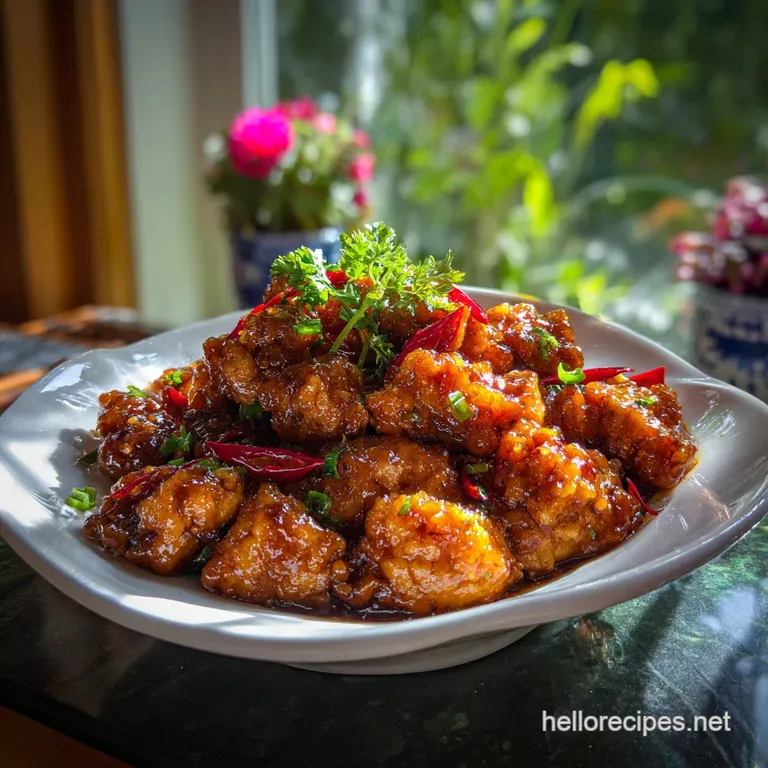
Why Your Chicken Coating Is Gummy
This usually happens for two reasons: the chicken was wet before dredging, or the pan wasn't hot enough. If you add the chicken to cool oil, the cornstarch absorbs the oil and turns into a paste rather than a crust.
Balancing Overpowering Acidity
If the sauce tastes too much like vinegar, you might not have let it simmer long enough before adding the slurry. The heat needs time to mellow out the sharp acetic acid. If it's still too sharp, add an extra teaspoon of brown sugar to round it out.
| Problem | Root Cause | Solution |
|---|---|---|
| Bland Sauce | Under toasted aromatics | Sauté ginger/garlic until they just start to brown before adding liquid. |
| Soggy Chicken | Crowded pan | Fry in two batches to keep the oil temperature high. |
| Burned Glaze | Heat too high for sugar | Turn heat to medium low once the sauce starts to thicken. |
Common Mistakes Checklist:
- ✓ Never skip the "pat dry" step for the chicken; moisture is the enemy of crunch.
- ✓ Don't use regular pepper if you have white pepper; the flavor profile is significantly different.
- ✓ Avoid crowding the pan; if the pieces touch, they will steam each other.
- ✓ Wait to toss the chicken in the sauce until the very last second before serving.
- ✓ Use fresh ginger powdered ginger doesn't have the same aromatic oils.
Smart Substitutions and Variations
| Original Ingredient | Substitute | Why It Works |
|---|---|---|
| Chicken Breast | Boneless Thighs | More fat content means the meat stays juicier, though it takes 1-2 mins longer to cook. |
| Rice Vinegar | Apple Cider Vinegar | Similar acidity levels, though it adds a slight fruity note. |
| Brown Sugar | Honey or Maple Syrup | Provides sweetness and a glossy sheen. Note: Honey burns faster, so watch the heat. |
General Tso Chicken with store-bought Sauce
If you are in a massive rush, you can use a bottled "General Tso" or "Orange Ginger" sauce. However, I highly recommend still sautéing fresh garlic and ginger in the pan first to give it that "homemade" freshness. It bridges the gap between convenience and quality.
The Spicy Citrus Twist
I sometimes like to add the zest of half an orange to the sauce. It leans into that "Orange Chicken" vibe while keeping the spicy backbone of the General Tsos Chicken Recipe Alyonas Cooking. If you're experimenting with seasonings, you might find that adding a tiny pinch of my Poultry Seasoning recipe adds an interesting herbal depth to the batter.
Scaling the Recipe
Scaling Down (Cooking for 2): Half the ingredients exactly. Use a smaller 8 inch skillet so the sauce doesn't evaporate too quickly. You'll only need about 1.5 tbsp of oil.
Scaling Up (Feeding a Crowd): If you double this, do not double the red pepper flakes immediately. Start with 1.5x and taste. You must fry the chicken in at least 3 or 4 batches to maintain that "shatter" texture. If you dump 3 lbs of chicken into a pan at once, you'll end up with a soggy stew.
Decision Shortcut: If you want a Healthier Version, use an air fryer at 400°F for 12 minutes, spraying the cornstarch coated chicken liberally with oil.
If you want Extra Heat, add a teaspoon of chili garlic sauce (like Sambal Oelek) to the liquid mixture. If you want it gluten-free, ensure your soy sauce is replaced with Tamari and check that your chicken broth is certified GF.
Myths About the General
One of the biggest myths is that you need a deep fryer to get restaurant quality results. That's just not true. A shallow fry in a hot pan actually creates a more interesting texture because you get those "craggy" browned bits where the chicken was in contact with the metal.
Another misconception is that the sauce needs to cook for a long time. In reality, over reducing the sauce makes it cloyingly sweet and sticky like candy. You want it to just barely reach that "glaze" consistency where it clings to the chicken but still feels like a sauce, not a syrup.
Storage and Reheating Tips
Storage: This dish is best eaten fresh. However, it will stay good in the fridge for up to 3 days. The chicken will lose its crunch as it absorbs the sauce, but the flavor actually deepens.
Reheating: Avoid the microwave if you want to save the texture. The best way is to toss it in a dry skillet over medium heat for 3-4 minutes, or pop it in an air fryer at 350°F for 5 minutes.
Zero Waste Tip: Don't throw away those green onion roots! Put them in a jar of water on your windowsill, and they’ll regrow in a week. Also, if you have leftover sauce but no chicken, it makes an incredible glaze for roasted broccoli or tofu the next night.
Perfect Sides for This Meal
To keep the "vibrant fusion" theme going, I always serve this over a bed of fluffy jasmine rice or even some quick fried rice. The neutral rice is essential for soaking up that extra sauce. If you want some greenery, steamed bok choy with a drop of sesame oil is the perfect bitter contrast to the sweet chicken.
Sometimes, I'll even serve this with a simple slaw of shredded cabbage and rice vinegar. It adds a cold, refreshing crunch that clears the palate between those spicy, savory bites of General Tsos Chicken Recipe Alyonas Cooking. Whatever you do, make sure you have extra napkins this glaze is beautifully messy!
Very High in Sodium
945 mg of sodium per serving (41% of daily value)
The American Heart Association recommends limiting sodium intake to no more than 2,300mg per day for most adults.
Tips to Reduce Sodium in This Recipe
-
DIY Broth-30%
Make your own sodium free chicken broth from scratch or use water instead of store-bought broth. This can significantly reduce the sodium content.
-
Reduce Added Salt-25%
Halve the amount of salt added to the cornstarch mixture, going from 1/2 tsp to 1/4 tsp. Taste and adjust the sauce after cooking to add more if needed.
-
Low-Sodium Soy Sauce-20%
Ensure you are using a truly low-sodium soy sauce, and reduce the amount used from 1/4 cup to 2 tablespoons.
-
No-Salt Added Tomato Paste-10%
Make sure your tomato paste doesn't have any sodium added. Some brands offer no-salt added varieties, which are perfect for this recipe.
-
Flavor Boost
Enhance the flavor of the dish with other spices and fresh ingredients like garlic, ginger, and crushed red pepper flakes. Consider adding lemon or lime juice at the end for brightness.
-
Spice It Up!
Experiment with a variety of herbs and spices such as black pepper, garlic powder (check the label for sodium!), or onion powder to boost flavor without adding sodium.
Recipe FAQs
What is the secret ingredient to the best General Tso's chicken?
Tomato paste is the key for depth. It may seem unusual, but sautéing tomato paste for one minute blooms its umami and adds a savory foundation that balances the sweetness and vinegar in the glaze.
What's the secret to a crispy General Tso's?
Use a thin cornstarch dusting, not a thick batter. Ensure the chicken is bone dry before dredging, and only place it in oil hot enough that it sizzles instantly; this creates that shatter crisp shell.
How is General Tso's chicken cooked?
Shallow fry the coated chicken until golden, then toss in a quick simmered sauce. First, the chicken is coated in cornstarch and fried in small batches. Next, the glaze ingredients are rapidly cooked down, and finally, the crispy chicken is coated right before serving.
What sauce do they put on General Tso's chicken?
The classic sauce is a balance of sweet, sour, and savory. It primarily consists of rice vinegar, brown sugar, soy sauce, chicken broth, and aromatics like ginger and garlic, thickened slightly with a cornstarch slurry.
Why does my General Tso's coating get soggy immediately?
You likely added the chicken to oil that wasn't hot enough. If the oil temperature is too low, the cornstarch coating absorbs fat instead of rapidly setting into a crust, leading to gumminess.
Can I substitute rice vinegar if I don't have any?
Yes, apple cider vinegar is a good substitute. It has a similar acidity level, though it will impart a slightly fruitier note than the traditional rice vinegar.
Is it true that using flour instead of cornstarch yields a better glaze consistency?
No, cornstarch creates a much crisper, lighter coating than flour. Cornstarch’s molecular structure sets harder when fried, leading to a superior crunch that holds up better when coated in the sticky glaze, similar to the crust control needed for a stable sauce like in our Creamy Chicken Alfredo recipe.
Alyonas General Tsos Chicken
Ingredients:
Instructions:
Nutrition Facts:
| Calories | 492 kcal |
|---|---|
| Protein | 52 g |
| Fat | 14 g |
| Carbs | 38 g |
| Fiber | 1 g |
| Sugar | 13 g |
| Sodium | 945 mg |
