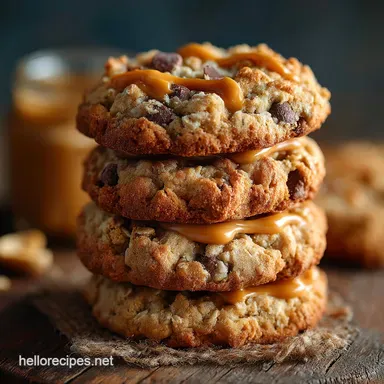
The Ultimate Monster Cookie a Proper American Classic
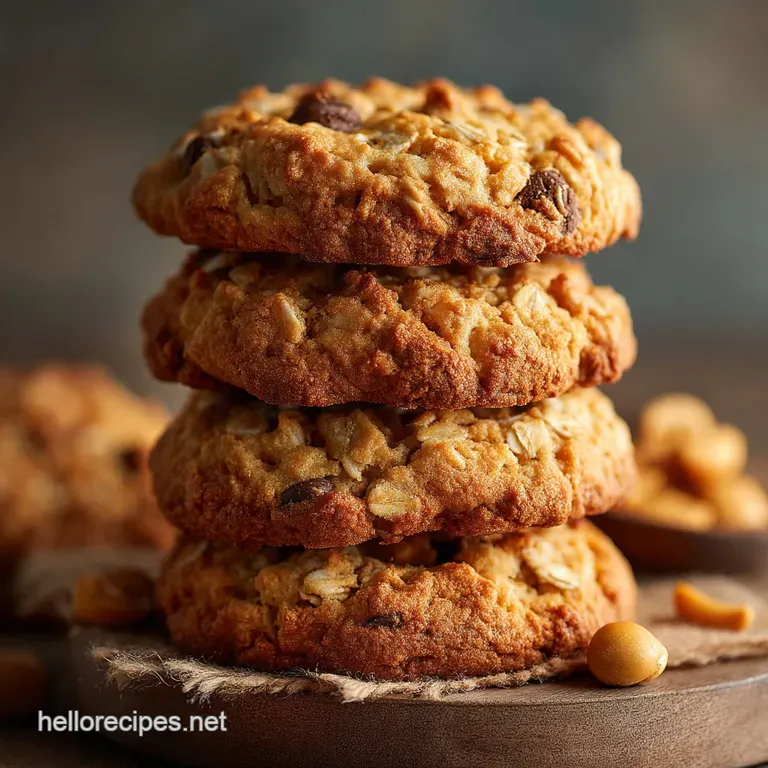
Mastering the Monster Cookie: A Guide to the Ultimate Loaded Treat
There are cookies, and then there are Monster Cookies . These are the undisputed champions of the dessert world, built for maximum satisfaction and engineered for an incredible chew.
Originating in the heart of the American Midwest, this recipe delivers a proper, substantial treat that demands respect both for its generous size and its deep, complex flavour profile.
We’re aiming for a slightly crunchy exterior paired with a supremely gooey, perfectly dense, Soft Cookie centre, packed to the brim with chocolate, candies, and texture. This approach yields 30 sizable cookies, perfect for feeding a crowd or simply hoarding for a glorious few days.
Why We Call Them 'Monster': Defining the Cookie's Scope
The name isn't just a marketing ploy; it reflects the sheer volume of ingredients that go into the bowl. Unlike standard cookie doughs, the Monster Cookies foundation is sturdy enough to hold an enormous quantity of mix-ins.
These aren't delicate biscuits; they are robust, flavour loaded discs designed to satisfy the biggest sweet tooth. The dough is intentionally dense and bulky, a necessity to support the traditional cup of chocolate chips and the cup of M&M candies, ensuring every bite is a textural adventure.
The Midwestern Secret: Unpacking the Original Recipe
The brilliance of the classic Midwestern monster cookies recipe lies in its foundation: it’s built on oats, not flour. This structure gives the cookie its characteristic chewiness and means that, when using certified ingredients, these cookies are naturally monster cookies gluten free —a wonderful bonus for sensitive eaters.
The exclusion of traditional white flour ensures that the focus remains entirely on the rich, nutty flavour of the Peanut Butter Oatmeal base, allowing the cookie to be intensely flavourful without becoming cakey.
Understanding this simple substitution is the key to mastering the monster cookies no flour preparation.
Peanut Butter Power: The Foundation of Flavour
The central flavour dynamic in any authentic Monster Cookie is the robust presence of peanut butter. We are calling for a full cup (275 g) of creamy peanut butter combined with 1 cup (225 g) of softened unsalted butter.
This specific combination of fats is crucial; it not only provides the signature nutty flavour but also contributes significantly to the cookie's structure and chew. When selecting your peanut butter, avoid the "natural" or oily varieties that separate easily.
A standard, creamy variety is mandatory as it stabilizes the dough and prevents excessive spreading during baking. If you are experimenting with monster cookies without peanut butter for allergy reasons, the closest substitution is usually sunflower seed butter, though the final flavour and texture will, naturally, be slightly different.
Required Gear and Essential Components for Robust Baking
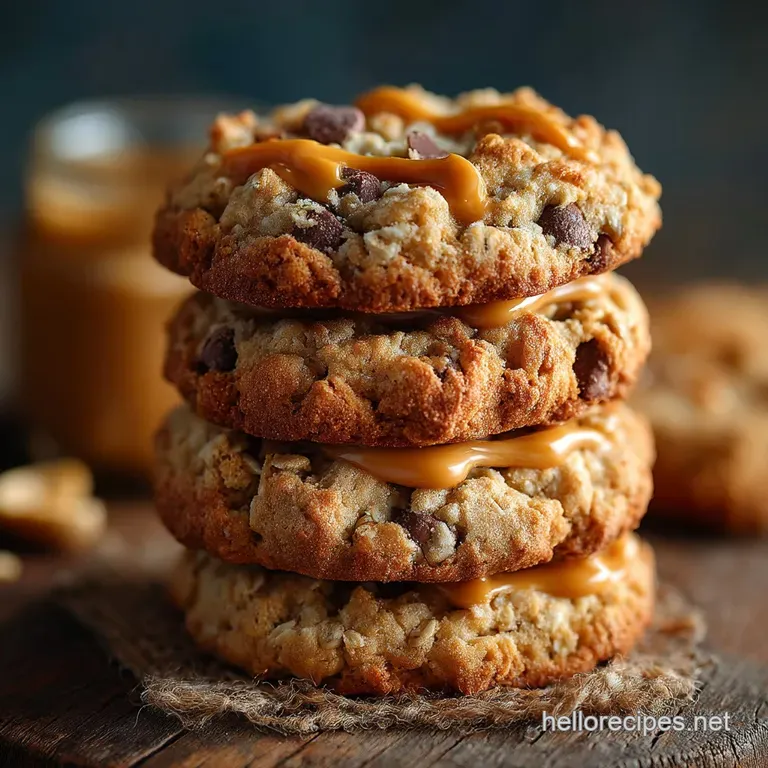
Moving from the philosophical to the practical, tackling this recipe requires an understanding of its unique composition and the right tools for the job.
Building the Bulk: A Deep Dive into Oats and Sugar Ratios
The structural integrity of this cookie relies on the quality and volume of its dry ingredients. We incorporate 4 cups (360 g) of Old-Fashioned Rolled Oats. This distinction is critical: quick or instant oats absorb moisture too fast and yield a dry, crumbly result.
The rolled oats maintain their shape, providing the delightful chew. To balance this volume, the recipe calls for a dual sugar approach: 1 cup (200 g) of granulated white sugar for spread and crispness, paired with 1 cup (220 g) of light brown sugar, which introduces necessary moisture and molasses flavour.
Finally, a generous 1 tablespoon (15 g) of baking soda is essential for the lift needed to support the dough's sheer weight.
Beyond Chocolate: Selecting the Best Mix-Ins (M&Ms, Chips, etc.)
The joy of Monster Cookies is their customizable character. While the classic approach calls for 1 cup (170 g) of semi sweet chocolate chips and 1 cup (170 g) of M&Ms, don't be afraid to innovate.
For an extra layer of nutty richness, consider folding in Peanut Butter Chips , white chocolate chunks, or even toffee bits. The rule here is volume: ensure you have enough vibrant, contrasting textures and colours to live up to the cookie’s monstrous name.
Tool Check: Essential Equipment for Massive Cookie Success
Given the dense volume of the Peanut Butter Oatmeal dough, a powerful piece of machinery is highly recommended. A Stand Mixer with a Paddle Attachment is nearly essential for the creaming stage, which requires 3- 4 minutes of robust mixing.
Attempting this volume by hand is challenging. For consistency in size, use a standard large portion scoop (approximately 3-tablespoon capacity). Uniform size ensures even baking across the tray.
Finally,, line your baking sheets with parchment paper or silicone mats —these cookies contain a lot of sugar and fat, and sticking is inevitable without proper lining.
Related Recipes Worth Trying
- The Ultimate BrownieStuffed Chocolate Chip Cookies Recipe — Get the best of both worlds These Giant Stuffed Chocolate Chip Cookies have a perfect chewy shell and a molten fudgy brownie centre A proper showstopper bake
- The Best Chewy Oatmeal Chocolate Chip Cookies with Browned Butter — Tired of flat cookies This Oatmeal Chocolate Chip Cookies recipe uses browned butter for deep flavour and guarantees a perfectly chewy texture every time...
- The Best Chewy White Chocolate Cranberry Cookies Recipe — Bake the Best White Chocolate Cranberry Cookies These are perfectly chewy softcentred treats great for afternoon tea See our foolproof chilling secret
Achieving Perfect Chew: step-by-step Baking Protocol
Execution is everything when dealing with such a rich, high volume dough. Following this protocol ensures that you achieve that signature perfect chewiness instead of a tough or flat result.
The Creaming Stage: Ensuring Lightness Despite the Mass
Begin by ensuring all ingredients the butter, eggs, and peanut butter are at proper room temperature. The creaming stage involves beating the softened butter, creamy peanut butter, granulated sugar, and brown sugar together.
This must be done on medium speed for a full three to four minutes until the mixture visibly lightens, becoming fluffy and pale. This process aerates the fats, setting the stage for a tender crumb despite the dough's eventual heaviness.
Next, incorporate the three large, room temperature eggs one at a time, followed by 2 teaspoons of vanilla extract, ensuring each addition is fully emulsified.
Incorporating the Extras: How to Avoid Overmixing the Batter
Once the wet base is established, incorporate the leavening agents (1 tablespoon baking soda and 1 teaspoon salt) briefly. Then, gradually introduce the 4 cups of rolled oats, mixing on the absolute lowest speed until the mixture just begins to come together.
The temptation is to mix until fully cohesive, but resist this urge. Remove the bowl from the mixer and switch to a sturdy rubber spatula. Gently fold in the chocolate chips and M&Ms.
Overmixing after the oats and mix-ins are added develops gluten, which will turn your chewy Soft Cookie into a dry, tough hockey puck.
Shaping Strategy: Tips for Uniformly Sized Monster Cookies
This is arguably the most crucial step for texture: chilling the dough. Cover the bowl tightly and refrigerate the dough for a mandatory minimum of 90 minutes; 2 to 3 hours is even better, allowing the oats to hydrate fully and the fats to solidify.
This step completely prevents the cookies from spreading into a single "pancake monster." Use your 3-tablespoon portion scoop to deposit balls onto the prepared baking sheets, leaving a generous 2 inches (5 cm) between them. Do not flatten the dough balls.
Bake for 12 to 15 minutes at 350° F ( 175° C). The true indication of doneness is a set, golden edge with a centre that still looks slightly puffy and soft this ensures the gooey middle every great Monster Cookie deserves.
Troubleshooting and Customizing Your Next Batch of Monster Cookies
Even expert bakers encounter challenges, especially when dealing with high fat, high volume recipes.
High Altitude Adjustments and Common Pitfalls
For those baking above 5,000 feet, the primary concern is the rapid rise and collapse caused by leavening agents. Reduce the baking soda slightly (by about 1/4 teaspoon) to mitigate this. The most common pitfall, however, is simply impatience.
Skipping the minimum 90-minute chilling time will guarantee wide, flat cookies that spread excessively. Another common mistake is attempting to make a monster cookies without peanut butter substitution using natural, runny nut butters; the oil separation will cause the cookies to grease out and become brittle.
Storage Solutions: Keeping Your Giants Fresh and Chewy
Properly baked Monster Cookies will keep well in an airtight container at room temperature for up to five days. To maintain that fresh baked chewiness, place a small slice of plain sandwich bread in the container with them; the cookies will absorb the moisture from the bread.
If you want to prepare ahead, this dough freezes exceptionally well. Scoop the chilled dough balls onto a parchment lined tray, freeze until solid, and then transfer them to a freezer bag. Bake from frozen, adding an extra 3 to 5 minutes to the total bake time.
The Autumnal Twist: Incorporating Pumpkin and Apple Pie Spices
The Monster Cookie is incredibly versatile. For a cozy seasonal flavour, try the monster cookies halloween edition. Simply add 1 teaspoon of ground cinnamon and 1/2 teaspoon of nutmeg to the dry ingredients, enhancing the flavour profile.
You can substitute some of the M&Ms for chopped toffee bits or crunchy dried apple pieces, offering a delightful contrast to the rich Peanut Butter Oatmeal base.
Nutritional Snapshot: Understanding the Calorie Content
As a loaded, high volume treat, transparency regarding the richness of the Monster Cookies is important. Based on a yield of 30 large cookies, each cookie contains approximately 280 to 320 kcal.
This rich profile includes around 15 to 18 grams of total fat (necessary for that chew) and about 25 grams of sugars. These numbers reflect the decadent nature of the recipe they are hearty, satisfying treats best enjoyed as an occasional indulgence or as part of a celebratory spread.
Recipe FAQs
Why do my Monster Cookies always spread out like giant, flat pancakes?
Ah, the dreaded pancake cookie! This is almost always down to insufficient chilling time. The sheer volume of butter and peanut butter requires a good 90 minutes minimum in the fridge to solidify, which prevents the fats from melting too quickly in the oven.
Ensure your butter wasn't too soft to begin with, and definitely don't skip that chill it’s an absolute must for achieving that perfect thick, chewy result.
I've heard these are naturally gluten-free. Which oats should I use to guarantee the right texture for Monster Cookies?
That's right, the traditional recipe uses oats, not flour, making them inherently gluten-free, provided you use certified gluten-free rolled oats to avoid cross contamination. Crucially, stick to old-fashioned rolled oats.
Quick or instant oats absorb too much moisture too quickly, which results in a drier, cakey biscuit instead of the required chewy interior we’re aiming for.
Can I make this massive batch ahead of time, and how should I store them?
Absolutely, this dough freezes like a dream! Scoop your chilled dough balls onto a baking tray, freeze them solid, and then transfer them to an airtight bag for up to three months a proper lifesaver for future tea breaks.
Baked cookies should be stored in an airtight container at room temperature for up to five days, though in our house, they rarely make it past the 48-hour mark.
I want to switch up the mix-ins. Are there any limits to what I can throw in my Monster Cookies?
Go on then, get creative! The beauty of the Monster Cookie is its customisation. You can swap the M&Ms for things like Reese’s Pieces, chopped caramels, pretzels for a salty crunch, or even different kinds of chocolate chips.
The main rule of thumb is to keep the total volume of the mix-ins the same (about 2 cups total) and avoid anything too wet or delicate, like fresh fruit, which would throw off the balance of the dough.
My cookies came out hard and crumbly instead of having a gooey centre. What gives?
That sounds like a case of overbaking, or perhaps slightly overmixing the oats. Remember that these need to be pulled from the oven when the edges are set and golden, but the middle still looks soft and slightly underdone; they continue to cook on the hot tray.
If the dough itself felt too dry before baking, ensure your peanut butter wasn't the natural, runny variety, as this drastically alters the fat content needed for chewiness.
The Ultimate Chewy Monster Cookies Recipe