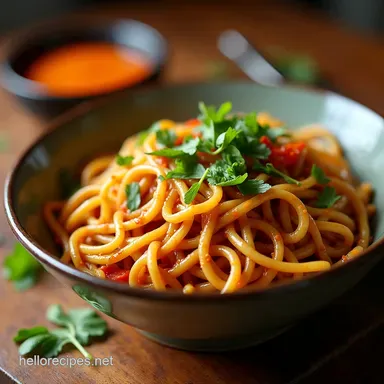
Blitzspeed Shanghai Lo Mein Restaurant Flavour in 15 Minutes Flat
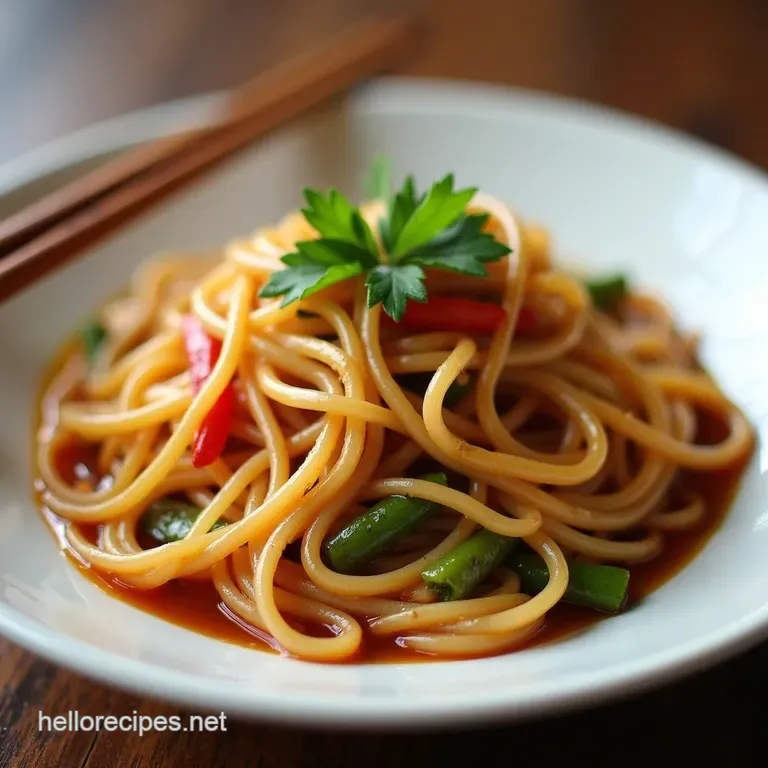
- The 15-Minute Wok Revolution: Why This Lo Mein is Your New Weeknight Hero
- Ditching Takeout: Achieving Authentic 'Wok Hei' Speedily
- Component Checklist: Assembling Your Speedy Stir-Fry Arsenal
- The Essential Sauce Matrix for Deep Flavour
- The Ultimate High-Heat Technique: Cooking in Stages
- Elevating Your Leftovers and Customizing the Dish
- Troubleshooting Common Stir-Fry Pitfalls
- Frequently Asked Questions
- 📝 Recipe Card
The 15-Minute Wok Revolution: Why This Lo Mein is Your New Weeknight Hero
When the craving for authentic, flavour packed takeout hits mid-week, the idea of waiting 45 minutes for delivery can be painful. That’s where the Lo Mein strides in as the culinary cavalry.
Forget complicated simmering or hours of chopping; this recipe for Blitz Speed Shanghai Weeknight Lo Mein is designed to deliver restaurant quality taste in mere minutes. This isn't just another noodle dish; it’s a high speed masterclass in achieving deep, satisfying flavour when you need yummy dinners fast.
We are aiming for a total cook time hovering around the 7-minute mark, proving that great food doesn't require a long commitment.
Ditching Takeout: Achieving Authentic 'Wok Hei' Speedily
The secret sauce to truly great stir fries often referred to as wok hei , or the "breath of the wok" is intense, relentless heat applied quickly to every ingredient.
While traditional Chinese cooking achieves this over a powerful commercial burner, we can closely mimic that effect at home using a dedicated, very hot wok and impeccable timing. The key to mastering this Easy Lo Mein Recipe is understanding that every second counts, which is why prep work is your most valuable tool.
A Weeknight Wonder: Flavor Without the Wait
This approach to the Lo Mein Recipe focuses on ingredients that cook rapidly or require no cooking at all (like the sauce components). We use thinly sliced protein chicken breast or shrimp and quick cooking vegetables such as cabbage and carrots cut into matchsticks.
The goal is to have everything sliced, diced, and ready for the wok before you even turn on the stove. This focus allows us to bypass lengthy sauté times, keeping the vegetables crisp tender and retaining their vibrant colour, which is crucial for a fresh tasting Quick Lo Mein .
Why Speed is Key to Great Homemade Lo Mein
If ingredients sit too long in the wok over medium heat, they steam rather than sear. Steamed vegetables release too much moisture, cooling down the wok and leading to a soggy, heavy final product.
High heat ensures that any moisture evaporates instantly, allowing the oils and seasonings to adhere directly to the food, creating that signature glossy coating that defines excellent Asian Noodles . Speed is what locks in texture and concentrates flavour.
Setting the Scene: Prepping for a Turbocharged Cook
To successfully execute this lightning fast cooking process, your station needs to be organized. Think of it like setting up a pit stop. Before you introduce any oil to the heat, ensure your protein is cut, your vegetables are uniform, your aromatics are minced, and your flavour base is mixed.
This discipline of preparation, known as mise en place , is non-negotiable for any successful stir fry, especially when aiming for Weeknight Dinner Noodles .
Component Checklist: Assembling Your Speedy Stir Fry Arsenal
Creating our Lo Mein Noodles Recipe involves gathering three core ingredient groups: the foundation (noodles), the substance (protein and veg), and the flavour binder (the sauce). Using 12 oz of dried Lo Mein Noodles provides four satisfying servings.
For the protein, 1 lb of thinly sliced chicken breast or shrimp is perfect, as they require only a couple of minutes of searing. Vegetable wise, we keep it simple but flavourful: one medium onion, one carrot julienned, and two cups of shredded green cabbage, alongside four stalks of scallions, ensuring we separate the white bases (for cooking) from the green tops (for garnish).
Related Recipes Worth Trying
- 15Minute Takeaway Triumph Easy Authentic Lo Mein — Ditch the delivery This easy Lo Mein recipe delivers authentic flavour in just 15 minutes Perfect your quick Lo Mein sauce for a speedy skillet meal
- 15Minute Quick Lo Mein Faster Than Your Takeaway Order — Tired of waiting for delivery This Easy Lo Mein Recipe delivers punchy flavour in under 20 minutes Master the Quick Lo Mein Sauce for perfect weeknight dinners
- Weeknight Winner Easy Chicken Chow Mein Takeout Fakeaway — Ditch the takeaway This Chicken Chow Mein recipe is better than your local Chinese Quick easy packed with flavour The perfect weeknight fakeaway
The Essential Sauce Matrix for Deep Flavour
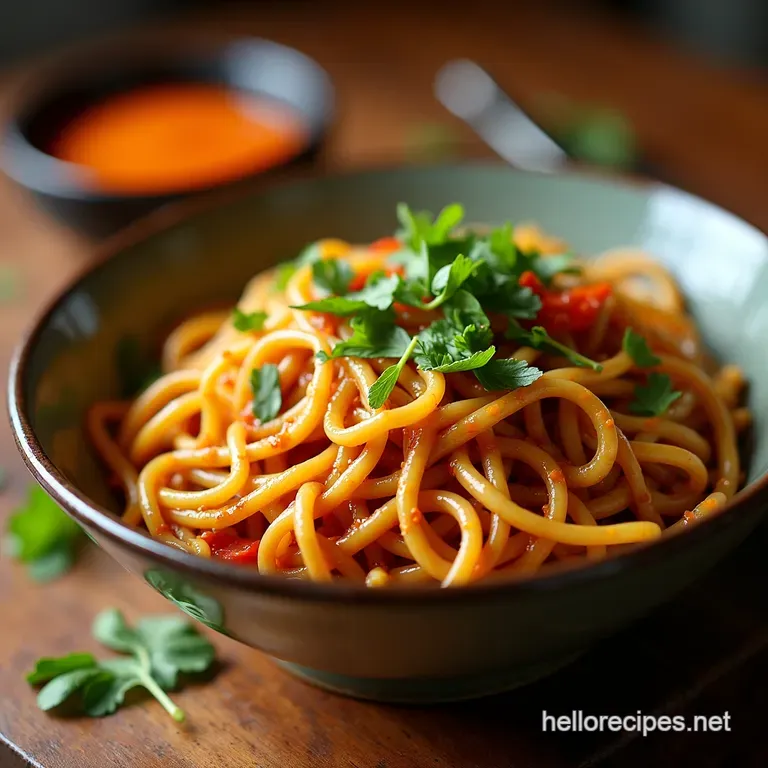
The sauce is where this dish transitions from bland noodles to something truly memorable. We are building layers of umami, salinity, and subtle sweetness, all balanced by acidity. This Homemade Lo Mein Sauce is the heart of the dish and must be ready to pour the moment the vegetables are crisp enough.
Noodle Selection: Choosing the Right Foundation
While specific Lo Mein wheat noodles are ideal, don't let a lack of specialty ingredients stop you. Dried spaghetti or even linguine makes a surprisingly effective substitute in a pinch.
The most important instruction here is to ensure they are cooked only until they are just shy of fully done about one minute less than the package directs. They need residual stiffness because they will finish cooking and absorb sauce while tossed in the wok.
Immediately draining and rinsing them with cold water halts the cooking process and prevents a sticky mess later.
Protein & Produce Pointers: Quick Cooking Choices
When slicing your protein (be it chicken, shrimp, or firm tofu), thin, uniform pieces are critical for even cooking. Harder vegetables like carrots and onions need a slight head start, so they should be cut into shapes that cook relatively quickly, like thin matchsticks or half moons.
Softer vegetables, like the cabbage, are added later to retain their satisfying, structural crunch.
Crafting the Signature Lo Mein Sauce Blend
In a small bowl, whisk together the core flavour builders: 4 tablespoons of low-sodium soy sauce, a teaspoon of dark soy sauce (primarily for that deep, appealing mahogany colour), 3 tablespoons of oyster sauce (or a suitable vegetarian alternative for depth), 1 tablespoon of rice vinegar for brightness, 1 teaspoon of brown sugar to balance the salt, and half a teaspoon of freshly ground black pepper.
This matrix needs no heating; it’s your flavour payload, ready for deployment.
Essential Prep: Mincing, Slicing, and Measuring
The aromatics three cloves of minced garlic and one teaspoon of grated fresh ginger must be ready. These powerful flavour agents release their essence quickly but burn just as fast.
Similarly, separate the white and green parts of your scallions; the whites go into the high heat sear, and the greens are reserved for a fresh, pungent finish.
The Ultimate High Heat Technique: Cooking in Stages
We utilize a large wok or the biggest pan you own, ensuring we use a neutral, high heat oil like peanut or canola. The entire cooking process is structured around maintaining extremely high temperatures to achieve rapid caramelization and searing rather than slow sautéing.
This technique is the bedrock of making Quick Dinner Recipes taste dynamic.
Step 1: Perfecting the Noodles Before the Wok
As mentioned, ensure your 12 oz of noodles are boiled until slightly underdone and rinsed cool. Toss them lightly with a drop of oil to ensure they don't clump together while you manage the stir fry components. They are waiting patiently on the side, ready for their moment of glory.
Step 2: Searing Proteins and Blistering Vegetables
Heat your wok until it’s almost smoking hot. Add 1 tablespoon of oil, then quickly add your 1 lb of protein. Sear aggressively for 2– 3 minutes until browned and cooked through, then immediately remove it from the wok and set it aside. This prevents overcooking.
Next, add the remaining 2 tablespoons of oil. Toss in the white parts of the scallions, garlic, and ginger. Stir fry for a mere 30 seconds until their fragrance blooms do not let them brown! Immediately follow with the carrots and onions, tossing vigorously for one minute.
Finally, introduce the cabbage and continue stirring for another minute or two until the vegetables are tender but still possess a notable snap.
Step 3: Introducing the Sauce Watch it Thicken Instantly
Return the seared protein to the wok, followed by the prepared noodles. Toss everything together briefly to distribute the heat. Now, pour the entire reserved Homemade Lo Mein Sauce mixture evenly over the ingredients.
Because the wok is so hot and the sugars in the sauce are concentrated, you will see it bubble and thicken almost instantly as it coats the noodles and vegetables.
Step 4: The Quick Finish: Ensuring Even Coating
Continue tossing and stirring for about 60 to 90 seconds. This is the phase where the noodles absorb the final moisture and fully cook through, taking on the rich colour of the soy sauces. Turn off the heat immediately once the sauce has reduced slightly and everything looks glossy and perfectly coated.
Elevating Your Leftovers and Customizing the Dish
This Lo Mein is truly dynamic. The foundation of soy, sesame, and oyster sauce provides a strong canvas for customization. If you find yourself with leftover roasted chicken or slightly wilted greens, they integrate beautifully into the final toss.
The beauty of this recipe is its adaptability, making it a fantastic staple for busy households looking for reliable, flavourful meals.
Troubleshooting Common Stir Fry Pitfalls
The main enemies of a great stir fry are low heat and overcrowding. If your pan doesn't seem hot enough, wait longer. If you are making a double batch, cook the protein and vegetables in two separate batches to ensure that vital searing happens.
Variation Nation: Swapping Ingredients for Dietary Needs
For those seeking gluten-free options, swapping standard noodles for rice noodles is seamless, provided you use Tamari instead of soy sauce in your blend. If you prefer a plant based meal, pressed, cubed, and lightly pan-fried firm tofu is an excellent protein substitute.
On top of that,, adding items like broccoli florets or even fresh bean sprouts in the final minute of cooking boosts the nutritional profile of these Quick Dinner Recipes .
Storage Secrets: Keeping Your Lo Mein Fresh
While best eaten immediately, any leftovers of this vibrant noodle dish should be stored in an airtight container in the refrigerator for up to three days. To reheat, the best method is to add a tiny splash of water or broth to the pan while stir frying on medium heat; this helps reintroduce steam and prevents the noodles from drying out too severely.
Heat Control Hacks for Beginners
If you are nervous about the high heat demands, use your largest pan and focus on cooking the protein and vegetables in stages. Cook the protein, remove it. Cook the vegetables in two batches if necessary, adding a teaspoon of oil between each, then combine everything for the sauce toss.
This prevents the pan from cooling down too much.
Garnish Gallery: The Finishing Touches That Matter
The final flourish is essential for both aroma and texture. We reserved the green parts of the scallions for this moment their freshness cuts through the richness of the sauce beautifully.
A scattering of toasted sesame seeds adds a subtle nutty crunch, and for those who enjoy a little fire, a drizzle of high-quality chilli oil adds another dimension to this already superb Lo Mein .
Frequently Asked Questions
My Lo Mein always ends up tasting a bit bland or gluey, what's the secret to getting that restaurant flavour?
The secret lies in two things: speed and heat! Make sure your wok is absolutely scorching hot before you start frying this creates that smoky 'wok hei' flavour. Also, always undercook your noodles slightly, as they absorb the sauce and finish cooking in the final step; if they're fully cooked beforehand, they'll turn mushy.
I'm trying to make this Lo Mein recipe healthier; what are some good low-sodium swaps?
You're right to keep an eye on the salt! Swap out standard soy sauce for a low-sodium version, and replace some of the missing saltiness with acidity from a splash more rice vinegar or a squeeze of fresh lime juice.
For the oyster sauce, a vegetarian mushroom sauce is a great alternative, though you might need a tiny pinch of sugar to balance the flavour.
Can I prepare all the ingredients for this Speedy Lo Mein the night before?
Absolutely, that’s a smashing idea for a true weeknight rush! You can chop all your vegetables, mix your sauce completely, and even slice your protein ahead of time. Just make sure to store the noodles separately after boiling and rinsing, and keep them tossed in a little oil so they don't clump together into one solid block overnight.
What's the best way to store leftover Lo Mein, and does it taste alright the next day?
Store any leftovers in an airtight container in the fridge for up to three days; it keeps surprisingly well! When reheating, it will be much drier, so splash in a tablespoon of water or a tiny bit of soy sauce before microwaving or stirring quickly in a hot pan to bring the moisture back.
It’s always best eaten fresh, mind you, but it’s miles better than a cold pizza!
My wok is too small for this recipe; can I still make a decent batch of Lo Mein?
If you're trying to serve the whole family from one tiny pan, you'll definitely drop the temperature! The key here is cooking in batches, just like a professional chef. Cook the protein first, set it aside, then cook the vegetables in stages, and only bring it all back together at the end when you add the sauce and noodles.
Don't overcrowd the pan!
What vegetable variations work best if I don't have cabbage or carrots to hand?
Lo Mein is very forgiving, so feel free to raid the fridge crisper! Broccoli florets, sliced mushrooms, or crisp bell peppers are brilliant additions, just remember to add firmer veg earlier. If you manage to grab some bean sprouts, chuck those in right at the last minute for a lovely, satisfying crunch.
Blitzspeed Shanghai Lo Mein Restaurant Flavour I