White Christmas Sangria

- Time: Active 15 minutes, Passive 2 hours, Total 2 hours 15 minutes
- Flavor/Texture Hook: Crisp, effervescent, and botanical
- Perfect for: High end holiday hosting or minimalist festive gatherings
- Science of Sustainable Flavor Extraction
- Science Based Component Analysis
- Essential Tools for Precision Mixing
- Methodical Steps for Layered Flavors
- Navigating Common Beverage Pitfalls
- Creative Substitutions for Modern Palates
- Preservation and Sustainable Leftover Uses
- Pairing Sips With Festive Bites
- Recipe FAQs
- 📝 Recipe Card
Imagine the sound of a heavy glass carafe sliding across a marble countertop, followed by the sharp, crystalline shatter of carbonation as chilled Prosecco hits a base of macerated fruit. The air immediately fills with the scent of pine like rosemary and the tart, acidic snap of green apples.
This isn't just a drink; it's a sensory installation for your holiday party.
I learned the hard way that throwing everything into a bowl at once leads to a muddy, flat mess. One year, I prepped a batch eight hours early, and by the time guests arrived, the rosemary had turned bitter and the apples were a bruised, brownish gray. It was a lesson in the chemistry of oxidation and over extraction.
Now, I use a specific timing window that keeps the fruit "shatter crisp" while ensuring the vodka and Cointreau have enough time to pull the essential oils from the aromatics.
We are moving away from the overly sweet, juice heavy punches of the past. This version focuses on the structural integrity of a dry Sauvignon Blanc and the sharp acidity of 30 ml of fresh lemon juice. It's clean, innovative, and visually stunning with its palette of forest green and deep crimson.
Science of Sustainable Flavor Extraction
Ethanol Solvency: Alcohol acts as a powerful solvent that extracts non polar flavor compounds from rosemary and fruit skins more efficiently than water based liquids.
A two hour maceration period maximizes this extraction without reaching the point where bitter tannins or woody notes from the rosemary stems begin to dominate the profile.
CO2 Solubility: Keeping the Prosecco at near freezing temperatures before adding it to the mix is crucial because carbon dioxide is more soluble in cold liquids. This ensures the "fizz" lasts throughout the evening rather than dissipating the moment it hits the glass.
Quick Decision Table: Serving Size Calculator
| Servings | Wine & Prosecco | Fruit Quantity | Ideal Vessel |
|---|---|---|---|
| 5 People | 375 ml each | 1/2 specified amount | 1.5 Liter Pitcher |
| 10 People | 750 ml each | Full recipe amount | 3 Liter Glass Carafe |
| 20 People | 1.5 Liters each | 2x specified amount | Large Beverage Dispenser |
When preparing for larger groups, remember that the fruit takes up significant volume. Using a 3 liter carafe for 10 servings allows enough "headspace" to stir without splashing the delicate rosemary sprigs.
Science Based Component Analysis
| Ingredient | Science Role | Pro Secret |
|---|---|---|
| Dry White Wine | Acidic Base | Use a high acidity Sauvignon Blanc to cut through the sugar. |
| Granny Smith Apples | Texture & Acid | The high malic acid content prevents them from softening too quickly. |
| Fresh Rosemary | Essential Oils | Slap the sprigs against your palm to rupture oil glands before adding. |
| Light Agave | Viscosity | Dissolves instantly in cold liquid unlike granulated sugar. |
Selecting the right wine is the most important technological choice you'll make here. A Pinot Grigio offers a neutral, clean canvas, but a New Zealand Sauvignon Blanc introduces tropical notes that play beautifully with the Cointreau. If you are looking to round out your holiday spread, this bright acidity pairs exceptionally well with the rich, buttery profile of my Grandmas Thanksgiving Stuffing recipe, which provides a savory counterpoint to the fruit.
Essential Tools for Precision Mixing
To achieve a high level gastronomy result at home, your equipment matters. You'll need a large glass pitcher - ideally one with a narrow neck to minimize the surface area exposed to oxygen. This helps preserve the Prosecco's bubbles once it's added.
Avoid plastic vessels; they can harbor microscopic scents from previous uses that interfere with the delicate pear and rosemary notes.
A long handled bar spoon is another non negotiable. You want to be able to reach the bottom of the pitcher to ensure the 60 ml of light agave is fully integrated into the 120 ml of vodka and wine base.
For the fruit, a sharp mandoline or a high-quality chef's knife is necessary to get those 1/2 inch cubes of Granny Smith apples uniform. Uniformity isn't just about aesthetics; it ensures that every guest gets a consistent ratio of fruit to liquid in their glass.
Finally,, consider your ice. If you want to be truly innovative, use large clear ice spheres or even frozen cranberries as "ice cubes." Standard small ice cubes melt too fast, leading to the "dilution disaster" that ruins the sophisticated mouthfeel of the Cointreau and wine blend.
Methodical Steps for Layered Flavors
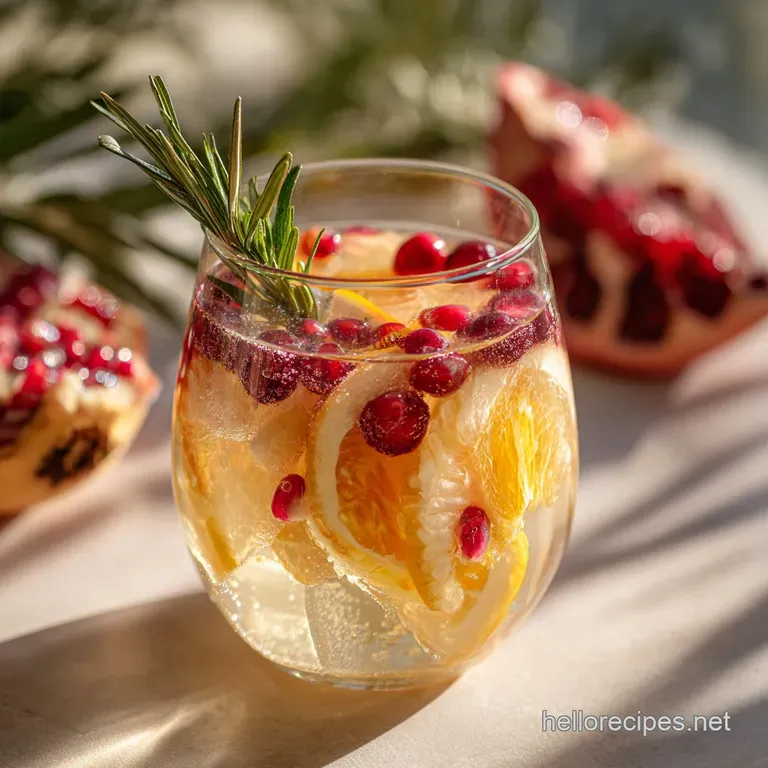
Prepare the fruit base. Dice the 2 large Granny Smith apples into 1/2 inch cubes and slice the Bosc pear into thin wedges. Note: Keeping the skin on the pear adds structural integrity and a pop of color.
Activate the aromatics. Take the 5 fresh rosemary sprigs and slap them once or twice against your hand to release the oils. Observe the immediate herbal aroma.
Begin the maceration. In your large pitcher, combine the 120 ml of premium vodka, 60 ml of Cointreau, and 60 ml of light agave. Note: Agave is more sustainable and has a lower glycemic index than refined syrups.
Add the structural fruit. Toss in the diced apples, pear wedges, 150g fresh cranberries, and 60g pomegranate arils. Ensure the fruit is submerged in the spirits.
Integrate the base wine. Pour in the 750 ml of dry white wine and the 30 ml of fresh lemon juice. Stir gently with a long spoon until the agave is fully dissolved.
Chill and infuse. Place the pitcher in the refrigerator for 2 hours. Watch for the cranberries to slightly plump.
Prepare for service. Just before your guests arrive, remove the pitcher from the fridge. Note: Do not add the bubbles until the very last second.
Add the effervescence. Slowly pour the 750 ml of chilled Prosecco down the side of the pitcher. Witness the bubbles rising through the fruit layers.
Final stir. Give it one extremely gentle fold to move the fruit without de fizzing the Prosecco.
Garnish and pour. Serve in wine glasses, ensuring each glass gets a mix of fruit and a fresh rosemary sprig. Enjoy the crisp, velvety finish.
For a sweet treat to serve alongside this refreshing drink, the warm spices in my Chewy Classic Molasses recipe create a brilliant flavor bridge between the rosemary in the drink and the ginger in the cookies.
Navigating Common Beverage Pitfalls
Why Your Sangria Is Too Tart
If the 30 ml of lemon juice combined with the tart cranberries feels overwhelming, the balance of "Brix" (sugar content) is off. This often happens if your apples aren't particularly sweet or if the wine is exceptionally bone dry.
| Problem | Root Cause | Solution |
|---|---|---|
| Overly Tart | Excess lemon/acid | Add 15 ml more agave and stir gently. |
| Flat Bubbles | Added Prosecco too early | Only add sparkling wine right before pouring. |
| Bitter Aftertaste | Rosemary left too long | Remove rosemary sprigs after 3 hours of infusion. |
Why Your Fruit Is Sinking
Fruit density varies. Usually, apples float while pomegranate arils sink. If all your fruit is huddled at the bottom, it's often because it has become waterlogged from sitting too long. Keep the maceration to that 2 hour sweet spot to maintain the "shatter crisp" texture of the apples.
Common Mistakes Checklist:
- ✓ Forget to slap the rosemary (essential for oil release)
- ✓ Using room temperature Prosecco (kills the bubbles instantly)
- ✓ Adding the lemon juice too late (it needs to prevent apple oxidation during maceration)
- ✓ Over stirring once the Prosecco is in (will lead to a flat drink)
- ✓ Using "cooking wine" instead of a drinkable dry white
Creative Substitutions for Modern Palates
| Original Ingredient | Substitute | Why It Works |
|---|---|---|
| Cointreau (60 ml) | Grand Marnier | Adds a deeper, oaky orange flavor. Note: Slightly changes color to gold. |
| Prosecco (750 ml) | Sparkling Apple Cider | Provides a lower alcohol, crisp orchard finish. |
| Light Agave (60 ml) | Honey Syrup | Adds floral notes. Note: Must be thinned with water first. |
Chef's Tip: If you want to keep the drink crystal clear but still want a punch of flavor, try freezing the cranberries beforehand. They act as sustainable ice cubes that won't dilute the wine as they thaw.
If you are planning a multi course celebration, you might find that your guests appreciate a variety of beverage options. For those looking for a different vibe, my Traditional New Year recipe features flavors that complement the botanical nature of this sangria perfectly.
Preservation and Sustainable Leftover Uses
Storage Guidelines: This White Christmas Sangria is best enjoyed within 4 hours of adding the Prosecco. However, if you have leftovers, you can store the mixture in the fridge for up to 24 hours.
Just know that the bubbles will be gone, leaving you with a still white wine punch. If you know you won't finish it, don't add the Prosecco to the whole pitcher - add it to individual glasses instead.
- Boozy Fruit Compote
- Don't throw away the macerated fruit! Simmer the leftover apples, pears, and cranberries with a splash of water and a cinnamon stick to create a sophisticated topping for oatmeal or yogurt.
- Sangria Ice Cubes
- Strain the liquid and freeze it in ice cube trays. These are perfect for dropping into a simple glass of club soda later in the week for a quick "mock sangria."
- Rosemary Simple Syrup
- If you have extra rosemary, boil it with equal parts sugar and water to create a syrup for future cocktails or to sweeten your morning tea.
Pairing Sips With Festive Bites
The gastronomy of this drink relies on high acidity and herbal notes, which means it needs food that can stand up to that brightness. I love serving this alongside a charcuterie board featuring sharp white cheddar and creamy goat cheese.
The fat in the cheese is beautifully "cleansed" from the palate by the Sauvignon Blanc and lemon juice.
For a larger meal, consider seafood. A lemon butter shrimp or a tray of oysters would be an innovative pairing. The saline quality of the seafood highlights the mineral notes in the wine. If you're going the dessert route, skip the chocolate and go for something fruity.
A slice of tart cranberry cake or even a pear tart will echo the ingredients in the pitcher, creating a cohesive flavor experience for your guests.
If you want X, do Y:
- For more color: Increase the pomegranate arils to 100g and give them a light smash before adding.
- For a stronger kick: Increase the vodka to 180 ml and reduce the wine by the same amount.
- For a family friendly version: Swap the wine for white grape juice and the Prosecco for ginger ale.

Recipe FAQs
Can I use frozen fruit instead of fresh for this White Christmas Sangria?
No, stick with fresh. Frozen fruit releases excess water as it thaws, which can dilute the sangria and muddy the flavors. This recipe relies on the crispness and distinct taste of fresh apples and pears.
How long should the White Christmas Sangria infuse before serving?
Two hours is ideal. This allows the vodka and Cointreau to extract aromatic oils from the rosemary and flavors from the fruit without becoming bitter or oxidized.
What kind of white wine is best for this sangria?
A dry, high acidity white wine is crucial. Sauvignon Blanc is excellent for its tropical notes, but a crisp Pinot Grigio also works well, offering a clean canvas. This acidity is key to balancing the sweetness.
Why is my rosemary becoming bitter in the sangria?
You likely infused it for too long. Rosemary contains oils that can turn bitter if left to macerate for more than a few hours. For this recipe, the two-hour infusion period is sufficient before adding the Prosecco.
How do I keep the bubbles in the sangria once I add the Prosecco?
Add the Prosecco just before serving and stir gently. Pour it down the side of the pitcher to minimize disruption, and give it only one very light fold to integrate. Also, ensure the Prosecco is very cold, as carbonation is more soluble in chilled liquids.
Can I make this sangria ahead of time?
Yes, but with a caveat. You can prepare the fruit and spirit base up to 24 hours in advance and refrigerate it. However, only add the Prosecco right before serving to maintain its effervescence.
What food pairs well with this White Christmas Sangria?
Think bright and complementary flavors. Its crisp acidity pairs wonderfully with creamy cheeses on a charcuterie board, or delicate seafood like lemon butter shrimp. For a festive treat, the warm spices in my Chewy Classic Molasses recipe create a delightful contrast.
White Christmas Sangria
Ingredients:
Instructions:
Nutrition Facts:
| Calories | 232 kcal |
|---|---|
| Protein | 0.4 g |
| Fat | 0.2 g |
| Carbs | 23.4 g |
| Fiber | 1.6 g |
| Sugar | 17.8 g |
| Sodium | 6 mg |
