White Chicken Enchiladas: Silky & Tangy
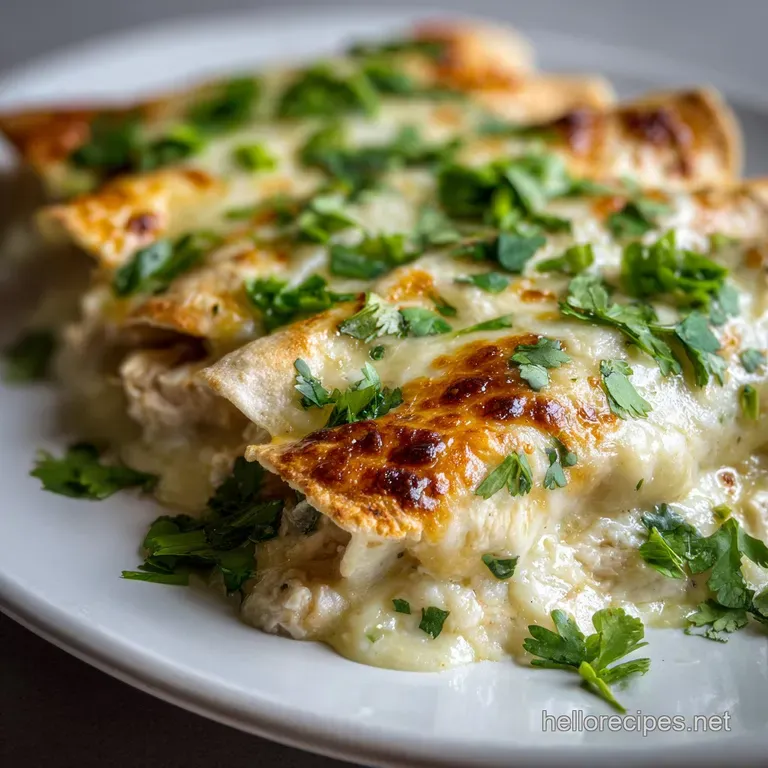
- Time: Active 15 minutes, Passive 25 minutes, Total 40 minutes
- Flavor/Texture Hook: Silky, tangy sauce with a molten, bubbly Monterey Jack finish
- Perfect for: High efficiency weeknight dinners or sustainable meal prep
- Crafting the Ultimate Velvety White Chicken Enchiladas
- The Science of Starch Gelatinization
- Molecular Analysis of Key Components
- Essential Elements and Innovative Substitutions
- Engineering the Perfect Assembly
- Mastering the Texture Balance
- Precision Scaling Guidelines
- Debunking Gastronomy Myths
- Sustainable Storage and Zero Waste
- Innovative Presentation and Garnishing
- High in Sodium
- Recipe FAQs
- 📝 Recipe Card
Crafting the Ultimate Velvety White Chicken Enchiladas
The sound of a whisk scraping against stainless steel is the rhythm of my kitchen. Last Tuesday, as the sun dipped low, I stood over the stove, watching 42g of unsalted butter transform from a solid block into a foaming, nutty liquid.
It is that precise moment the sizzle of the butter meeting the 24g of all purpose flour that defines the success of this dish. The aroma of green chiles hitting that warm base is an olfactory trigger that tells me the flavor layers are aligning perfectly.
I remember the first time I attempted this without a proper roux; I ended up with a split, grainy mess that lacked any form of culinary sophistication. Now, I approach these White Chicken Enchiladas with a focus on gastronomy and texture.
We aren't just making dinner; we are engineering a balance between the richness of Monterey Jack and the bright, fermented tang of sour cream. It is about using sustainable techniques, like repurposing a high-quality rotisserie chicken, to create something that feels entirely innovative.
We’ve all had those soggy, uninspired versions of this dish. But what about the structural integrity? We'll get to that. By managing the hydration of the tortillas and the viscosity of our white sauce, we ensure a finished product that is elegant rather than heavy.
Trust me on this: once you understand the science of the emulsion, you'll never go back to the canned soup methods of the past.
The Science of Starch Gelatinization
Amylopectin Expansion: When we cook the flour in butter, the starch granules swell and burst, creating a network that traps chicken broth into a stable, thick matrix.
Emulsification Stability: Adding the sour cream off heat prevents the proteins from denaturing too quickly, which is what usually causes that dreaded curdled appearance in dairy based sauces.
| Method | Time | Texture | Best For |
|---|---|---|---|
| Standard Oven | 25 minutes | Uniformly bubbly and soft | Classic family style |
| Convection/Air Fry | 15 minutes | Crispy tortilla edges | Contrast seekers |
| Broiler Finish | 3 mins extra | Charred, nutty cheese notes | Maximum flavor depth |
The choice of cooking method significantly impacts the final gastronomy of the dish. While the standard oven method provides a consistent, velvety finish, a convection setting can introduce a delightful "shatter" to the exposed edges of the flour tortillas, adding a necessary contrast to the creamy interior.
Molecular Analysis of Key Components
Understanding why we use specific weights and volumes allows us to manipulate the final outcome with precision. In this recipe, the ratio of fat to starch is the foundation of our velvet like sauce.
| Ingredient | Science Role | Pro Secret |
|---|---|---|
| Monterey Jack (225g) | High moisture meltability | Grate it fresh to avoid cellulose coating |
| Chicken Broth (480ml) | Umami hydration base | Use low sodium to control the mineral profile |
| Sour Cream (240g) | Acidic emulsifier | Add at room temperature to prevent thermal shock |
Essential Elements and Innovative Substitutions
To achieve the best results with these White Chicken Enchiladas, high-quality components are non negotiable. I always recommend sourcing a locally raised rotisserie chicken if possible; the fat content in the skin and dark meat adds a layer of depth that lean breasts alone cannot provide.
- 3 cups (450g) shredded rotisserie chickenWhy this? Provides pre developed Maillard flavors and tender texture.
- 2 cups (225g) shredded Monterey Jack cheeseWhy this? Superior melting point compared to aged cheddars.
- 8 large (8 inch) soft flour tortillasWhy this? Acts as a neutral starch vessel for the sauce.
- 3 tbsp (42g) unsalted butter
- 3 tbsp (24g) all purpose flour
- 2 cups (480ml) low sodium chicken broth
- 1 cup (240g) sour cream
- 1 can (4 oz / 113g) diced green chiles
- 0.5 tsp (2.5g) each garlic and onion powder
- 0.25 tsp (1.5g) salt and (1.2g) black pepper
| Original Ingredient | Substitute | Why It Works |
|---|---|---|
| Monterey Jack | Pepper Jack | Adds capsaicin heat without altering melt physics |
| Sour Cream | Greek Yogurt (full fat) | Higher protein content; adds a sharper acidic bite |
| Flour Tortillas | Corn Tortillas | Note: More fragile; requires light frying to prevent tearing |
For those looking to expand their repertoire of poultry based dishes, the flavor profile here is quite different from the earthy notes found in a Chicken Cacciatore recipe, focusing instead on lactic acidity and mild heat.
Engineering the Perfect Assembly
- Hydrate the protein. Combine the 450g of shredded chicken with 112g (half) of the Monterey Jack, garlic powder, and onion powder. Note: This creates a cohesive filling that won't fall out when sliced.
- Initialize the roux. Melt 42g of butter in a saucepan over medium heat until it stops foaming.
- Incorporate the starch. Whisk in the 24g of flour until the mixture smells slightly toasted and pale gold.
- Slow stream hydration. Gradually pour in the 480ml of chicken broth, whisking constantly until the sauce thickens and coats the back of a spoon.
- Layer the aromatics. Remove from heat and stir in the 113g of green chiles, 240g of sour cream, salt, and pepper.
- Load the vessels. Place roughly 1/8th of the chicken mixture into each of the 8 tortillas.
- Roll with tension. Roll the tortillas tightly and place them seam side down in a 9x13 inch baking dish. Note: Seam side down prevents the tortillas from unfurling during the bake.
- Apply the emulsion. Pour the velvety white sauce evenly over the top of the assembled rolls.
- Cap with fat. Sprinkle the remaining 113g of Monterey Jack over the sauce.
- Execute the bake. Bake at 175°C (350°F) for 25 minutes until the cheese is molten and the edges are bubbling vigorously.
Chef's Tip: Freeze your block of Monterey Jack for 10 minutes before grating. This prevents the soft cheese from clumping and ensures a more uniform melt across the top of the dish.
Mastering the Texture Balance
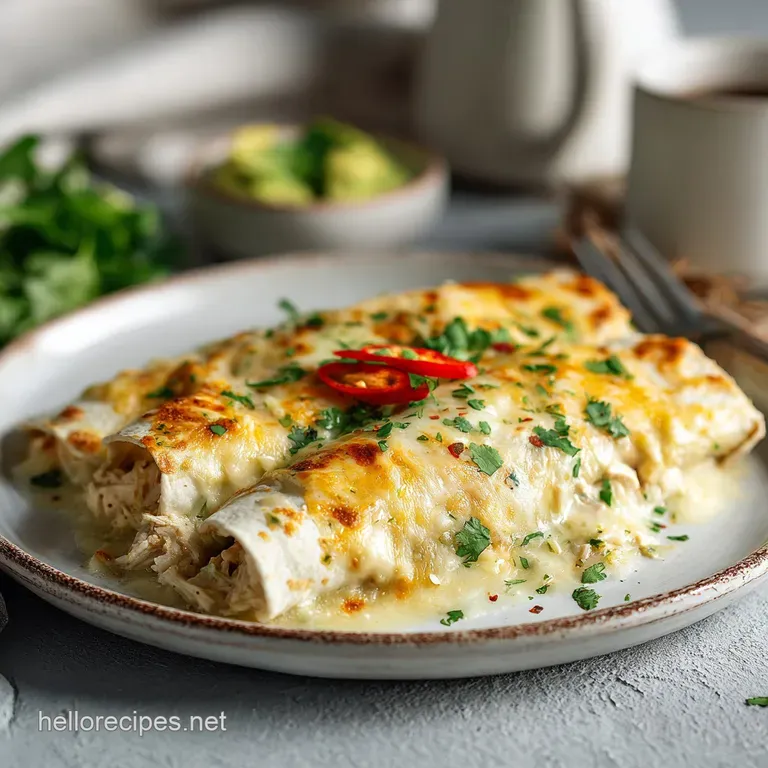
One of the biggest hurdles in any cream based casserole is maintaining a silky mouthfeel without separation. If your sauce feels thin, you likely didn't cook the roux long enough to activate the starches.
Why Your Sauce Separated
If the sauce looks oily or "broken," it’s often due to the sour cream being added to a boiling liquid. High heat causes the dairy fats to separate from the water. Always pull the pan off the burner before stirring in your sour cream to maintain that innovative, glossy texture.
| Problem | Root Cause | Solution |
|---|---|---|
| Soggy Tortillas | Excess sauce at bottom | Flash fry tortillas in oil for 5 seconds per side first |
| Grainy Sauce | Flour not cooked enough | Ensure the roux bubbles for at least 1 minute before adding broth |
| Dry Filling | Overcooked chicken | Fold 2 tablespoons of the finished sauce into the chicken before rolling |
If you enjoy the creamy nature of this dish but want a lower effort version for busy days, you might find the "set it and forget it" nature of a Crockpot Italian Chicken recipe more suited to your schedule.
Common Mistakes Checklist
- ✓ Grate your own cheese to avoid the anti clumping agents that prevent a smooth melt.
- ✓ Use room temperature sour cream to ensure a seamless emulsion with the hot broth.
- ✓ Don't skip the "toasting" phase of the flour; it removes the raw grain taste.
- ✓ Lightly coat the bottom of the baking dish with a spoonful of sauce to prevent sticking.
- ✓ Let the dish rest for 5 minutes after baking to allow the internal temperature to stabilize.
Precision Scaling Guidelines
Adapting this recipe for different group sizes requires more than just simple math. The surface area of your baking dish affects how the sauce evaporates and how the cheese browns.
- Scaling Down (2-3 servings): Use a 9x5 loaf pan and reduce the bake time by 5 minutes. You can use half a rotisserie chicken and freeze the rest for later.
- Scaling Up (12 servings): Use two separate 9x13 dishes rather than one deep pan. This ensures the heat penetrates the center of the rolls without burning the cheese on top.
- Starch Adjustment: If doubling the liquid, only increase the salt by 1.5x to prevent the dish from becoming overly saline as it reduces in the oven.
Debunking Gastronomy Myths
Many believe that "more sauce is always better." In reality, over saturating the tortillas leads to a loss of structural integrity, resulting in a mushy texture. The 480ml of broth specified is the scientific "sweet spot" for 8 tortillas.
Another common misconception is that you must use heavy cream for a rich sauce. The combination of a flour based roux and sour cream actually provides a more complex flavor profile because the lactic acid in the sour cream cuts through the fat, preventing the palate from becoming "fat fatigued."
Sustainable Storage and Zero Waste
Storage: Store leftovers in an airtight container in the fridge for up to 4 days. The starch in the tortillas will continue to absorb moisture, so the leftovers will be softer than the fresh bake.
Freezing: This dish freezes exceptionally well. I recommend freezing the assembled rolls and the sauce separately. Thaw both in the fridge overnight before combining and baking. Frozen sauce may need a quick whisk after thawing to restore the emulsion.
Zero Waste Tip: Don't toss the bones from your rotisserie chicken! Simmer them with onion scraps and celery ends for 4 hours to create a homemade bone broth that you can use the next time you make this recipe.
It’s an innovative way to maximize your ingredients and reduce kitchen waste.
Innovative Presentation and Garnishing
To elevate the visual appeal of these White Chicken Enchiladas, consider the contrast of colors. The monochromatic nature of the white sauce and Monterey Jack benefits from a pop of vibrant green.
- The Restaurant Garnish: Use a squeeze bottle to drizzle extra sour cream in thin, precise lines across the top.
- Texture Additions: Sprinkle toasted pepitas (pumpkin seeds) over the finished dish for a nutty "shatter" that contrasts the velvety sauce.
- Acidic Balance: Serve with a side of quick pickled red onions. The bright pink hue and sharp vinegar notes provide a necessary counterpoint to the rich, savory filling.
When thinking about pairings, this dish works beautifully alongside a bright citrus salad. If you're looking for more inspiration on how to utilize poultry in creative ways, the techniques found in our Savory Chicken Thighs recipe also emphasize the importance of sauce consistency and pan searing.

High in Sodium
967 mg mg of sodium per serving (42% % of daily value)
The American Heart Association recommends limiting sodium intake to no more than 2,300mg per day for most adults. Aim for even less ideally, no more than 1,500mg per day for even greater heart health benefits.
Tips to Reduce Sodium in Your Chicken Enchiladas
-
DIY Broth-30%
Prepare your own chicken broth from scratch or use a no-sodium added broth. This simple swap drastically reduces the sodium content.
-
Low-Sodium Cheese-15%
Opt for a low-sodium Monterey Jack cheese. You can also use half the amount of cheese and supplement with other fillings.
-
Fresh Chiles-20%
Replace the canned diced green chiles with freshly chopped green bell peppers or jalapeños for flavor without the added sodium.
-
Omit Added Salt-25%
Completely eliminate the added salt (0.25 tsp) in the recipe. The other ingredients already contribute sodium.
-
Control the Chicken-15%
Rotisserie chicken can be high in sodium. Roast your own chicken without added salt or seasonings for a sodium controlled option. Alternatively, rinse the rotisserie chicken to remove surface sodium.
-
Flavor Boost
Enhance the flavor with fresh herbs and spices like cumin, chili powder (sodium free), oregano, or smoked paprika. These additions can offset the need for salt.
Recipe FAQs
Can I use corn tortillas instead of flour?
Yes, but with caution. Corn tortillas are more fragile and can tear easily. Lightly frying them for a few seconds per side can help them hold up better to the sauce.
My sauce looks separated and oily. What happened?
This usually means the sour cream was added to boiling liquid. High heat causes dairy fats to separate. Always remove the pan from the heat before stirring in the sour cream to maintain a glossy texture.
How can I make this dish ahead of time?
Yes, assembly can be done 24 hours in advance. Assemble the enchilada rolls and place them in the baking dish, but hold off on adding the sauce and cheese until you're ready to bake.
What's the best way to reheat leftovers?
The oven is best for reheating. Place leftovers in a baking dish, cover with foil, and bake at 150°C (300°F) until heated through. Microwaving can sometimes lead to a softer tortilla texture.
Can I make this spicier?
Absolutely. For added heat, substitute the Monterey Jack cheese with Pepper Jack, or stir in a pinch of cayenne pepper with the green chiles. You can also add a dash of hot sauce to individual servings.
Why is my sauce grainy?
This indicates the flour wasn't cooked long enough in the roux. Ensure the flour and butter mixture (roux) bubbles for at least a minute before adding the broth to cook out the raw flour taste and thicken properly.
How do I store white chicken enchiladas for meal prep?
Airtight containers in the refrigerator are ideal. Leftovers will keep for up to 4 days. The tortillas will absorb more moisture over time, so they'll be softer than when freshly baked. If you enjoyed mastering the emulsion here, you can apply similar principles to our Ultimate Creamy Chicken Alfredo The Secret to a Stable Velvety Sauce.
White Chicken Enchiladas
Ingredients:
Instructions:
Nutrition Facts:
| Calories | 629 kcal |
|---|---|
| Protein | 38.3 g |
| Fat | 31.8 g |
| Carbs | 37.2 g |
| Fiber | 2.3 g |
| Sugar | 2.1 g |
| Sodium | 967 mg |
