White Barbecue Chicken with Zesty Emulsion
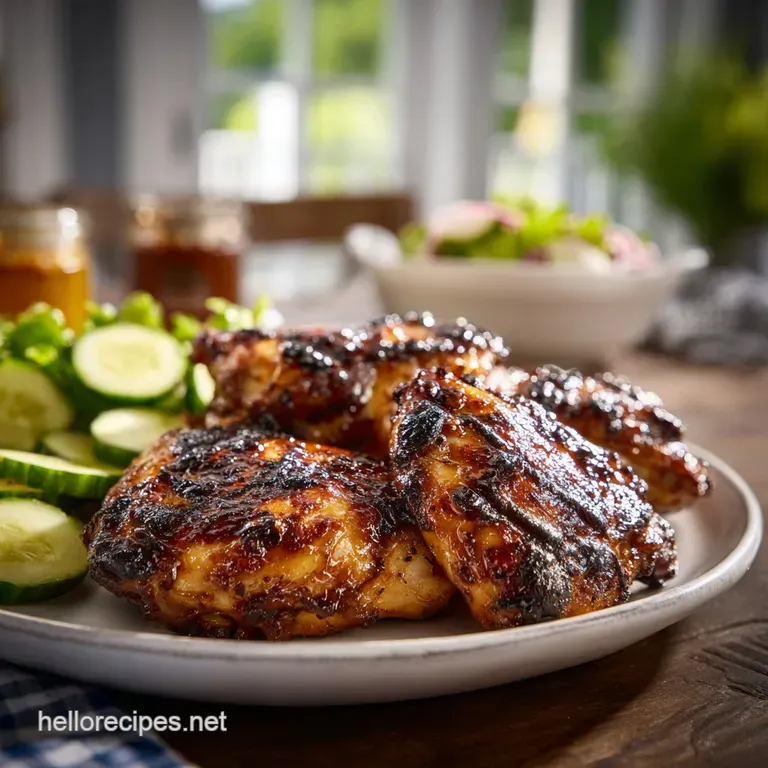
- Time: Active 15 minutes, Passive 45 minutes, Total 1 hours
- Flavor/Texture Hook: Shatter crisp skin meets a velvety, zesty, and pepper forward emulsion
- Perfect for: High flavor weeknight dinners or a sustainable meal prep rotation
- The Innovative Magic of White Barbecue Chicken
- The Gastronomy of Emulsified Fat Barriers
- Component Analysis for Peak Results
- Sourcing high-quality Raw Components
- Essential Culinary Technology and Tools
- Sensory Driven Cooking Execution
- Correcting Common Gastronomic Errors
- Sustainable Flavor Adaptations
- Challenging Culinary Myths
- Preservation and Waste Reduction
- Final Plating and Presentation
- Critical in Sodium
- Recipe FAQs
- 📝 Recipe Card
The Innovative Magic of White Barbecue Chicken
Imagine the sharp, stinging aroma of apple cider vinegar hitting a hot cast iron skillet, followed immediately by the scent of cracked black pepper toasting against rendered chicken fat.
Most people think of thick, sugary red sauces when they hear "BBQ," but the first time I saw a jar of Alabama white sauce, I was skeptical. It looked like salad dressing. Then I brushed it onto a charred, bone in thigh and watched the emulsion bubble and caramelize into something completely different.
It wasn't sticky sweet; it was tangy, creamy, and carried a horseradish kick that cleared my sinuses and made me reach for another piece.
We've all suffered through dry, stringy poultry that needs a gallon of sauce just to be edible. This White Barbecue Chicken method changes the technical approach. By using a mayonnaise base, we're essentially applying a fat rich insulator to the protein.
It’s a sustainable way to cook because it’s incredibly forgiving, even if your grill temp fluctuates or you leave the oven on five minutes too long. You're going to love how the vinegar cuts through the richness of the skin, creating a flavor profile that feels much more sophisticated than a standard backyard cookout.
This isn't just a recipe; it's an exploration of how we can use common pantry staples like horseradish and Dijon to create a high performance meal. We're going to focus on achieving that specific "shatter" texture on the skin while keeping the interior velvety.
Whether you're using a grill or a standard kitchen oven, the results remain consistent because the science behind the sauce is sound. Let's get into how this works and why it's about to become your new favorite way to prep poultry.
The Gastronomy of Emulsified Fat Barriers
Thermal Insulation: The mayonnaise base acts as a protective lipid layer, slowing down moisture evaporation and preventing protein strands from tightening too quickly.
Acidic Tenderization: Apple cider vinegar and lemon juice work together to gently break down surface collagen, resulting in a more tender bite.
Maillard Reaction Catalyst: The small amounts of sugar in the vinegar and the proteins in the mayo accelerate browning, creating a complex, savory crust.
Volatile Flavor Suspension: The thick emulsion traps the volatile compounds of the horseradish and cayenne, ensuring they don't just burn off in the heat.
| Thickness | Internal Temp | Rest Time | Visual Cue |
|---|---|---|---|
| 1.5 inch (Small Thigh) | 175°F | 5 minutes | Juices run completely clear |
| 2 inch (Large Thigh) | 175°F | 7 minutes | Bone separates easily from meat |
| 2.5 inch (Extra Large) | 175°F | 8 minutes | Skin is mahogany and firm |
Cooking bone in thighs to a higher internal temperature than breasts (175°F vs 165°F) is a critical technique. This allows the connective tissue to fully melt into gelatin, which provides that silky mouthfeel we’re aiming for.
It’s a simple shift in culinary technology that makes a massive difference in the final product.
Component Analysis for Peak Results
| Ingredient | Science Role | Pro Secret |
|---|---|---|
| Mayonnaise | Primary Emulsifier | Use full fat for the best heat stability and browning. |
| Apple Cider Vinegar | pH Regulator | Organic, "with the mother" varieties provide a more complex acidity. |
| Prepared Horseradish | Pungency Agent | Freshly opened jars contain more active isothiocyanates for better "zip." |
| Smoked Paprika | Color/Aroma | Provides a wood fired scent even if you're cooking indoors. |
A quick note on the mayonnaise: don't even think about using the low-fat version here. The fat content is exactly what protects the chicken. If you're looking for an alternative to the Creamy Tuscan Chicken recipe for your weekly rotation, this dish offers a similar richness but with a completely different, brighter flavor profile.
Sourcing high-quality Raw Components
- 1.4 kg bone in, skin on chicken thighs: Thighs are more sustainable and harder to overcook than breasts.
- 15 g kosher salt: Essential for dry brining and drawing out surface moisture.
- 10 g cracked black pepper: Provides the necessary "bite" to balance the creamy sauce.
- 5 g smoked paprika: Adds a deep, earthy aroma. Why this? It mimics the flavor of a real wood fired smoker.
- 5 g garlic powder: Ensures even distribution of flavor without the risk of burning fresh cloves.
- 240 ml mayonnaise: The structural base of our Alabama white sauce.
- 60 ml apple cider vinegar: The primary acid that cuts through the fat. Why this? It has a fruitier, softer profile than white vinegar.
- 15 ml prepared horseradish: For that signature nasal clearing heat.
- 10 g Dijon mustard: Acts as a secondary emulsifier to keep the sauce smooth.
- 15 ml fresh lemon juice: Brightens the heavy fats.
- 5 g Worcestershire sauce: Adds a necessary hit of umami and salt.
- 2 g cayenne pepper: Just enough to provide a back of-the throat warmth.
For a different texture, you could try this sauce on wings. It’s a great way to utilize the techniques learned in my How to Make recipe for crispy skin, just swapped with this zesty coating.
| Original Ingredient | Substitute | Why It Works |
|---|---|---|
| Apple Cider Vinegar | Rice Vinegar | Similar acidity. Note: Slightly sweeter and less "funky" than ACV. |
| Prepared Horseradish | Wasabi Paste | Both share the same spicy compound. Note: Use half the amount. |
| Dijon Mustard | Yellow Mustard | Provides the same emulsification. Note: Less complex flavor profile. |
Choosing the right substitute depends on your tolerance for heat and acidity. If you want a more mellow sauce, the rice vinegar swap is brilliant.
Essential Culinary Technology and Tools
You don't need a professional kitchen, but having a heavy bottomed pan like a cast iron skillet or a high-quality roasting rack is non negotiable. A rack allows hot air to circulate under the thighs, ensuring the skin on the bottom doesn't get soggy while the top crisps up.
It’s about managing the thermodynamics of the oven.
I also highly recommend using a digital meat thermometer. In the world of gastronomy, "guessing" is the enemy of consistency. Since we’re working with bone in poultry, you need to ensure the tip of the probe doesn't touch the bone, or you’ll get a false high reading.
A whisk is also better than a fork for the sauce; you want to vigorously incorporate the vinegar into the mayo to create a stable, velvety emulsion that won't break when it hits the heat.
Sensory Driven Cooking Execution
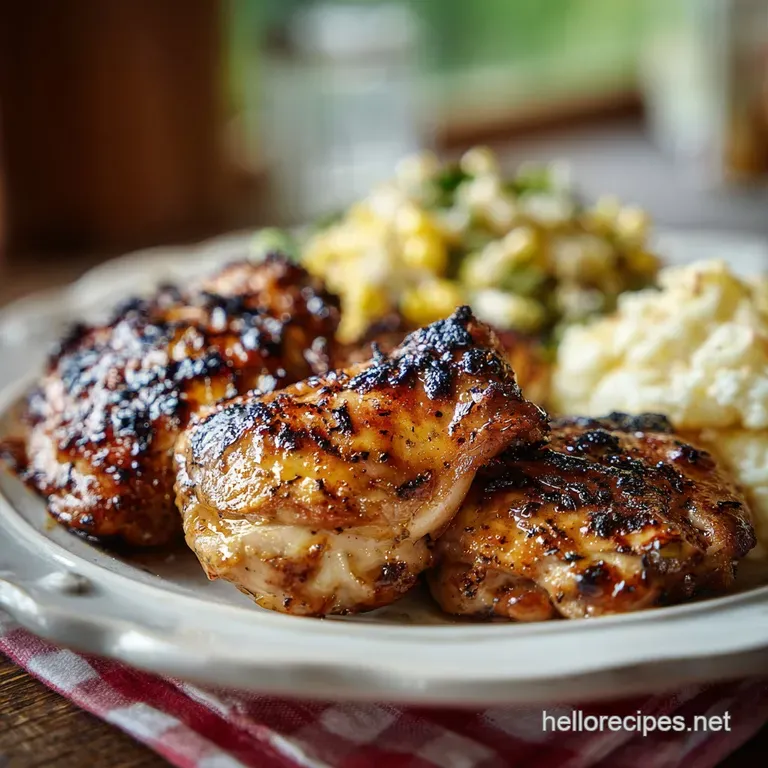
- Prep the poultry. Pat the 1.4 kg chicken thighs completely dry with paper towels. Note: Surface moisture is the enemy of crispy skin.
- Apply the rub. Mix the salt, pepper, paprika, and garlic powder, then coat the thighs thoroughly.
- Whisk the sauce. Combine the mayo, ACV, horseradish, Dijon, lemon juice, Worcestershire, and cayenne in a bowl. Smell for the sharp vinegar punch.
- Preheat the environment. Set your oven to 425°F (220°C) or prepare your grill for indirect medium high heat.
- Begin the roast. Place thighs skin side up on a rack over a baking sheet. Roast for 30 minutes until the skin looks tight and golden.
- Apply the first glaze. Brush a thin layer of the white sauce over each thigh. Listen for a gentle sizzle.
- Continue cooking. Roast for another 10-15 minutes until the sauce bubbles and starts to brown in spots.
- Check for doneness. Ensure the internal temperature reaches 175°F at the thickest part.
- The final dunk. Remove from heat and immediately dip or brush with another layer of fresh sauce.
- Rest the meat. Let the chicken sit for at least 5 minutes until the juices redistribute and the skin sets.
Correcting Common Gastronomic Errors
Why Your Skin Is Soggy
If the skin isn't "shattering" when you bite into it, the most likely culprit is steam. If you crowd the pan, the moisture released from the meat has nowhere to go, so it boils the skin instead of frying it in its own fat. Always leave at least an inch of space between each thigh.
Why Your Sauce Broke
If the sauce looks oily and separated after cooking, the heat was likely too direct or the emulsion wasn't stable to begin with. Make sure you whisk the mayo and vinegar until they are completely unified. Applying the sauce too early can also cause the oils to separate before the proteins can set.
| Problem | Root Cause | Solution |
|---|---|---|
| Bland meat | No dry brine | Salt the chicken at least 30 mins before cooking. |
| Burned sauce | Excessive sugar/heat | Apply sauce only in the last 15 mins of cooking. |
| Tough texture | Under cooking | Ensure bone in thighs reach at least 175°F. |
Common Mistakes Checklist
- ✓ Skipping the "pat dry" step (leads to rubbery skin)
- ✓ Using "Miracle Whip" instead of real mayonnaise (the flavor and chemistry are wrong)
- ✓ Touching the thermometer probe to the bone (gives a false reading)
- ✓ Forgetting to let the meat rest (all the moisture will run out on the plate)
- ✓ Applying the sauce to cold chicken (it won't adhere properly)
Sustainable Flavor Adaptations
Scaling for Large Batches
If you're doubling this for a party (2.8 kg of chicken), don't simply double the cayenne. Spices like cayenne and salt don't always scale linearly. I recommend using 1.5x the spices for a 2x batch, then tasting the sauce and adjusting.
You'll also want to work in batches if your oven isn't large enough to keep that essential space between the thighs.
Scaling Down for Two
For a smaller 0.7 kg batch, use a small toaster oven or a cast iron skillet. Reduce the cook time by about 5-8 minutes, as smaller quantities often cook faster due to better airflow. You can keep the remaining sauce in the fridge for a week; it’s incredible as a dip for roasted potatoes.
| Method | Time | Texture | Best For |
|---|---|---|---|
| Oven (Rack) | 45 minutes | Uniformly crisp | Consistent results every time |
| Cast Iron | 35 minutes | Deeply charred bottom | Extra flavor from rendered fat |
| Grill (Indirect) | 40 minutes | Smoky and rustic | Traditional outdoor flavor |
Challenging Culinary Myths
One of the biggest myths in BBQ is that you should only sauce the meat once. In reality, "layering" the sauce provides much more depth. The first layer you apply during the last 15 minutes of cooking undergoes the Maillard reaction, becoming savory and slightly sweet.
The second layer applied after cooking provides that raw, acidic "zing" that defines the Alabama style.
Another misconception is that bone in chicken is "harder" to cook. In fact, the bone acts as a thermal conductor, helping the meat cook more evenly from the inside out. It also adds a significant amount of flavor and moisture that you just can't get with boneless cuts.
Embracing the bone is a more sustainable way to eat, as these cuts are often less processed and more affordable.
Preservation and Waste Reduction
Storage: Keep leftover White Barbecue Chicken in an airtight container in the fridge for up to 4 days. The sauce will continue to soak into the meat, making it even more flavorful the next day. To reheat, avoid the microwave, which will turn the skin into rubber.
Instead, use a 350°F oven or an air fryer for 5 minutes to bring back the crunch.
Zero Waste: Don't throw away those chicken bones! Once you've finished the meat, throw the bones into a pot with some veggie scraps (onion skins, carrot ends) and water. Simmer for a few hours to make a rich, smoky stock.
Any leftover white sauce also makes a fantastic base for a creamy coleslaw or a dressing for a sustainable "kitchen sink" salad.
Final Plating and Presentation
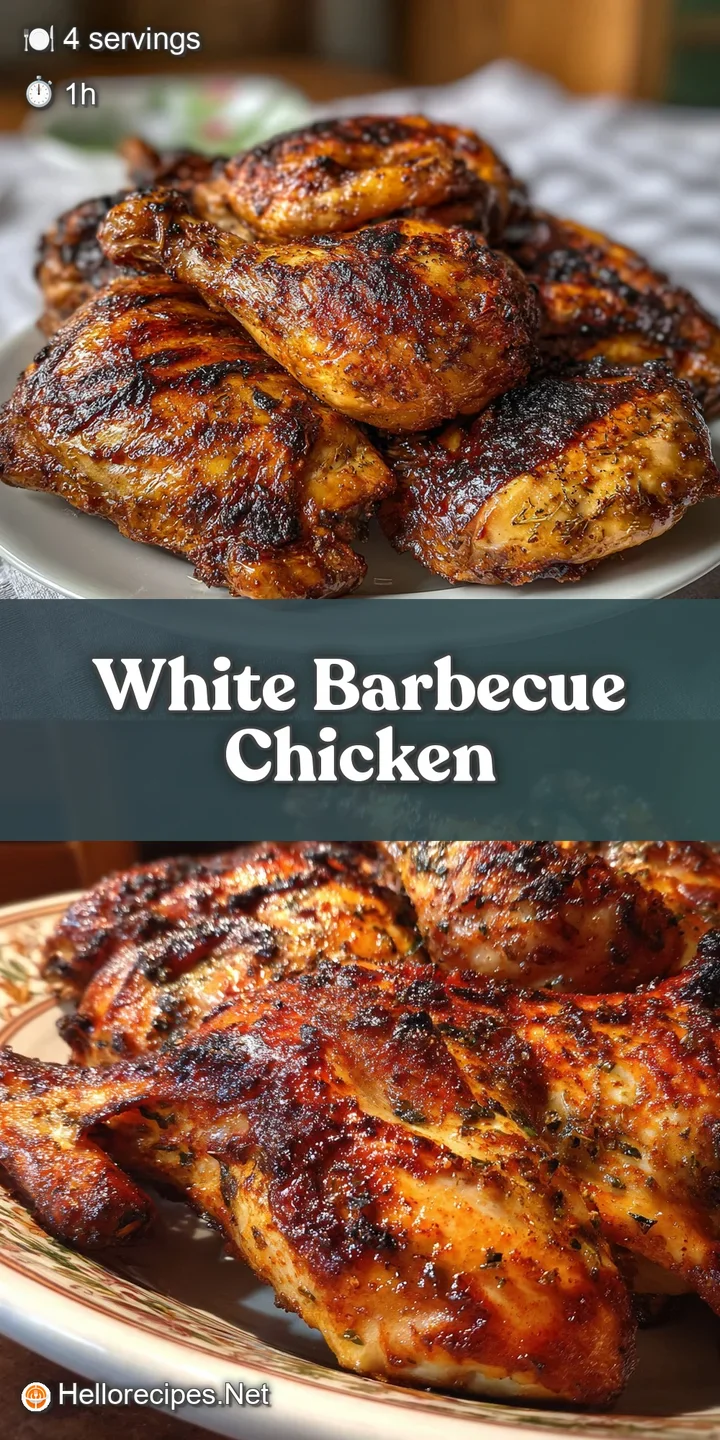
When you're ready to serve, don't just dump the chicken on a plate. Place the thighs on a wooden board or a platter lined with charred lemon halves. The contrast between the mahogany colored chicken and the creamy white sauce is visually striking.
Sprinkle a little extra cracked black pepper and some fresh parsley over the top for a pop of color and a fresh aroma.
If you're looking for side dishes, this pairs beautifully with something simple and green. Think of it as the American South's answer to a sophisticated bistro meal. The combination of over high heat cooking technology and humble ingredients creates a dish that is far greater than the sum of its parts.
Trust me, once you try this white sauce method, the traditional red stuff might just take a back seat for a while.
Critical in Sodium
1780 mg mg of sodium per serving (77% of daily value)
The American Heart Association recommends limiting sodium intake to no more than 2,300mg per day for most adults.
Sodium Reduction Tips
-
Reduce Added Salt-25%
Significantly reduce or eliminate the 15g of kosher salt. Start by halving the amount and adjust to taste or use a salt substitute.
-
Low-Sodium Worcestershire-20%
Replace the regular Worcestershire sauce with a low-sodium version. This can significantly cut down on the sodium content without sacrificing flavor.
-
DIY Mayo-15%
Consider making your own mayonnaise. store-bought mayonnaise often contains added sodium. Using a homemade version allows you to control the sodium content and potentially eliminate it altogether. Start with egg yolks, oil, lemon juice, and mustard.
-
Spice It Up!-10%
Increase the amount of cracked black pepper, smoked paprika, garlic powder, cayenne pepper, and fresh lemon juice to enhance the flavor profile, which will help compensate for the reduced salt.
-
Fresh Herbs
Experiment with fresh herbs like parsley, thyme, or rosemary to add depth of flavor without adding any sodium.
Recipe FAQs
What white barbecue sauce made of?
The base is mayonnaise, vinegar, and horseradish. It is an emulsion traditionally made with mayonnaise, apple cider vinegar, Dijon mustard, black pepper, and prepared horseradish for a tangy, sharp flavor profile.
What's the secret to juicy barbecue chicken?
Cook bone-in thighs to 175°F. The white sauce acts as a fat-rich insulator to slow moisture loss, and cooking to this higher temperature allows connective tissue to melt into gelatin, ensuring a velvety texture.
What is NC White BBQ?
NC White BBQ refers to the Alabama style white sauce. Despite the name confusion, this specific tangy, mayonnaise based sauce is famously associated with Northern Alabama, not North Carolina, which typically favors vinegar or tomato based sauces.
What state is famous for white barbecue sauce?
Alabama is famous for white barbecue sauce. It originated in North Alabama and is characterized by its creamy texture and sharp, peppery taste, unlike the sweet sauces found elsewhere.
Can I substitute apple cider vinegar with white vinegar?
No, use rice vinegar or avoid substitution if possible. White distilled vinegar is too harsh and lacks the fruity complexity needed to balance the high fat content of the mayonnaise base.
How do I prevent the white sauce from breaking when glazing the chicken?
Apply the sauce only during the last 15 minutes of cooking. You must ensure the sauce is a stable emulsion before applying; if you enjoyed mastering stable emulsification here, see how the same principle works in our Easy Chicken Piccata: Velvety Citrus Sauce for balancing acid and fat.
Should I use boneless or bone-in chicken for this recipe?
Use bone-in, skin-on thighs for the best texture. The bone acts as an internal heat conductor, promoting more even cooking, and the skin protects the meat while rendering fat for a superior crust.
White Barbecue Chicken Recipe
Ingredients:
Instructions:
Nutrition Facts:
| Calories | 942 kcal |
|---|---|
| Protein | 47 g |
| Fat | 81 g |
| Carbs | 4 g |
| Fiber | 1 g |
| Sugar | 1 g |
| Sodium | 1780 mg |
