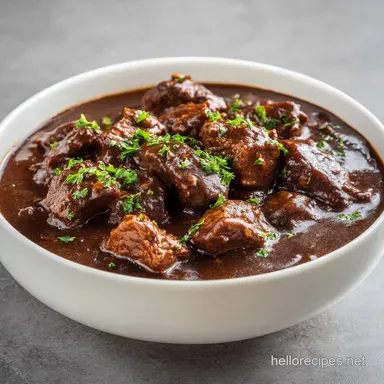
Homemade Beef Stew: Silky and Rich
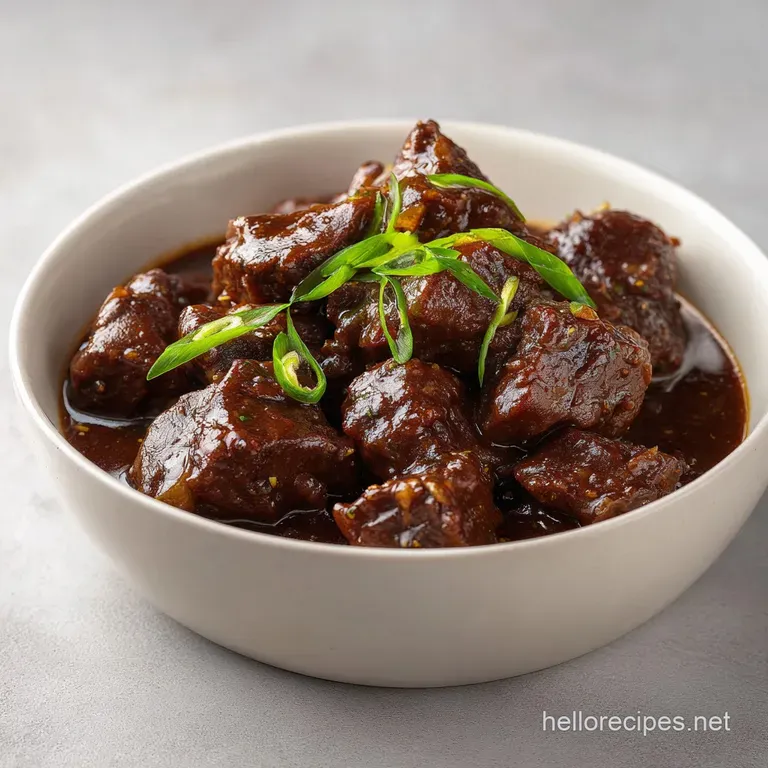
- Time:20 minutes active + 180 minutes simmering = Total 200 minutes
- Flavor/Texture Hook: Deep mahogany beef with a silky, rich gravy
- Perfect for: Cold Sunday afternoons or a crowd-pleasing dinner party
- The Absolute Best Homemade Beef Stew
- Reasons To Make This
- The Ingredient Deep Dive
- Essential Pantry Ingredients
- The Necessary Kitchen Tools
- The Complete Method
- Solving Common Cooking Issues
- Troubleshooting Common Issues
- Variations and Ingredient Swaps
- Storage And Preservation
- Plating And Presentation
- High in Sodium
- Recipe FAQs
- 📝 Recipe Card
That first loud sizzle when the floured beef hits the hot oil is the sound of victory. I remember a rainy Tuesday in a small kitchen where I tried to rush this process, throwing everything in a pot at once. The result was a gray, boiled mess that tasted like disappointment and wet cardboard.
It took me a while to realize that the secret isn't in the ingredients, but in the patience of the sear.
Forget everything you've heard about needing a slow cooker to get tender meat. While a crockpot is convenient, it often steams the meat rather than browning it, leaving you with a lack of depth. A heavy Dutch oven on a low flame provides a distinctive, photographic quality to the sauce that you just can't replicate.
This Beef Stew is all about those layers of flavor, from the brick red tomato paste to the sharp hit of red wine.
You're looking at a dish that transforms a humble, tough cut of beef into something that practically shatters under a fork. We're going to focus on the textures - the velvety sauce, the buttery potatoes, and the bright pop of peas.
Trust me, once you see that rich, dark gravy clinging to the meat, you'll never go back to the "dump and go" methods.
The Absolute Best Homemade Beef Stew
Right then, let's talk about why this specific approach works. Most people treat a beef stew recipe as a set it and forget it task, but the magic happens in the first thirty minutes. By coating the beef in flour and searing it in batches, we create a foundation of flavor that permeates every single bite.
The goal here is a rustic, Irish inspired comfort that feels modern but tastes timeless. We aren't just boiling meat; we are building a sauce. The interaction between the red wine, the beef broth, and the caramelized bits at the bottom of the pot creates a depth that makes the house smell like a professional bistro.
But what about the vegetables? One of the biggest mistakes I see is adding everything at the start. If you do that, your carrots turn to mush and your potatoes disappear into the gravy. We'll be adding the potatoes in the final hour to ensure they keep their shape while still absorbing all that savory goodness.
Reasons To Make This
The beauty of this dish is how it handles time. It's the kind of meal that fills the home with a warm, inviting aroma for three hours, making it the ideal choice for an occasion where you want guests to feel welcome the moment they step through the door.
Collagen Breakdown: Low, steady heat melts the tough connective tissue in beef chuck, turning it into gelatin which thickens the sauce naturally.
The Fond Effect: Searing the meat creates browned bits on the pot floor, which provide a concentrated base of savory flavor when deglazed.
Starch Balance: Using Yukon Gold potatoes adds a creamy texture without making the liquid grainy, keeping the sauce silky.
Acidity Layering: The red wine cuts through the heavy fat of the beef, brightening the overall profile so it doesn't feel too "heavy."
| Method | Time | Texture | Best For |
|---|---|---|---|
| Stovetop Dutch Oven | 3 hours 20 mins | Thick, velvety sauce | Deep flavor & control |
| Oven Braise | 3 hours 30 mins | Evenly tender meat | Hands off cooking |
| Slow Cooker | 8 hours | Softer, thinner sauce | Extreme convenience |
This comparison shows that while the slow cooker is a time saver, the stovetop method gives you the most control over the reduction and the sear, which is essential for a top tier beef stew.
The Ingredient Deep Dive
Before we get into the pot, we need to understand what each component is actually doing. It's not just about following a list; it's about knowing why these specific choices matter for the final result.
| Ingredient | Science Role | Pro Secret |
|---|---|---|
| Beef Chuck | Collagen Source | Cut into 1.5 inch cubes to prevent drying out |
| Red Wine | Acidic Deglazer | Use a dry red like Cabernet to avoid sweetness |
| Tomato Paste | Umami Booster | Fry it until it turns brick red for deeper flavor |
| Yukon Gold | Starch Modifier | Holds shape better than Russets in long braises |
When picking your beef, don't be tempted by leaner cuts. You want that marbling. Lean meat will turn into rubbery pebbles in a Beef Stew, whereas the chuck is designed for this kind of long haul cooking.
Essential Pantry Ingredients
For the beef and sear: - 3 lbs beef chuck, cut into 1.5 inch cubes Why this? High collagen for maximum tenderness - 3 tbsp all purpose flour Why this? Helps browning and thickens the gravy - 1 tsp kosher salt - 1/2 tsp cracked black pepper - 3 tbsp
Vegetable oil Why this? High smoke point for the sear
For the aromatics and base: - 2 tbsp unsalted butter Why this? Adds a rich, nutty finish to the veg - 1 large yellow onion, diced - 3 large carrots, sliced into thick rounds - 3 cloves garlic, minced - 2 tbsp tomato paste Why this? Adds concentrated savory depth - 1 cup dry red wine Why this? Cuts fat and adds complexity - 4 cups low sodium beef broth Why this? Controls salt levels throughout the simmer
For the simmer: - 2 bay leaves - 1 tsp dried thyme - 1 lb Yukon Gold potatoes, cut into 1 inch chunks Why this? Creamy texture, holds shape - 1 cup frozen peas Why this? Adds a bright, fresh color at the end - 2 tbsp fresh parsley, chopped
If you find yourself without red wine, don't panic. You can use a splash of balsamic vinegar mixed with extra broth, though it changes the profile. For those who want something even more traditional and French, my Beef Bourguignon recipe is a great place to look for inspiration.
The Necessary Kitchen Tools
You really need a heavy bottomed pot for this. A Dutch oven is the gold standard here because it distributes heat evenly and holds it for hours. If you use a thin pot, you'll likely burn the bottom of your Beef Stew, which ruins the whole batch with a bitter taste.
A sturdy set of tongs is a must for flipping the beef cubes without breaking them. I also recommend a wooden spoon or a silicone spatula for scraping the fond. If you're feeling fancy, a digital meat thermometer can tell you when the beef is hitting that sweet spot, but honestly, the "fork tender" test is the only one that truly matters.
The Complete Method
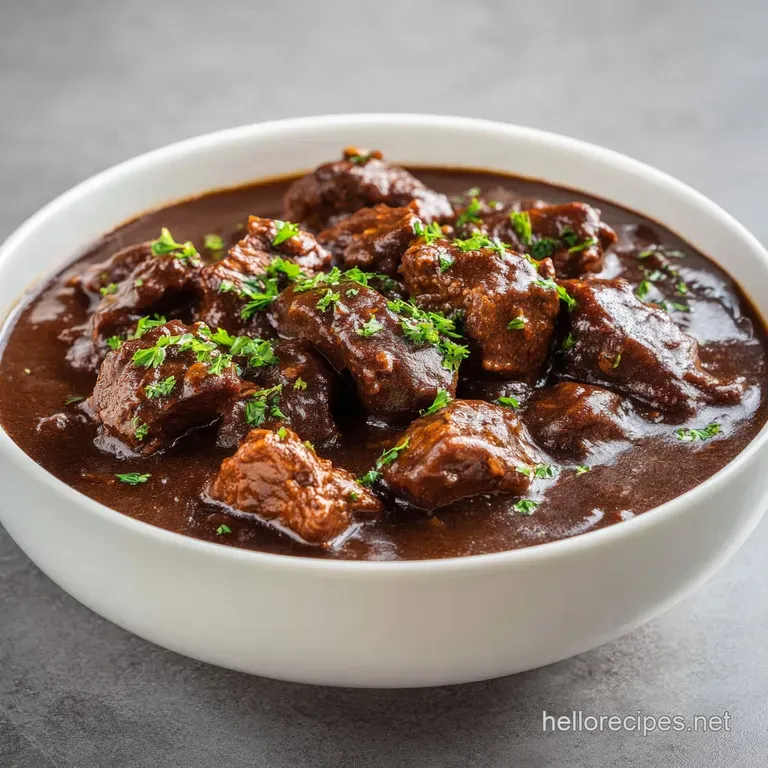
Right then, let's crack on with the cooking. Remember to keep your heat steady and don't crowd the pan.
- Pat the beef cubes completely dry with paper towels. Note: Wet meat steams instead of searing. In a bowl, toss the beef with flour, salt, and pepper until lightly coated.
- Heat vegetable oil in a Dutch oven over medium high heat. Sear the beef in batches until a deep mahogany crust forms on all sides, then remove meat to a plate.
- Reduce heat to medium and melt butter. Add diced onions and carrots, sautéing until onions are translucent and fragrant.
- Stir in the minced garlic and tomato paste, cooking for 2 minutes until the paste turns a darker brick red.
- Pour in the red wine, scraping the bottom of the pot until all the caramelized bits are released into the liquid.
- Return the seared beef and any accumulated juices to the pot. Pour in beef broth until the meat is just submerged.
- Add bay leaves and dried thyme. Bring to a gentle simmer, cover with a tight fitting lid, and reduce heat to low.
- Simmer for 2 hours, then add potato chunks. Continue simmering for the final hour until potatoes are tender and beef is fork tender.
- Stir in frozen peas just before serving until they are bright green and heated through, and garnish with chopped fresh parsley.
Chef's Tip: If the sauce looks too thin at the end, simmer it uncovered for the last 15 minutes. This concentrates the flavors and gives you that glossy, professional look.
Solving Common Cooking Issues
Even the best of us hit a snag. The most common issue is the texture of the meat. If you've gone the full three hours and the beef is still tough, it's usually because the heat was too high. When beef boils instead of simmers, the fibers tighten up and lock in the toughness.
Troubleshooting Common Issues
| Issue | Solution | |||||
|---|---|---|---|---|---|---|
| Beef still tough | If the meat is resisting your fork, it likely needs more time. Collagen doesn't melt on a schedule; it melts when the temperature is right. Put the lid back on and give it another 30-45 minutes. | |||||
| Stew too thin | This usually happens if you didn't sear the meat enough or if you added too much broth. You can fix this by whisking a small amount of cornstarch with water and stirring it in, or simply reducing the | |||||
| Why did my vegetables turn to mush | You probably added the potatoes or carrots too early. For a photographic result, always add the root vegetables in the final stages of the Beef Stew process. | Problem | Root Cause | Solution |
Variations and Ingredient Swaps
Depending on what's in your pantry, you can tweak this recipe without ruining the vibe. The key is to maintain the fat to acid balance.
| Original Ingredient | Substitute | Why It Works |
|---|---|---|
| Dry Red Wine (1 cup) | Beef Broth + 1 tbsp Balsamic | Similar acidity. Note: Lacks the tannins of wine |
| Beef Chuck (3 lbs) | Beef Stew Meat (pre cut) | Same cut usually. Note: Check for quality/fat content |
| Yukon Gold (1 lb) | Carrots or Parsnips | Root vegetable heartiness. Note: Less thickening starch |
| Frozen Peas (1 cup) | Frozen Pearl Onions | Classic French style. Note: Adds sweetness |
For a more distinctive Irish twist, you can replace half of the beef broth with a stout beer. This adds a bitter, malty depth that pairs beautifully with the carrots and potatoes. If you want to go dairy-free, the butter can be swapped for a bit more oil, though you'll lose that silky finish.
I've also found that adding a teaspoon of espresso powder or a square of dark chocolate at the very end can deepen the color and flavor of the Beef Stew, making it look almost black and taste incredibly rich.
Storage And Preservation
This dish actually tastes better the next day. The flavors have more time to mingle, and the sauce naturally thickens as it cools.
Fridge Storage: Keep your Beef Stew in an airtight container for up to 4 days. The flavors will continue to develop, and the sauce will become more velvety.
Freezer Guidelines: You can freeze this for up to 3 months. I recommend freezing it without the peas, as they can become mushy. Add fresh peas when you reheat the dish.
Reheating: The best way to reheat is on the stovetop over medium low heat. Add a splash of water or beef broth to loosen the sauce, as it will have thickened significantly in the fridge.
Zero Waste Tips: Don't throw away the beef trimmings or the onion skins. Toss them in a freezer bag and use them to make a homemade stock for your next batch. Even the leftover gravy can be used as a base for a poutine or a rich sauce for mashed potatoes.
Plating And Presentation
Because this is a rustic dish, the presentation should feel organic but intentional. I like to serve this in wide, shallow bowls rather than deep soup bowls. This allows the Beef Stew to spread out, showing off the chunks of meat and the vibrant orange of the carrots.
Start with a generous scoop of the beef and potatoes, then ladle the rich gravy over the top. The final touch is the fresh parsley - don't skip this. The bright green against the deep brown creates a photographic contrast that makes the dish look professional.
For the perfect pairing, serve this with a piece of crusty sourdough bread toasted with garlic butter. The bread is essential for mopping up every last drop of that silky sauce. If you're hosting a formal dinner, a side of buttered mash or a simple steamed cabbage can round out the meal.
Right then, you've got everything you need for a legendary Beef Stew. It's a dish that rewards the patient and feeds the soul. Just remember: dry the meat, sear it deep, and keep the heat low. Your kitchen is about to smell like a dream.
High in Sodium
850 mg 850 mg of sodium per serving (37% 37% of daily value)
The American Heart Association recommends a limit of 2,300mg of sodium per day for most healthy adults to maintain heart health.
Tips to Reduce Sodium
-
Swap the Broth-30%
Replace the low-sodium beef broth with homemade unsalted beef stock or water mixed with a small amount of salt-free bouillon.
-
Reduce Added Salt-25%
Cut the kosher salt in half or omit it entirely, as the beef and other ingredients provide a baseline level of sodium.
-
No-Salt Tomato Paste-15%
Ensure you use a 'no salt added' version of tomato paste to avoid unnecessary hidden sodium.
-
Boost Aromatics
Increase the amount of fresh parsley and dried thyme, or add a touch of rosemary to provide deep flavor without needing salt.
Recipe FAQs
What is the secret to a good beef stew?
Sear the beef in batches until a deep mahogany crust forms. This creates the caramelized fond that builds a rich, savory base. If you enjoyed mastering the searing technique here, see how the same principle works in our savory pot roast.
What ingredients do you need for a beef stew?
Gather beef chuck, flour, salt, pepper, vegetable oil, butter, onion, carrots, garlic, tomato paste, red wine, beef broth, bay leaves, thyme, Yukon Gold potatoes, frozen peas, and fresh parsley. These components balance the rich protein with aromatic vegetables and acidity.
Is stew ok for diabetics?
Yes, provided you monitor portion sizes. This recipe relies on protein and non-starchy vegetables, though those tracking blood sugar should be mindful of the carbohydrates in the potatoes.
Is beef stew good for cholesterol?
Not typically, as beef chuck contains saturated fats. To make it more heart-healthy, keep meat portions moderate and emphasize the nutrient-dense carrots and onions.
Why is my beef still tough after simmering?
Simmer the meat for another 30-45 minutes. Collagen does not melt on a strict schedule and simply needs more time at a low temperature to break down and become tender.
How to thicken a beef stew that is too thin?
Whisk a small amount of cornstarch with water and stir it into the pot. Alternatively, simmer the stew uncovered to reduce the liquid and concentrate the sauce.
Is it true that beef stew cannot be frozen without ruining the texture?
No, this is a common misconception. The stew freezes well for up to 3 months, but you should omit the frozen peas until you reheat the dish to prevent them from becoming mushy.
Beef Stew: Silky and Rich