Crispy Oven Roasted Potatoes: the Ultimate Fluffy Crisp Roasties
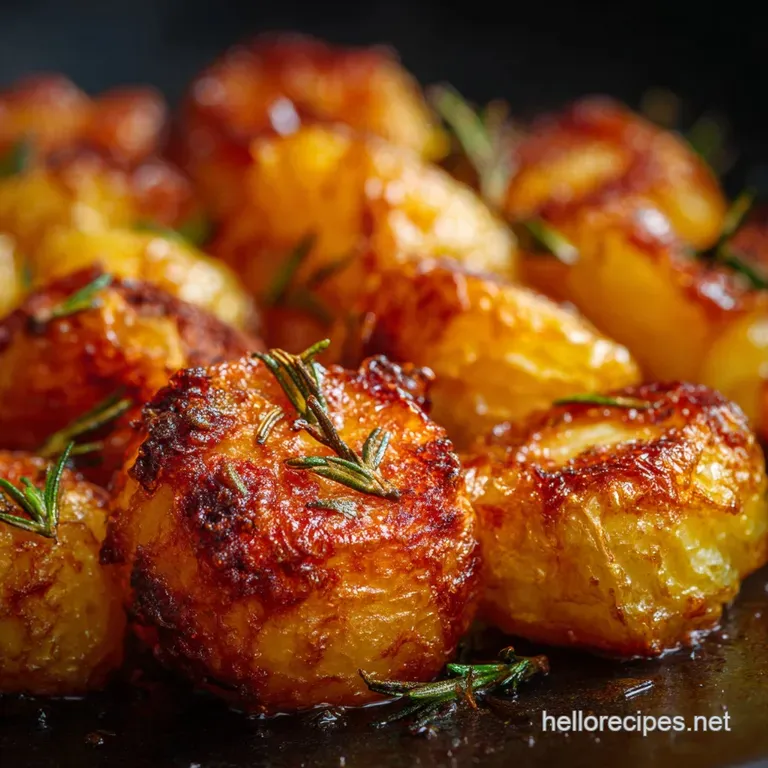
- The Sunday Dinner Star: Ultimate Fluffy & Crisp Roasted Potatoes
- Achieving Roastie Perfection: Why Texture Matters Most
- Essential Components: Choosing Your Potatoes and Fats
- The Science of Crunch: Unlocking the Ultimate Crispy Oven Roasted Potatoes
- Mastering the Method: Step-by-Step Crispy Oven Roasted Potatoes
- Troubleshooting Your Roasties: Expert Tips for a Guaranteed Crunch
- After the Feast: Storing and Reheating Leftover Roast Potatoes
- Elevating the Side Dish: Pairing Suggestions for Your Roast Potatoes
- Recipe FAQs
- 📝 Recipe Card
The Sunday Dinner Star: Ultimate Fluffy & Crisp Roasted Potatoes
There is no sound more glorious than the clatter of a fork hitting the glass like shell of a perfect roast potato. That unmistakable aroma of scorching hot fat and herbs fills the kitchen and suddenly, everything feels right. You deserve that crunch, and I’m going to make sure you get it every single time.
Let’s be honest, the roastie is the MVP of any plate, overshadowing the main course if done correctly. These crispy oven-roasted potatoes are cheap to make, incredibly satisfying, and turn a standard weeknight meal into something truly special. Plus, once you master the technique, it’s ridiculously easy.
Forget everything you’ve tried before that resulted in oily, sad lumps. We are tackling the classic British method, using my favorite secret weapon to guarantee a pillowy inside and the most outrageously crunchy exterior. Are you ready? Let’s crack on.
Achieving Roastie Perfection: Why Texture Matters Most
The Definition of a Truly Perfect Roast Potato
A perfect roastie should be aggressively brown, loud when you bite it, and so unbelievably light inside that it almost melts. Anything less than that fluffy and crisp standard is just a waste of a perfectly good spud. We are looking for maximum surface area and minimal moisture.
It’s a simple challenge, but many cooks fail at this basic premise. We are baking potatoes, not steaming them.
A Quick Guide to Difficulty and Preparation Time
Don't let the word "technique" scare you; this is a medium difficulty recipe, mostly because the timing of the parboil is specific. Your active prep time is short, maybe 15 minutes max, but you need to be precise when handling the hot fat.
The reward for your 70 minutes of effort is pure, gold standard perfection.
The Secret Weapon: Mastering the Parboiling Technique
This isn't just about softening the potato. The goal of parboiling is to break down the starch on the surface, creating that critical mushy outer layer. The secret ingredient that turbocharges this process is a tiny bit of baking soda.
The slight alkalinity chemically attacks the potato surface, ensuring it breaks down beautifully when you shake the pot. Trust me, that little teaspoon of bicarb changes the game entirely.
Essential Components: Choosing Your Potatoes and Fats
The Starch Wars: Best Potato Varieties for Fluff and Crisp
If you want fluffy insides, you need starchy potatoes. Waxier varieties simply hold too much water and refuse to break down nicely during the shaking stage. In the UK, we rely on Maris Pipers or King Edwards.
Here in the US, look for Russet or Idaho potatoes ; they are your best bet for achieving true fluff and crispness.
Selecting the Optimal Cooking Fat (Lard, Dripping, or High Smoke Oil)
The fat must be able to handle high heat without smoking out your kitchen. This is non-negotiable. Duck fat or goose fat are incredible for flavor, giving your roasties that traditional richness. However, beef dripping is a fantastic alternative if you can find it.
If you want a neutral, non-animal flavor, use refined avocado oil or a high-quality, light olive oil. The flavor from the fat sinks into the roughed-up surface, making the ultimate crispy oven-roasted potatoes.
Salt and Seasoning Strategies for Maximum Flavor Penetration
I salt the boiling water, but that salt only flavors the core. You must season again when the potatoes go into the hot fat. I use fine sea salt and black pepper, but the magic happens when you add fresh aromatics.
Rosemary is classic, but using whole smashed cloves of garlic (skins on!) adds an incredible, subtle sweetness that permeates the potatoes as they cook.
| Component | Why it Matters | Substitution Tip |
|---|---|---|
| Starchy Potatoes | Breaks down easily for fluffiness. | Use Russets or Idaho instead of Red Bliss. |
| Baking Soda | Creates an alkaline environment to break down starch faster. | None! Essential to the recipe. |
| Duck/Goose Fat | High smoke point, incredible flavor. | Try refined Avocado Oil or quality Beef Dripping. |
| Fresh Rosemary | Releases deep, piney fragrance when heated. | Fresh Thyme or Sage leaves work perfectly. |
The Science of Crunch: Unlocking the Ultimate Crispy oven-roasted Potatoes
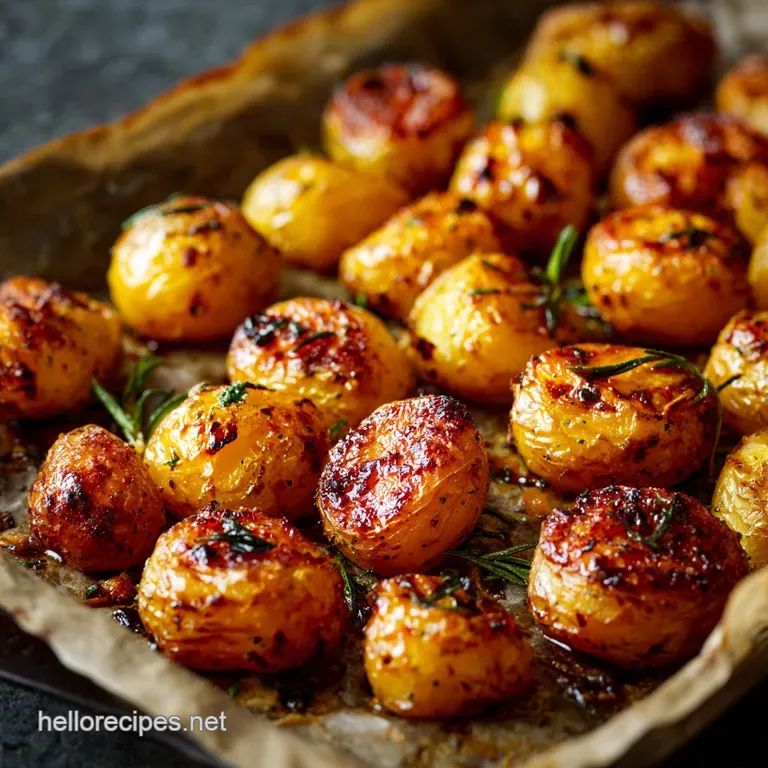
The recipe for ultimate crispy oven-roasted potatoes is straightforward physics. We must maximize the surface area and minimize the moisture. Parboiling and shaking achieves the first goal, creating a rough, craggy landscape perfect for crunchy gold.
Removing the excess steam achieves the second goal, ensuring the outside is bone dry when it hits the oil. If the potatoes are even slightly wet, the fat cools, and you end up steaming the spuds instead of frying their exterior. We are essentially surface frying them in the oven.
Chef’s Note: The bicarbonate of soda is the non-negotiable difference between good roast potatoes and legendary roast potatoes. Don't skip this step! It guarantees maximum cragginess when you shake the pan.
Mastering the Method: step-by-step Crispy oven-roasted Potatoes
The pH Power Play: How Baking Soda Creates Fluff
Start those spuds in cold, salted water, then add that teaspoon of baking soda. Bring it to a boil. Watch the water turn a little cloudy, which is the starch releasing perfect! That alkalinity is eating away at the edges, preparing them for the ultimate crunch.
Prep Stage: Peeling, Cutting, and Standardizing Size
You need to peel them, sorry, no lazy peeling allowed here. Cut them into roughly equal sizes, about two-inch chunks, creating lots of sharp edges. These sharp corners are the first places to crisp up beautifully. Uniform size means uniform cooking; we don't want half crispy, half raw potatoes.
The Critical 10 Minute Parboil (The 'Roughing Up' Stage)
Boil them only until the edges look soft and fuzzy about 6 to 8 minutes. Set a timer! Immediately drain them and let them steam in the colander for two minutes.
Then comes the fun part: put them back in the empty saucepan, secure the lid, and shake them like you’re making a cocktail. They should look battered and rough. This is exactly what you want for maximum crispness.
Achieving Gold: Oven Temperature, Hot Oil, and Timing
Preheat your pan. While you are shaking the potatoes, heat your roasting pan with the fat inside on the hob until it’s shimmering, then pop it in the 425°F (220°C) oven for five minutes. This ensures the fat is intensely hot. Carefully add your roughed-up, dry potatoes to the pan.
They should hiss dramatically. Flip them immediately to coat all surfaces. Roast for 25 minutes, turn them, add the garlic and rosemary, and cook for a further 20 minutes until they look like lumps of pure gold.
Troubleshooting Your Roasties: Expert Tips for a Guaranteed Crunch
Myth Busting: Why Starting With Hot Oil is Superior
Cold oil means the fat takes time to heat up, which gives the potato time to absorb it. This results in heavy, greasy roasties. By starting with shimmering hot fat, you flash fry the exterior instantly. This seals the outside and keeps the fat where it belongs on the outside, creating a crust.
If you can hear them sizzle when they go in, you've done it right.
The Importance of Spacing and Airflow in the Pan
Crowding is the death of crispness. If the potatoes are touching, the moisture they release creates pockets of steam. Steam kills crunch. Use a large pan, or two pans if necessary, ensuring everything is spread out in a single layer. Airflow is your friend here, allowing the water vapor to escape and the crispness to build. This is the same principle I use when making my Crispy Hash Browns: The Golden Standard Diner Style Recipe — no crowding allowed!
Why Your Potatoes Are Soggy (Common Water and Steam Mistakes)
Did you rush the steaming stage? Did you skip the bicarb? Soggy potatoes are a result of unevaporated water. Always make sure you drain them completely and let them sit for a full 2- 3 minutes to air dry after shaking. Dryness is key to achieving that perfect texture.
After the Feast: Storing and Reheating Leftover Roast Potatoes
The Best Way to Re-Crisp Day-Old Potatoes
Roast potatoes are never quite as good the next day, but you can get close! Store cooled leftovers in an airtight container in the fridge for up to 3 days. Do not, under any circumstances, microwave them. That turns them into sad, damp sponges.
Reheat them by placing them back in the oven (or air fryer) at 400°F (200°C) for about 10 minutes until they sizzle and crisp back up.
Elevating the Side Dish: Pairing Suggestions for Your Roast Potatoes
These roasties deserve high-quality company. They pair perfectly with rich, savory dishes that need a crunchy textural contrast.
Classic Sunday Roast Pairings
You simply must serve these alongside a rich, thick gravy and plenty of veg. They are perfect alongside a hearty holiday meal, complementing recipes like a fantastic Sausage Stuffing: The Ultimate Recipe for Moist, Crispy Holiday Tables or my signature Green Bean Casserole: The Ultimate Homemade Recipe with Crispy Shallots .
Modern Flavor Boosts (Herbs and Infused Oils)
Want to mix things up? Toward the end of the cooking time, toss the potatoes with some freshly chopped chives and smoked paprika. For an Asian inspired kick, toss the finished roasties with a little sesame oil, chili flake, and flaked sea salt immediately upon removing them from the oven.
They are versatile, so have fun with them!

Recipe FAQs
Why aren't my roasted potatoes achieving that ultimate, shatteringly crisp exterior?
The most common reasons are insufficient roughing up, crowding the pan, or low oven temperature. Ensure you drain the parboiled potatoes thoroughly and shake the pot vigorously to create fluffy edges, which are key to crispness.
Also, use plenty of fat and maintain an oven temperature of at least 400°F (200°C) to prevent steaming.
Is the baking soda step truly necessary, or can I skip it?
While technically optional, the baking soda is highly recommended as it accelerates the breakdown of the pectin on the potato surface. This creates a highly alkaline environment, resulting in a slurry of starch that dries out quickly and achieves a deeper, more robust crispness than water alone provides.
A pinch makes a dramatic difference to the final texture.
What type of potato yields the best results for high crisp roasting?
You must select a starchy or floury potato variety, such as Russets, Maris Pipers, or King Edwards. These potatoes break down easily during parboiling, creating the desirable rough edges necessary for crunch, while maintaining a fluffy interior texture. Avoid waxy potatoes like New Potatoes, which will remain too firm.
Can I prepare the potatoes ahead of time, and if so, how?
Yes, you can parboil and "rough up" the potatoes several hours in advance. Once done, allow them to cool completely, toss them lightly in oil (or your chosen fat), and spread them on a tray in the refrigerator.
Before roasting, let them sit at room temperature for about 30 minutes, then proceed with the high heat roasting steps.
What is the best type of fat or oil to use for maximum flavour and crispness?
For authentic flavour and the highest smoke point, traditional animal fats like beef dripping (tallow) or goose fat are unparalleled. If opting for a vegetarian version, refined fats like vegetable shortening or refined sunflower oil work well.
Avoid using extra virgin olive oil, as its low smoke point will cause it to burn at the required high oven temperature.
My potatoes are crisp, but the insides feel dense or gummy. What went wrong?
A dense interior is usually caused by under parboiling or selecting the wrong potato type. Ensure your starchy potatoes are boiled until the edges are beginning to disintegrate and they are easily pierced with a fork this guarantees the fluffy centre.
Gummy textures can also occur if you over soak the potatoes in water post draining, so ensure they are completely dry before shaking and oiling.
How should I store and reheat leftover roasted potatoes to maintain their crispness?
Store cooled leftovers in an airtight container in the refrigerator for up to three days. To reheat, the microwave is not recommended as it promotes steaming; instead, spread the potatoes on a baking sheet and reheat in a very hot oven (400°F/200°C) or air fryer for 8-10 minutes until sizzling and crisp again.
The high heat is necessary to dry out the surface moisture.
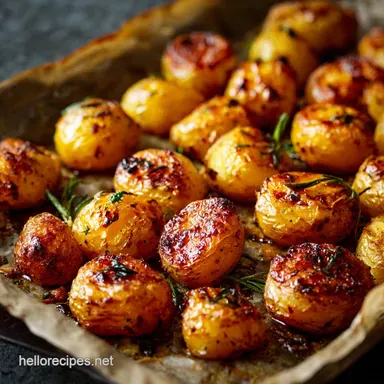
Ultimate Crispy oven-roasted Potatoes
Ingredients:
Instructions:
Nutrition Facts:
| Calories | 342 kcal |
|---|---|
| Protein | 14.0 g |
| Fat | 12.0 g |
| Carbs | 45.0 g |
