Nobake Nostalgia the Ultimate Edible Chocolate Chip Cookie Dough
- Tapping Into Pure Nostalgia: Why We Crave Raw Dough
- Engineering the Perfect, Safe Edible Cookie Dough
- Essential Components for the Ultimate Edible Cookie Dough
- Preparing Your Kitchen: Tools and Mise en Place
- Crucial Preliminary Step: Safely Preparing the Flour
- Step-by-Step Guide to Crafting Silky Smooth Edible Cookie Dough
- Extending the Shelf Life: Best Practices for Storing Edible Cookie Dough
- Troubleshooting and Creative Uses for Leftover Dough
- Recipe FAQs
- 📝 Recipe Card
Tapping Into Pure Nostalgia: Why We Crave Raw Dough
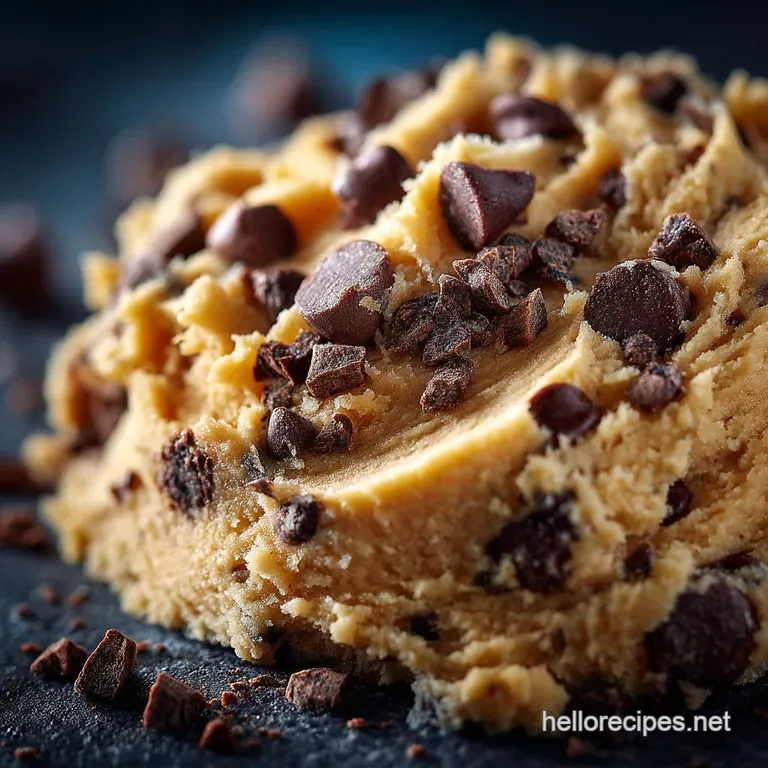
The draw of raw cookie dough is one of life’s most universally experienced pleasures. It’s a sensory experience rooted deeply in childhood memory that forbidden, buttery, sweet substance scraped straight from the mixing bowl.
While traditional recipes present obvious safety hazards (hello, raw eggs and flour), modern culinary techniques allow us to embrace this craving fully and safely. This edible cookie dough recipe is engineered specifically to deliver that pure, unadulterated comfort without any of the inherent risks, guaranteeing a perfectly safe and utterly addictive sweet fix whenever the mood strikes.
Engineering the Perfect, Safe Edible Cookie Dough
Creating dough designed purely for immediate consumption requires specific adjustments to the traditional baking formula. We eliminate ingredients that require heat to become safe and replace the necessary binding agents to ensure a structure that is chewy, rich, and firm, even without baking.
The Magic of Immediate Gratification
Unlike traditional cookie recipes that demand extensive chilling and a 12-minute oven session, this preparation focuses on speed. It is truly one of the most satisfying Sweet Snacks Easy to create, making it ideal for a quick indulgence.
Whether you are whipping up an edible cookie dough for one while watching a movie or need a larger batch for a gathering, the active time commitment is incredibly low about 15 minutes of work followed by a necessary chill period to maximize texture.
Beyond the Bowl: Serving Edible Dough Safely
The two primary components that render classic dough unsafe are raw eggs (risk of Salmonella) and raw flour (risk of E. coli ). In engineering this refined edible cookie dough recipe , we tackle both issues directly and meticulously.
Our goal is to preserve the irresistible flavour profile while achieving absolute peace of mind.
Eliminating Risk: The Zero Egg Recipe Promise
Eggs serve as a binder and leavening agent in baked goods. Since we are eliminating the baking process, we simply replace the binding moisture. In this recipe, we utilize 2 tablespoons of whole milk (or heavy cream) to provide the necessary structure and richness that holds the dough together perfectly, ensuring a luscious texture without the need for any leavening.
This simple substitution keeps the edible cookie dough recipe without flour (or rather, without the raw flour risk) preparation streamlined and worry free.
Understanding the Necessity of Flour Heat Treatment
The single most crucial step in making safe Edible Cookie Dough is the proper preparation of the flour. All-purpose flour is a raw agricultural product and can harbor harmful bacteria, which is typically destroyed during the oven's high heat.
To circumvent this, we must pre-sanitize the 1 cup (120g) of flour before mixing it with the other ingredients. This simple thermal process eliminates potential pathogens, rendering the final product entirely safe to consume straight from the bowl.
Essential Components for the Ultimate Edible Cookie Dough
Achieving that nostalgic, chewy flavour relies on balancing high-quality dairy fats with the right proportion of sugars and salt. The foundation of this recipe uses 1 cup (120g) of heat treated all-purpose flour, combined with 1/2 cup (113g) of softened unsalted butter.
The flavour profile is heavily driven by 1/2 cup packed light brown sugar, which provides moisture and a deep molasses note, countered by 1/4 cup of granulated sugar for structure, and 1 teaspoon of pure vanilla extract for warmth.
A critical 1/2 teaspoon of fine sea salt ensures the sweetness is perfectly balanced, avoiding a cloying flavour.
Preparing Your Kitchen: Tools and Mise en Place
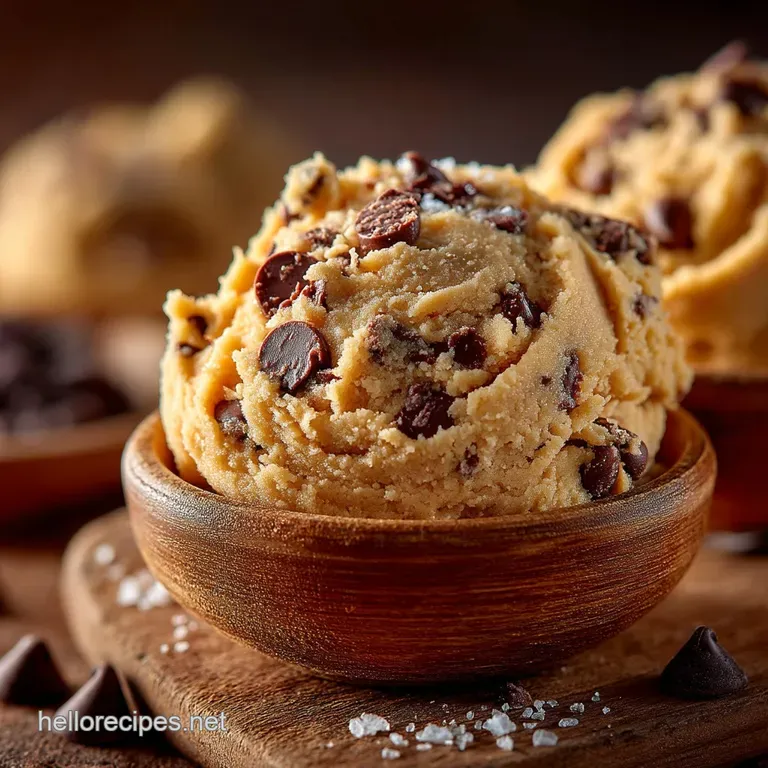
While this process is simple, efficient preparation is key to success. Gathering all ingredients and equipment (mise en place) ensures a rapid assembly time.
Dairy Foundation: Butter, Milk, and Vanilla Extracts
Ensure your 1/2 cup of unsalted butter is fully softened to room temperature. This is non-negotiable for proper creaming. The 2 tablespoons of whole milk should also be ready to incorporate seamlessly.
Using a high-quality vanilla extract (1 teaspoon) makes a noticeable difference in the final aromatic complexity of your dough.
Sweeteners and Texturizers: Brown Sugar vs. Granulated
The combination of both brown and granulated sugars is vital for texture. If you are specifically seeking an edible cookie dough recipe without brown sugar , you can use a substitution (as detailed in the variations section), but the light brown sugar is what delivers the classic chewy, caramel note in this standard formulation.
We utilize 1/2 cup of packed brown sugar and 1/4 cup of granulated sugar.
Choosing the Right Mix-Ins (Chips, Sprinkles, Nuts)
The star mix-in here is 3/4 cup (130g) of semi sweet chocolate chips. However, the dough base is a blank canvas. Ensure any mix-ins are high-quality, whether you choose mini chips, chopped nuts, or sprinkles.
Recommended Equipment for Silky Smooth Dough
While a rubber spatula and large mixing bowl are sufficient, we strongly recommend a handheld electric mixer. This tool is invaluable during the creaming stage, achieving the necessary light, airy texture much faster than manual mixing.
You will also need a heatproof dish or baking tray for the flour treatment, and a sieve or small strainer for sifting the cooled flour.
Ingredient Temperature Checklist
The most common mistake when making Edible Cookie Dough is not respecting temperatures. Your butter must be soft, and, conversely, your heat treated flour must be completely cool.
If warm flour meets soft butter, the dough base will melt instantly, resulting in a greasy, runny mess rather than a velvety smooth consistency.
Related Recipes Worth Trying
- Proper Monster Cookies Ultimate Chewy Peanut Butter Oatmeal Recipe — Massive soft Monster Cookies are the ultimate loaded treat This Peanut Butter Oatmeal recipe is naturally flourless and guarantees a gooey chewy center...
- The Ultimate BrownieStuffed Chocolate Chip Cookies Recipe — Get the best of both worlds These Giant Stuffed Chocolate Chip Cookies have a perfect chewy shell and a molten fudgy brownie centre A proper showstopper bake
- The Best Chewy Oatmeal Chocolate Chip Cookies with Browned Butter — Tired of flat cookies This Oatmeal Chocolate Chip Cookies recipe uses browned butter for deep flavour and guarantees a perfectly chewy texture every time...
Crucial Preliminary Step: Safely Preparing the Flour
Before any mixing begins, the 1 cup of all-purpose flour must be sterilized. Spread the flour thinly onto a parchment lined baking tray or a wide, shallow heatproof dish. The goal is to reach an internal temperature of 165° F ( 74° C) to kill any latent bacteria.
Step-by-step Guide to Crafting Silky Smooth Edible Cookie Dough
Once your flour is treated and fully cooled a wait that takes about 15– 20 minutes you are ready to assemble the ultimate Edible Cookie Dough base. The total active mixing time is only about 10 minutes.
Oven Method: Low and Slow Heat Treatment
Preheat your oven to 300° F ( 150° C). Bake the thinly spread flour for 5– 7 minutes, stirring it halfway through to ensure even heating.
Immediately transfer it to a cool, clean bowl afterward and wait patiently for it to reach room temperature.
Microwave Method: Rapid Sanitization Technique
This method is faster but requires attention. Microwave the flour on high power using 30-second intervals, stirring thoroughly after each one. Continue until the flour measures 165° F ( 74° C) with an instant read thermometer (this usually takes 2– 3 minutes total).
Again, cool completely before proceeding.
Creaming the Sugars for Optimal Airiness
In your large mixing bowl, beat the softened butter until it is light and creamy. Next, add the packed light brown sugar and granulated sugar. Beat this mixture aggressively on medium speed for 2– 3 minutes, scraping down the sides often.
This creaming step incorporates air, which is essential for giving the final dough its signature light mouthfeel.
Incorporating Wet Ingredients and Flavor Agents
Reduce the mixer speed to low and incorporate the vanilla extract, whole milk, and fine sea salt. Mix only until these wet ingredients are just combined. Avoid overmixing here, as we do not want to develop the gluten structure of the remaining flour prematurely.
Mixing in the Heat Treated Flour Base
Use a sieve to sift the cooled, treated flour directly into the wet mixture. This step prevents lumps created during heating from ruining the dough’s smooth texture. Mix on the lowest speed or fold by hand until the flour is fully incorporated and no dry streaks remain.
Finally, gently fold in your 3/4 cup of chocolate chips until they are evenly distributed. Cover the dough and chill for a minimum of 30 minutes. This mandatory rest allows the milk to fully hydrate the flour base, transforming the dough from slightly sticky to the dense, satisfyingly firm texture we crave.
Extending the Shelf Life: Best Practices for Storing Edible Cookie Dough
One of the great joys of safe Edible Cookie Dough is having a supply on hand. Properly stored, the dough maintains its peak freshness and texture for several days. Simply transfer the finished dough into an airtight container and store it in the main compartment of your refrigerator for up to 5 days.
You may find you need to let it sit at room temperature for a few minutes before serving, as the cold will harden the butter significantly.
Troubleshooting and Creative Uses for Leftover Dough
Even though this is an edible cookie dough recipe easy enough for novices, a few issues can sometimes arise. Knowing quick fixes and creative ways to use the dough ensures none of your efforts go to waste.
Refrigerator Versus Freezer: Maximizing Freshness
While refrigeration is best for immediate use, this dough freezes exceptionally well. Roll the dough into small balls (the size of a standard scoop) and flash freeze them on a tray. Once solid, transfer the balls to a heavy duty freezer bag or container. Frozen dough is safe for consumption for up to three months.
Simply thaw in the refrigerator overnight or let sit on the counter for 15 minutes before enjoying.
Quick Fixes for Overly Crumbly or Sticky Dough
If your dough feels too dry and crumbly after chilling, it likely needs more hydration. Add milk, one teaspoon at a time, until the dough comes together smoothly. Conversely, if your dough is sticky, greasy, or too soft, it means the butter melted (usually because the flour was too warm).
The best solution is to mix in one tablespoon of cooled, heat treated flour until the texture firms up. Always ensure your dough gets that crucial 30-minute chill.
Turning Dough into Dessert: Variation Ideas (Bars, Balls, Ice Cream Mix-Ins)
The neutral, buttery base of this Edible Cookie Dough is highly versatile. For a rich, dark twist, substitute a quarter of the flour volume with cocoa powder to create a Brownie Batter Dough, folding in espresso powder for depth.
If you are specifically seeking an edible cookie dough recipe without brown sugar , the Birthday Cake Confetti variation is perfect: use only granulated sugar, add almond extract alongside the vanilla, and load it up with rainbow sprinkles.
The most classic use, however, remains stirring small pieces of the chilled dough into vanilla ice cream for a decadent, homemade "Cookie Dough" swirl.
Nutritional Snapshot and Allergen Substitutions
A serving of this dough (based on 8 servings) typically clocks in at 280 320 calories, providing a rich, satisfying hit of fat and carbohydrates. For those managing allergies, the recipe adapts beautifully. Replace the all-purpose flour with a heat treated gluten-free blend.
For dairy-free versions, vegan butter sticks work exceptionally well in place of unsalted butter, and dairy-free milk alternatives can substitute for whole milk. Be aware that substituting oil (like coconut oil) for butter may require a longer chilling period, as oils set up differently than dairy fats.
Recipe FAQs
Do I really need to heat the flour for this Edible Cookie Dough? It feels a bit faffy!
Yes, absolutely crucial! Raw flour can sometimes carry bacteria, so we don't want to risk a sticky wicket. Heating it in the microwave or oven (until it hits 165°F / 74°C) effectively pasteurizes it, making your Edible Cookie Dough completely safe to scoff down without a worry.
Just ensure the flour is completely cool before mixing, or you’ll melt the butter and end up with a greasy mess!
How long can I keep this heavenly Edible Cookie Dough in the fridge, and can I freeze it?
This brilliant stuff keeps remarkably well! Store it in an airtight container in the fridge for up to 5 days perfect for those sudden late night cravings. If you want to keep it longer, you can freeze it for up to 3 months.
We recommend rolling it into small, individual portions first, flash freezing them on a tray, and then transferring them to a freezer bag.
I've run out of whole milk! Can I use water, or does the dough need something else to bind it without eggs?
Hold your horses, water won't quite cut the mustard here. The milk (or heavy cream) provides essential fat and moisture that replaces the richness and binding power of the raw egg.
If you're truly stuck, a dairy-free alternative like oat milk or a touch of plain yogurt mixed with a little water will work in a pinch, but the full fat dairy ensures that classic, satisfyingly rich texture.
What's the easiest way to make this recipe gluten-free or suitable for vegans?
Making it GF is a piece of cake; just ensure you use a heat treated, certified gluten-free all-purpose blend, following the same temperature guidance. For a vegan version, swap the dairy butter for high-quality vegan baking sticks and use a plant based milk.
Be warned, the vegan dough might be a little softer initially and will require a slightly longer chill time to set up properly.
Can I swap out the chocolate chips, or am I stuck with the classic recipe?
Absolutely not, this dough is your oyster, ripe for experimentation! Try folding in chopped caramel chunks, crushed pretzels, or mini peanut butter cups for variety. Just ensure any additions you choose are relatively dry and won't introduce too much moisture, otherwise you’ll end up with a sloppy dough and nobody wants that!
Ultimate Edible Chocolate Chip Cookie Dough