The 15Minute Speedy Chefs Lo Mein Faster Than Delivery
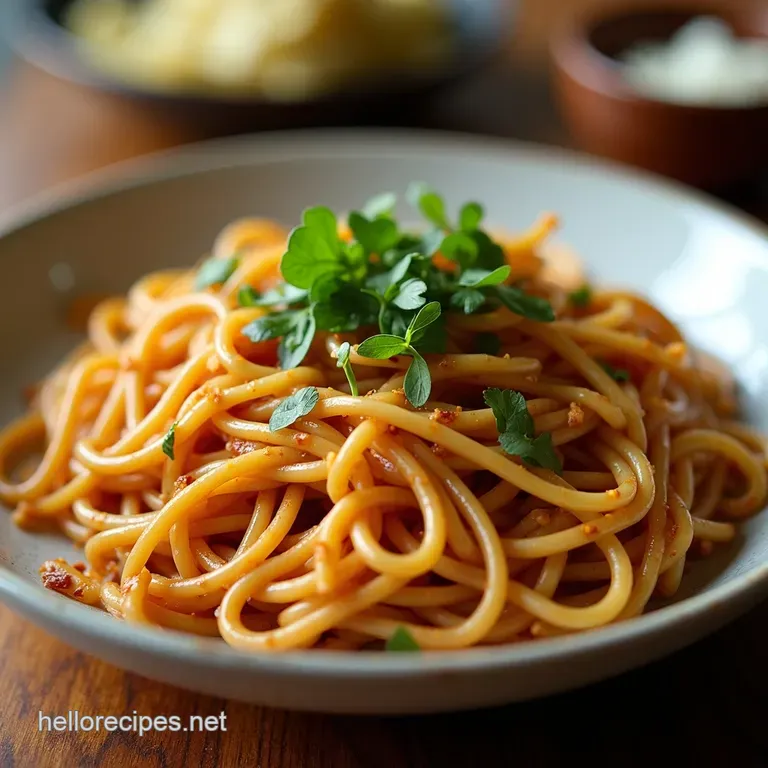
- Escape the Takeaway Trap: Why This Speedy Noodle Dish Wins
- The Secret Sauce: Achieving Restaurant-Quality Flavor Instantly
- Component Checklist: Gathering Supplies for Your Quick Lo Mein
- The Noodle Navigator: Selecting the Ideal Base
- Executing the High-Heat Choreography: Your Cooking Timeline
- Noodle Perfection: Preventing the Clump Catastrophe
- Elevating Your Instant Classic: Pro Hacks and Customizations
- Logistics: Storing and Reheating Leftover Perfection
- Frequently Asked Questions
- 📝 Recipe Card
Escape the Takeaway Trap: Why This Speedy Noodle Dish Wins
There are those evenings when the lure of ordering takeout becomes almost irresistible. The thought of waiting for delivery, however, can be a real mood killer. That is precisely why I developed The 15-Minute Speedy Chef’s Lo Mein: Faster Than Delivery!
This isn't just another stir fry; it’s a meticulously timed production designed to deliver restaurant quality depth of flavour faster than your favourite delivery app can dispatch a driver. Forget the soggy, overly sweet versions you might be used to.
This Quick Lo Mein is a vibrant, flavour packed noodle dish built around a punchy, balanced sauce salty, sweet, and tangy, all at once. We focus on high heat, rapid cooking to keep the vegetables crisp and the Lo Mein Noodles perfectly coated.
It’s a brilliant weeknight staple that tastes like you spent ages on it, but honestly, it’s quicker than boiling a kettle! This recipe’s difficulty level is decidedly Easy, relying on quick assembly and high heat searing.
The key to success isn't complex technique, but ensuring your mise en place —all your chopping and measuring is complete before the flame even kisses the pan.
The Secret Sauce: Achieving Restaurant Quality Flavor Instantly
The magic of any great noodle dish lies beneath the surface, hiding in the liquid gold that binds everything together. In the case of this Quick Lo Mein Recipe , achieving that signature depth without hours of simmering comes down to selecting the right balance of foundational ingredients.
Setting the Scene: Faster Than Your Favorite Delivery App
Our goal is speed. With only 10 minutes allotted for prep and a mere 5– 7 minutes for the actual cooking process, we are aiming for ultimate efficiency. This Easy Lo Mein Recipe demands focus during those few cooking minutes.
Think of this as executing a precise dance; every component must be chopped, measured, and staged perfectly so that when the high heat hits the wok, nothing sits still long enough to steam or burn. This streamlined approach ensures we meet the Easy Weeknight Dinners criteria perfectly.
Deconstructing the 'Quick Lo Mein' Promise: Speed Meets Substance
The promise here is speed married with substance. We aren't skimping on essential textures or tastes. We utilize fresh, quick cooking proteins like thinly sliced chicken breast, and a selection of vegetables broccoli, carrots, and Napa cabbage that require only a brief flash in the wok to become tender crisp.
This Quick Lo Mein Noodle Recipe prioritizes textural contrast: tender noodles, slight chew from the protein, and the snap of fresh produce.
A Symphony of Umami: The Balanced Flavor Profile Revealed
The centrepiece of this flavour expedition is the Quick Lo Mein Sauce . It strikes that perfect equilibrium: salty from the soy sauce, a touch of sweetness from brown sugar, tang from rice vinegar, and crucial depth from oyster sauce.
The inclusion of fresh ginger and garlic provides an aromatic base that instantly elevates the dish from simple stir fry to something much more sophisticated. It’s this nuanced profile that transforms simple ingredients into a truly satisfying Lo Mein .
Component Checklist: Gathering Supplies for Your Quick Lo Mein
Before we light the stove, organization is paramount. For this recipe, which serves 2 generously, we need to coordinate the noodles, the powerhouse sauce, and the vibrant produce and protein components.
The Noodle Navigator: Selecting the Ideal Base
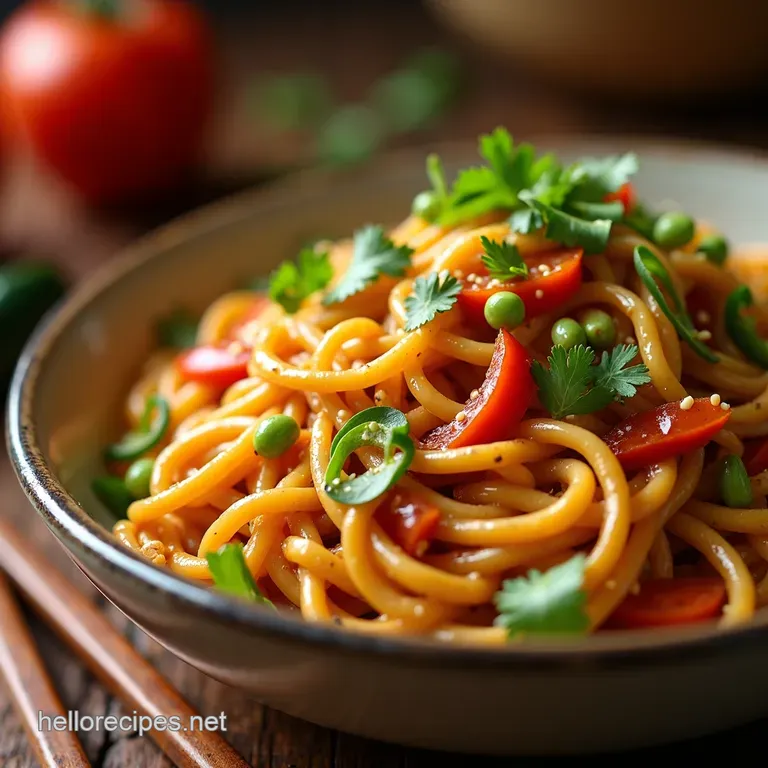
For the best results in this Quick Lo Mein , sourcing the right noodles is crucial. We ideally call for 8 oz (225g) of fresh Lo Mein Noodles . If fresh are elusive, dried Yakisoba or Chow Mein noodles make excellent substitutes.
When using dried varieties, remember the key is to slightly undercook them during the initial boil they will continue absorbing flavour and cooking in the wok later. Once cooked (usually 3– 5 minutes boiling), drain them immediately and rinse briefly under cool water.
This step halts the cooking process and prevents the strands from cementing together into a solid mass later on. A tiny drizzle of oil tossed through the cooled noodles ensures they remain beautifully separated.
Building the Velocity Sauce: Must Have Liquid Components
Our sauce is what creates the incredible flavour in record time. Whisk together 3 Tbsp Low Sodium Soy Sauce, 1 Tbsp Dark Sweet Soy Sauce (essential for that classic deep colour if you must skip, slightly increase regular soy sauce), 1 Tbsp Oyster Sauce (or a vegetarian mushroom alternative), 1 Tbsp Rice Vinegar, and 1 Tbsp packed Brown Sugar.
Add 1 tsp each of fresh grated ginger and minced garlic, plus optional Sriracha for heat. Finally, create a slurry by mixing 1 tsp of Cornstarch with 1 Tbsp of cold water; this will be added last to provide the necessary glossy coating.
Protein and Produce Power Ups: Vegetable Prep Strategies
We are using 8 oz (225g) of protein chicken breast or thigh, thinly sliced marinated briefly with 1 Tbsp Soy Sauce and 1 tsp Sesame Oil to encourage quick searing. For our Veggie Stir Fry element, we need 1 cup of small Broccoli florets, 1 medium Carrot julienned, and 2 cups of roughly chopped Napa Cabbage or Bok Choy.
Finally, slice 2 Scallions, keeping the white and green parts separate, as they enter the wok at different stages.
Essential Equipment for High Speed Stir Frying
The vessel matters immensely for high heat cooking. A large Wok is the gold standard, as its curved bottom directs heat efficiently. If a wok isn't available, a very large, heavy bottomed frying pan will suffice.
Beyond the cookware, a sturdy pair of tongs will be your absolute best friend for tossing the noodles vigorously without breaking them.
Related Recipes Worth Trying
- Quick Lemon Chicken Romano with Buttery Parmesan Sauce — Make this Easy Lemon Chicken Romano recipe tonight Get the secret to a vibrant lemon butter sauce and perfectly crisp cutlets for a stunning Italian Chicken...
- Quick Delicious Sesame Chicken My 30Minute Sticky Glaze Recipe — The ultimate Quick Delicious Sesame Chicken is here Ready in 30 minutes this easy recipe delivers crispy chicken and a heavenly sticky sesame glaze Bish...
- My FailProof Powdered Sugar Icing Recipe Powdered Quick Hard Setting Glaze — Skip the faff This failsafe Powdered Sugar Icing Recipe Powdered is a twoingredient powdered sugar glaze that sets beautifully hard Perfect for doughnuts or...
Executing the High Heat Choreography: Your Cooking Timeline
With all components prepped, the cooking phase will fly by in under seven minutes. Speed is non-negotiable here.
Noodle Perfection: Preventing the Clump Catastrophe
The pre-cooked and rinsed noodles are waiting patiently. They are ready to receive their flavour infusion immediately after the vegetables have been flash cooked.
Step 1: The Sauce Integration Flavor First
First, ensure your wok is shimmering hot this is critical to avoid steaming. Add 1 Tbsp of neutral oil (like canola or peanut). Sear your marinated protein rapidly for about 2– 3 minutes until barely cooked through, then immediately remove it from the wok and set it aside.
This prevents overcooking while we handle the vegetables.
Step 2: Protein Searing and Vegetable Flash Cooking
Add the remaining 1 Tbsp of oil to the hot wok. Toss in the harder vegetables first: the carrots and broccoli. Stir fry intensely for 60 seconds. Next, add the white parts of the scallions and the cabbage. Cook for one more minute until the cabbage just begins to soften its structure but retains significant crunch.
Step 3: Combining All Elements for Optimal Quick Lo Mein Finish
Return the seared protein to the wok. Introduce the pre-cooked noodles to the pan. Now, pour that entire Quick Lo Mein Sauce mixture over everything.
The Final Toss: Achieving Glossy, Separated Strands
Turn the heat to maximum. Stir fry everything constantly for about 30 seconds. Then, pour in your cornstarch slurry. Continue tossing vigorously for another minute. You will see the sauce bubble, thicken rapidly, and smoothly adhere to every strand of noodle and piece of vegetable.
Once glossy, immediately remove the wok from the heat. Stir in the green parts of the scallions and a final, tiny drizzle of toasted sesame oil for fragrance. Serve immediately to enjoy the optimal texture of this fantastic Easy Lo Mein .
Elevating Your Instant Classic: Pro Hacks and Customizations
While the base recipe is fantastic, the adaptability of this Quick Lo Mein Recipe allows for endless personalization.
Vegetarian Velocity: Swapping Proteins Seamlessly
To keep this dish moving quickly while accommodating dietary needs, swap the chicken for firm tofu. Ensure the tofu is pressed thoroughly to remove excess water, then cut it into cubes and pan-fry it in Step 2 until golden brown before setting it aside.
For the sauce, substitute the oyster sauce with an equal amount of vegetarian mushroom stir fry sauce to retain that deep umami note.
Spice Level Adjustments for Adventurous Palates
If you crave more fire, increase the Sriracha or Chili Garlic Sauce in the initial sauce mix. Alternatively, for a cleaner heat that blooms as you eat, incorporate a small amount of dried chili flakes into the oil during the very first minute of cooking, ensuring they infuse the oil without burning.
Maximizing Shelf Life: Keeping Your Noodles Fresh for Later
This dish is best eaten immediately, but leftovers are certainly possible. When storing, place the noodles in an airtight container, ensuring you do not pack them down tightly; letting them cool slightly first helps prevent residual steam from causing sogginess.
They reheat wonderfully, though you might need a tiny splash of water or stock when reheating in a pan to reinvigorate the sauce coating.
Logistics: Storing and Reheating Leftover Perfection
While fresh is always best, leftovers of this quick meal hold up well. Store cooled portions in the refrigerator for up to three days. For reheating, avoid the microwave if possible, as it can dry the noodles out quickly. Instead, use a non-stick pan over medium heat with a tablespoon of water or broth.
Toss until the noodles are heated through and the sauce is reactivated.
Serving Suggestions
To complete your speedy feast, consider serving this Quick Lo Mein alongside crispy spring rolls for dipping into any residual sauce, or balance the richness with a simple side of blanched Gai Lan drizzled with sesame oil.
A cold, slightly off-dry Riesling or a refreshing green tea pairs beautifully with the savoury, slightly sweet profile of the finished dish.
Frequently Asked Questions
How can I make this Quick Lo Mein recipe vegetarian or vegan?
That’s a doddle! You can easily swap the chicken for pressed, cubed firm tofu which you should pan-fry first until golden to give it some bite. For the sauce, simply replace the oyster sauce with a vegetarian mushroom stir fry sauce, or use a bit of extra soy sauce mixed with a touch of maple syrup for depth.
My noodles ended up a bit gummy after mixing. What went wrong?
Ah, the dreaded gummy noodle situation! This usually happens if the noodles are overcooked to start with, or if you didn't rinse them quickly with cold water after draining that stops the cooking dead.
Also, make sure you toss them with a tiny splash of oil right after rinsing to keep them separated before they hit the wok.
Can I use different vegetables in this Quick Lo Mein if I don't have the ones listed?
Absolutely, feel free to raid the fridge! The key is to use vegetables that cook relatively quickly. Bell peppers, snow peas, sliced mushrooms, or even pre-shredded cabbage work brilliantly.
Just remember to add the firmer veg (like carrots) in first, followed by the softer ones, so everything finishes cooking at the same time.
I want to make this ahead of time. How should I store leftovers?
Leftovers should be stored in an airtight container in the fridge for up to three days they keep rather well, though they will be a little less vibrant than freshly made. When reheating, a splash of water or a tiny bit of soy sauce in the microwave or pan helps loosen the noodles and refresh the flavour, preventing them from drying out.
My sauce is too thin/too thick once I’ve added it to the wok. What now?
That’s what the cornstarch slurry is for, bless it! If your sauce is too thin, just mix another teaspoon of cornstarch with a tablespoon of cold water and stir that into the hot wok; it should thicken up almost instantly.
If it’s too thick, add a tablespoon of water or chicken stock until you reach a nice, glossy consistency that coats the noodles nicely.
The 15minute Speedy Chefs Lo Mein Faster Than De
Ingredients:
Instructions:
Nutrition Facts:
| Calories | 4810 kcal |
|---|---|
| Protein | 43.1 g |
| Fat | 83.9 g |
| Carbs | 254.3 g |
| Fiber | 36.8 g |
| Sodium | 11430 mg |
