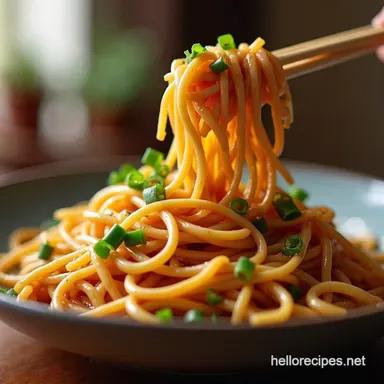
The Speedy Shanghai Slurp Betterthantakeout Lo Mein
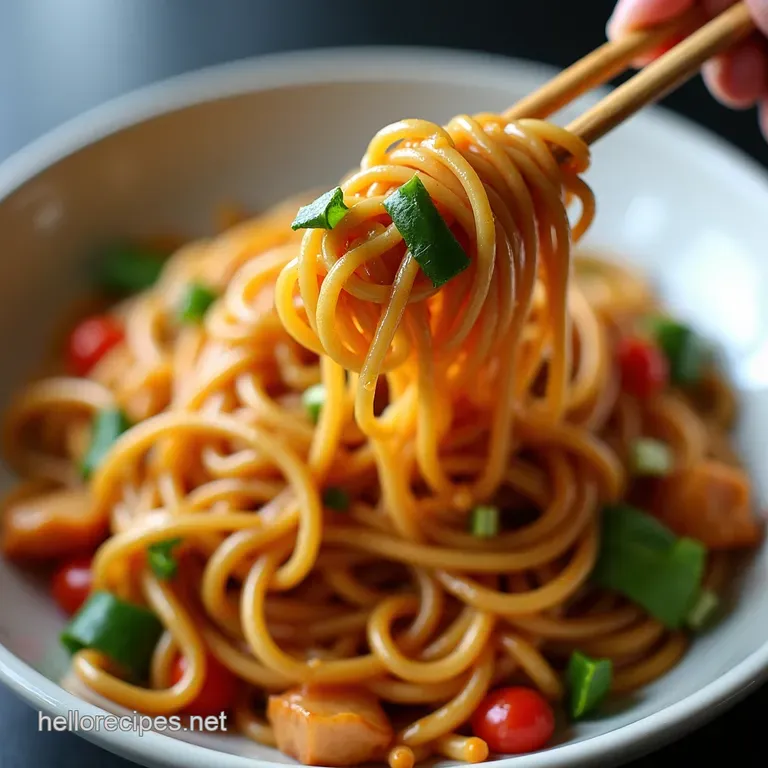
- Unlocking the Secrets to Restaurant-Quality Lo Mein at Home
- Why This Speedy Shanghai Slurp Beats Any Takeout Order
- The Essential Arsenal: Components for Superior Lo Mein
- Crafting the Signature Glossy Sauce Base
- The Searing Stage: Building Flavor Layer by Layer
- Bringing It All Together: Achieving the Perfect Toss
- Elevating Your Noodle Game: Expert Tweaks and Variations
- Frequently Asked Questions
- 📝 Recipe Card
Unlocking the Secrets to Restaurant Quality Lo Mein at Home
There’s something uniquely comforting about a steaming bowl of noodles drenched in a deeply savoury sauce. While ordering takeout is convenient, nothing compares to the vibrant freshness and perfect texture you can achieve when crafting this dish yourself.
Mastering the Lo Mein technique transforms a simple weeknight meal into an impressive culinary event. Forget the rubbery, over sauced versions you might have experienced; we are diving deep into the method required to build authentic, restaurant quality flavour right on your home stovetop.
This approach demystifies the process, ensuring your Homemade Lo Mein is glossy, perfectly seasoned, and ready before the delivery driver even leaves the restaurant parking lot.
Why This Speedy Shanghai Slurp Beats Any Takeout Order
We aren’t just making dinner; we are optimizing it. This specific Lo Mein Recipe Easy blueprint is designed for speed and maximum impact, guaranteeing a Quick Homemade Dinner without sacrificing complexity.
The beauty of this dish lies in its rapid assembly once all the components are prepped. It's a highly satisfying method that proves you don't need hours to create depth of flavour.
The Quest for Authentic Wok Hei Flavor
The hallmark of truly great stir fry, including Lo Mein , is wok hei , or the breath of the wok that subtle, smoky, charred flavour imparted by extreme, focused heat.
While achieving true wok hei often requires a powerful commercial burner, we can mimic this effect beautifully on a standard home hob by using the correct equipment (a large wok) and refusing to overcrowd the pan. This ensures vaporization over steaming, which is critical for textural integrity.
Our 30-Minute Weeknight Guarantee
We understand that time is precious. By streamlining the prep, this recipe clocks in at under 30 minutes total. This focus on efficiency means we can confidently deliver a Quick Lo Mein Recipe that slides seamlessly into busy schedules, making it a perfect candidate for Meals In A Budget planning, as it relies on simple, pantry friendly components.
Balancing Savory Depth and Bright Aromatics
A fantastic noodle dish is a tightrope walk between heavy umami and refreshing brightness. Our foundational Lo Mein Sauce Recipe utilizes the deep, meaty notes of oyster sauce alongside the sharpness of soy, then cuts through that richness with a careful addition of rice vinegar and fresh aromatics like ginger and garlic.
This balance ensures the final product is craveable without feeling heavy on the palate.
The Essential Arsenal: Components for Superior Lo Mein
Before we strike the match, success hinges on preparation. Unlike stewing, where ingredients meld slowly, stir frying requires everything to be ready for immediate entry into the hot wok.
We are working with three core groups: the noodles, the supporting cast (protein and vegetables), and the flavour binder (the sauce).
Related Recipes Worth Trying
- BlitzSpeed Shanghai Lo Mein 15 Minute Weeknight Dinner — Forget the takeaway menus This Easy Lo Mein Recipe delivers vibrant Asian Noodles with restaurant flavour in about 15 minutes flat Follow our simple steps...
- 15Minute Takeaway Triumph Easy Authentic Lo Mein — Ditch the delivery This easy Lo Mein recipe delivers authentic flavour in just 15 minutes Perfect your quick Lo Mein sauce for a speedy skillet meal
- 15Minute Quick Lo Mein Faster Than Your Takeaway Order — Tired of waiting for delivery This Easy Lo Mein Recipe delivers punchy flavour in under 20 minutes Master the Quick Lo Mein Sauce for perfect weeknight dinners
Crafting the Signature Glossy Sauce Base
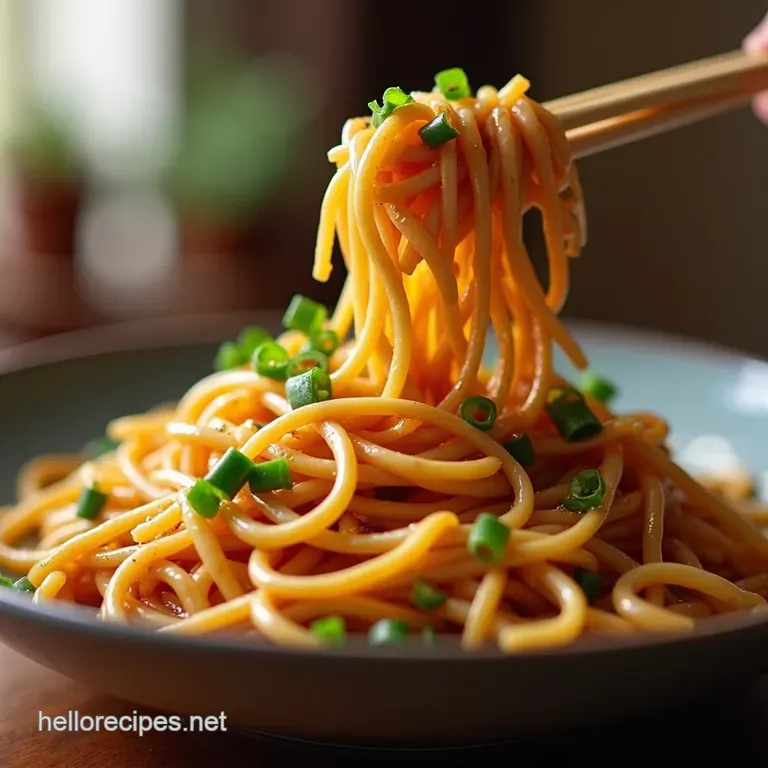
The sauce is the heart and soul of any great noodle dish. For this Easy Lo Mein , we are whisking together a mixture that provides colour, salinity, sweetness, and viscosity.
Selecting and Prepping Your Protein and Vegetables
For our 4-serving batch, start with about 1 pound of your chosen protein perhaps thinly sliced chicken breast, plump shrimp, or firm tofu cubed and pressed dry. Slice them against the grain to ensure tenderness.
Complement this with hardy vegetables that can withstand high heat: 2 cups of shredded cabbage and one large carrot sliced into fine matchsticks (julienne) will provide excellent crunch and colour. Don't forget the scallions; separating the whites (for cooking) and the greens (for garnish) is a crucial step.
Noodle Selection: Thickness and Texture Matters
The very foundation of the dish is the Lo Mein Noodles Recipe itself. Fresh noodles are always preferred for their pliability and rapid cooking time. If using dried, look for medium thickness egg noodles.
Regardless of your choice, they must be cooked al dente —slightly underdone because they will finish cooking in the sauce.
The Umami Trifecta: Soy, Oyster, and Sesame Ratios
To build our sauce, we combine 1/4 cup of low-sodium soy sauce, 3 tablespoons of rich oyster sauce (the key umami player), 1 tablespoon of toasted sesame oil for that nutty finish, 1 tablespoon of rice vinegar for tang, and just 1 teaspoon of brown sugar to round out the saltiness.
A half teaspoon of white pepper adds a subtle warmth traditional to many Asian dishes. If you desire a thicker coat, a simple slurry of 1 teaspoon of cornstarch mixed with 1 tablespoon of cold water should be whisked in at this stage.
Mise en Place: Your Prep Checklist
With the sauce mixed and the vegetables chopped, your final pre-cooking task is to boil the noodles until they are just tender. Drain them immediately, toss with a tiny bit of neutral oil to prevent clumping, and place them near the stove.
When everything is staged protein sliced, aromatics minced, sauce waiting you are ready to achieve that lightning fast cook time.
The Searing Stage: Building Flavor Layer by Layer
The key to preventing soggy vegetables and achieving depth is managing heat and sequence. We cook in stages, allowing each element to reach its peak flavour before adding the next.
Bringing It All Together: Achieving the Perfect Toss
This is where speed and confidence matter most. Remember, once the action starts, you will be tossing constantly.
Pre-Cooking Noodles for Optimal Chewiness
As mentioned, cook your noodles until they are resilient, not soft. A brief cold water rinse halts the cooking process immediately and washes away excess starch, which is vital for preventing the final Lo Mein from turning into a sticky mass.
Flash Frying Aromatics for Maximum Impact
Place your wok over high heat until it just begins to smoke. Add 2 tablespoons of high smoke point oil (like canola or peanut). Quickly add your minced garlic, grated ginger, and the white parts of the green onions. Stir fry this mixture aggressively for no more than 30 seconds.
The goal is fragrant, not brown; burnt garlic introduces bitterness we absolutely must avoid.
Incorporating Protein and Vegetables Correctly
Next, add your pre-cooked protein and sear it quickly for about 3 to 4 minutes until it's beautifully coloured. Remove the protein and set it aside. Now, introduce the cabbage and carrots to the scorching hot wok. Stir fry for a mere minute or two; they should remain crisp and vibrant.
Return the protein to the wok.
The Final Glaze: Coating Every Strand of Lo Mein
Now, it’s time for the main event. Add the cooked, drained noodles to the vegetable and protein mixture. Pour your prepared sauce evenly over everything. Using tongs, toss and lift the ingredients constantly for about 90 seconds.
The heat will activate the cornstarch (if used), causing the sauce to rapidly cling to the noodles, creating that signature glossy coating that separates superior Lo Mein from mediocre attempts. Remove from heat instantly once coated.
Elevating Your Noodle Game: Expert Tweaks and Variations
Once you master the core technique, customization opens up a world of possibilities. Understanding Lo Mein vs Chow Mein —where Lo Mein is typically saucier and Chow Mein is drier with a crispier texture helps guide your adjustments.
If you prefer a drier style, simply reduce the sauce quantity slightly or cook the noodles for an extra minute in the wok before adding the sauce.
Vegetarian Swaps and Vegan Sauce Modifications
To make this recipe fully plant based, substitute the chicken or shrimp with pressed, cubed tofu, searing it until golden brown. The oyster sauce substitution is key: use a high-quality vegetarian mushroom stir fry sauce, which provides a similar depth without any animal product.
How to Introduce Controlled Heat (Spice Level Guide)
For those who enjoy a kick, heat should be introduced early or late depending on your preference. For a smoky, integrated heat, add a teaspoon of chili garlic sauce along with the soy sauce. For a sharp, immediate heat, sprinkle red pepper flakes in with the garlic and ginger at the beginning of the searing stage.
Keeping Your Leftover Lo Mein Fresh Overnight
Leftovers, if stored correctly, are excellent. The main enemy is moisture. Ensure the noodles are completely cool before sealing them in an airtight container. When reheating, a quick splash of water or a tablespoon of broth added to the wok or microwave helps reintroduce steam and softens the noodles without drying them out.
By following these precise steps from perfectly al dente noodles to flash frying aromatics you have mastered the art of truly exceptional, better than-takeout Lo Mein . Enjoy the flavour journey!
Frequently Asked Questions
My Lo Mein noodles always end up a sticky, clumpy mess. How do I stop that from happening?
Ah, the dreaded noodle clump! This usually happens because the noodles are still too starchy when they hit the wok. The secret, my friend, is rinsing them under cold water immediately after draining.
This washes off the surface starch, halting the cooking process so they don't overcook when you toss them in the sauce later. A tiny drizzle of oil afterwards helps too, stopping them from sticking in the serving bowl.
Can I use regular spaghetti instead of proper Lo Mein noodles if I'm in a pinch?
Absolutely, needs must when the devil drives! Spaghetti or even dried egg noodles will do the trick if you're stuck just make sure you cook them strictly al dente, perhaps even a minute less than the packet suggests.
The texture won't be quite as bouncy as traditional Lo Mein noodles, but the flavour of your fantastic sauce will still shine through. Just drain and rinse them well as we mentioned!
How do I get that smoky "wok hei" flavour without a massive, roaring restaurant burner?
That's the million dollar question! You can fake that smoky kiss by using the absolute highest heat your home hob can muster, ideally in a large, heavy bottomed wok that retains heat well. Crucially, never overcrowd the pan; cook in smaller batches if necessary.
The brief, intense sear on the protein and vegetables before adding the noodles is what captures that slightly charred essence.
What's the best way to store leftover Lo Mein, and does it reheat well?
It stores rather decently, provided you didn't add too much sauce initially, as sauces tend to make noodles soggy overnight. Store leftovers in an airtight container in the fridge for up to three days.
When reheating, splash in a tiny bit of water or chicken stock before microwaving; this steam will revive the noodles so they don't feel dry or too firm.
My takeaway versions are often loaded with veggies, but how much can I add to this recipe without ruining the balance of the Lo Mein?
That’s the beauty of homemade you load it up! Just remember the golden rule: high heat equals quick cooking. You can certainly add more, but stick to quick cooking veg like bell peppers, broccoli florets, or bok choy.
If you add denser vegetables like broccoli, toss them in right after the protein so they get a good head start on cooking before you introduce the noodles.
I'm watching my salt intake. Can I make a healthier, lower sodium version of this Lo Mein sauce?
You absolutely can trim the sodium without sacrificing all the flavour; it just takes a bit more balance. Swap standard soy sauce for a low-sodium version this cuts a fair bit right off the bat.
Then, boost the non-sodium flavour elements: use fresh ginger liberally, add a little extra rice vinegar for brightness, and use a higher quality, more intensely flavoured oyster sauce so you don't miss the saltiness.
Speedy Homemade Lo Mein