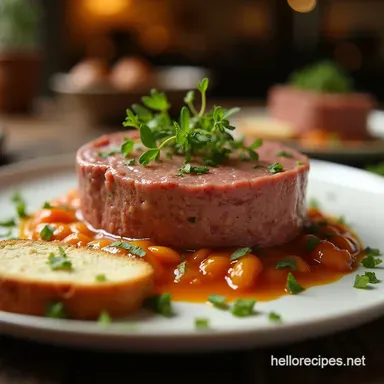
Chicken Liver Pâté in 25 Minutes

- Total25 Mins
- Servings10
- Calories179 kcal
- Time: 15 min prep + 10 min cook
- Flavor & Texture: Savory, rich, and silky
- Perfect for: Elegant appetizers or brunch
Classic Chicken Liver Pâté
Many home-made pâtés end up with a grainy texture or a metallic, iron-like taste. These issues usually happen when the livers are overcooked or not trimmed properly.
This chicken liver pâté focuses on a hard sear and a cold butter emulsion to fix those problems. It gives you a glossy, spreadable result that hits the right notes without spending all day in the kitchen.
You can expect a rich, savory spread that tastes high-end but uses simple techniques. It's a great way to use affordable ingredients to create something that feels special.
How the Texture Works
- Cold Butter: Adding chilled cubes during the blending process helps keep the fat from separating. This creates a stable emulsion and a smooth mouthfeel.
- Quick Searing: High heat for a short time develops a rich brown crust while keeping the center tender. This prevents the final result from becoming chalky.
Essential Ingredients
- 1 lb chicken livers, trimmed of connective tissue
- 3 tbsp unsalted butter
- 2 medium shallots, finely minced
- 3 cloves garlic, minced
- 1/2 tsp kosher salt
- 1/4 cup chicken stock
- 2 tbsp heavy cream
- 1/2 cup unsalted butter, cold and cubed
- 1 tbsp fresh parsley, chopped
Chicken livers are the star here. I like to trim them carefully to remove any green bits or connective tissue, as those cause grittiness. Unsalted butter provides the richness, while shallots and garlic add a sweet, aromatic layer.
If you're out of store-bought stock, a homemade roasted vegetable stock works as a savory substitute. Heavy cream adds a touch of softness to the finish.
Recipe Specs
- Servings: 10
- Preparation: 15 minutes
- Cooking: 10 minutes
- Total: 25 minutes
Tools You'll Need
You'll need a medium skillet for searing and a food processor to get that smooth consistency. A fine-mesh sieve is helpful if you want to ensure there are zero lumps. A glass jar is best for storage.
Making the Pâté
Searing the Base
In a medium skillet, melt 3 tablespoons of butter over medium-high heat. Once the butter starts bubbling, arrange the trimmed chicken livers in a single layer. Sear for 2-3 minutes per side until a deep golden brown crust develops and they hit 165°F (74°C).
The pan should give off a toasted nut aroma. Move the livers to a plate.

Building the Flavor
Turn the heat down to medium. Stir in the minced shallots and garlic, sautéing for 2 minutes until translucent and fragrant. A sweet, aromatic scent will fill the kitchen. Pour in the chicken stock to deglaze, using a spatula to scrape up all the browned bits.
Let the liquid simmer for 1 minute to reduce slightly.

Creating the Silkiness
Put the seared livers and all pan juices into a food processor. Pulse until chopped coarsely, then blend on high. While the processor is running, slowly stream in the heavy cream and add the cold, cubed butter one piece at a time. Blend until the mixture is glossy and completely smooth.
It should have a rich, creamy scent.
Transfer the pâté to a glass jar and garnish with chopped fresh parsley. Store in the refrigerator, pressing parchment paper directly onto the surface to prevent oxidation.

If Something Goes Wrong
If your pâté feels a bit too thick, you can pulse in a teaspoon of extra cream. However, most issues come down to the prep or the temperature of the butter.
Grainy Texture
This happens if connective tissue was left on the livers or if the blending time was too short. To fix it, pass the mixture through a fine-mesh sieve using a spoon to push it through.
Separated Mixture
If the butter was too warm when added, the fat can split. This results in an oily appearance. You can sometimes fix this by pulsing in one more cube of very cold butter to re-emulsify the fats.
Strong Iron Flavor
Livers can sometimes taste too "metallic." Adding a tiny pinch more salt or a drop of lemon juice can balance this out.
| Problem | Root Cause | Solution |
|---|---|---|
| Grainy texture | Connective tissue remaining | Pass through a fine-mesh sieve |
| Oily/Separated | Butter was too warm | Pulse in cold butter cubes |
| Metallic taste | Natural liver flavor | Add a pinch of salt or lemon juice |
Keeping It Fresh
Store your pâté in a glass jar within the refrigerator. To prevent the top from turning grey, place a piece of parchment paper against the surface. It can be kept for 3 to 4 days following USDA guidelines on food safety.
This dish is freezer-friendly. Use an airtight container and freeze it for no more than 3 months. To restore its spreadable texture, leave it out at room temperature for 30-60 minutes before eating. Do not use a microwave, as this will cause the butter to melt and separate.
Best Serving Options

Serving this chicken liver pâté with toasted baguette slices is the classic move. I also like it with cornichons or pickled red onions to cut through the richness. Fresh apple slices provide a crisp, sweet contrast that works really well.
Dietary Changes
Preparing a dairy-free chicken liver pâté is straightforward. You can replace the butter with a plant-based alternative and use coconut cream as a substitute for heavy cream.
| Original Ingredient | Substitute | Why It Works |
|---|---|---|
| Unsalted Butter | Vegan Butter | Comparable fat profile. Note: Ensure it has a neutral flavor |
| Heavy Cream | Coconut Cream | Offers a similar consistency. Note: May introduce a hint of coconut |
Recipe FAQs
What is the secret to a silky-smooth pâté without grittiness?
Trim the livers carefully to remove all connective tissue and green bits. Incorporate cold, cubed butter during blending to create a stable, glossy emulsion.
How to prepare the pâté from scratch?
Sear trimmed livers in butter until they reach 165°F, then sauté aromatics and deglaze with stock. Blend the mixture with heavy cream and cold butter until completely smooth.
Can this be adapted into a Vietnamese liver spread?
Yes, a Vietnamese version often uses more fat and specific seasonings to achieve a softer, more buttery consistency. It follows a similar process of searing livers and blending them into a smooth paste.
Where should the finished spread be stored?
Keep the pâté in the refrigerator. Press parchment paper directly onto the surface to prevent oxidation.
Chicken Liver Pâté in 25 Minutes