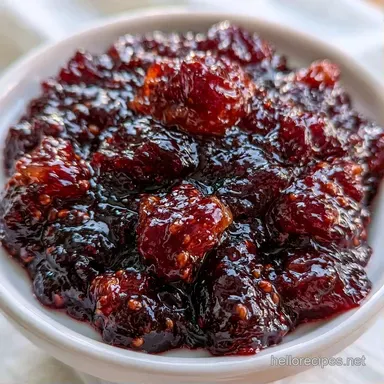
Small Batch Fig Jam: No Pectin
- Duration: 5 min prep + 30 min simmer
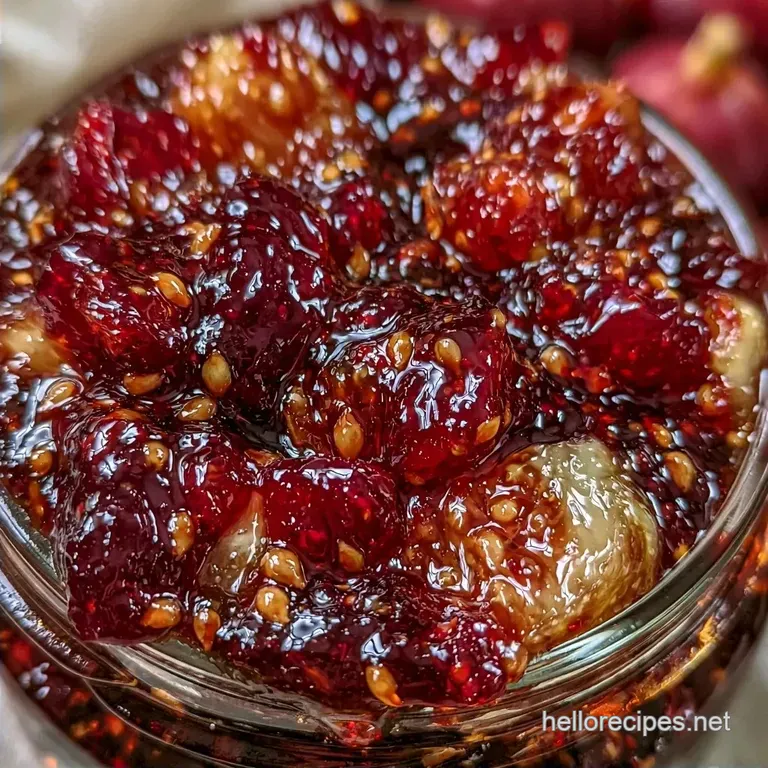
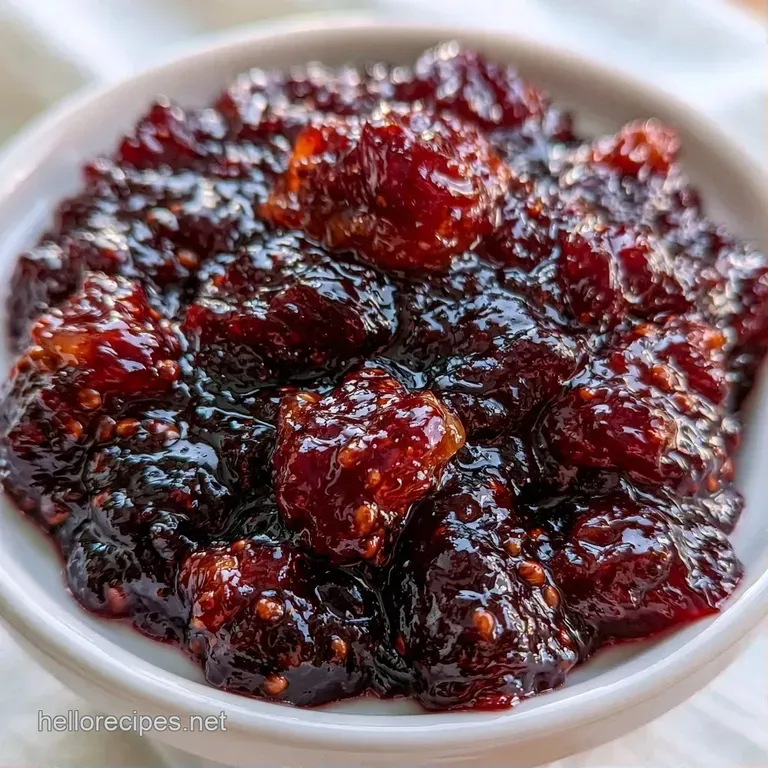
- Sensory Profile: A deep mahogany shade with a rustic, chunky consistency
- Perfect for: Cheese platters, morning toast, or as a plant-based dessert topping
The aroma of figs simmering is truly special. It fills the air with a heavy, syrupy scent that evokes autumn, even when it's still ninety degrees out. I once attempted a massive canning project and ended up with far more jars than I knew what to do with, which felt like a waste of great produce.
That is why I prefer this small batch approach. You get the same concentrated taste without the overhead of a full canning session. This Fig Jam prioritizes quality over quantity; it's an easy win that takes under an hour and gives you a jar you'll actually finish before it expires.
The result is a spread that's thick, slightly chunky, and intensely vibrant. It doesn't have that processed, store-bought taste. Instead, it tastes like sun-ripened fruit transformed by heat and a touch of salt to make the sugars sing.
Why This Fig Jam Sets
- Natural Pectin: Figs have enough internal pectin to thicken on their own. We just need to simmer them down to concentrate it.
- Lemon Acid: The lemon juice reacts with that pectin. It helps the jam bond together so it doesn't stay runny.
- Slow Maceration: Letting the sugar sit with the fruit first draws out the juices. This prevents the fruit from scorching before the syrup forms.
| Method | Time | Texture | Best For |
|---|---|---|---|
| Small Batch | 45 mins | Rustic/Chunky | Fresh use, fridge storage |
| Classic Canning | 3+ hours | Smooth/Uniform | Long term pantry storage |
Right then, let's look at what goes into the pot.
What Each Ingredient Does
| Component | Purpose | Substitute Notes |
|---|---|---|
| Fresh Figs | Base flavor and pectin | Dried figs: Soak in water first; results in a denser jam |
| Honey | Depth and gloss | Maple syrup: Works well, adds a woody note |
| Lemon Juice | Sets the jam and cuts sugar | Apple cider vinegar: More tart, less citrusy |
| Vanilla Extract | Rounds out the sweetness | Almond extract: Use half the amount for a nutty vibe |
I prefer using Black Mission or Brown Turkey figs for this. They have that deep, jammy interior that works so well here.
The Shopping List
- 1 lb fresh figs, stems removed and quartered Why this? Provides the bulk and the natural thickening power.
- 1/2 cup granulated sugar Why this? Essential for the set and preservation.
- 2 tbsp honey Why this? Adds a floral, velvety layer to the fruit.
- 1 tbsp fresh lemon juice Why this? Activates pectin and balances the sugar.
- 1 tsp vanilla extract Why this? Adds a warm, aromatic finish.
- 1/4 tsp sea salt Why this? Stops the jam from being one dimensional.
If you're out of honey, a bit of agave works, though you lose that specific floral note.
Gear You Need
Only a few tools are required. A heavy bottomed medium saucepan is key to prevent the sugar from burning. To get a rustic texture, I use a sturdy fork or a potato masher. You'll also need a small plate, chilled in the freezer for at least 20 minutes, to test for doneness.
Making the Fig Jam
- Place the quartered figs, sugar, and honey into your saucepan. Stir gently to coat the fruit.
- Let the mixture sit for 5–10 minutes. Note: You'll see the sugar liquefy as it draws out the fig juices.
- Bring the mixture to a gentle boil over medium heat.
- Immediately reduce the heat to a simmer. Stir occasionally so nothing sticks.
- Use a potato masher or fork to crush some of the figs. Continue until you have a mix of smooth syrup and chunky fruit.
- Stir in the lemon juice, vanilla extract, and sea salt.
- Simmer for 20–25 minutes. Wait until the mixture bubbles slowly and looks thick and glossy.
- Perform the cold plate test: drop a small spoonful of jam onto the frozen plate.
- Wait 30 seconds, then push the edge with your finger. If the surface wrinkles and doesn't run back, it's done.
Once it passes the test, take it off the heat immediately. Overcooking it will turn the sugar into candy and make the jam rubbery.
Fixing Common Issues
Sometimes the fruit just doesn't behave. If your figs were particularly ripe, they might have more water, which means the jam takes longer to set. Don't panic and start adding cornstarch. That ruins the clean fruit taste. Just keep simmering.
If you see the jam sticking to the bottom, your heat is too high. Lower it and stir more frequently. The goal is a slow bubble, not a violent boil.
Jam is Too Runny
This usually happens if the fruit was very juicy or the simmer was too short. Put it back on low heat for another 5-10 minutes.
The Jam is Scorching
If you smell something burnt, stop immediately. Do not stir the burnt bits from the bottom into the rest of the jam. Carefully spoon the "good" jam into a clean pot and start the final simmer again.
Too Much Seediness
Figs have seeds, which is normal. But if you want it smoother, you can pulse the finished jam in a food processor for 5 seconds.
| Problem | Root Cause | Solution |
|---|---|---|
| Won't set | Low pectin or undercooked | Simmer 5-10 mins longer |
| Bitter taste | Burnt sugar at bottom | Transfer top layer to new pot |
| Too sweet | Lack of acidity | Add 1/2 tsp more lemon juice |
If you enjoy these kinds of preserves, you might also like my Apricot Jam recipe, which has a similar fast cook approach.
Flavor Variations
This base is very flexible. You can keep it classic or lean into some bolder, fusion flavors.
Small Batch Strawberry Fig Jam
Replace 1/4 lb of the figs with diced strawberries. The berries add a bright red color and a sharper tang that cuts through the honey notes of the figs.
Paleo Fig Jam Recipe
Swap the granulated sugar for an equal amount of maple syrup or date syrup. Note that the set will be slightly softer, as the chemistry of the sugar affects the pectin.
The Spicy Autumn Twist
Stir in a pinch of cinnamon and a tiny pinch of cayenne pepper during the last 5 minutes of simmering. It creates a heat that glows in the back of your throat.
Orange Zest Infusion
Add the zest of one organic orange along with the vanilla. The citrus oils make the Fig Jam taste more like a gourmet preserve you'd find at a high end market.
| Goal | What to change |
|---|---|
| More Tartness | Increase lemon juice by 1 tsp |
| Thicker Set | Simmer for 5 extra minutes |
| Less Sweet | Reduce sugar to 1/3 cup |
Right, let's talk about keeping this fresh.
Keeping It Fresh
Transfer your jam into a clean glass jar. It will keep in the refrigerator for 3 weeks. Since we aren't using a full water bath canning process, it must remain chilled. If you have extra, store it in small containers in the freezer for 3 months and let it defrost in the fridge overnight.
To minimize waste, save any clean fig stems. While not for the jam itself, some people dry them for herbal infusions; otherwise, they are great for the compost. Since this is a SmallBatch Fig Jam, you likely won't have many leftovers, but if you do, try brushing some onto roasted carrots for a sweet finish.
If you're looking for other quick spreads, my Simple Apricot Jam is another excellent fridge stable option.
Serving Your Spread
Here is where the flavor really shines. Fig jam is a standout addition to any cheese board, especially when paired with a creamy goat cheese or sharp Manchego. The interplay between the salty cheese and honeyed fruit is wonderful.
You can also use this as a filling for thumbprint cookies or stir it into Greek yogurt for breakfast. For a more indulgent option, try a grilled cheese sandwich with melted brie and a thin layer of jam. The combination is an absolute winner.
I love serving mine in a small ceramic bowl with a wooden spoon for a rustic, inviting feel. Don't worry too much about the presentation; the jam's rich, deep color is visually striking on its own.
Truth About Pectin
There is a common misconception that you need store-bought pectin to make jam. That isn't true. Many fruits, including figs, possess enough natural pectin to set correctly as long as you apply the right heat and acidity.
The Sugar Myth
Sugar isn't just for sweetness it's actually a structural ingredient. It helps the pectin build a network that traps the liquid, giving the jam its characteristic spreadable texture.
This recipe is designed to highlight the natural vibrancy of the fruit. It is a simple process that yields a sophisticated result. Once you have a jar of this in your kitchen, you'll find it far superior to any commercial alternative. Enjoy your Fig Jam!
Recipe FAQs
How do I make fig jam without store-bought pectin?
Simmer the figs with lemon juice and sugar to activate the fruit's own internal pectin. This creates a thick set naturally without needing powders.
How can I tell if my figs are ripe enough for jam?
Gently press the fruit to see if it gives slightly under your thumb. Ripe figs should feel soft and look heavy for their size.
Is it true that only fresh figs work for making jam?
No, this is a common misconception. Dried figs can be rehydrated and used, though they produce a denser and more concentrated flavor.
What are the best ways to serve fig jam?
Spoon it onto toasted sourdough or pair it with sharp cheeses. If you love this sweet and tangy flavor profile, you'll also enjoy our baked goat cheese.
Small Batch Fig Jam