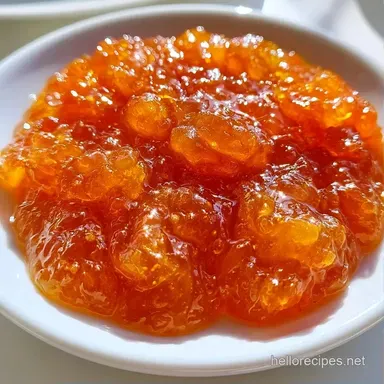
Apricot Jam: Fresh and Chunky
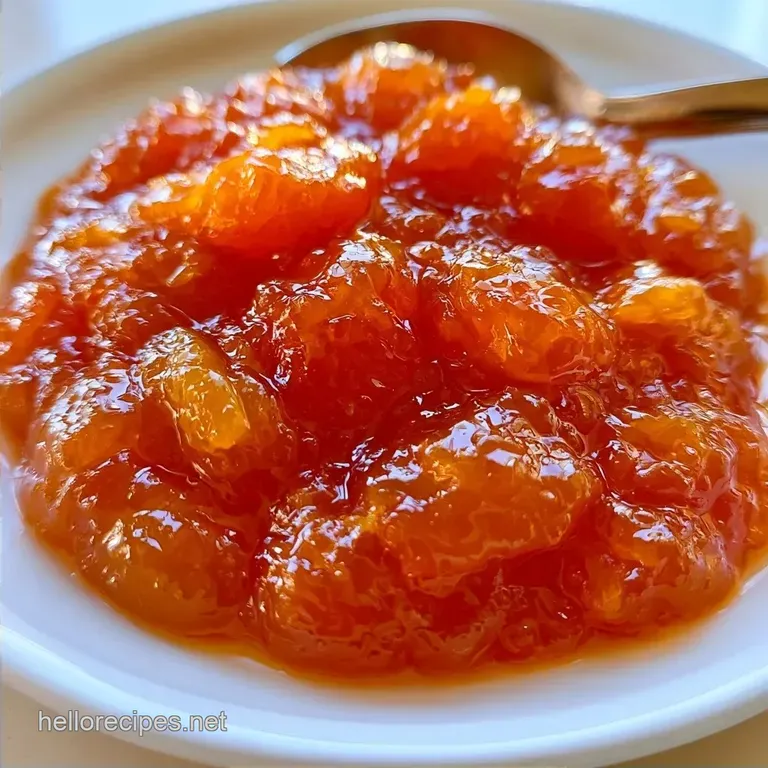
- Time: 10 min active + 40 min cooking
- Flavor/Texture Hook: Bright, tangy, and chunky
- Perfect for: Morning toast or cheese boards
The smell of simmering apricots fills the whole house, like a warm, golden version of summer. I remember my first attempt at this, where I forgot the lemon juice entirely. The result was a sweet, runny syrup that refused to set, no matter how long I boiled it.
I ended up using it as a glaze for ham, which was a happy accident, but not the jam I wanted.
Now, I treat the process with a bit more respect. There is something so satisfying about watching the fruit break down and the sugar dissolve into those thick, bubbling pools of amber. You can practically taste the sunlight in every jar.
You can expect a spread that balances a sharp tang with a deep, honey like sweetness. This batch of Apricot Jam keeps the fruit chunky and rustic, avoiding that overly processed feel you get from the store.
Simple Homemade Apricot Jam
Making your own preserves feels like a small victory over the supermarket. Most commercial versions are packed with corn syrup and artificial colors that dull the actual taste of the fruit. When you make it at home, the flavor stays bright and vibrant.
I prefer using the freshest apricots I can find, the ones that give slightly when you press them. If they are too firm, the jam takes longer to break down. If they are too mushy, you lose those nice little chunks that give the spread its character.
The goal here is a balance. We want enough sugar to preserve the fruit and help it set, but not so much that it tastes like candy. It's a fine line, but the addition of lemon juice pulls everything back into place.
Why This Set Works
The way this jam gels comes down to three things: pectin, acid, and sugar.
- Natural Pectin: Apricots have their own pectin, which acts like a glue to hold the liquid together.
- Lemon Acid: The acid from the lemon juice helps the pectin chains bond more effectively.
- Sugar Concentration: Sugar binds with water, allowing the pectin to form a mesh that thickens the jam.
| Method | Time | Texture | Best For |
|---|---|---|---|
| Fast Boil | 20 min | Runny/Syrupy | Toppings/Glazes |
| Classic Simmer | 40 min | Thick/Spreadable | Jars/Toast |
Jam Basics
Understanding the role of each ingredient helps you tweak the recipe next time. For instance, adding more lemon juice can make the flavor sharper, while using a different sugar might change the color.
What Each Ingredient Does
| Ingredient | What It Does | Best Swap |
|---|---|---|
| Fresh Apricots | Provides the base and pectin | Peaches (less tart) |
| Granulated Sugar | Preserves fruit and aids setting | Honey (thicker, darker) |
| Lemon Juice | Balances sweetness and sets gel | Citric acid (no flavor) |
The Ingredient List
I keep this list short because the fruit should do the heavy lifting. Use a scale if you can, as "cups" of chopped fruit can vary wildly depending on how small you cut them.
- 3 lbs fresh apricots, pitted and halved Why this? High natural pectin content ensures a good set.
- 1 tbsp lemon juice Why this? Fresh juice provides the necessary acid for gelling.
- 3 cups granulated sugar Why this? Standard sugar provides a clear, bright amber color.
The Right Tools
You don't need a professional laboratory, but a heavy bottomed pot is a must. Thin pots create hot spots that burn the sugar, leaving you with a bitter taste.
I use a wide stainless steel pot because it allows for faster evaporation. A wooden spoon is my go to for stirring since it doesn't conduct heat and won't scratch the bottom. For the plate test, a small ceramic plate kept in the freezer is the only way to know for sure if your Apricot Jam is done.
Making the Jam
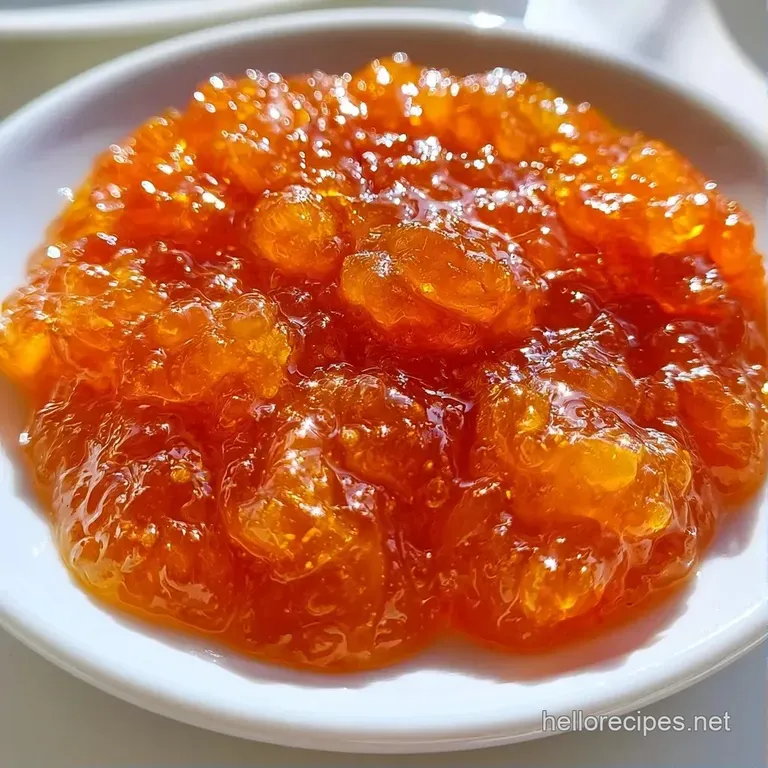
Let's get into it. Follow these steps, but keep an eye on your pot, as sugar can go from bubbling to burnt in a few seconds.
- Combine the halved apricots and lemon juice in a large, heavy bottomed pot.
- Heat over medium heat, stirring occasionally, until the fruit softens and releases its juices.
- Use a potato masher to crush the fruit. Note: Leave some chunks for a rustic feel.
- Stir in the granulated sugar gradually.
- Increase the heat to medium high and bring the mixture to a bubbling boil, stirring constantly.
- Lower the heat slightly to a steady, rolling simmer.
- Cook for 20-30 minutes until the mixture thickens and looks glossy.
- Perform the plate test: place a dollop of jam on a chilled freezer plate; if it wrinkles when pushed, it's ready.
- Skim off any white foam from the surface with a spoon to ensure a clear jam.
Avoid These Mistakes
The most common issue people have with Apricot Jam is the consistency. If it's too runny, you probably didn't hit the gel point. If it's too stiff, you've boiled away too much water.
Why Your Jam Is Runny
This usually happens if the fruit wasn't acidic enough or the cook time was too short. The sugar hasn't fully bound with the pectin.
| Problem | Root Cause | Solution |
|---|---|---|
| Too runny | Under boiled | Simmer for 5-10 more mins |
| Too stiff | Over boiled | Stir in 1 tbsp water/lemon |
| Cloudy look | Too much foam | Skim surface more carefully |
Fun Flavor Twists
Once you have the base down, you can play with the flavors. I love adding a pinch of cinnamon or a drop of vanilla extract at the very end. For something more savory, try adding a tiny bit of grated ginger.
If you have extra fruit, my Apricot Cobbler recipe is a great way to use it. You can also swap half the sugar for brown sugar for a deeper, caramel like taste.
Scaling the Batch
Adjusting the size of your batch is simple, but the timing changes.
- Half Batch: Use 1.5 lbs of fruit. Reduce the simmering time by about 20% because smaller volumes evaporate faster.
- Double Batch: Use 6 lbs of fruit. Use your largest pot to prevent boil overs. I only increase the lemon juice to 1.5 tbsp rather than doubling it to keep the tang subtle.
| Batch Size | Fruit Amount | Sugar Amount | Estimated Cook Time |
|---|---|---|---|
| Small (1/2) | 1.5 lbs | 1.5 cups | 30 minutes |
| Standard | 3 lbs | 3 cups | 40 minutes |
| Large (2x) | 6 lbs | 6 cups | 55 minutes |
Truth About Jam
There are a few myths that make people nervous about starting.
First, some think you must buy store-bought pectin. That's not true for apricots. They have enough natural pectin to set on their own if you use enough sugar and acid.
Second, people think you have to "sear" the fruit first. This doesn't help the set and can actually make the fruit too soft, ruining the chunks.
Storage and Scraps
Store your jars in the fridge for up to 3 weeks, or use a water bath canner to make them shelf stable for a year. If you freeze the jam, it lasts 6 months, though the texture can become slightly softer.
Don't toss the apricot pits if you're feeling adventurous. While you can't eat them, some people use them in homemade infusions. More practically, any leftover fruit scraps can be tossed into a smoothie or a quick compote.
Serving Ideas
This spread is a classic on buttered sourdough, but it shines when paired with salty flavors. Try it on a cracker with a wedge of sharp cheddar or brie.
It's also a great filling for an Easy Apricot Cake. For a breakfast twist, swirl a spoonful into Greek yogurt with some toasted almonds. Homemade Apricot Jam just makes everything taste a bit more like a summer holiday.
Recipe FAQs
How to make simple apricot jam?
Combine halved apricots and lemon juice in a pot over medium heat. Mash the fruit, stir in granulated sugar, and boil on medium high before simmering for 20 30 minutes until it passes the plate test.
What is the difference between apricot jam and apricot preserves?
The main difference is the fruit texture. Jam is made from crushed or mashed fruit for a spreadable consistency, while preserves contain large chunks or whole fruits suspended in syrup.
What's the secret to great apricot jam?
Perform the plate test to ensure a perfect set. Placing a small dollop of jam on a chilled freezer plate allows you to see if the surface wrinkles, preventing an undercooked or over boiled batch.
Why is my apricot jam so dark?
Overcooking or sugar caramelization often causes darkening. Stick to the 20 30 minute simmer time and avoid excessively high heat to maintain a bright, golden color.
What dishes can be made with apricots?
Fresh apricots are versatile for both sweet and savory dishes. You can use them in salads, glazes for meats, or for baking an almond based torte.
What are some great recipes using fresh apricots?
Fresh apricots excel in compotes and desserts. Try poaching them in syrup or simmering them quickly for a chunky sauce to top pancakes or cheesecake.
What do you eat apricot jam with?
It pairs beautifully with buttery toast and sharp cheeses. Try it on a warm croissant, swirled into Greek yogurt, or as a glaze for roasted pork.
Homemade Apricot Jam