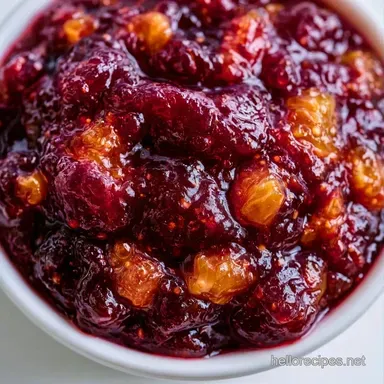
Calimyrna Fig Jam: Rich and Glossy
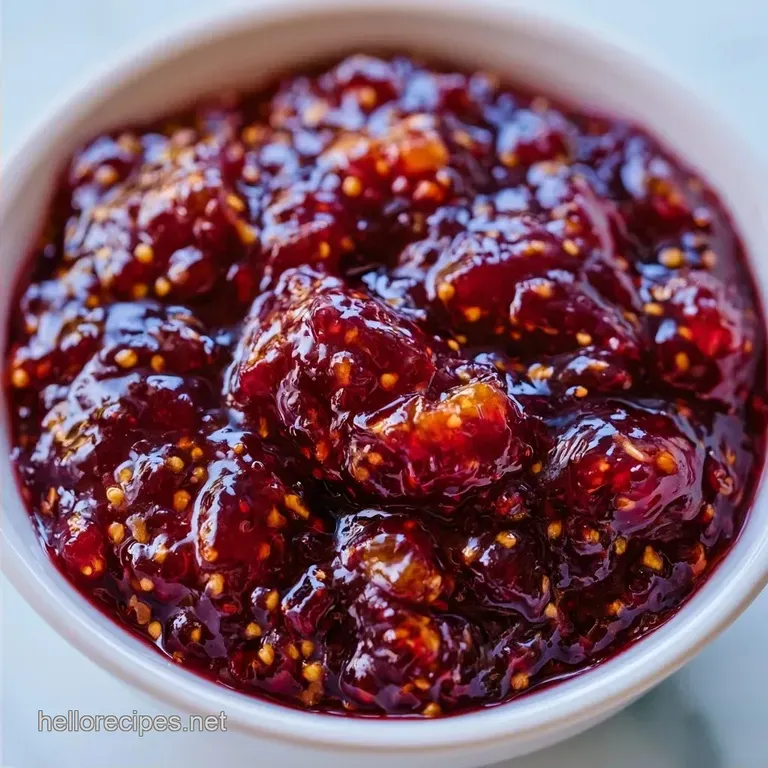
- Time: 10 min active + 15 min cooking + 10 min resting
- Flavor/Texture Hook: Deep mahogany color with a thick, glossy consistency
- Perfect for: Cheese boards, morning toast, or gift jars
The kitchen smells like warm honey and toasted citrus the second the figs hit the heat. I remember stumbling upon a crate of Calimyrna figs at a roadside stand a few years back. They were plump, purple, and smelled like a summer afternoon, but I had no idea how to use them beyond eating them raw.
I tried a few different ways to preserve them, but most results were either too runny or tasted like gelatin. Then I realized that if you just let the fruit do the heavy lifting, you get a spread that's naturally thick and vibrant.
This Fig Jam is a quick win. You don't need to spend all day stirring a pot or worrying about complex chemistry. It's just fruit, sugar, and a bit of brightness from lemon.
Making Easy Fig Jam
Natural Pectin: Figs have enough internal pectin to thicken on their own when heated with sugar. Acid Balance: The lemon juice reacts with that pectin to create a stable, spreadable set without a rubbery feel.
Recipe Specs
This version is designed for speed and deep flavor. We use a short, intense simmer to concentrate the sugars without overcooking the fruit into a bland mush. It's a plant based treat that works as well on a piece of brie as it does on a sourdough slice.
Ingredient Choices
The base of this recipe is the Calimyrna fig. These are smaller and sweeter than some other varieties, which helps the Fig Jam thicken faster. I prefer them over the larger Mission figs for this specific spread because the flavor is more concentrated.
Sugar acts as both a preservative and a thickening agent. While some people try to cut it way back, the sugar is what draws the moisture out of the figs during the maceration phase. Without enough sugar, you end up with a compote rather than a true jam.
Lemon juice and zest provide a necessary counterpoint to the earthy sweetness. According to Serious Eats, acidity is what allows pectin to form the network that makes jam set. A pinch of sea salt just wakes everything up.
Needed Tools
Select a thick walled pot, such as a Dutch oven or a heavy stainless steel saucepan. Avoid thin cookware, as it often scorches the sugar and introduces a bitter flavor.
A durable spatula or wooden spoon is necessary for continuous stirring. You will also need several sterilized glass jars with lids for storage. Finally, put a small ceramic plate in the freezer to perform the plate test.
Cooking Steps
Macerating the Fruit
Place the quartered Calimyrna figs and granulated sugar in your pot. Stir gently to combine. Let the mixture sit for 10 minutes. Note: This draws out the juices so the fruit doesn't scorch.
The Rapid Simmer
Turn the heat to medium high. Add the lemon juice, lemon zest, and fine sea salt. Bring the mixture to a rolling boil. Once it bubbles, reduce the heat to a simmer.
Thickening the Spread
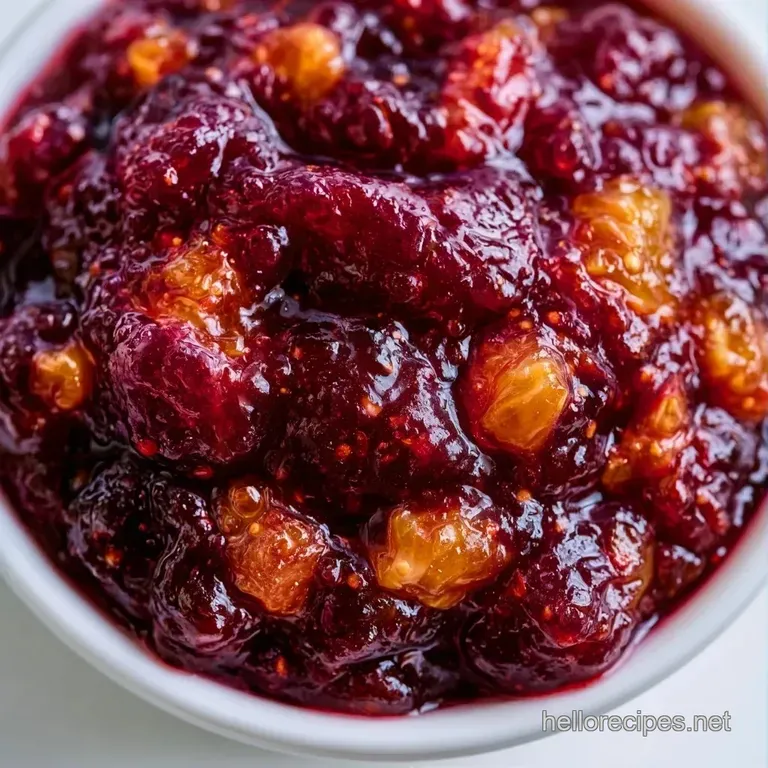
Simmer and stir frequently for 15 minutes. Wait until the jam reaches a thick, glossy, slow moving lava consistency. It should coat the back of your spoon and hold its shape for a second.
The Final Finish
Remove the pot from the heat. Stir in the pure vanilla extract. Note: Adding vanilla at the end keeps the aroma from evaporating.
The Plate Test
Spoon a small amount of Fig Jam onto your chilled plate. Let it sit for 30 seconds, then push it with your finger. If it wrinkles and doesn't run, it's done. Pour it into your sterilized jars.
Avoiding Jam Disasters
Avoid boiling the mixture indefinitely. A gap of only two or three minutes often separates a perfectly set jam from a burnt one, so always confirm with the plate test.
It is normal for foam to form as the sugar boils. You can skim this off for a more transparent finish, but it won't change the taste. If crystals appear, the sugar likely didn't dissolve completely during maceration.
Jam is Too Runny
If the mixture fails to wrinkle on the plate, simmer for an additional 3 to 5 minutes. Remain at the stove, as the jam can scorch very quickly.
Excessive Surface Foam
This consists of air and fruit proteins. Use a spoon to skim it away or stir in a small knob of butter to clear the bubbles.
Sugar Crystallization
This often results from overheating or not letting the fruit sit long enough. To dissolve the grains, stir in a teaspoon of lemon juice over low heat.
| Problem | Root Cause | Solution |
|---|---|---|
| Jam won't set | Lack of acid or undercooked | Simmer 3-5 mins more or add 1 tsp lemon juice |
| Burnt bottom | Too much heat or insufficient stirring | Stop immediately and transfer top layer to new pot |
| Grainy texture | Undissolved sugar crystals | Stir in a bit of lemon juice over low heat |
Tasty Flavor Twists
You can easily change the profile of this Fig Jam by adding a few pantry staples. For a more savory version, stir in one tablespoon of balsamic glaze right before you remove it from the heat. The acidity of the vinegar cuts through the sweetness.
If you want something warmer, add a pinch of ground cardamom during the simmer. This gives the preserve a Middle Eastern feel that's great with goat cheese. For those who can't find fresh fruit, a Jam in 35 Minutes recipe involves soaking the dried figs in warm water first.
If you enjoy other stone fruits, my apricot jam uses a similar simmer method and pairs well with the same cheeses.
| Goal | What to change |
|---|---|
| More Tangy | Add 1 extra tsp lemon juice |
| Deeper Flavor | Add a splash of balsamic vinegar |
| Less Sweet | Replace 1/4 cup sugar with honey |
Storage And Freezing
Keep your Fig Jam in the fridge in a sealed jar for up to 3 weeks. Because of the sugar content, it stays fresh for a while, but the brightness of the lemon fades over time.
If you've made a big batch, you can freeze it. Leave about an inch of headspace in the jar so the glass doesn't crack as the jam expands. It'll stay good in the freezer for about 6 months.
For those interested in Calimyrna Fig Jam for canning, make sure you use a boiling water bath for at least 10 minutes. This ensures the jars are airtight for long term pantry storage. Just be careful not to overcook the jam in the pot, as the canning process adds more heat.
Best Serving Ideas
This Fig Jam is a powerhouse on a charcuterie board. Pair it with a wedge of sharp manchego or a creamy brie. The earthy notes of the fig balance the saltiness of the cheese.
For breakfast, skip the store-bought stuff and spread this over toasted rye bread with a layer of salted butter. It's also great as a glaze for roasted pork or chicken. Just whisk a tablespoon of the jam with a bit of olive oil and brush it on during the last 10 minutes of roasting.
Right then, you've got a rich, homemade spread that beats anything in a plastic jar. It's simple, honest cooking that relies on a few high-quality ingredients. Trust me on this, once you taste the difference that fresh figs make, you'll never go back to the commercial stuff.
Recipe FAQs
How can fig preserves be made without using pectin?
Simmer the fruit and sugar until the natural pectin reaches the gel point. Use the plate test on a chilled dish to confirm the consistency before jarring.
Is it true that Calimyrna figs are the same as Turkish figs?
No, this is a common misconception. While similar, Calimyrna refers to a specific variety prized for its honey like sweetness and amber color.
What are the best ways to use this jam?
Pair it with salty cheeses or cured meats. It works beautifully in a prosciutto panini for a perfect savory contrast.
Do I need to peel fresh figs before cooking?
No, leave the skins intact. The skins help the fruit maintain its structure during the simmering process and hold essential flavor.
Calimyrna Fig Jam