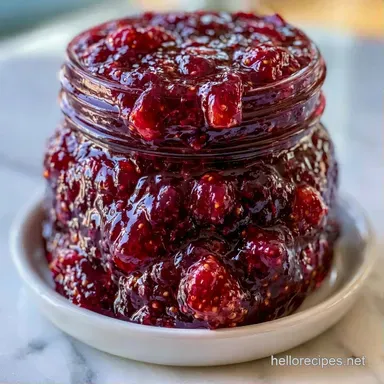
Small Batch Fig Jam with No Pectin and Ripe Summer Figs
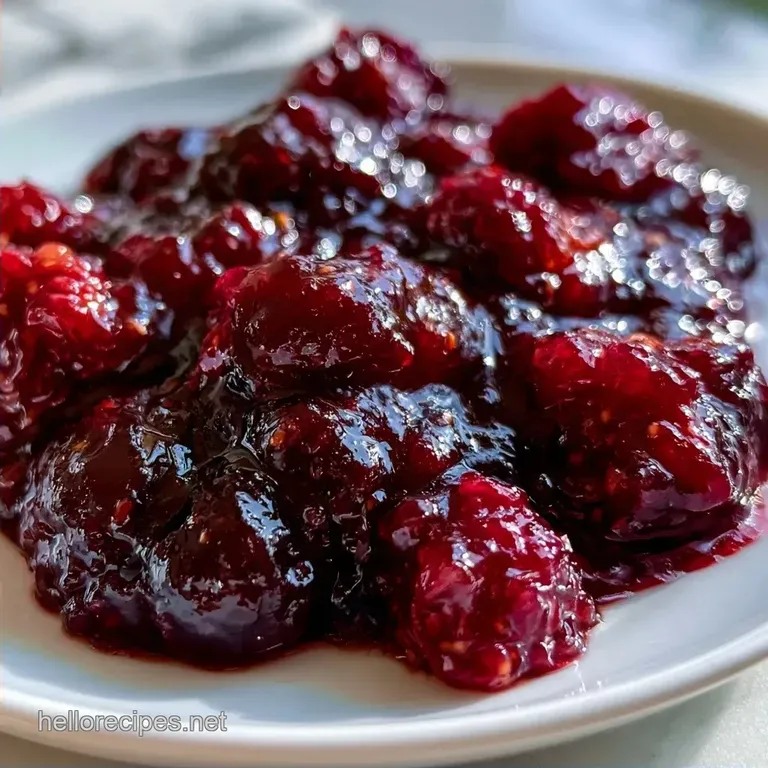
- Time: 5 minutes prep + 30 minutes simmering
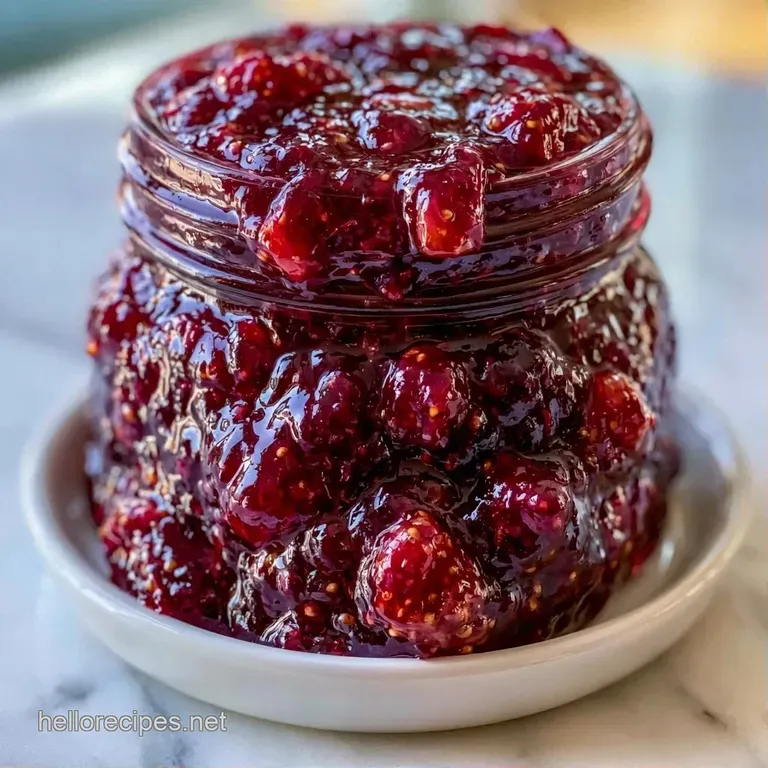
- Appearance: A glossy, seed-flecked finish with a deep mahogany hue
- Perfect for: Using up an abundance of market figs
The aroma of bubbling figs is heavy and sweet, filling the kitchen with a comforting, warm glow. I remember discovering a small crate of overripe figs at a local farm stand that were so soft they felt like velvet. I didn't want them to go to waste, but I happened to be out of powdered thickeners.
I realized that by letting the fruit's own properties do the work, you get a preserve that tastes like real fruit instead of a gelatinous block of sugar. This is the ideal recipe for Small Batch Fig Jam with No Pectin and Ripe Summer Figs.
The result is a rich, concentrated jam that balances the honeyed depth of the figs with a bright citrus pop. It is a straightforward process that turns a few pieces of fruit into an elegant addition to any cheese board.
Small Batch Fig Jam with No Pectin and Ripe Summer Figs
This preserve balances the richness of dark fruit with the bright zing of lemon. By avoiding additives, we let water evaporation and the concentration of natural sugars do the work.
The result is a spread that avoids being cloyingly sweet. It has a chunky, rustic character, as the figs break down naturally rather than being transformed into a smooth gel.
Why This Actually Sets
Natural Pectin: The skins and seeds of figs provide a modest amount of pectin. As explained by pectin is the soluble fiber which thickens the jam, this element creates a natural bond when paired with heat and acid.
Slow Reduction: Simmering in smaller quantities allows water to evaporate more rapidly. This process concentrates the solids, resulting in a thick, glossy syrup without the need for added powders.
| Method | Time | Texture | Best For |
|---|---|---|---|
| Stovetop | 30 min | Glossy, chunky | Quick, small batches |
| Oven | 2 hours | Concentrated, deep | Very large quantities |
Now, let's explore the science that makes this preserve successful. You don't need a lab just a few simple pantry staples to let the fruit's flavor shine.
What Each Ingredient Does
| Ingredient | Purpose | Alternative |
|---|---|---|
| Fresh Figs | Main body and primary taste | Dried figs (soaked) |
| Lemon Juice | Helps pectin set and balances sugar | Lime juice |
| Honey | Lends a floral aroma and shine | Maple syrup |
For the best results, select the ripest figs you can find. They should feel slightly soft to the touch, similar to a ripe peach.
The Lineup:
- 1 lb fresh ripe figs, stemmed and quarteredWhy this? Riper fruit contains more natural pectin and sugar
- 2 tbsp fresh lemon juiceWhy this? Essential for the jam to thicken
- 1/2 cup granulated sugarWhy this? Helps preserve the fruit
- 2 tbsp honeyWhy this? Adds a complex, floral richness
- 1 tsp vanilla extractWhy this? Balances the sweetness
- 1 tbsp waterWhy this? Stops the mixture from scorching initially
Gear You Need
The equipment list is quite short. The most essential tool is a small, heavy bottomed saucepan. Avoid thin pans, as they heat unevenly and can scorch the sugar, resulting in a bitter taste.
I typically use a 2 quart pot. You will also need a wooden spoon or silicone spatula for stirring and a small glass jar for storage.
Making the Jam
- In a saucepan, combine the quartered figs, sugar, honey, and lemon juice. Mix gently until well blended.
- Allow the mixture to rest for 5 to 10 minutes. Note: This allows the sugar to extract the juices naturally.
- Add 1 tablespoon of water and stir.
- Set the pan over medium heat and bring the mixture to a gentle boil.
- Quickly reduce the heat to low.
- Simmer uncovered for 20-25 minutes, stirring occasionally, until the figs disintegrate and the liquid transforms into a thick, shiny syrup that coats the back of a spoon.
- Conduct the plate test: place a small amount of jam on a chilled plate. Push it with your finger; if it wrinkles and stays put, it’s set.
- Mix in the vanilla extract.
- Remove from heat and transfer the mixture into your glass jar.
Fixing Common Issues
Fixing a Runny Set
If your jam looks like syrup instead of a spread, it usually means the figs weren't ripe enough or you stopped the simmer too early. Just put it back on low heat for another 5-10 minutes. Trust me, it will thicken even more once it chills in the fridge.
Handling Scorched Bottoms
If you smell something burning, stop stirring immediately. Scoop out the top layer of jam into a clean pot, leaving the burnt bits behind. Never stir the burnt residue into the rest of the jam, or the whole batch will taste like smoke.
Dealing with Seediness
Some people find the fig seeds a bit too prominent. If you prefer a smoother texture, you can pulse the finished jam in a food processor for a few seconds. Just don't overdo it, or you'll lose that rustic charm.
Other Flavor Ideas
For a twist on the traditional flavor, stir in some cinnamon or freshly grated ginger while simmering. For a bolder profile, add a drizzle of balsamic vinegar right before serving to achieve a sweet and savory balance.
If you enjoy unique fruit based condiments, you might also love my Banana Ketchup recipe, which utilizes fruit for a distinct taste.
To create a more savory alternative, swap the honey for a bit of orange marmalade and include some crushed red pepper. This variation is an excellent pairing for goat cheese.
Adjusting the Batch
Scaling Down: If you only have a few figs, you can halve the recipe. Use a very small saucepan to ensure the liquid doesn't evaporate too quickly. Reduce the simmer time by about 20%, but always rely on the plate test rather than the clock.
Scaling Up: For a double batch, don't just double the simmer time. Use a wider pot to increase the surface area, which helps evaporation. I suggest increasing the salt or spices by only 1.5x to keep the flavors balanced.
Debunking Jam Myths
Many people think you need store-bought pectin powder to get a jam to set. This is a myth. As long as you have acid and enough heat to evaporate the water, the fruit's natural pectin will do the job.
Another common misconception is that boiling the jam on high heat makes it set faster. In reality, high heat often burns the sugars before the pectin can bond, leaving you with a thin, burnt mess.
Keeping It Fresh
Store your jam in a clean glass jar in the refrigerator. It stays fresh for about 3 weeks. If you want to keep it longer, you can freeze it for up to 3 months, though the texture might change slightly.
To avoid waste, don't toss the fig stems. While they aren't edible, they make great additions to a backyard compost pile. If you have leftover lemon rinds from the juice, zest them and dry them in the oven to use as a garnish for other desserts.
Best Ways to Serve
This jam is a powerhouse on a charcuterie board. Pair it with a sharp cheddar, creamy brie, or a salty gorgonzola for a great flavor contrast. It also makes a brilliant topping for overnight oats or a thick slice of sourdough toast.
For a holiday spread, this pairs well with a Cranberry Orange Relish, giving you both a deep, rich fig flavor and a bright, tart berry option.
Quick Decision Guide:
- For a firmer set: simmer for an extra 5 minutes.
- For a chunkier jam: stir less frequently.
- For a brighter taste: add an extra teaspoon of lemon juice at the end.
Chef's Note: Try adding a tiny pinch of flaky sea salt right before serving. It cuts through the sugar and makes the fig flavor pop.
Recipe FAQs
How to make fig jam without store-bought pectin?
Simmer the quartered figs, sugar, honey, and lemon juice over low heat for 20 25 minutes. This allows the natural pectin in the fruit to bond and thicken the liquid into a glossy syrup.
Which signs indicate figs are ripe enough for jam?
Soft, yielding fruit that feels like velvet is the best indicator. Ripe figs should also have a deep, rich color before you start cooking.
Is it true that only fresh figs work for making jam?
No, this is a common misconception. Dried figs can be used if they are rehydrated first, though fresh ones provide a brighter, more nuanced flavor.
What are the best ways to serve fig jam?
Pair it with a sharp goat cheese or a wedge of brie on a platter. It also tastes wonderful spread over warm toast, similar to how you might use a spiced cranberry sauce.
When does the jam reach its final set?
The jam is ready when a small dollop on a chilled plate wrinkles when pushed with a finger. This indicates the natural pectin and reduced liquid have created a stable bond.
Small Batch Fig Jam 3