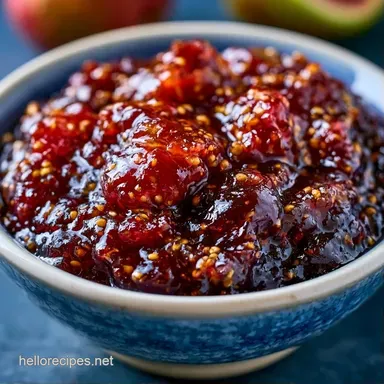
Fig Jam Canning with Lemon
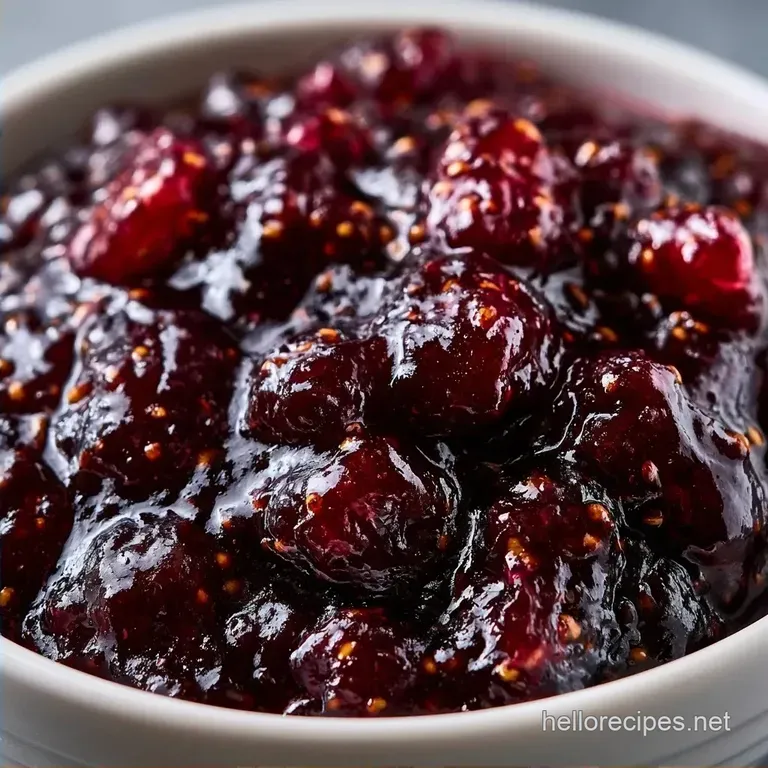
- Time: 10 min active + 30 min cooking
- Taste/Texture: Honeyed, deep fruit with a bright citrus lift
- Best for: Filling the pantry and pairing with cheese
Have you ever wondered why some jams are syrupy while others stay put on your toast? I once attempted three different batches of fig jam that ended up with the consistency of maple syrup. I was following an old-fashioned guide, but I forgot that figs need a little help to actually set.
The secret is the lemon. If there isn't enough acidity, the natural pectin in the fruit won't bond, resulting in a sauce rather than a jam. This simple yet delicious fig jam canning recipe with lemon is a wonderful addition to your home preserves.
You can look forward to a deep, intense color and a thick texture that still features pieces of fruit. The process is uncomplicated, revolving around the smell of simmering fruit and spotting the exact moment the bubbles change their shape.
Simple Yet Delicious Fig Jam Canning Recipe with Lemon
How the Jam Gels
Figs have natural pectin, but it needs a specific environment to work. The lemon juice drops the pH level, which allows those pectin molecules to bond into a mesh that thickens the jam.
The Wide Pot Advantage
Using a wide pot instead of a deep stockpot lets moisture evaporate faster. This means the jam reaches the setting point in 30 minutes rather than an hour, which keeps the color vibrant.
| Method | Time | Texture | Best For |
|---|---|---|---|
| Fresh Figs | 55 min | Chunky, rich | Traditional canning |
| Dried Figs | 75 min | Denser, sweeter | Quick batches/no season |
What Each Ingredient Adds
The figs provide the base and the natural pectin. I prefer black mission or brown turkey figs because they have a deeper, honey like flavor. If you can't find these, any ripe fig works, but the color will vary.
Sugar doesn't just sweeten the jam, it preserves the fruit and helps the pectin set. The lemon juice and zest provide the necessary acid and a bright, floral note to cut through the sugar. Finally, a touch of vanilla and salt rounds out the flavor, making it taste more complex.
Recipe Specs
- Prep time:10 minutes
- Cook time:30 minutes
- Total time:55 minutes
- Yield: 3 cups
The Gear You Need
You'll need a wide, heavy bottomed pot. Stainless steel is great because you can see the jam's color clearly. A digital candy thermometer is a huge help for hitting that 220°F mark precisely.
For canning, have your sterilized half pint jars and lids ready. A water bath canner is standard, but a deep pot with a rack works too. Don't forget a frozen plate in the freezer for the wrinkle test.
Making the Jam
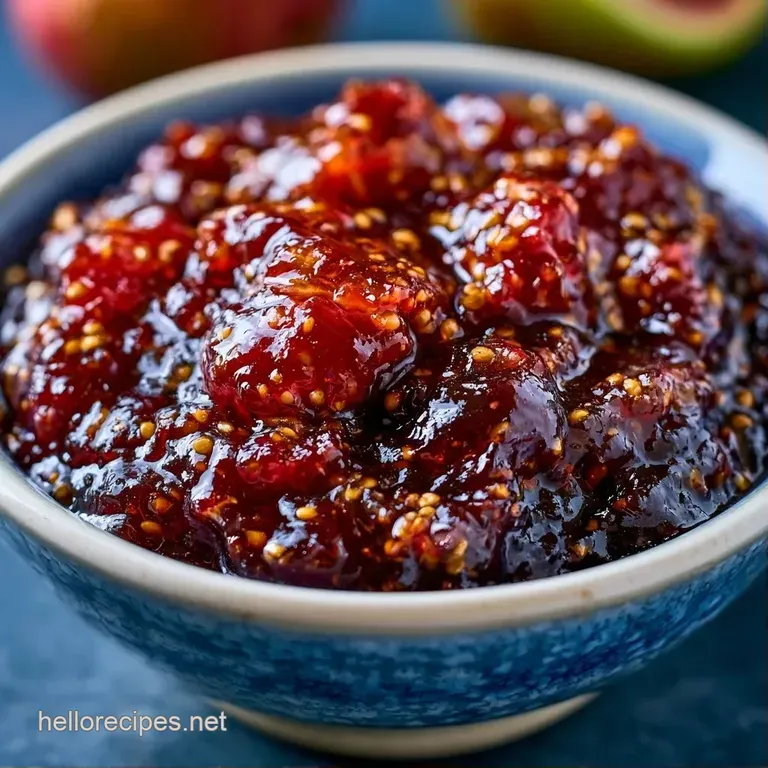
- Rinse the figs, trim the stems, and cut each into quarters. Note: This size ensures a good balance of texture and consistency.
- Place the quartered figs, sugar, lemon juice, and lemon zest into a pot.
- Let the mixture rest for 10–15 minutes until the sugar dissolves and the fruit looks glossy.
- Set the pot over medium high heat and bring to a rolling boil, stirring frequently.
- Turn the heat down to medium and simmer, stirring occasionally.
- Cook for 30 mins until the jam reaches 220°F (104°C). You'll see the bubbles clump together, leaving a clear path on the bottom of the pot as you stir.
- Remove from the heat and stir in the salt and vanilla extract.
- Use a frozen plate for the wrinkle test by dropping a small amount of jam on it; wait 30 seconds, then gently press the surface. If it wrinkles, the jam is set.
- Pour the jam into sterilized half pint jars.
- Process in a water bath canner according to the guidelines for your altitude.
Fixing Common Issues
Don't panic if your jam is still runny once cooled; it likely missed the setting point. Simply return it to the pot and follow the Serious Eats guide on re-boiling until it reaches the gel point.
Occasionally, the jam may turn a murky, dark brown. This occurs when the temperature is too high, causing the sugar to over caramelize. To prevent this, maintain a steady medium simmer.
Grainy sugar crystals can form if you stir too vigorously at the wrong stage or if the temperature fluctuates. Adding a small pinch of extra lemon juice can help prevent this in future batches.
| Problem | Fix |
|---|---|
| Runny consistency | Re boil to 220°F or add a squeeze of lemon |
| Dark, burnt color | Lower the heat and avoid over cooking |
| Grainy texture | Stir gently; avoid over working the sugar |
Adjusting the Batch Size
For a smaller batch, use 1.5 lbs of figs and 1 cup of sugar. Use a smaller saucepan so the liquid doesn't evaporate too quickly, and reduce your simmer time by about 20%.
When doubling the recipe, don't just double the salt and vanilla, as they can become overpowering. Increase those to 1.5x instead. Work in two separate pots if you don't have a massive commercial sized pot, as crowding the pan slows down evaporation.
| Ingredient | Premium Option | Budget Option | Impact |
|---|---|---|---|
| Figs | Organic Black Mission | Conventional Purple | Organic is sweeter, budget is fine |
| Sugar | Raw Cane Sugar | Granulated White | Cane adds a molasses note |
| Lemon | Fresh Squeezed | Bottled Juice | Fresh has better aroma |
Storing Your Jars
Water bath canned jars remain shelf stable for about a year if kept in a cool, dark spot. After opening, they will last in the refrigerator for 3 weeks.
If you prefer freezing, leave an inch of headspace so the jam doesn't crack the glass during expansion. This preserves the jam for about 6 months. For shelf stable results, follow a tested canning recipe and its processing instructions exactly. The National Center for Home Food Preservation offers the gold standard for safety.
To minimize waste, add the fig stems to your compost pile. Any extra figs that weren't used in the recipe can be sliced and frozen for smoothies.
Serving Ideas
This jam is a fantastic addition to a charcuterie board, pairing beautifully with creamy Brie or sharp Manchego. The sweetness of the figs offsets the saltiness of the cheese perfectly.
It's also a wonderful breakfast treat on sourdough toast with a smear of salted butter. For a unique flavor twist, try it spread over a piece of toasted Homemade Zucchini Bread.
To elevate roasted chicken or pork tenderloin, use this jam as a savory coating. Just mix a few tablespoons with a splash of apple cider vinegar and brush it on during the last 10 minutes of roasting.
Tasty Flavor Twists
To add a hint of spice, drop a cinnamon stick into the pot during the simmer and remove it before you begin jarring. This provides a warm, autumnal quality that is perfect for chilly winter mornings.
For a citrusy alternative, swap half of the lemon juice for orange juice and use a blend of both orange and lemon zest. This results in a brighter, more floral flavor profile reminiscent of a Mediterranean preserve.
You can also create an herbed version by mixing in a teaspoon of finely chopped fresh rosemary or thyme at the very end. This pushes the jam toward a savory note, which pairs beautifully with goat cheese.
Whether you are canning for the season or just preparing a small batch for the week, this straightforward fig jam recipe with lemon and sugar is a reliable method for preserving peak season fruit. It's all about achieving that balance between honeyed figs and zesty citrus.
Recipe FAQs
Is it true that figs need added pectin to set?
No, and here's why. The natural pectin in figs combined with lemon juice creates a perfect set.
Tip: use a frozen plate to perform the wrinkle test before bottling.
Do you have to peel figs for jam?
No, the skins are thin and break down completely during cooking.
Tip: simply wash the fruit and remove the stems before quartering.
How to make the best fig jam?
Wash and quarter the figs before simmering them with sugar and lemon until the mixture reaches 220°F (104°C).
Tip: let the ingredients macerate for 15 minutes before heating to release natural juices.
What can I add to fig jam for more flavor?
Incorporate salt and vanilla extract after removing the pot from the heat.
Tip: pair the finished jam with honey butter sourdough for a professional breakfast spread.
Fig Jam Canning With Lemon