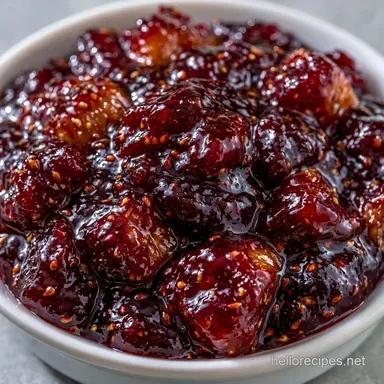
Fig Jam Recipe with Fresh Figs in 40 Minutes
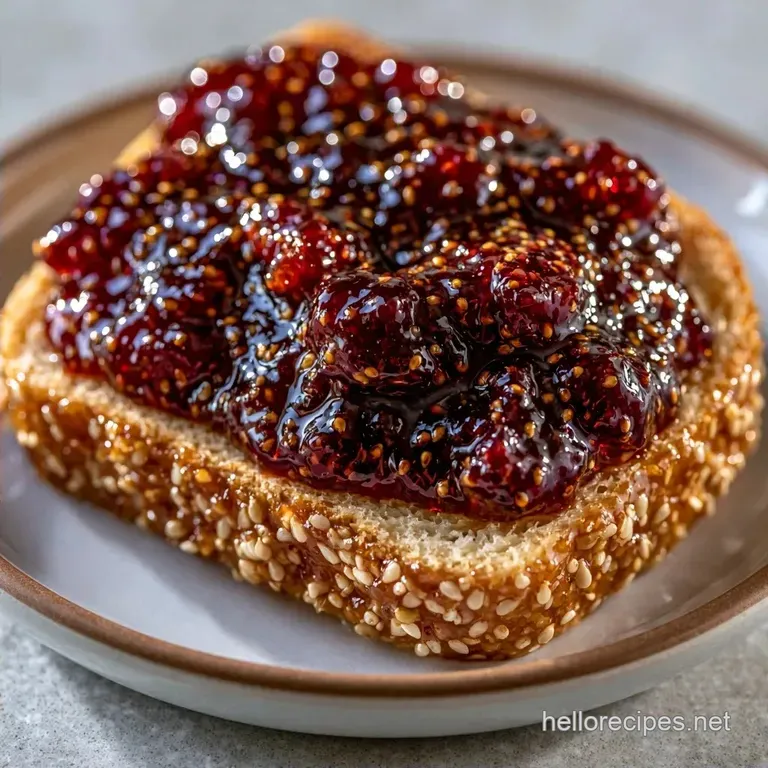
- Time: 10 min prep + 30 min simmer
- Flavor/Texture Hook: Deep mahogany hue and velvety smooth
- Perfect for: Morning toast or a cheese platter
Easy Fig Jam Recipe with Fresh Figs
The aroma of earthy, warm honey fills the air the moment these figs touch the pan. I recall picking up a massive batch of overripe figs from a roadside stand last August; they were so delicate I could hardly hold the bag without damaging them.
To ensure they didn't go to waste, I simmered them in a heavy pot with lemon and sugar.
You'll notice that this homemade preserve is far superior to store-bought options. It lacks that artificial, candy like sweetness, offering instead a rich, concentrated taste of actual fruit.
This straightforward method prioritizes the figs themselves. Rather than a tedious, all-day process, we are simply reducing the mixture until it becomes thick and glossy.
Quick Specs for the Jam
Right then, let's look at the basics. This recipe is designed for a small batch, which is great because fresh figs have a short window of availability.
| Method | Time | Set Style |
|---|---|---|
| Fast (This) | 40 mins | Fridge set |
| Classic | 3+ hours | Water bath canning |
Since we aren't using a canning pot, this is a "refrigerator jam." It stays fresh in the cooler, but it doesn't have a shelf life of years.
What Goes Into the Pot
I've found that using fresh lemon juice is non negotiable. Bottled stuff just doesn't have the same brightness to cut through the sugar.
| Ingredient | Role | If You Don't Have It |
|---|---|---|
| Fresh Figs | Base and body | Dried figs (soaked in water) |
| Granulated Sugar | Preserves and sweetens | Maple syrup (will be runnier) |
| Lemon Juice | Helps the jam set | Lime juice or citric acid |
| Vanilla & Cinnamon | Adds warmth | Nutmeg or a pinch of clove |
Trust me, don't skip the cinnamon. It brings out the woody notes of the figs.
| Original Ingredient | Substitute | Why It Works |
|---|---|---|
| Granulated Sugar | Honey (1/2 cup) | Natural sweetness. Note: Changes flavor to be more floral |
| Lemon Juice | Apple Cider Vinegar | Provides acid. Note: Adds a slight tang |
| Fresh Figs | Plums (diced) | Similar pectin levels. Note: Results in a tarter jam |
The Only Gear You Need
You don't need any high end equipment for this recipe. The key is using a basic heavy bottomed saucepan; a thin pot will likely burn the sugar before the figs can soften.
I generally use a small 2-quart pot. To avoid large chunks of fruit, a potato masher is quite useful, though a sturdy fork is a great alternative for crushing a few pieces.
Steps for the Stove
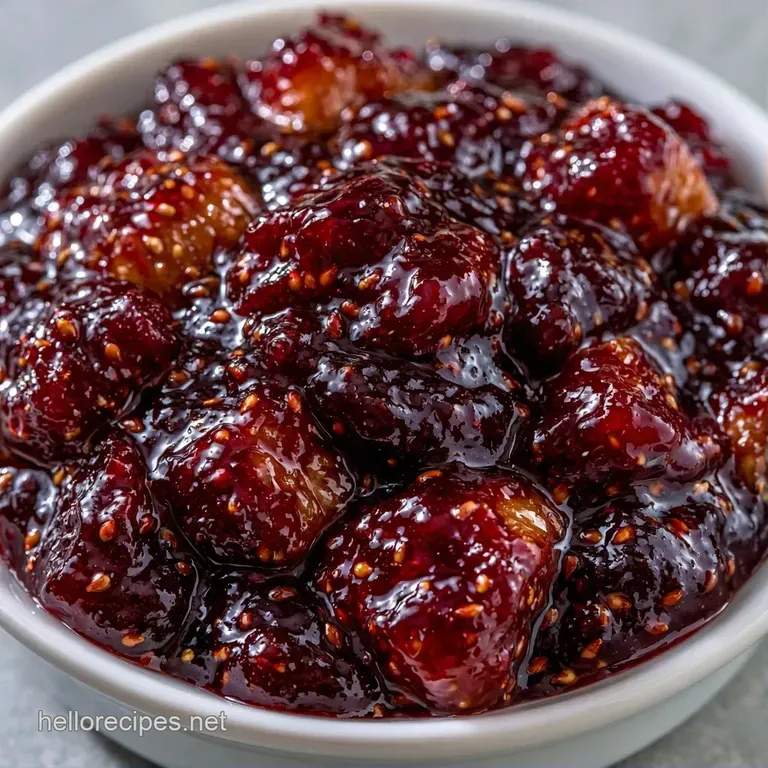
Let's dive in. Watch for bubbles they are the best indicator that your jam is done.
- Put the quartered fresh figs, granulated sugar, and lemon juice in a saucepan.
- Cook on medium heat for 5–8 minutes until the sugar is fully dissolved and the figs release their juice. Note: This establishes the syrupy base.
- Crank the heat to medium high and bring the mixture to a soft boil.
- Lower the temperature to medium low and simmer, stirring occasionally.
- Use a potato masher to crush a few figs until you achieve your preferred texture.
- Simmer for 20–25 minutes until the jam is thick, shiny, and coats the back of a spoon.
- Fold in the cinnamon and vanilla extract during the last 2 minutes.
- Remove from the stove and let it sit for 10 minutes before pouring into jars.
Chef: To achieve a clearer, more polished look, avoid over mashing. Leave some fruit pieces for a rustic finish.
How the Jam Sets
Figs contain a fair amount of natural pectin, but it requires help to bond. The lemon juice reduces the pH, enabling those pectin chains to connect and form a gel.
Temperature is critical. According to Serious Eats, the "plate test" is the most reliable way to verify a set. Place a small dollop on a chilled plate, let it rest for a minute, and gently slide your finger across it. If it creases, it's ready.
Fixing Jam Problems
Sometimes things don't go as planned. Here is how to handle the usual hiccups with a fresh fig preserves recipe.
Jam stays runny
This usually happens if your figs were very ripe and watery. The fix is simple: simmer for another 5–10 minutes. Just keep stirring so the bottom doesn't scorch.
Texture is too chunky
If you finished the jam and realize it's more like a compote than a spread, just give it a quick pulse in a food processor. Do this while it's still warm for the best result.
Sugar crystallization
If you see tiny grains of sugar, you might have stirred too much during the final simmer. You can fix this by stirring in a teaspoon of corn syrup or a tiny bit more lemon juice while heating it back up.
Storing Your Fig Spread
Store this in a glass jar in the refrigerator for up to 3 weeks. Since it wasn't canned, it cannot be left on the counter.
If you made a double batch, you can freeze the surplus. Transfer it to a freezer friendly vessel for up to 6 months. Simply defrost it in the fridge overnight before use. To reduce waste, toss fig stems into the compost; they break down quickly and provide great nutrients for the soil.
Twists and Swaps
Experiment with these modifications to put your own spin on this traditional fig jam.
| Goal | What to change |
|---|---|
| Smoother jam | Mash more figs |
| Tarter taste | Add 1 tsp lemon |
| Stronger spice | Double the cinnamon |
To give it a savory edge, use a pinch of black pepper or a dash of balsamic vinegar instead of vanilla. This variation works perfectly when you build a vegan charcuterie for your guests.
Best Ways to Serve
This fresh fig spread is incredibly versatile. While it's a classic on sourdough toast with a bit of salted butter, it also pairs beautifully with creamy goat cheese or sharp cheddar.
I've also used it as a savory glaze for roasted pork or a sophisticated base for appetizers. It's surprisingly delicious on homemade grilled pizza if you top it with gorgonzola and arugula.
That's the secret to creating a stress free fig jam from fresh fruit. It's a wonderful way to preserve a seasonal harvest and turn your morning toast into a special treat. Enjoy!
Recipe FAQs
Do you need to peel figs for fig jam?
No, the skins are edible and provide a lovely texture. They blend right into the spread as the fruit breaks down during cooking.
How do you prepare fresh figs for this jam?
Stem and quarter the fruit before adding them to the saucepan. This ensures they release their juices quickly during the first 8 minutes of heating.
Is it true that homemade fig jam requires added pectin to set?
No, and here's why. The natural pectin in the figs combined with the lemon juice creates a thick consistency without any extra additives.
What distinguishes fig jam from fig preserves?
Jam generally has a more uniform, crushed consistency. Preserves typically feature larger chunks of whole fruit.
When should the cinnamon and vanilla be added?
Stir these in during the final 2 minutes of cooking. This keeps the aromatic flavors fresh and potent.
What can I do with an abundance of fresh figs?
Turn them into this jam or freeze them for later use. If you enjoyed mastering the fruit reduction technique here, see how a similar slow simmering process builds deep flavor in our BBQ Baked Beans.
Why isn't my fig jam reaching a glossy thickness?
Continue simmering on medium low heat for the full 20-25 minutes. The jam is ready once the liquid is thick enough to coat the back of a spoon.
Fresh Fig Jam Recipe