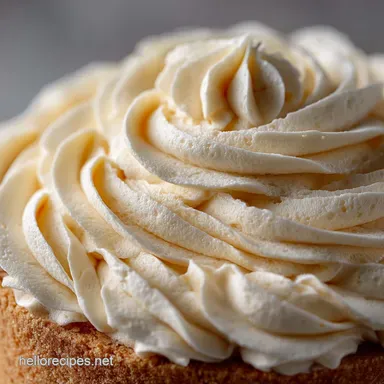
Silky Smooth Swiss Meringue Buttercream the Bakers Velvet
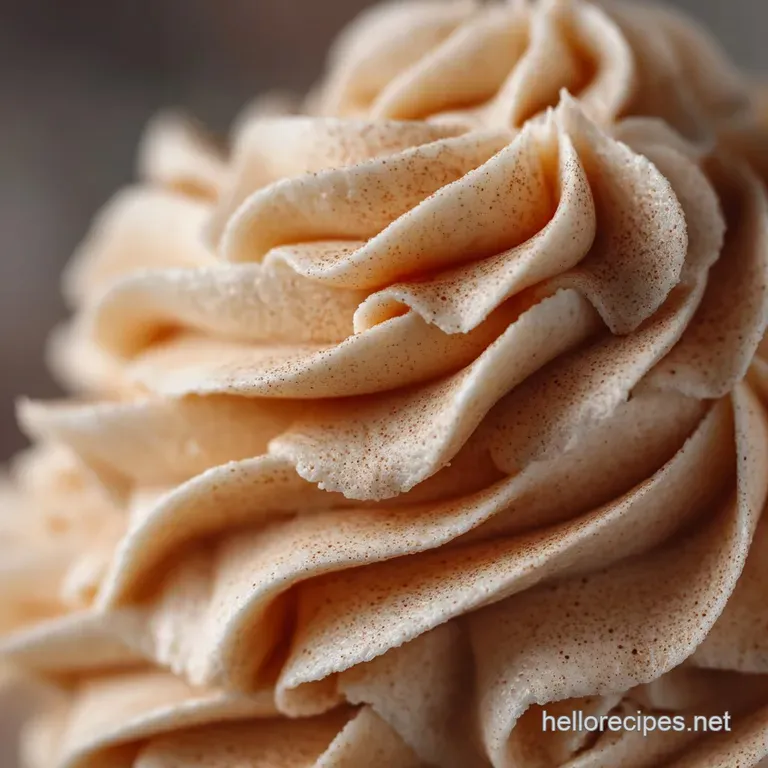
- Why Swiss Meringue Buttercream Should Be Your Go-To Frosting
- Essential Elements for Crafting Flawless Swiss Meringue Buttercream
- The Crucial Tools for Taming the Meringue
- Phase One: Building the Foundation (The Swiss Meringue)
- Phase Two: The Transformation into Silky Buttercream
- Professional Secrets for Flawless Finish and Stability
- Recipe FAQs
- 📝 Recipe Card
Why Swiss Meringue Buttercream Should Be Your Go-To Frosting
If you are aiming for true patisserie quality at home, stepping up to Swiss Meringue Buttercream (SMBC) is non-negotiable. Forget the thick, grainy toppings of the past; this is the definitive, luxurious frosting that professionals use for wedding cakes, intricate piping, and delicate layer cakes.
It is remarkably light on the palate, delivering a balanced sweetness that doesn’t overwhelm the flavor of the cake it accompanies. Its inherent stability makes it a dream to work with, holding sharp edges and intricate designs even in slightly warmer environments where standard frostings might slump.
Decoding the Difference: Why SMBC Trumps American Buttercream
The moment a baker discovers the difference between the traditional powdered sugar based frosting and the meringue based varieties, their world changes. Traditional American Buttercream is fast and easy, but it suffers from a singular drawback: cloying sweetness and a slightly sandy texture due to undissolved sugar.
Conversely, the swiss meringue buttercream vs american buttercream debate settles instantly when comparing smoothness. Our Swiss Meringue Buttercream Recipe uses a heat method to fully dissolve the granulated sugar into the egg whites, resulting in a frosting that is intensely smooth, pale white, and stable.
It offers superior flavor control and a silky mouthfeel that simply cannot be matched by shortcut recipes.
The Chemistry of Stability: How Gentle Heat Creates Velvet
The "Swiss" method is brilliant precisely because it uses gentle, controlled heat a crucial step that differentiates it from other meringue types. By warming the egg whites and sugar over a bain marie to a precise temperature of 160° F ( 71° C), we achieve two crucial things: safety through pasteurization, and the creation of a powerful, stable meringue structure.
This thermal treatment ensures the egg proteins bond strongly with the sugar, setting the stage for the final creamy emulsion when the butter is introduced. The resultant stability of the swiss meringue buttercream frosting is what allows it to be piped into towering swirls or smoothed across an entire tiered cake without concern for breakdown.
Mastering the Baker’s Velvet: What This Recipe Offers
This detailed guide on How To Make Swiss Meringue Buttercream is designed to demystify the process. While the technique is classified as Medium difficulty due to the necessity of strict temperature management, the result is absolutely worth the effort.
By following the precise steps laid out here, you will achieve the coveted baker’s velvet texture, yielding approximately 4 cups of flawless buttercream. This is enough quantity to generously frost a three layer 8 inch cake or top two dozen beautiful standard Meringue Frosting For Cupcakes .
We focus on meticulous technique to ensure success, even through the notorious "ugly phase" the mixture goes through before hitting perfection.
Essential Elements for Crafting Flawless Swiss Meringue Buttercream
Success with SMBC begins with accurate measurement and understanding the essential ingredient relationship. Unlike many baking projects where you can eyeball amounts, the swiss meringue buttercream ratio (150g egg whites, 200g sugar, 225g butter) is crucial for a successful, stable emulsion.
Use a digital scale to weigh your ingredients, especially the egg whites and sugar, as volume measurements for these components can vary wildly. While this recipe is rich, a small pinch of fine sea salt (1 gram) added early on serves the important purpose of balancing the overall sweetness, bringing a subtle complexity to the final product.
The Crucial Tools for Taming the Meringue
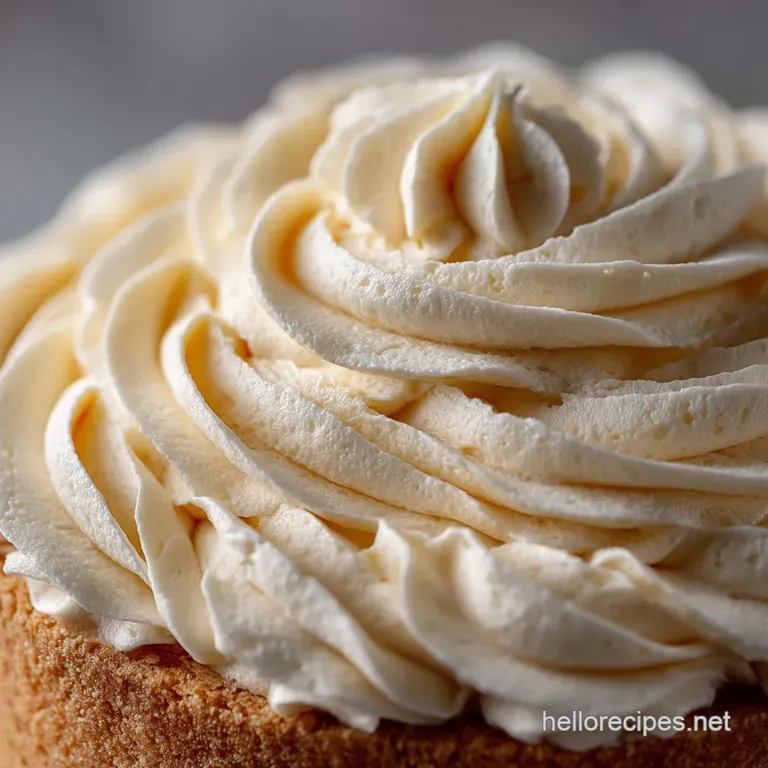
For this recipe, certain tools move from "optional" to "essential." The duration and intensity of whipping required necessitates the use of a robust Stand Mixer, preferably a 5-quart model or larger, fitted with both the Whisk and Paddle attachments. Attempting this volume with a hand mixer will prove frustrating.
Most critically, a Digital Thermometer is the key to safety and stability; you must accurately hit 160° F ( 71° C) during the heating phase. Finally,, you’ll need a heatproof mixing bowl that fits snugly over a small saucepan to create your bain marie.
The Four Core Ingredients and Quality Selection
Our simple ingredient list relies on quality. You will need 150 grams of fresh large egg whites, 200 grams of granulated sugar, 225 grams of high-quality unsalted butter, and 5 mL of pure vanilla extract. Since the flavor profile of the buttercream is clean and simple, the quality of the vanilla shines through.
Opt for a pure extract or vanilla bean paste for the best result. Note that using pasteurized liquid egg whites from a carton is a viable substitution if you have safety concerns, though the structure may take slightly longer to develop during whipping.
Why Temperature is Non-Negotiable for Your Butter
If there is one rule to memorize before starting, it is this: temperature is king. While many recipes say "room temperature butter," for SMBC, this must be specific. Your 225 grams of butter, cut into 1 inch cubes, should be soft enough to leave an indentation when lightly pressed, but not greasy or shiny.
This sweet spot is typically around 68° F ( 20° C). If the butter is too cold, it will break the meringue structure and result in a chunky, curdled mess. If it’s too warm, it will melt the meringue, resulting in a soupy failure.
The soft, but not greasy, butter allows for successful emulsification when combined with the cooled meringue.
Equipment Checklist: Ensuring a Grease Free Start
Before you even crack an egg, absolute cleanliness is paramount. Any residual grease or oil on your mixing bowl or whisk attachment will prevent the egg whites from foaming correctly.
Give your heatproof bowl and whisk a quick wipe down with a paper towel dampened with white vinegar or lemon juice before assembling the bain marie. This small step guarantees a successful meringue base, which is the structural backbone of this entire frosting.
Related Recipes Worth Trying
- Chewy Ginger Molasses Sandwich Cookies with Buttercream — Bake truly chewy Ginger Molasses Sandwich Cookies filled with dreamy vanilla buttercream A proper treat for afternoon tea Full recipe here
- The Best Homemade Buttercream Frosting Recipe for Silky Smooth Results — Ditch the grainy texture This easy buttercream frosting recipe delivers the best silky smooth finish for all your cakes and cupcakes Get the technique right
- The Ultimate Fluffy Buttercream Icing for Cupcakes Vanilla Chocolate Split — Stop buying tubs This easy American buttercream recipe tutorial delivers perfect fluffy Buttercream Icing for Cupcakes Vanilla We even split it for a...
Phase One: Building the Foundation (The Swiss Meringue)
The first phase establishes the durable foundation. To begin, set up your bain marie by bringing about 1 inch (2.5 cm) of water to a gentle simmer in a small saucepan. Combine the 150 grams of egg whites, 200 grams of granulated sugar, and the pinch of salt in the heatproof bowl.
Place the bowl over the simmering water, ensuring the bottom of the bowl does not touch the surface of the water. Whisk continuously by hand. This continuous motion is critical to prevent the edges of the egg whites from "scrambling" while the mixture heats.
Continue heating and whisking for 5 to 8 minutes, until the mixture registers 160° F ( 71° C) on your digital thermometer and, when rubbed between your fingers, no sugar grit remains.
Phase Two: The Transformation into Silky Buttercream
Once the meringue foundation is established, we move into the intensive whipping and cooling stage, followed by the final transformation into creamy buttercream.
Preparing the Bain Marie: Heating the Egg Whites Safely
As noted, the purpose of the bain marie is to achieve a controlled, gradual heating process. The simmering water should provide steam and warmth, not direct heat. Holding the temperature at 160° F ( 71° C) is essential not only for dissolving the sugar but also for ensuring the egg whites are safely pasteurized, resulting in a secure and pliable base for the finished frosting.
Achieving Stiff Peaks: Whipping the Meringue to Perfection
Immediately remove the hot bowl from the saucepan and attach it to your stand mixer fitted with the whisk attachment. Begin whipping on medium speed for two minutes, then increase to medium high.
You must continue whipping until two conditions are met: the meringue forms incredibly stiff, glossy peaks, and the mixing bowl is completely cool to the touch ideally below 80° F ( 26° C).
This cooling phase typically takes 10 to 15 minutes of constant mixing. If the meringue remains warm when you add the butter, the resulting mixture will collapse into a soupy disaster, highlighting why this cooling stage is crucial for stability.
Incorporating the Butter: The Critical Emulsification Step
Once the meringue is cool and sturdy, switch the stand mixer attachment from the whisk to the Paddle attachment; the whisk is too aggressive for incorporating fat. Reduce the speed to low-medium and begin adding the cubed, soft room temperature butter one cube at a time.
Allow each cube to be nearly fully incorporated before adding the next. The addition of fat is the moment the stiff meringue transforms into true buttercream. This vital step is known as the emulsification process, where the fat is successfully suspended within the sugar and protein matrix.
Once all butter is added and the mixture is smooth, reduce the speed to low and drizzle in the 5 mL of pure vanilla extract. If you are preparing swiss meringue buttercream chocolate , this is the stage where you would blend in melted and cooled chocolate.
Troubleshooting the Curdled or Soupy Stage
Do not panic if your mixture looks like cottage cheese or liquid soup after adding the butter. This is widely known as the "ugly phase" and is incredibly common. If the mixture is soupy (too warm), the butter has melted.
To fix this, place the entire mixing bowl in the refrigerator for 15 minutes, allowing the butter to chill and firm slightly, then return it to the mixer and beat on medium high speed until it snaps back into a smooth, thick consistency.
If the mixture looks curdled or broken (emulsion failure, usually too cold), take about 1/2 cup of the broken buttercream, microwave it until just melted (about 15 seconds), and pour this liquid mixture back into the running mixer.
The heat will help re-emulsify the cold ingredients, leading to instantaneous smoothness.
Professional Secrets for Flawless Finish and Stability
SMBC’s superior stability is one of its greatest assets, but knowing how to handle it after chilling ensures a professional grade finish every time.
Storage and Shelf Life: Making Ahead and Freezing Instructions
One of the great advantages of Storing Swiss Meringue Buttercream is its flexibility. Because it contains a high ratio of butter, it keeps extremely well. You can store the buttercream in an airtight container in the refrigerator for up to one week, or freeze it for several months.
When preparing the buttercream ahead of time, always place a layer of plastic wrap directly on the surface before sealing the container to prevent a dry skin from forming.
Flavor Variations: Customizing Your Swiss Meringue Base
The neutral, clean flavor of SMBC makes it the perfect canvas for creative additions. To create luscious swiss meringue buttercream chocolate , ensure your melted dark chocolate (about 115 grams) is cooled to room temperature before streaming it into the finished buttercream on low speed.
For contrasting stability, it’s worth noting that swiss meringue buttercream vs italian meringue buttercream offers different starting points; the Swiss method is easier for flavor additions as the base is already warm/cool, whereas Italian uses hot sugar syrup, demanding faster work.
Other delicious additions include fruit purées, citrus zest, or espresso concentrate.
Restoring Texture: Bringing Chilled Buttercream Back to Life
After chilling or freezing, your buttercream will be hard and dense. Do not try to use it immediately. Allow the buttercream to come back to room temperature this can take several hours depending on the quantity.
Once softened, return it to the stand mixer and beat using the paddle attachment on medium speed for several minutes. It will initially look separated, but it will quickly become smooth, light, and velvety again, ready for piping or spreading.
Recipe FAQs
My buttercream looks curdled, like cottage cheese! What do I do to fix this baking blunder?
Don't panic! This is the dreaded "ugly phase," often meaning the meringue base was slightly too cold or warm when the butter went in. If it looks split or curdled, keep the mixer running on medium speed for a good 5-10 minutes.
If it stubbornly refuses to come together, try the chef's microwave fix: take about half a cup of the buttercream, melt it slightly (around 15 seconds), and pour it back into the running mixer it should emulsify instantly!
How long does Swiss Meringue Buttercream last, and can I make a big batch ahead of time?
Absolutely! Swiss Meringue Buttercream is brilliant for making ahead, which is why it’s the choice of professional bakers. Store it in an airtight container at room temperature for up to 2 days, or tuck it away in the fridge for a full week.
When you are ready to use it, allow it to come fully to room temperature, then re-whip it thoroughly with the paddle attachment until it’s perfectly light and fluffy again like brand new!
I followed the recipe, but my SMBC is too soft to pipe it’s just a runny mess!
A runny buttercream is almost always a temperature issue; the meringue base or the butter itself was likely too warm when combined. To fix this common wobble, put the entire mixing bowl into the fridge for a quick 15-20 minutes to chill the ingredients slightly.
Return it to the mixer and beat vigorously; this chill time should allow the butter to firm up enough for the whole mixture to properly emulsify and thicken to piping consistency.
Do I really need a thermometer, or can I skip heating the egg whites?
Yes, darling, heating the egg whites is non-negotiable! This step serves two crucial purposes: safety (pasteurization) and achieving stability. Heating the mixture to 160°F (71°C) fully dissolves the sugar, which is essential for creating that glossy, sturdy meringue base that holds its shape under pressure.
Skipping this step would result in a gritty, unstable frosting a genuine tragedy for any layer cake!
What are the best variations for colouring or adding complex flavour to this frosting?
This SMBC is a fantastic blank canvas for flavours. For depth, try melting 4oz of high-quality dark chocolate (ensure it’s cooled) or dissolving 2 tablespoons of instant espresso powder to create a strong coffee concentrate.
For colour, always use gel food colouring, adding it in small quantities at the very end when the buttercream is smooth and glossy. Avoid adding large quantities of liquid flavourings (like juice) as they can compromise the emulsion.
Silky Swiss Meringue Buttercream Recipe