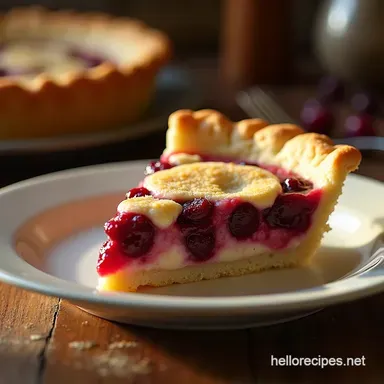
The Ruby Jewel Cranberry Custard Pie with a Buttery Shortcrust
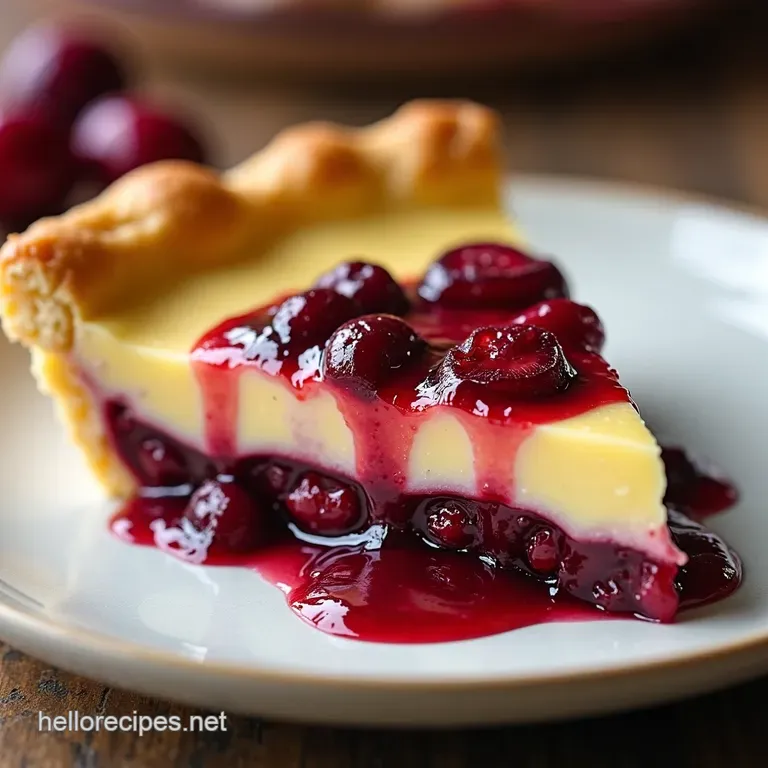
- Why This Cranberry Custard Pie Deserves Center Stage
- Achieving the Perfect Tart-Sweet Equilibrium
- Sourcing Perfection: Essential Components for Your Bake
- Phase One: Building the Buttery Vessel
- Crafting the Smooth, Creamy Custard for the Cranberry Custard Pie
- The Grand Finale: Baking and Setting the Masterpiece
- Troubleshooting and Expert Baking Refinements
- Elevating Your Cranberry Custard Pie Presentation
- Recipe FAQs
- 📝 Recipe Card
Why This Cranberry Custard Pie Deserves Center Stage
Few desserts manage to capture the vibrant energy of autumn and the cozy warmth of winter quite like this particular bake. Forget the overly sweet, jammy offerings often found in less inspired Cranberry Pie Recipes ; we are aiming for elegant sophistication.
This Cranberry Custard Pie is that rare triumph where tartness meets velvety smoothness, delivering a complex flavor profile that delights both purists and adventurous eaters alike.
It stands tall among Thanksgiving Cranberry Dessert Pies not just because of its stunning jewel toned appearance, but because its textural harmony is unmatched.
It is a cornerstone recipe, demanding attention on any holiday table, and one that brings a serious sense of accomplishment when you reveal that you crafted it entirely from scratch.
Achieving the Perfect Tart Sweet Equilibrium
The magic inherent in this Holiday Custard Pie lies in balance. Cranberries, in their raw state, are bracingly tart. The goal is to utilize that natural acidity as a counterpoint to the rich, gentle sweetness of the baked custard.
We achieve this by gently pre-cooking the berries just enough to release some juice and soften their edges, ensuring they integrate beautifully rather than remaining hard pockets of sourness against the creamy filling. This nuanced approach is what separates a truly memorable dessert from the commonplace.
A Celebration of Texture: Flaky Pastry Meets Silken Filling
Texture is paramount in any great pie, and this recipe features a spectacular interplay. We begin with a deeply Buttery Flaky Pie Crust , built using the traditional pâte brisée method to ensure maximum tenderness and lift.
This crisp, slightly salty vessel provides the necessary structural integrity and textural contrast for the interior. Once baked, it cradles the silken, vanilla kissed baked custard, which should set with a delicate, smooth wobble, reminiscent of the finest crème brûlée, but slightly firmer to accommodate the fruit.
The Festive Flavor Profile: More Than Just Holiday Fare
While the red and white palette instantly suggests Christmas or Thanksgiving, this pie transcends seasonal labeling. The inclusion of high-quality vanilla extract elevates the standard custard base, lending deep aromatic warmth that complements the bright berry notes perfectly.
If you have ever been inspired by recipes published by culinary titans perhaps searching for a version akin to a classic Cranberry Custard Pie Food Network segment or a refined take found in Cranberry Custard Pie NYT archives you will appreciate how this recipe prioritizes pure, clean flavors over heavy spice muddling.
Setting Expectations: Your New Go-To Dessert Project
This creation is classified as a Medium difficulty bake, primarily due to the necessary steps involving pastry creation and blind baking. If you are seeking a quicker route, preparing a robust Cranberry Curd Tart Recipe using pre-made shells might suffice, but for the authentic, show stopping experience of a deep dish Cranberry Custard Pie , committing to a homemade shortcrust is highly rewarding.
Expect an active prep time of about 45 minutes, plus essential chilling time, making it a project best suited for a focused afternoon.
Sourcing Perfection: Essential Components for Your Bake
A superior final product always begins with superior raw materials. Since the ingredient list is relatively short letting the cranberries and cream shine quality truly matters here.
We require fresh or frozen cranberries, ensuring they are pristine, and the dairy components must be high fat to achieve that luxurious mouthfeel we are aiming for.
Mastering the All-Butter Shortcrust Dough Components
For our foundation, we utilize 1 ¼ cups of all-purpose flour, combined with just one tablespoon of sugar to offer a hint of sweetness without compromising the savory integrity of the pastry. The key structural element is ½ cup of very cold, cubed unsalted butter.
Cold butter creates steam pockets during baking, which yields that essential flakiness. Three to five tablespoons of ice water bring the dough together, ensuring minimal gluten development for ultimate tenderness in our Buttery Flaky Pie Crust .
Selecting and Preparing Your Ruby Red Berries
You will need 1 ½ cups of cranberries. Whether you use fresh or frozen is immaterial to the final result; simply ensure they are rinsed if using fresh. We gently simmer these with ¼ cup of sugar just until they soften slightly and begin weeping their juices a crucial step that marries them beautifully with the custard during the final bake.
This brief pre-cooking prevents them from sinking entirely to the bottom of the pie.
Essential Culinary Tools for Flawless Assembly
To execute this Cranberry Custard Pie Recipe successfully, certain tools are non-negotiable. A 9 inch pie dish is the standard vessel. For the crust, a food processor speeds up the process of cutting in the butter, though a simple pastry blender or two knives work just as well.
Most importantly, you must have pie weights dried beans or rice work perfectly to prevent your raw pastry from collapsing during the initial blind bake.
Measuring Magic: Precise Ratios for the Silken Interior
The custard filling hinges on careful ratios. We rely on 3 large eggs plus an extra yolk to provide the structure and richness needed for a set that isn't rubbery. These eggs are balanced by 1 cup of heavy cream (35% fat minimum) and ½ cup of whole milk, providing the necessary liquid volume.
Finally, ½ cup of granulated sugar sweetens the mix, complemented by 1 teaspoon of pure vanilla extract for warmth.
Phase One: Building the Buttery Vessel
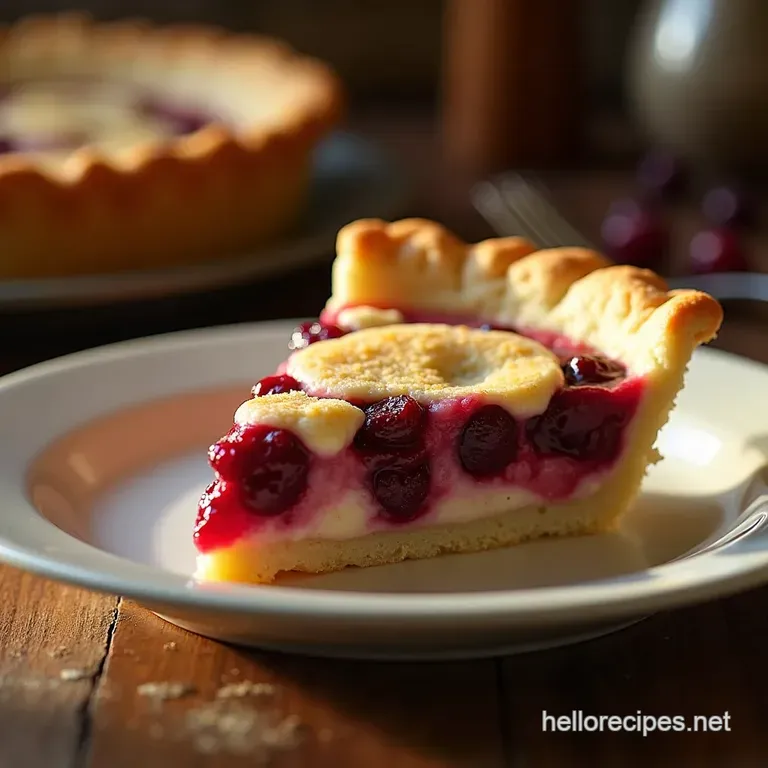
The first major endeavor is establishing the base. Begin by combining the dry pastry ingredients flour, salt, and sugar in your chosen mixing tool. Next, integrate the very cold, cubed butter until the mixture resembles coarse meal with a few larger, pea-sized pieces of butter still visible.
This variation in size is what ensures the distinct layers of flake in the final crust. Gradually add ice water until the dough barely clumps when pressed. Form this into a disk, wrap it snugly, and allow it to rest in the refrigerator for a minimum of one hour.
This chilling period relaxes the gluten, preventing shrinkage later on. Once chilled, roll the dough out and carefully ease it into your pie dish, trimming and fashioning an attractive crimped edge before returning it to the freezer for a final 20-minute chill.
Related Recipes Worth Trying
- The Ultimate Brown Butter Cheesecake Pecan Pie Recipe — A truly spectacular Cheesecake Pecan Pie hybrid This recipe features a tangy cream cheese layer swirled with bourbon pecan filling Easy to master
- Best Homemade Apple Pie Recipe Flaky AllButter Crust — Master the classic apple pie with this foolproof recipe for a shatteringly flaky buttery crust and a warm spiced apple filling Get baking
- Moist Keto Cranberry Muffins Recipe Low Carb Festive — Forget dry keto bakes These Low Carb Cranberry Muffins are moist tender and bursting with festive flavour A foolproof almond flour recipe
Crafting the Smooth, Creamy Custard for the Cranberry Custard Pie
While the crust chills, you can prepare your filling components. In a small saucepan, gently warm the 1 ½ cups of cranberries with their initial ¼ cup of sugar. Heating them gently ensures they begin to yield their tartness and moisture without fully breaking down.
Once softened slightly, remove them from the heat. In a separate large bowl, whisk together the eggs, extra yolk, the main portion of sugar, heavy cream, milk, salt, and vanilla extract until the mixture is perfectly homogenous.
For an exceptionally silky mouthfeel, consider passing this liquid custard through a fine mesh sieve to catch any potential bits of chalazae or unincorporated whites.
The Grand Finale: Baking and Setting the Masterpiece
The assembly and baking sequence are critical for textural success in any baked custard pie. Preheat your oven to a higher temperature initially to set the crust, before reducing it for the gentle cook required by the eggs.
Blind Baking Techniques for a Crisp Bottom Layer
Set your oven to 375° F ( 190° C). Line your chilled pastry shell with parchment paper and fill it generously with pie weights. Bake this structure for 15 minutes.
Next, remove the weights and paper this is vital and return the shell to the oven for another 10 to 15 minutes until the bottom looks dry and the edges have taken on a pale golden hue.
This crucial process ensures you avoid the dreaded soggy bottom, even with the liquid custard poured in later.
Gently Infusing the Custard Base with Vanilla Bean
As the crust cools slightly, ensure your custard base is thoroughly whisked and at room temperature, which aids in even cooking. The vanilla is already incorporated, but a quick final whisk ensures no sugar has settled at the bottom of the bowl before the next step.
Arranging the Cranberries for Optimal Distribution
Once the pastry shell has cooled enough that it won't immediately cook the custard base upon contact, scatter the pre-warmed cranberry mixture evenly across the bottom of the partially baked shell. Do not pile them too high; they need room to settle within the custard.
Following this, slowly pour the liquid custard over the fruit. Pouring slowly helps prevent air bubbles from forming, which can lead to a pitted surface later.
Determining Doneness: Avoiding a Rubbery Set
Crucially, as soon as the pie enters the oven, immediately reduce the temperature to 350° F ( 175° C). Bake for 20 to 30 minutes.
The visual cue for perfection is when the outer two inches of the filling are firm, but the very center exhibits a distinct, gentle wobble like a firm gelatin. If the entire surface is firm, it is overdone and risks becoming rubbery.
Allow the pie to cool completely on a wire rack; carryover cooking will finalize the set, requiring several hours or overnight chilling for the cleanest slices.
Troubleshooting and Expert Baking Refinements
Even expert bakers face challenges. If your crust shrinks excessively during blind baking, it usually means the dough wasn't sufficiently cold going into the oven, or you stretched it while fitting it into the pan.
For a filling that sets too soft after cooling, the primary culprit is almost always underbaking; next time, aim for a slightly firmer edge before removing it from the heat. Conversely, if the top browns too quickly, loosely tent the pie with aluminum foil during the last 10 minutes of baking.
Elevating Your Cranberry Custard Pie Presentation
While delicious on its own, presentation transforms this bake into a true showstopper. The clean, simple surface of the Cranberry Custard Pie offers a perfect canvas for elegant additions.
Storing Leftovers to Preserve Texture Integrity
Because this is a true baked custard, airtight storage is essential. Leftovers should be refrigerated immediately after they have reached room temperature. Storing it loosely covered in the refrigerator will maintain the smooth integrity of the custard for up to three days.
Flavor Twists: Incorporating White Chocolate Accents
For a sweeter, more decadent version, consider scattering small shavings of high-quality white chocolate over the cranberries before pouring the custard over them. The white chocolate melts subtly during baking, adding a creamy, familiar note that tempers the cranberry's sharpness beautifully.
The Role of Temperature in Achieving a Smooth Set
The transition from hot oven to cool counter is fundamental. Never place a hot pie directly onto a cold surface, as the rapid temperature change can cause the crust to steam and soften underneath.
Allowing it to cool gradually on a wire rack ensures that steam escapes evenly, promoting crispness both above and below the filling.
Pairing Suggestions: Sauces and Toppings Beyond Whipped Cream
While a simple dollop of unsweetened whipped cream is traditional, consider elevating this further. A drizzle of dark maple syrup thinned slightly with hot water provides an earthy sweetness.
Alternatively, for those who appreciate depth, a rich, salted caramel sauce offers a complex counterpoint to the tart fruit, moving this beyond a simple Cranberry Custard Pie Food Network special into truly gourmet territory.
Recipe FAQs
My shortcrust pastry keeps shrinking when I blind bake it; what am I doing wrong?
Ah, the age-old pastry puzzle! It sounds like your dough wasn't chilled long enough, or you might have stretched it when placing it in the tin. Always ensure your rolled out dough has a good 20-minute stint in the freezer or fridge before it meets the hot oven.
Also, make sure you’re using pie weights right away to support the edges as they cook.
Can I make this Cranberry Custard Pie ahead of time for a party?
Absolutely, making it ahead is the savvy cook's trick! This pie is actually better the next day once the flavours have properly settled in the fridge. You can bake it completely, let it cool fully, and store it covered in the refrigerator for up to three days.
Just bring it out about 30 minutes before serving for the best sliceable texture.
My custard has a slightly grainy texture; how do I get that perfectly smooth 'silky' finish?
That graininess usually comes from the eggs scrambling slightly or from undissolved sugar. Make sure you whisk your custard ingredients (especially the sugar, eggs, and cream) until they are completely homogenous before pouring.
For foolproof smoothness, run the entire liquid mixture through a fine mesh sieve right before pouring it over the cranberries it’s a great professional trick!
The recipe calls for reducing the oven temperature halfway through; is that step crucial for the Cranberry Custard Pie?
Yes, that temperature drop is rather vital, much like turning down the heat when making a proper gravy! Starting hot sets the pastry nicely, but baking the custard too hot will result in a rubbery top and curdled texture.
Reducing to 350°F (175°C) ensures the custard cooks slowly and gently, leaving you with that lovely, delicate wobble.
I don't like traditional cranberries; what other tart fruits can I substitute in this recipe?
If you fancy a change from the usual festive berries, you could certainly swap them out! Tart rhubarb or even sour cherries work beautifully in this style of bake. Just be sure to treat them similarly gently pre-cooking them with a little sugar to release some moisture before pouring the custard over top.
Ruby Cranberry Custard Pie