Red Beans and Rice: Hearty and Smoky
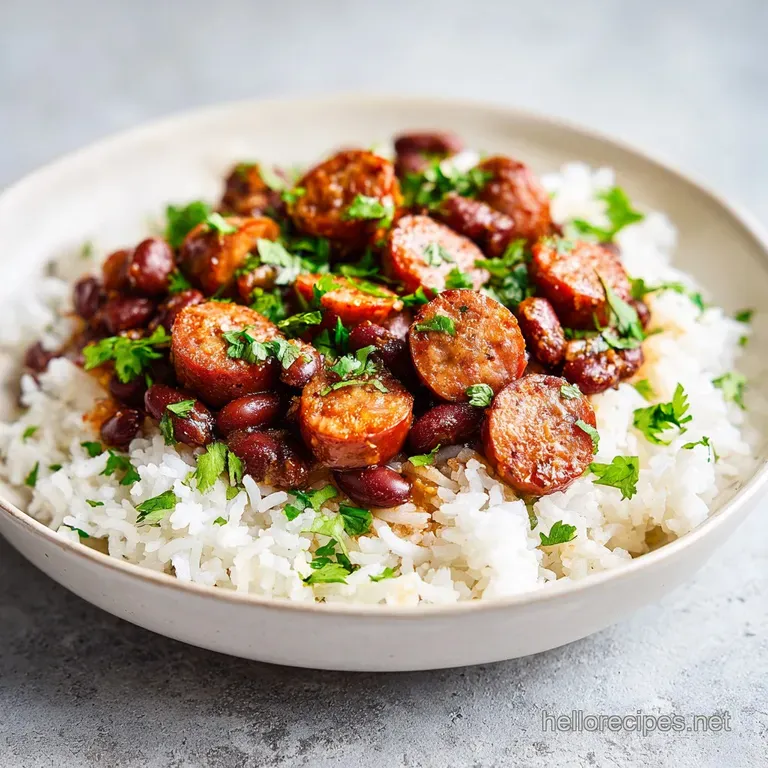
- Time:15 minutes active + 45 minutes simmering = Total 60 minutes
- Flavor/Texture Hook: Smoky, velvety gravy with a slight kick of heat
- Perfect for: Cozy weeknight dinners or meal prep lunches
The Soulful Comfort of Red Beans and Rice
Imagine walking down a New Orleans street on a Monday morning. For generations, this was the day for red beans, a tradition born from the slow simmering pots that would cook all day while the city woke up.
It's more than just a meal, it's a cultural anchor, representing the blend of French, Spanish, and African influences that make Creole cooking so vibrant.
I remember the first time I tried to make this. I thought more liquid meant more flavor, so I practically made a bean soup. It was thin, bland, and lacked that signature "stick to your ribs" feel.
It took me a while to realize that the magic isn't in the broth, but in what happens when you let that broth disappear, leaving behind a thick, glossy concentrate of smoke and spice.
This version is the best of both worlds. We're using canned beans to save hours of soaking, but we're using a specific technique to get that slow cooked creaminess in under an hour.
You get the deep, savory punch of the sausage and the bright, aromatic lift of the "Holy Trinity" of vegetables, all served over a bed of fluffy white rice.
Why the Texture Works
The secret to this dish isn't just the ingredients, but how they interact. We're looking for a specific contrast: the distinct bite of the sausage against a sauce that's almost like a porridge.
The Starch Release: By mashing a small portion of the beans, we release natural starches into the liquid. This turns a watery broth into a velvety gravy without needing flour or cornstarch.
Fat Rendering: Searing the sausage first isn't just for color. It releases rendered fat that coats the vegetables, ensuring every piece of onion and pepper tastes like smoke.
Liquid Reduction: Simmering uncovered allows water to escape, concentrating the flavors and thickening the consistency until the sauce clings to the beans.
Aromatic Layering: Sautéing the vegetables until translucent creates a sweet, softened base that balances the sharp heat of the cayenne and paprika.
| Method | Time | Texture | Best For |
|---|---|---|---|
| Stovetop | 60 mins | Glossy & thick | Standard dinner |
| Slow Cooker | 6-8 hrs | Very soft/integrated | Hands off prep |
| Pressure Cooker | 30 mins | Uniform & tender | Last minute meals |
The contrast here is key. You have the saltiness of the meat, the earthy sweetness of the kidney beans, and the bright, aromatic punch of the celery and bell pepper. It's a flavor map that hits every part of your palate.
Component Analysis
To get this right, you have to understand what each part is doing. It's not just a pile of ingredients, it's a strategic build of flavor.
| Ingredient | Science Role | Pro Secret |
|---|---|---|
| Andouille Sausage | Flavor Base | Brown it hard to get a "shatter" crust |
| Holy Trinity | Aromatic Foundation | Dice them uniformly for even softening |
| Kidney Beans | Body & Texture | Rinse them well to remove the metallic tin taste |
| Chicken Broth | Flavor Carrier | Use low sodium so you can control the salt |
When you're picking your sausage, don't be afraid to go for something with a real kick. If you can't find Andouille, a good Kielbasa works, but you'll need an extra pinch of paprika to make up for the missing smoke.
Essential Kitchen Gear
You don't need a professional kitchen for this, but the right pot makes a massive difference in how the heat distributes.
I always reach for a large Dutch oven. The heavy bottom prevents the beans from scorching as the liquid reduces, and the thick walls hold a steady temperature. If you don't have one, a heavy bottomed stockpot is your next best bet. Avoid thin aluminum pots, as they create hot spots that can burn your aromatics.
For the finishing touch, a potato masher is your best friend. You could use a fork, but a masher allows you to crush the beans quickly and evenly without over processing them into a paste. You want some whole beans for texture and some crushed for the sauce.
Finally, make sure you have a sturdy slotted spoon. You'll need this to pull the browned sausage out of the fat while leaving that liquid gold in the pot for the vegetables.
Step by step Guide

Right then, let's get into the actual cooking. This is where the magic happens. Trust the process, especially the simmering part.
Searing the Base
Heat the vegetable oil in your Dutch oven over medium heat. Add the sliced sausage. Cook them until the edges are browned and you hear a consistent sizzle. You want those edges to be almost crispy.
Once they've rendered their fat, remove them with your slotted spoon and set them aside on a plate, but keep that oil in the pot.
Softening the Trinity
Toss in your diced onion, celery, and green bell pepper. Sauté these for 5-7 minutes. You're looking for them to become translucent and fragrant, not browned. Stir in the minced garlic and cook for just 60 seconds. Be careful here, as garlic burns quickly and can turn bitter.
Building the Body
Return the browned sausage to the pot. Now, stir in the smoked paprika, dried thyme, and cayenne pepper. The heat will wake up the oils in the spices, making them more vibrant. Pour in the drained red kidney beans, the broth, and the Worcestershire sauce. Drop in the bay leaf.
The Slow Simmer
Bring the whole mixture to a boil, then immediately drop the heat to low. Let it simmer uncovered for 20-30 minutes. You'll see the liquid slowly drop, and the sauce will start to look thicker. Wait until the liquid reduces and begins to coat the back of a spoon.
The Final Texture
Remove the bay leaf. Now for the trick: take your potato masher and crush about 1/4 cup of the beans right there in the pot. Stir them back in. The sauce will instantly transform into a thick, glossy gravy. Season with salt and black pepper to taste.
Plating the Dish
Spoon a generous portion of cooked long grain white rice into a bowl. Ladle the beans and sausage over the top. The rice should soak up some of that velvet sauce without becoming mushy.
Fixing Common Errors
Even the best of us hit a snag. Usually, with this recipe, the issue is either the thickness or the flavor balance.
The sauce is too thin
If you've hit the 30 minute mark and it still looks like soup, you likely didn't reduce the liquid enough or didn't mash enough beans. The fix is simple: simmer for another 10 minutes or mash a few more beans.
The flavor feels flat
This usually happens if the salt levels are too low or the acidity is missing. A tiny splash of apple cider vinegar or a squeeze of lemon juice at the very end can wake up the smoky notes.
| Problem | Root Cause | Solution |
|---|---|---|
| Watery consistency | Not enough reduction | Simmer longer uncovered |
| Bitter taste | Burnt garlic | Add a pinch of sugar to balance |
| Bland beans | Over rinsing/Low salt | Add salt and a dash of Worcestershire |
If you're struggling with your rice side, I highly recommend using a Pressure Cooker Rice method to ensure the grains stay separate and don't compete with the creaminess of the beans.
Common Mistakes Checklist
- ✓ Pat the sausage dry before searing to get a better brown.
- ✓ Don't skip the bean mashing step; it's the only way to get the gravy thick.
- ✓ Remove the bay leaf before serving, or someone will have a very unpleasant surprise.
- ✓ Use a medium low heat for the simmer to prevent the bottom from burning.
- ✓ Don't add salt until the very end, as the broth reduces and concentrates the saltiness.
Flexible Dietary Tweaks
Depending on who you're feeding, you might need to swap a few things around. This recipe is surprisingly adaptable.
For a plant based version, skip the sausage and use a smoked tofu or a vegan chorizo. To keep that smoky depth, add a teaspoon of liquid smoke or an extra half teaspoon of smoked paprika. Use vegetable broth instead of chicken broth, and you've got a vibrant, vegan friendly comfort meal.
If you're watching your sodium, use "no salt added" canned beans and low sodium broth. You can compensate for the loss of salt by increasing the cayenne or adding a bit more black pepper.
For those who want a different starch, this also pairs beautifully with a Spanish Rice recipe for a more seasoned base.
Method Variations
- The Slow Cooker Route: Sauté the meat and trinity in a pan first, then dump everything into the crockpot on low for 6-8 hours.
- The From Scratch Route: If using dried beans, soak them overnight and simmer for 2-3 hours until tender before starting the "thickening" phase.
- The Spicy Twist: Add a chopped habanero with the trinity if you want a heat level that really pushes back.
Storage and Zero Waste
This dish is one of those rare recipes that actually tastes better the next day. The flavors have more time to mingle and the sauce becomes even more integrated.
Store leftovers in an airtight container in the fridge for up to 4 days. When reheating, the sauce might have thickened into a gel. Just add a splash of water or broth and heat it on the stovetop or in the microwave until it's velvety again. For the freezer, this freezes beautifully for up to 3 months.
Thaw in the fridge overnight before reheating.
To keep things zero waste, don't throw away the leftover bean liquid from the cans if you didn't rinse them (though I recommend rinsing for taste). You can stir a bit of it into other stews for extra body. If you have leftover rice, fry it up the next morning with some of the bean remnants for a smoky breakfast hash.
Best Way to Serve
Presentation is everything, even for a rustic dish. I like to serve this in wide, shallow bowls to show off the contrast between the white rice and the deep red beans.
To brighten up the plate, garnish with a handful of sliced green onions or some chopped fresh parsley. The greenery cuts through the richness of the sausage. A few slices of pickled jalapeños on top add a nice acidic snap that balances the smoke.
If you're serving a crowd, place a huge pot of the beans in the center of the table with a separate bowl of rice. Let people ladle their own so the rice doesn't get soggy while sitting. Pair this with a side of collard greens or a simple corn bread to complete the New Orleans experience.
Trust me on this, the more you lean into the contrasts, the heat, the smoke, the creaminess, and the fluffiness, the more this dish will feel like a hug in a bowl. Right then, get your pot ready and let's get cooking!
High in Sodium
940 mg 940 mg of sodium per serving (41% 41% of daily value)
The American Heart Association recommends a daily limit of 2,300 mg of sodium to help manage blood pressure and reduce the risk of heart disease.
Tips to Reduce Sodium
-
Swap the Broth-30%
Replace regular chicken or vegetable broth with low-sodium or no-salt-added versions to significantly cut down on hidden salts.
-
Choose Leaner Sausage-25%
Substitute smoked Andouille or Kielbasa with low-sodium sausage or fresh, unsmoked sausage to reduce processed salt content.
-
Omit Added Salt-25%
Skip the 'salt to taste' entirely; the sausage and broth already provide ample seasoning for the dish.
-
Better Bean Choice-20%
Use no-salt-added canned beans or cook dry beans from scratch to avoid the high sodium found in canning liquids.
-
Limit the Sauce-20%
Reduce the amount of Worcestershire sauce or use a low-sodium alternative to lower the savory salt contribution.
-
Boost Aromatics
Increase the amount of smoked paprika, cayenne, or fresh garlic to add depth and heat without adding any sodium.
Recipe FAQs
What is the secret ingredient in red beans and rice?
Mashing a small portion of the beans. Crushing about 1/4 cup of the beans directly in the pot creates a thick, glossy gravy without needing to add flour or cornstarch.
What seasoning is used in red beans and rice?
Smoked paprika, dried thyme, and cayenne pepper. These spices, along with a bay leaf and Worcestershire sauce, provide the signature smoky and savory flavor profile.
How to cook beans for diabetics?
Rinse the canned kidney beans thoroughly under cold water. This process removes excess sodium and starches, making the beans a more heart-healthy choice for blood sugar management.
Is it true I must soak red beans for this recipe?
No, this is a common misconception. Because this specific recipe uses canned red kidney beans, there is no need for soaking as they are already cooked.
Why is my sauce too thin?
You likely skipped the mashing step or didn't simmer long enough. Use a potato masher to crush some beans and ensure the pot simmers uncovered for 20–30 minutes to reduce the liquid.
How long do leftovers stay fresh in the fridge?
Up to 4 days in an airtight container. The dish actually tastes better the next day as flavors mingle, though you may need a splash of broth when reheating to restore the texture.
Can I use other beans for a similar flavor?
Yes, though red kidney beans are traditional. If you like this flavor profile, you can use similar techniques to make a cajun bean stew for a different twist on the classic.
Red Beans and Rice with Andouille Sausage: Smoky and Tender