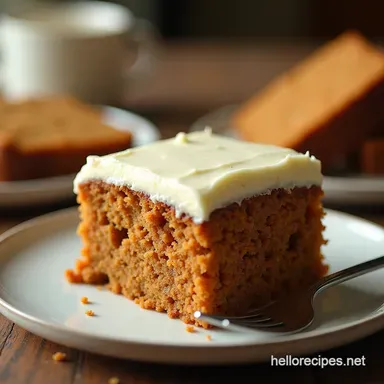
The Ultimate Moist Carrot Cake with Tangy Cream Cheese Frosting
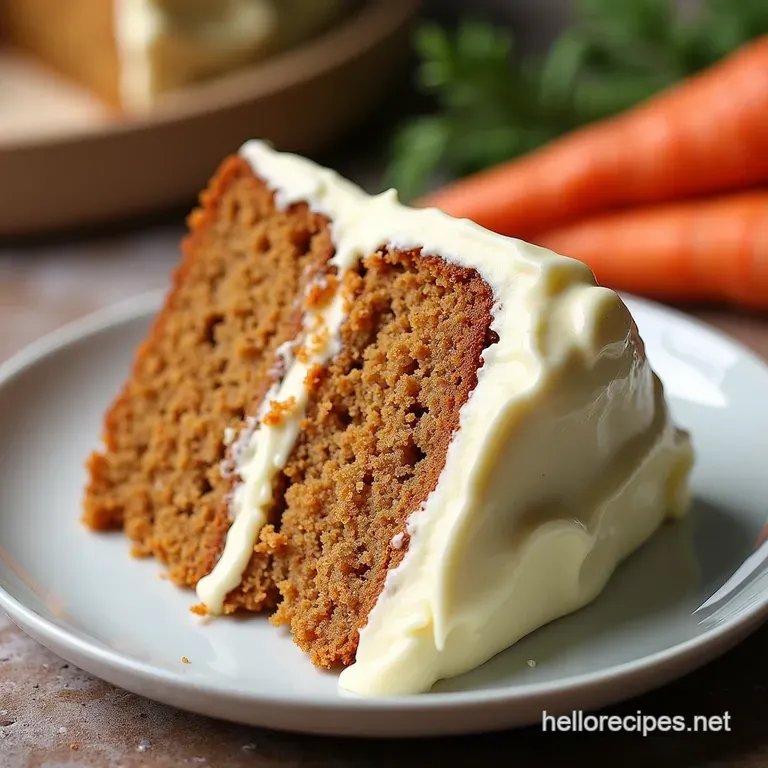
- Why This Moist Carrot Cake Recipe Reigns Supreme
- Setting the Stage: The Majesty of the Perfect Tea-Time Bake
- Procuring the Essential Components for Richness
- The Methodology for Building a Marvelously Moist Crumb
- Elevating Your Homemade Carrot Cake: Pro Baker Secrets
- Storage Solutions for Lasting Freshness
- Recipe FAQs
- 📝 Recipe Card
Why This Moist Carrot Cake Recipe Reigns Supreme
When the topic turns to celebratory bakes, few desserts command the universal adoration reserved for a truly exceptional Carrot Cake. This isn't merely about mixing some grated vegetables into a batter; it’s about achieving that elusive balance: a cake crumb so tender and saturated with moisture that it practically melts, punctuated by the warmth of spice and the crunch of toasted nuts.
We are dedicated to revealing the secrets behind the Best Carrot Cake Recipe you’ll ever attempt, moving far beyond pedestrian attempts that often leave you with a dry, crumbly disappointment.
This version delivers the deeply satisfying experience expected from classic Carrot Cake Desserts , setting a new benchmark for home baking.
Setting the Stage: The Majesty of the Perfect Tea-Time Bake
Creating a magnificent bake begins long before you turn on the oven; it starts with understanding the texture and flavour goal. Our target here is a cake that sings of cinnamon and nutmeg, providing a substantial yet yielding base for the quintessential tangy topping.
Whether you are aiming for a towering layer cake for an Easter Carrot Cake celebration or perhaps miniaturizing the magic into Carrot Cake Cupcakes or even Carrot Cake Cookies , the core principles of moisture and spice infusion remain paramount.
Bidding Farewell to Dry Disappointments
The primary enemy in baking is dryness, and in this particular recipe, we actively combat it through two crucial elements: oil and the moisture released by the carrots themselves. While butter provides superior flavour, vegetable oil ensures a consistent distribution of fat throughout the batter, coating the flour particles in a way that inhibits excessive gluten formation.
This results in a light, wonderfully soft structure that stays moist days after baking. On top of that,, the inclusion of brown sugar, which retains more moisture than white sugar alone, plays a vital supporting role in achieving that signature Moist Carrot Cake texture.
The Flavor Profile: Spice, Sweetness, and Texture Harmony
A truly memorable cake hinges on its aromatic components. We use a generous measure of high-quality cinnamon, complemented by a hint of nutmeg, ensuring that warm, earthy aroma fills your kitchen.
The sweetness comes from a calculated balance of white and brown sugars, providing depth rather than just surface sweetness. Then there is the texture: the soft resilience of the cake is beautifully contrasted by the crunch of toasted pecans or walnuts, integrating seamlessly with the finely grated carrots that provide hidden bursts of natural sweetness.
If you’ve been searching for a foolproof Carrot Cake Recipe , look no further; this combination sings in perfect harmony.
An Accessible Blueprint for Baking Glory
Despite the resulting richness, the process itself is remarkably straightforward, classifying this as a Medium difficulty bake. We avoid complicated steps like creaming butter and sugar extensively. Instead, we rely on the "dump and stir" methodology for the dry and wet ingredients before folding in the inclusions.
This simplicity makes it an excellent candidate for baking projects beyond just the full layer cake it’s easily adapted for humble Carrot Cake Muffins or sheet bakes.
Procuring the Essential Components for Richness
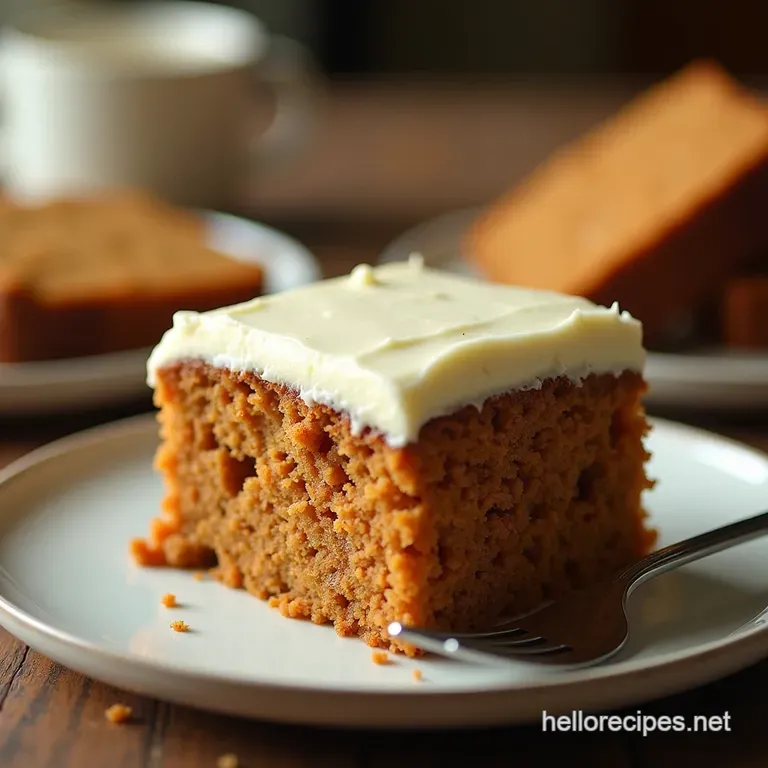
The final result is only as good as the ingredients you start with. Selecting the right components is not about extravagance, but about ensuring quality where it counts most namely, the spices and the fresh produce.
We require specific measurements for the four large eggs, a full cup of neutral oil, and the sugars, which must be measured precisely to guarantee the correct hydration level for the batter.
Selecting the Finest Spices and Carrots
For the spices cinnamon and nutmeg seek out fresh, potent varieties. Stale spices offer little more than colour. If possible, grate your own nutmeg; the difference in fragrance compared to pre-ground powder is astonishing. Regarding the carrots, aim for about three packed cups of finely grated vegetable.
Using a food processor is efficient, but take care not to over process them into a paste; small, distinct shreds are what you want, ensuring they soften beautifully during baking and contribute volume.
Must Have Baking Tools for Seamless Execution
While a stand mixer is ideal for the final stages of frosting preparation, the cake batter assembly can be managed efficiently with two large mixing bowls and a sturdy rubber spatula.
The spatula is non-negotiable for the final folding stage, as it helps gently incorporate the heavy carrots and nuts without deflating the aerated wet ingredients. For the baking itself, having two identical 9 inch round pans is crucial for even baking times and flat layers, though a single 9x13 pan works perfectly for a simpler presentation.
Prepping Your Nuts and Dried Fruit Add-Ins
If you opt for walnuts or pecans highly recommended for texture take the extra five minutes to toast them lightly. Spread them on a dry baking sheet and place them in the preheated oven for approximately five minutes while you measure out your other ingredients.
This process awakens their essential oils, vastly improving their nutty flavour profile before they are folded into the batter. If adding dried fruit, like raisins or dried pineapple (for a Pineapple Carrot Cake twist), ensure any dried fruit is briefly soaked and thoroughly patted dry before mixing in.
Measuring Matters: Precision for Peak Cake Performance
In baking, volume measurements must be respected, particularly when dealing with leavening agents like baking soda. We require two full teaspoons of baking soda for lift. When measuring flour, spoon it lightly into your measuring cup and level it off; scooping directly compresses the flour, leading to a heavy, dry cake structure.
Precision here directly correlates to achieving a marvellously Moist Carrot Cake .
Related Recipes Worth Trying
- The Best Crispy Garlic Parmesan Oven Carrots Recipe — Transform humble carrots into an irresistible side dish These oven roasted carrots are packed with Parmesan and garlic Easy enough for weeknights
- Easy Spiced Carrot Patties Recipe Crisp Savoury Veggie Fritters — Tired of sad vegetables These easy Carrot Patties are panfried until golden and beautifully spiced Perfect as a weeknight main or a vegan snack
- Easy NoBake Vanilla Cream Cake Recipe No Oven Needed — Forget the oven This Elegant No Bake Cake is layers of crisp biscuits and silky vanilla cream A foolproof light dessert perfect for summer
The Methodology for Building a Marvelously Moist Crumb
The mixing technique is where we lock in that tender crumb. We adopt the standard creaming method for the wet components to establish the foundation, but we exercise restraint when introducing the dry elements.
Combining the Wet Elements: Secrets to Moisture Retention
Begin by whisking together the granulated sugar, brown sugar, and vegetable oil until they are thoroughly combined. Next, incorporate the room temperature eggs one at a time. This gradual addition allows the emulsification process to happen smoothly, creating a stable base that suspends the oil and liquids evenly.
Finish this stage by beating in the vanilla extract. This mixture is rich, glossy, and ready to receive the dry components.
Folding in the Dry Ingredients Without Overmixing
Once the sifted dry ingredients (flour, baking soda, spices, and salt) are added to the wet mixture, switch immediately to a rubber spatula. Mix only until the last streaks of flour vanish. This is a critical juncture; overworking the batter activates the gluten in the flour, resulting in a tough texture.
The batter should still look slightly shaggy. Only then should you gently fold in the packed, grated carrots and the toasted nuts, distributing them evenly but carefully preserving the air incorporated earlier.
Baking Temperatures and Testing for Doneness
Preheat your oven diligently to 350° F ( 175° C). Pour the batter evenly into your prepared pans. Bake times hover around 35 to 45 minutes for two 9 inch layers.
You will know the cake is done when the edges begin to pull slightly away from the pan sides and, most importantly, when a wooden skewer inserted into the centre emerges clean, perhaps with just a few moist crumbs clinging to it, but definitely without wet batter.
Achieving Smooth Peaks in the Cream Cheese Icing
While the cakes are cooling and they must be completely cool before frosting we turn our attention to the topping. The secret to flawless cream cheese icing lies in the temperature contrast: the butter must be softened perfectly (pliable but not oily), but the cream cheese must remain cold.
Beat these two ingredients vigorously until they are utterly homogenous and creamy, ensuring there are no hidden pockets of cold cheese. Then, slowly add the sifted powdered sugar, followed by the vanilla and a teaspoon of fresh lemon juice, beating until light and fluffy.
This technique guarantees a spreadable, stable frosting that offers the perfect tang to balance the spiced cake.
Elevating Your Homemade Carrot Cake: Pro Baker Secrets
To take your baking from excellent to legendary, consider small upgrades that add layers of complexity. Browning the butter slightly before incorporating it into the frosting recipe imparts a nutty depth that elevates the flavour profile beyond the standard offering.
Another pro tip is to reserve a handful of those toasted nuts, chop them finely, and press them gently around the base of the finished cake for a decorative, professional border.
Storage Solutions for Lasting Freshness
Proper storage is key to preserving the moisture achieved in baking. Because of the high dairy content in the cream cheese frosting, this masterpiece must be stored in the refrigerator. However, serving it straight from the cold environment mutes the flavour and firms the crumb unnecessarily.
Creative Twists: Beyond the Classic Recipe
While the recipe outlined provides a sublime classic, experimentation is encouraged. For those who enjoy a bit more texture, folding in a quarter cup of finely chopped crystallized ginger adds a delightful, sharp heat that plays beautifully against the sweetness.
Alternatively, consider substituting the oil with applesauce for a slightly lower fat version, though be mindful that this shift will slightly alter the crumb density, moving it closer to a traditional Carrot Cake Muffins texture.
Troubleshooting Common Baking Hurdles
If your cream cheese icing seems too runny after mixing, simply add powdered sugar, a tablespoon at a time, beating slowly to incorporate. If it becomes too stiff, add a few drops of milk or cream.
If your cake sinks in the middle, it usually signals underbaking or using expired baking soda; always check those expiration dates!
Optimal Conditions for Refrigeration and Serving
Keep your finished Carrot Cake tightly covered in the refrigerator for up to four days. For the best eating experience, remove the cake from the fridge about 45 minutes to an hour before serving.
This allows the butter in the frosting to soften slightly, returning the cake layers to their ideal, melt-in-your mouth texture.
Nutritional Glance: Estimating the Indulgence
It is important to approach this magnificent bake with clear eyes; this is an indulgent treat, rich in fats from the oil and the decadent frosting. While the carrots add beneficial vitamins, the overall profile leans toward a satisfyingly rich dessert.
Enjoying a slice, perhaps after a lighter meal, ensures you appreciate this triumph of flavour and texture fully.
Recipe FAQs
Why is my Carrot Cake always coming out a bit dry, even when I follow the recipe?
That’s the eternal baking tragedy, isn't it? Usually, dryness comes from two things: overbaking or overmixing. Make sure you pull the cake out the second a skewer comes out clean, not a minute later.
Also, this recipe relies on oil rather than butter, so avoid mixing the batter once the flour is in; just fold until combined, or you'll knock all the lovely moisture right out!
What’s the secret to getting the cream cheese frosting perfectly smooth and not runny?
The key is temperature management, a bit like managing a queue at the Post Office! Your butter must be softened, but the cream cheese absolutely must be cold straight from the fridge. Beat them together first until smooth, then gradually add the sifted icing sugar.
If it still seems too soft, pop the whole bowl in the fridge for 15 minutes before beating it again to firm up.
Can I make this Carrot Cake ahead of time, and how should I store it?
Absolutely! It's often better the next day once the spices have settled in. Store the unfrosted layers tightly wrapped at room temperature for up to two days, or freeze them for longer.
Once frosted, it needs refrigeration due to the dairy, but let it sit out for about 30 minutes before serving so it comes back to room temperature for the best flavour and texture.
I’m not a fan of nuts. Can I leave them out of the Carrot Cake recipe, or swap them for something else?
Go right ahead! If you hate nuts, just skip them entirely; the cake will still be superb. If you want that nice textural bite back, try substituting them with dried fruit like raisins or golden sultanas, or for a real treat, use some chopped candied ginger or shredded coconut in the batter instead.
Do I really need to use both white and brown sugar in this recipe?
Yes, that duo is essential for that classic depth of flavour and texture! The granulated sugar provides structure, while the light brown sugar brings moisture and a lovely molasses undertone that pairs perfectly with the cinnamon and nutmeg.
Trying to use only one will result in a slightly duller flavour profile, so try to stick with both if you can manage it.
Moist Carrot Cake Recipe